

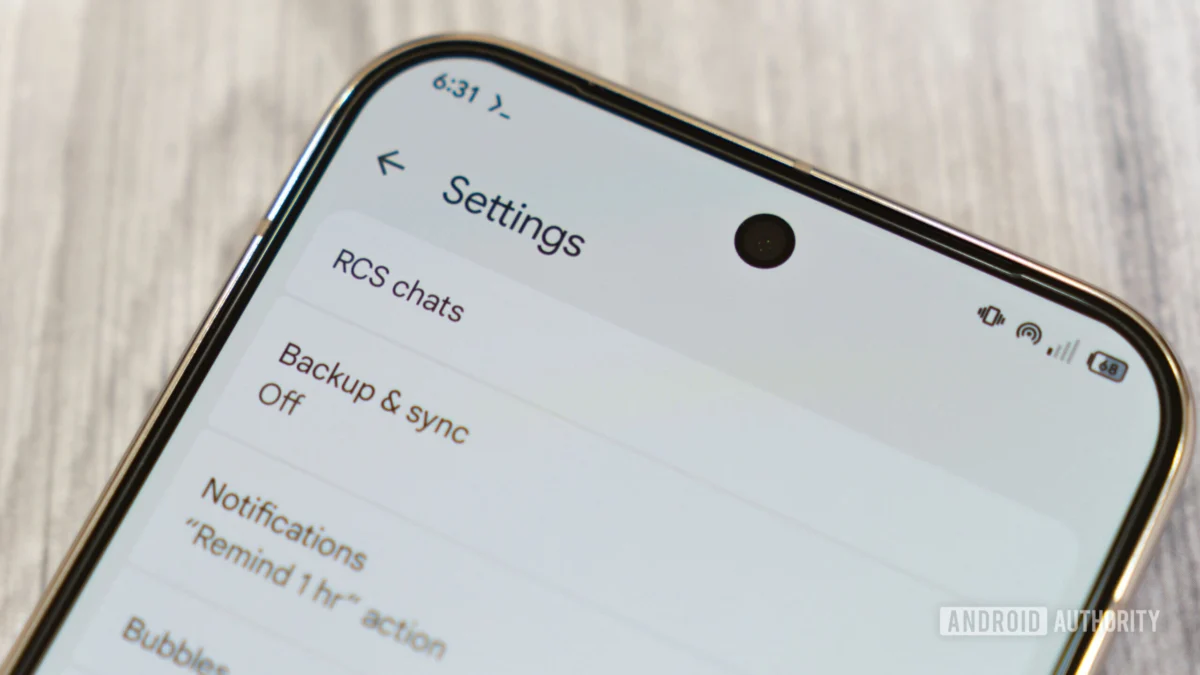
For over a decade, the Samsung Messages app served as the digital gateway for millions of Galaxy users worldwide. From the early days of SMS and MMS to the integration of basic rich media, the native application was a staple of the Android experience. However, as the mobile landscape shifts toward universal connectivity and enhanced security, the era of the proprietary Samsung messaging client is coming to an abrupt close.
As we approach July 2026, Galaxy users are facing a definitive deadline: the official sunsetting of Samsung Messages. For those who have yet to migrate their workflows to a new platform, the time for transition has arrived. This article explores the technical, cultural, and operational implications of this shift, the rise of RCS, and what users can expect as they move toward a more unified messaging future.
The Core Facts: What You Need to Know
The transition is not a sudden technical failure, but a calculated strategic pivot by Samsung Electronics. Starting in July 2026, Samsung will officially discontinue support for its native messaging app on newer devices.
For the average consumer, this means that the "Samsung Messages" icon—historically a blue chat bubble—will no longer function as the primary hub for SMS, MMS, or RCS communications. Instead, Samsung has moved to designate Google Messages as the default, pre-installed application on all new Galaxy smartphones, including the latest flagship S26 series.
While the change may feel jarring for long-time enthusiasts of the Samsung ecosystem, the transition is designed to be seamless. Google Messages offers near-feature parity with—and often superiority over—the outgoing app, providing a more robust, carrier-agnostic, and feature-rich experience.
A Chronology of the Transition
The deprecation of Samsung Messages did not happen overnight. It was the result of a multi-year strategy aimed at streamlining the Android experience.
- Early 2024: Samsung began significantly nudging users toward Google Messages via system prompts and software updates, signaling a shift in software philosophy.
- Late 2024: Samsung announced that it would begin prioritizing Google’s RCS-based infrastructure over its own carrier-dependent implementations, acknowledging the fragmentation inherent in the old system.
- April 2026: Formal notifications were sent to millions of users, confirming the July 2026 sunset date for the application.
- July 2026 (The Present): The final cutoff point. Users are now being urged to complete their migration to prevent data loss or service interruption.
This timeline reflects a broader industry trend where hardware manufacturers are increasingly outsourcing core communication services to platform-level providers like Google to ensure consistency across the fragmented Android ecosystem.
The Technical Catalyst: The Dominance of RCS
The primary motivation behind this consolidation is the universal adoption of Rich Communication Services (RCS). For years, the messaging experience on Android was marred by the limitations of SMS—a 1990s protocol that lacked encryption, high-resolution media support, and real-time feedback.
Samsung Messages attempted to bridge this gap, but its functionality was often tied to specific carrier support. If a user’s carrier didn’t support a specific version of RCS, the feature simply wouldn’t work. By contrast, Google Messages utilizes a direct-to-server model that circumvents carrier limitations, ensuring that features like end-to-end encryption, typing indicators, read receipts, and high-quality image sharing work consistently, regardless of the user’s network provider.
Why RCS Matters
The transition is not merely about changing the app icon; it is about upgrading the underlying communication infrastructure:
- Universal Interoperability: Whether you are messaging someone on a different carrier or a different country, the experience remains identical.
- Enhanced Security: Google Messages provides end-to-end encryption by default for RCS chats, a standard that was difficult to implement reliably across the varied landscape of Samsung’s legacy carrier-based messaging.
- Media Fidelity: The days of blurry, compressed MMS photos are effectively over. RCS allows for the transmission of high-definition images and videos, bringing Android on par with competitors like iMessage and WhatsApp.
Official Responses and Strategic Rationale
Samsung has been remarkably transparent about its reasoning. In official documentation, the company notes that by standardizing on Google Messages, it can provide a "consistent and modern messaging experience" across the entire Galaxy portfolio.
Industry analysts suggest that this move also reduces the R&D burden on Samsung. Maintaining a proprietary messaging app required constant updates to accommodate new security patches and evolving carrier standards. By offloading this responsibility to Google, Samsung can reallocate engineering resources toward areas where they hold a distinct competitive advantage, such as display technology, camera hardware, and the development of their proprietary One UI features.
While the company is moving away from the app, it is not abandoning its users. Samsung has provided comprehensive migration tools within the Google Messages app that allow for the secure transfer of conversation history, though users are reminded that this process can take up to 24 hours depending on the volume of stored media.
Implications for the User Base
For the vast majority of users, the transition will be a non-event. However, for those who rely on specific customizations or niche legacy features, the shift brings a few considerations.
Who is Affected?
The cutoff primarily targets newer devices. Samsung has confirmed that legacy devices running Android 11 or older will retain support for the native app for the time being. This ensures that users with older hardware are not suddenly stranded without a working communication tool.
The "Power User" Dilemma
Some long-time Samsung users have expressed frustration, citing the aesthetic and functional preferences of the native app. Features like "Custom Folders" or specific Samsung-integrated search filters were beloved by power users. For those unwilling to embrace the Google ecosystem, the open-source community has stepped up. Alternatives like "Fossify" messages and other FOSS (Free and Open Source Software) clients are seeing a surge in interest as users look for ways to maintain control over their messaging data without being tied to Google’s infrastructure.
Data Migration Concerns
The 24-hour window for history migration is a critical point of concern for some. Samsung suggests that users initiate the transfer while connected to a stable Wi-Fi network and ensure their phone is sufficiently charged. Failure to do so could result in fragmented message threads or missing media attachments.
The Future of Messaging on Android
The retirement of Samsung Messages is a definitive signal that the "walled garden" era of Android is concluding. We are entering an age of standardization. When every Android device uses the same core messaging infrastructure, the platform becomes inherently more valuable to the end-user.
As we look past July 2026, the question is not whether the loss of the native Samsung app will be felt, but rather how much more efficient the ecosystem will become. The convergence of messaging protocols is a necessary evolution in a world that demands instant, secure, and media-rich communication.
For the average Galaxy owner, the advice is simple: open the Google Messages app, follow the prompt to set it as your default, and allow the background process to migrate your history. It is the final step in a years-long transition that brings the Android ecosystem one step closer to true, universal connectivity.
Final Checklist for Users:
- Verify your OS: Ensure your device is updated to the latest available software.
- Check for the App: If Google Messages is not installed, download it via the Google Play Store.
- Set Default: Navigate to Settings > Apps > Choose default apps > SMS app and select Messages.
- Patience is Key: Allow the migration process to run overnight to ensure all media and text history are accurately reflected.
The transition may mark the end of a long-standing Samsung tradition, but it opens the door to a more cohesive and technologically advanced mobile experience. As the sun sets on the Samsung Messages app, the industry looks forward to a more unified, secure, and powerful way to connect.











