

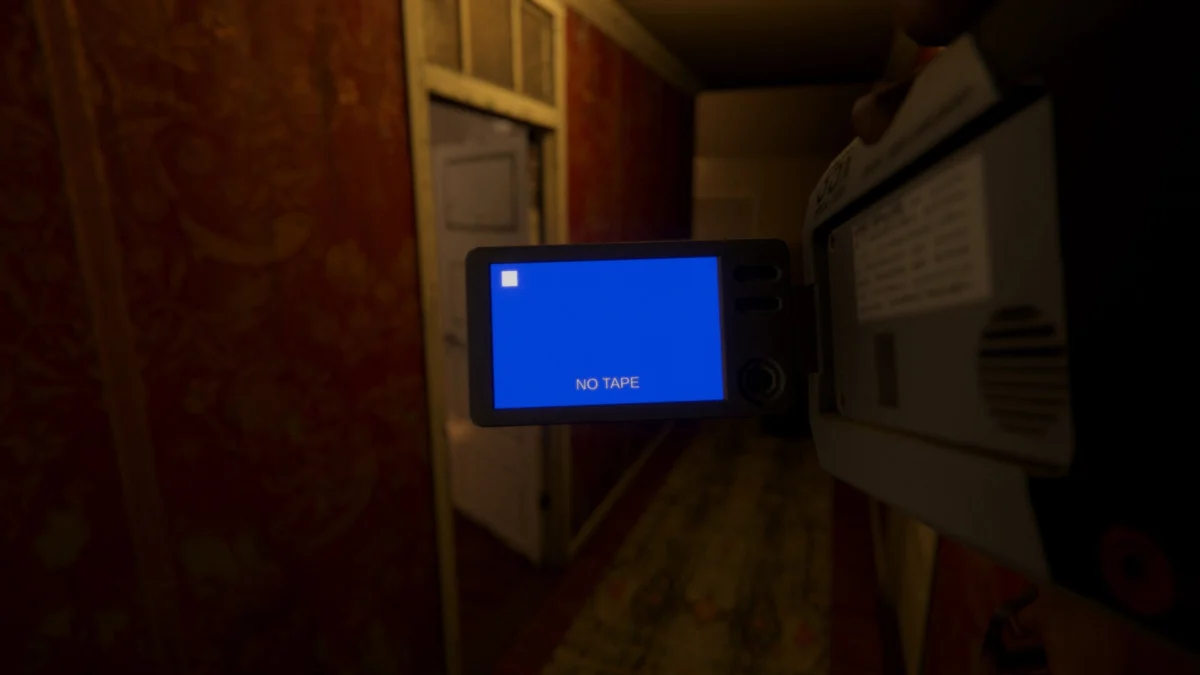
The landscape of horror gaming is littered with the ghosts of projects that never made it to the screen, but the recent cancellation of Paranormal Activity: Threshold feels particularly spectral. Announced with the pedigree of DarkStone Digital—the studio behind the critically acclaimed The Mortuary Assistant—the project promised to translate the found-footage terror of the blockbuster film franchise into an interactive, white-knuckle experience. Instead, the project has been unceremoniously shuttered, leaving fans and industry analysts alike to dissect what went wrong in the high-stakes world of licensed horror development.
The Main Facts: A Project Reaches Its End
The news broke early this week when Brian Clarke, the solo developer operating under the banner of DarkStone Digital, took to social media to announce the permanent cessation of development on Paranormal Activity: Threshold. The game, which had been generating steady anticipation since its announcement, was intended to be a deep-dive exploration into the franchise’s lore, utilizing the distinct, claustrophobic aesthetic of the original Paranormal Activity films.
Clarke confirmed that the decision was not a sudden impulse, but rather the result of an insurmountable impasse between the creative team and the intellectual property (IP) holder, Paramount. While the game was backed by publisher DreadXP, the tight leash held by the film studio ultimately proved to be the project’s undoing. Clarke’s statement was clear: rather than ship a "sub-par" product that failed to meet his own rigorous standards, he opted to terminate the project entirely.
Chronology: From Promise to Peril
The trajectory of Paranormal Activity: Threshold provides a fascinating, albeit sobering, look at how independent creative visions can collide with corporate timelines.
- Initial Concept and Hype: Following the massive success of The Mortuary Assistant, Brian Clarke established himself as a master of the "tactile horror" sub-genre. His ability to blend mundane tasks with supernatural dread made him the perfect candidate for a Paranormal Activity adaptation.
- The Partnership: DreadXP, known for its commitment to horror, secured the rights from Paramount to develop a game based on the Paranormal Activity franchise. The collaboration was announced with fanfare, promising a unique, replayable horror experience.
- The Development Hurdle: As a solo developer, Clarke faced the Herculean task of building a sprawling horror title. As the development cycle progressed, it became increasingly apparent that the scope of the game required more time than the original schedule allowed.
- The Request for Extension: Recognizing that the game’s core mechanics—which relied heavily on the atmosphere and the "found footage" aesthetic—needed more polish to be effective, Clarke and DreadXP approached Paramount for a development extension.
- The Rejection: Despite the clear creative necessity for more time, Paramount declined the request.
- The Cancellation: Faced with an impossible deadline, Clarke made the professional choice to walk away from the project rather than sacrifice quality.
Supporting Data: The Anatomy of a Licensed Game
To understand why Paranormal Activity: Threshold failed, one must look at the structural pressures of licensed game development. Unlike an original IP, where a developer can pivot mechanics or delay a launch to suit the creative needs of the product, a licensed game is bound by legal contracts, milestone payments, and marketing synergies linked to film release windows.
Historically, horror games based on film franchises struggle with a "translation tax." The aesthetic of Paranormal Activity is defined by low-fidelity, static-heavy, camcorder-style footage. Translating that into a modern gaming engine requires a delicate balance: the game must look "bad" on purpose, yet play with the precision of a high-end title. For a solo developer, this level of polish—ensuring that the low-fidelity look doesn’t translate into a low-quality experience—is a massive undertaking.
Industry data suggests that independent developers working on major film IPs are increasingly at risk of "crunch" or cancellation when they lack the massive teams required to expedite production. By maintaining his autonomy, Clarke opted out of a cycle that has historically produced "bargain bin" licensed titles, choosing instead to protect his reputation as a high-quality horror auteur.
Official Responses and the "Amicable" Split
The response from the parties involved has been characterized by a surprising level of transparency and mutual respect. Clarke was quick to praise DreadXP, noting that the publisher "stood by my need for more time." This indicates that the failure was not a lack of commitment from the publisher, but a failure of the licensing agreement to accommodate the reality of creative development.
Paramount, for its part, has maintained a professional silence, which is standard for major studios dealing with the cancellation of smaller, licensed projects. However, the move highlights a growing disconnect between how film studios view video games—often as secondary marketing assets—and how developers view them—as distinct, complex artistic works.
Clarke’s statement on the matter was definitive: "I chose the latter [to end the project]… It was an honor to even be considered to work on an IP I love so much." This sentiment echoes a broader frustration among indie developers who see the immense potential in licensed properties, only to find the corporate framework stifling.
Implications: The Future of Licensed Horror
The cancellation of Paranormal Activity: Threshold serves as a cautionary tale for both the gaming industry and the film studios looking to expand their IPs into the digital space.
The Solo-Dev Paradox
Can a solo developer truly handle a massive, high-pressure IP? The failure here suggests that while a solo dev can handle the creative vision, the corporate structure of a major studio like Paramount may be incompatible with the agile, iterative process required by small-team development. This could lead to a decline in solo-led licensed projects in the future, as studios demand the "safety" of larger, more predictable development teams.
The "Found Footage" Problem
Critics had already expressed apprehension regarding the game’s reveal. The difficulty in capturing the specific, voyeuristic horror of a movie like Paranormal Activity in a game format is significant. By cancelling the game, the industry avoids a potential critical failure, but we also lose the opportunity to see if the "found footage" genre could have been successfully innovated in a digital space.
The Precedent of Transparency
Brian Clarke’s candid explanation for the cancellation sets a new standard for developer transparency. Rather than hiding behind corporate jargon, he laid out the conflict clearly. This honesty may actually bolster his standing with the gaming community, reinforcing the idea that he prioritizes the player’s experience over a paycheck or a hollow brand association.
Conclusion: A Loss for the Genre
Ultimately, the loss of Paranormal Activity: Threshold is a loss for the horror community. The potential to turn a living room into a digital haunt—where the camera is your only defense—was a compelling pitch. While we may never see what Clarke’s vision would have looked like, the situation serves as a stark reminder that in the world of game development, the most frightening thing isn’t the ghost in the camera, but the contract in the boardroom.
As the industry moves forward, developers and publishers will need to reconcile the speed of film marketing with the necessary pace of game development. Until then, Paranormal Activity: Threshold will remain a "ghost" of the industry—an idea that existed, scared us for a moment, and then vanished into the static.











No comments yet. Be the first to join the conversation!