Ammar Sabilarrohman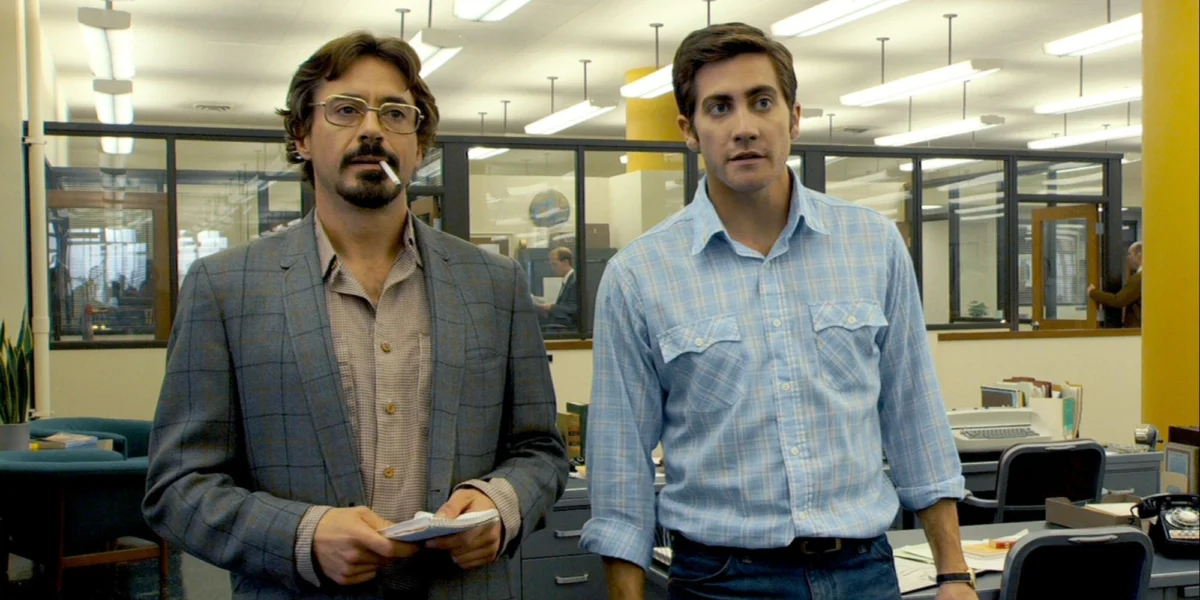
The thriller genre occupies a unique, often precarious position in the cinematic landscape. It is a category defined by its promise—a contract between the filmmaker and the audience to provide an experience that is not merely engaging, but psychologically indelible. Yet, even among well-produced films, there remains a discernible chasm between a "good" thriller and one that manages to haunt the viewer long after the credits roll.
Some films build tension that resonates with a steady, metronomic precision from the opening frame to the final shot. Others, despite a compelling premise, inevitably succumb to a mid-act slump, losing their narrative grip as they veer toward exposition or unnecessary spectacle. As one consumes more of the genre, the distinction between these two types becomes sharper. The films that approach perfection do not rely on cheap jump scares or the crutch of a "big twist." Instead, they rely on a rigorous, almost clinical control of storytelling. These ten films represent the pinnacle of that control, where every narrative thread is woven with intention, leaving almost nothing to chance.

The Anatomy of Suspense: A Chronological Retrospective
To understand how these films maintain their grip, one must look at their construction. Whether exploring the moral decay of suburban life or the clinical precision of a professional heist, these works share a common DNA: they respect the audience’s intelligence enough to let the tension simmer rather than boil over.
1974–1997: The Golden Era of Precision
The evolution of the modern thriller was profoundly shaped by the mid-70s and 90s, periods that saw a shift toward more cynical, character-driven narratives.
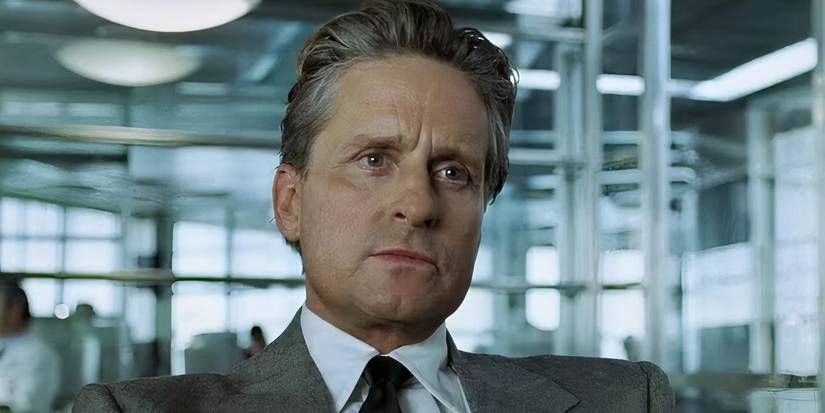
- Chinatown (1974): Roman Polanski’s masterpiece remains the benchmark for the neo-noir thriller. It begins as a standard private investigation in Los Angeles, but as Jack Nicholson’s Jake Gittes unravels the mystery of water rights and corruption, the film evolves into a tragedy of systemic power. The tension in Chinatown is not found in car chases, but in the slow, agonizing realization that some institutions are too large to be toppled by a single man.
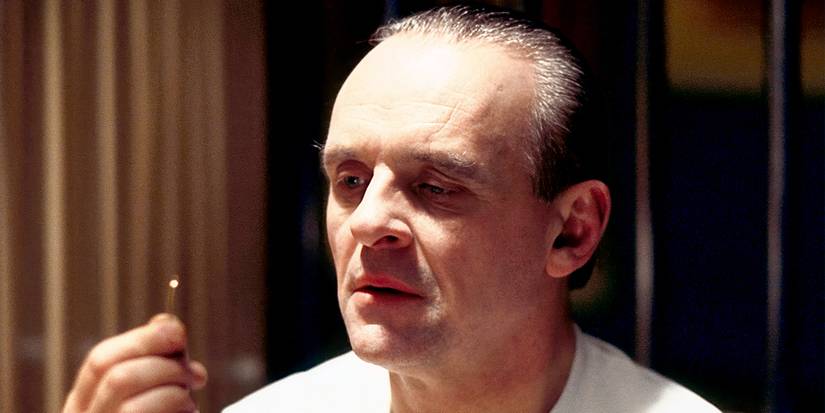
- The Silence of the Lambs (1991): Jonathan Demme’s psychological thriller redefined the protagonist-antagonist dynamic. By forcing the audience to view the world through the eyes of an FBI trainee (Jodie Foster) seeking counsel from a monster (Anthony Hopkins), the film creates a claustrophobic, intellectual tension that few films have replicated.
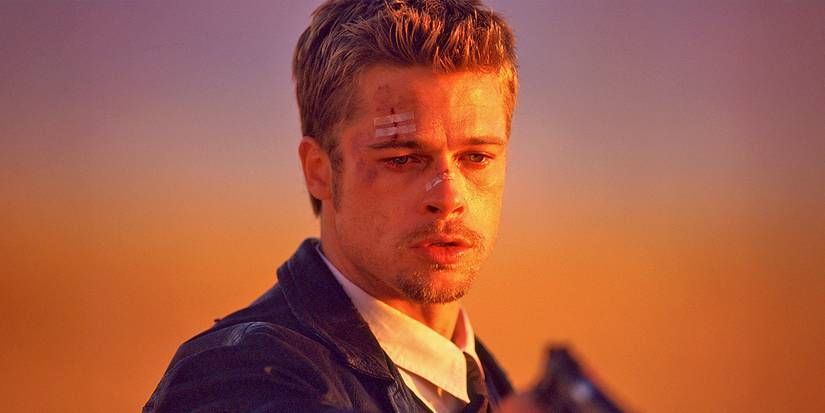
- Se7en (1995): David Fincher brought a new level of visual dread to the genre. By anchoring the narrative in the relationship between a world-weary detective (Morgan Freeman) and an impulsive rookie (Brad Pitt), the film turns a police procedural into a meditation on moral rot. The "Seven Deadly Sins" framework provides a relentless, ticking-clock momentum that forces the viewer into a state of permanent unease.
- Heat (1995): Michael Mann’s urban crime saga is perhaps the most precise study of professional obsession ever put to film. By mirroring the lives of a master thief (Robert De Niro) and a relentless detective (Al Pacino), Mann elevates the heist movie into a grand, operatic conflict. It is a masterclass in spatial awareness and patience, culminating in a shootout that feels earned rather than explosive.
- The Game (1997): David Fincher makes a second appearance on this list for his work on The Game. It is a film that weaponizes uncertainty. By stripping away the protagonist’s control, the film mirrors the audience’s own confusion, creating a feedback loop of suspicion that persists until the final, ambiguous resolution.
2007–2014: The Contemporary Standard
In the 21st century, the genre moved toward even greater internal focus, prioritizing atmosphere and character study over traditional plotting.
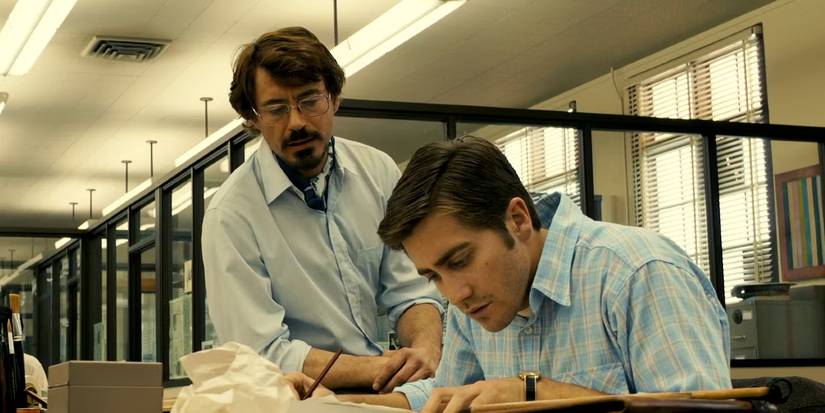
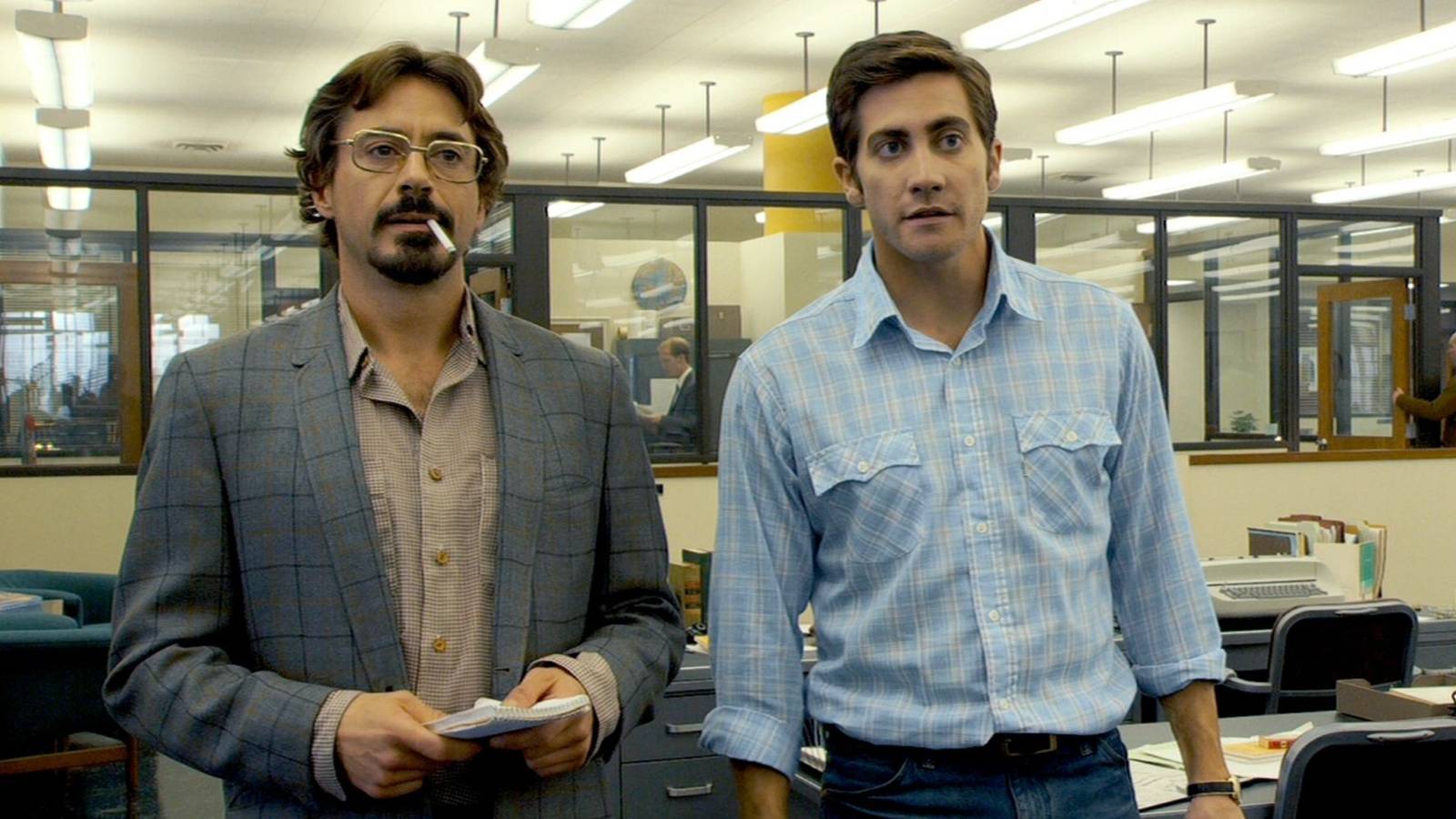
- Zodiac (2007): Fincher’s third entry, Zodiac, is the definitive film about the frustration of the unsolved. It rejects the catharsis of a traditional finale, instead focusing on how the search for truth can slowly erode the sanity of those who pursue it.
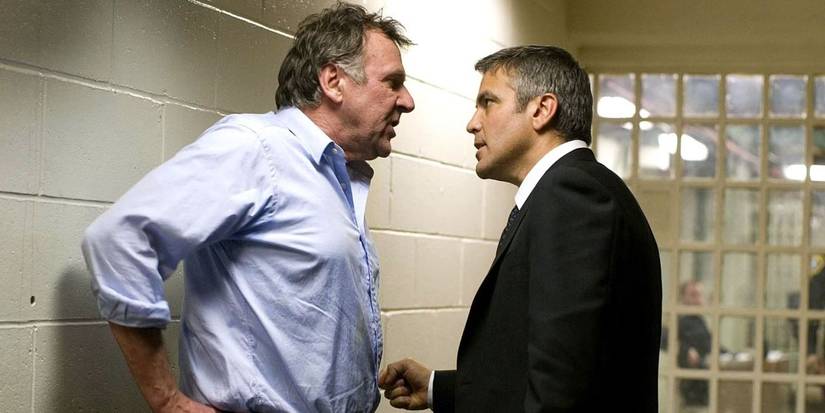
- Michael Clayton (2007): This legal thriller is a study in "fixer" culture. George Clooney’s performance as a man cleaning up the moral messes of a powerful law firm serves as the anchor for a story that is as much about personal redemption as it is about corporate malfeasance. It is quiet, deliberate, and devastatingly effective.
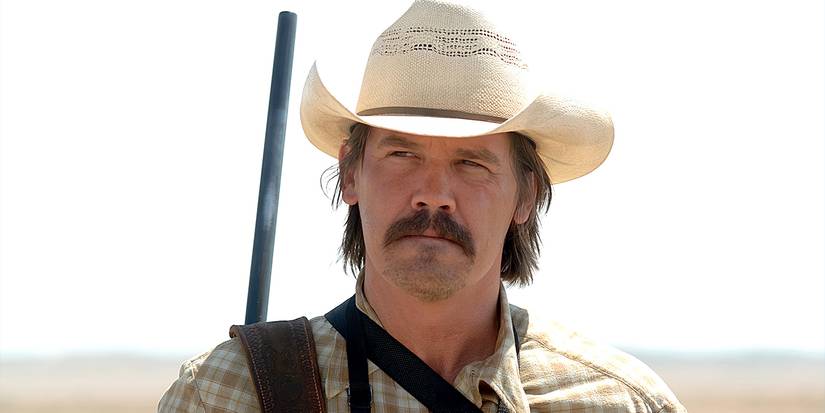
- No Country for Old Men (2007): The Coen Brothers’ adaptation of Cormac McCarthy’s novel is a masterclass in restraint. With almost no musical score and a villain (Javier Bardem) who functions as an elemental force of nature, the film strips the thriller down to its absolute, existential core: chance, violence, and the end of an era.
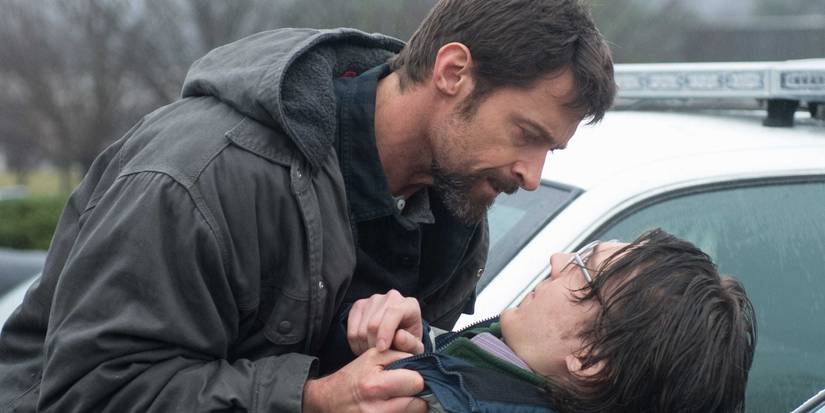
- Prisoners (2013): Denis Villeneuve’s exploration of kidnapping is a harrowing look at the limits of human morality. It asks how far a person will go when they believe they are in the right, maintaining a relentless pace that never feels exploitative, but rather profoundly heavy.
- Gone Girl (2014): A modern examination of media manipulation and marital warfare, Gone Girl subverts the "missing person" trope by shifting the perspective mid-film. It is a cynical, sharp, and perfectly structured look at how we construct personas for the sake of public consumption.
Supporting Data: Why These Films Endure
What binds these disparate films together is a shared philosophy regarding narrative structure. A survey of these titles reveals three recurring characteristics:
- The "Slow Burn" Coefficient: In each of these films, the most intense sequences are preceded by long periods of meticulous world-building. By the time the climax arrives, the audience is so invested in the characters’ psychological state that the stakes feel personal.
- Visual Autonomy: In Heat, the sound design of the gunfire; in Se7en, the perpetual rain and dim lighting; in Zodiac, the obsessive archival detail. These films use the environment as an antagonist, creating a sense of inescapable pressure.
- The Absence of Resolution: Nearly every film on this list—particularly Zodiac, No Country for Old Men, and Chinatown—refuses to provide a "clean" ending. They leave the audience in a state of contemplation rather than closure, which is the hallmark of a truly great thriller.
Official Responses and Critical Legacy
Critics often cite these films as the "gold standard" for directors entering the thriller space. Academic analysis of Heat often highlights its influence on the modern action sequence, while The Silence of the Lambs is frequently studied for its groundbreaking use of the "gaze"—how the camera captures the vulnerability of the protagonist vs. the predator.

The Academy of Motion Picture Arts and Sciences has historically been hesitant to reward pure thrillers with "Best Picture" status, yet these films remain the most consistently rented and watched titles in library archives. Their legacy is not measured in box office opening weekends, but in their "long tail" popularity—the way they are rediscovered by each new generation of film students and enthusiasts.
Implications for the Genre
The modern thriller is currently at a crossroads. With the rise of streaming platforms, there is a temptation to prioritize rapid pacing and episodic cliffhangers. However, the endurance of these ten films proves that audiences still crave the slow, deliberate, and highly controlled experience.
The implication for future filmmakers is clear: the most effective tension is not that which is manufactured through rapid cuts, but that which is earned through the slow accumulation of dread. When a director trusts the audience to sit with a character’s silence, a mystery’s ambiguity, or the inevitable weight of a moral choice, the result is not just a film, but a permanent fixture in the cinematic canon.
As we look toward the future, the thrillers that will stand the test of time will be those that, like the masterpieces listed here, recognize that the most terrifying thing in the world is not what is hidden in the dark, but what is hidden in plain sight.

 Dwi Wanna
 Nana
Nana