

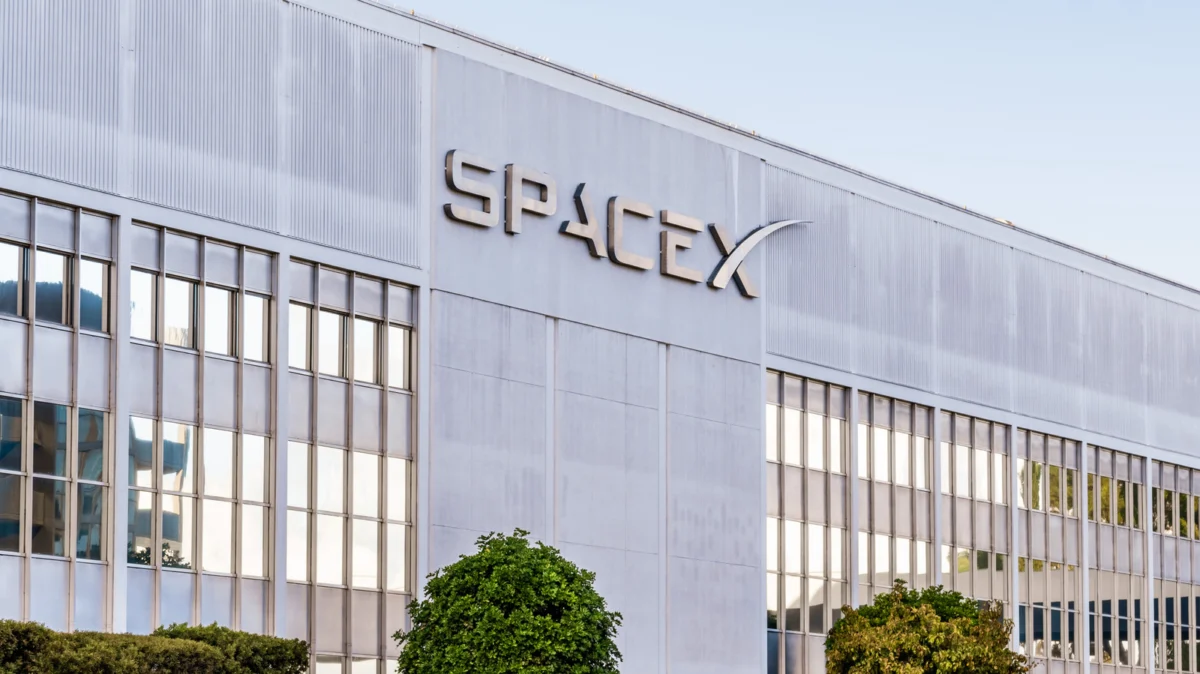
In a move that signals a paradigm shift for the future of global digital infrastructure, Google is reportedly engaged in high-level negotiations with SpaceX to facilitate the deployment of orbital data centers. This ambitious endeavor, which blurs the lines between competing tech giants, aims to solve the growing energy and infrastructure constraints of terrestrial artificial intelligence (AI) processing by moving compute power beyond the Earth’s atmosphere.
The collaboration, first reported by The Wall Street Journal, represents a convergence of two distinct visions for the future of the internet. While Google seeks to expand its "Project Suncatcher" initiative, SpaceX—led by Elon Musk—has signaled its own intent to dominate the orbital compute landscape through its xAI integration.
The Genesis of Project Suncatcher: A New Frontier
Google’s interest in space-based infrastructure is not a sudden pivot but the culmination of a long-term research initiative known as "Project Suncatcher." First unveiled to the public in November, the project explores the feasibility of scaling AI infrastructure in low Earth orbit (LEO).
The primary driver behind this move is the sheer power demand of modern large language models (LLMs). As AI models grow in complexity, the energy requirements for data centers on Earth are reaching unsustainable levels, often straining local power grids and sparking environmental concerns. Google, among other hyperscalers, views space as a potential "infinite" venue for cooling and renewable solar energy collection.
A Chronology of the Orbital Data Shift
- November 2023: Google officially announces "Project Suncatcher," framing it as a moonshot initiative to explore space-based scalable AI infrastructure. Sundar Pichai publicly predicts that orbital data centers will become a standard industry practice within the next decade.
- February 2024: The landscape shifts dramatically when Elon Musk announces the merger of SpaceX and his AI venture, xAI. Musk reveals an aggressive roadmap to launch up to 1 million orbital data satellites, claiming that space-based compute will be the most cost-effective method for AI training and inference within three years.
- Early-to-Mid 2024: Following the xAI announcement, reports emerge that Google is actively seeking launch partners to move beyond its existing collaboration with Planet Labs. Negotiations with SpaceX begin, despite the clear competitive overlap between Google and Musk’s various ventures.
- Current Status: Discussions remain ongoing. While no definitive contract has been signed, the involvement of other launch providers alongside SpaceX suggests Google is hedging its bets to ensure launch capacity in an increasingly crowded orbital environment.
The Technical Hurdles: Can AI Survive the Vacuum?
While the prospect of orbital data centers sounds like science fiction, the engineering reality is fraught with significant technical obstacles. Experts have raised alarms regarding the viability of high-performance computing (HPC) in space.
The Radiation Problem
Data centers on Earth are protected by the planet’s magnetosphere and atmosphere. In orbit, semiconductors are exposed to constant, high-energy cosmic radiation. These particles can cause "bit flips"—errors in binary calculations—that are catastrophic for AI inference. Hardening hardware against this radiation requires specialized shielding, which adds weight and cost, potentially negating the efficiency gains of moving to space.
The Thermodynamics of a Vacuum
Perhaps the greatest challenge is heat dissipation. On Earth, liquid cooling and industrial-grade HVAC systems move heat away from processors. In the vacuum of space, convection is impossible. Heat can only be dissipated through radiation, an incredibly slow process. Keeping a GPU cluster cool while it runs high-intensity AI workloads requires massive, unfolding radiator panels that increase the physical size and complexity of satellites, making them more susceptible to collisions.
Official Responses and Strategic Positioning
The silence from Google and SpaceX regarding the specifics of their negotiations is tactical. For Google, the project is a defensive play; by partnering with the provider that effectively controls the LEO launch market, they secure their path to the future.
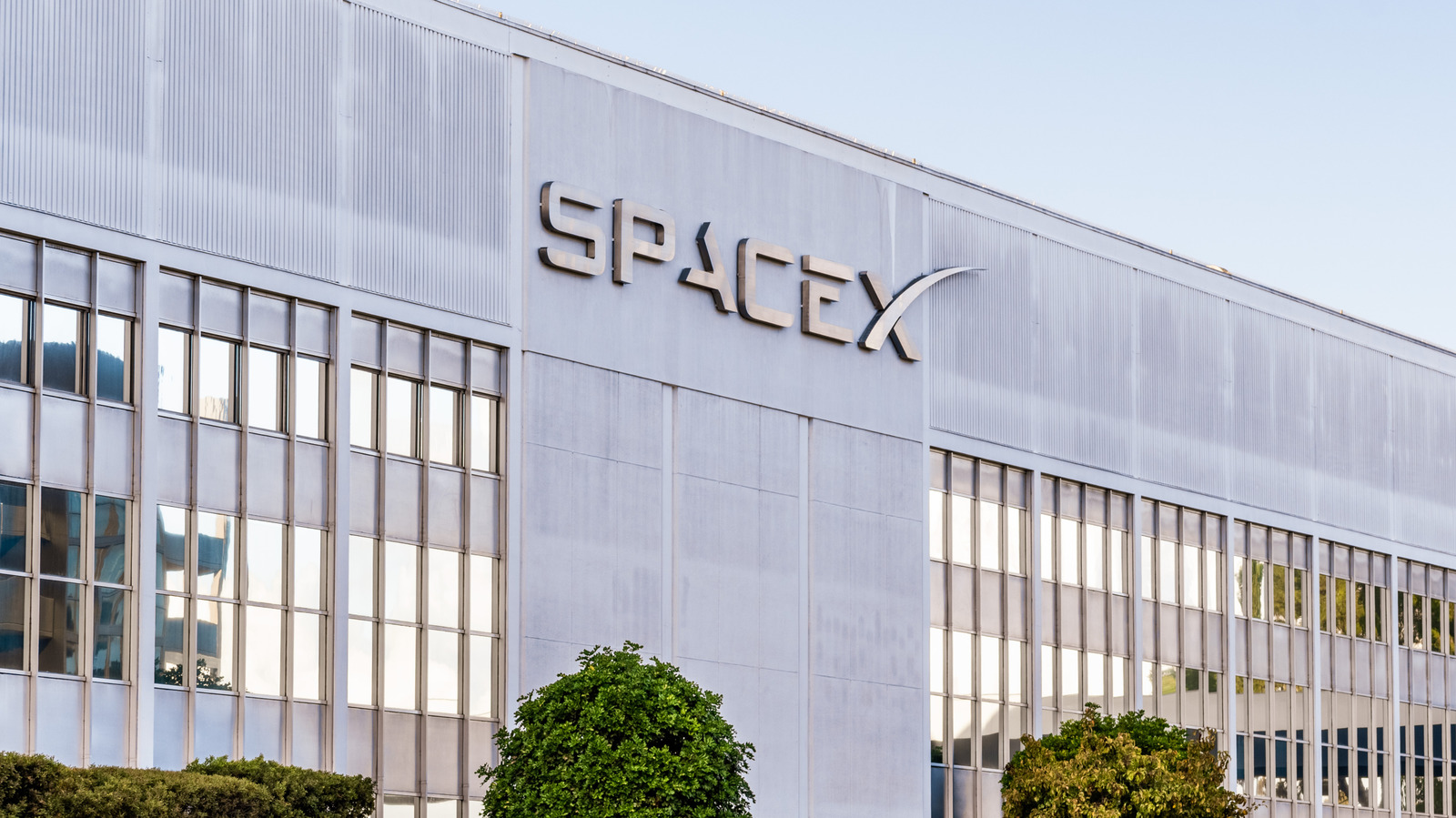
Sundar Pichai’s rhetoric has been consistent: "There’s no doubt to me that a decade or so away, we’ll be viewing it as a more normal way to build data centers." This long-term outlook is shared by Musk, who emphasizes the economic inevitability of the move. For Musk, SpaceX’s role as the "trucking company" of the orbital economy ensures that regardless of who owns the compute, he owns the access.
Broader Implications: Sustainability and Geopolitics
The move toward orbital data centers carries consequences that extend far beyond technical feasibility.
Environmental Impact
Critics point to the irony of using space to solve Earth’s energy crisis. The chemical exhaust from thousands of rocket launches per year is known to cause ozone depletion and alter the upper atmosphere. Furthermore, the "launch footprint" of mass-producing millions of satellites—using rare earth metals and energy-intensive manufacturing processes—raises questions about whether this initiative is truly greener than terrestrial alternatives.
The "Kessler Syndrome" Risk
The most daunting implication is the threat of space debris. If millions of satellites are deployed, the probability of collisions increases exponentially. A "Kessler Syndrome" scenario—where a single collision creates a cascade of debris that destroys other satellites—could effectively lock humanity out of orbit for generations. Governments and international regulatory bodies are currently ill-equipped to manage the traffic of millions of active, heat-generating computing nodes.
Sovereignty and Latency
Orbital data centers would fundamentally change the geography of the internet. By placing compute resources directly above the users, companies could theoretically reduce latency for global AI services to near-zero. However, this also introduces geopolitical friction. Does a satellite owned by a U.S. company hovering over a sovereign nation constitute a jurisdictional issue? The legal frameworks surrounding data privacy and sovereignty in space are virtually non-existent, setting the stage for future international disputes.
Conclusion: A High-Risk, High-Reward Moonshot
The negotiations between Google and SpaceX underscore a shift in the tech sector from optimizing existing infrastructure to reimagining the physical location of the internet. If successful, the initiative could redefine human civilization as an orbital-computing-capable species.
However, the technical risks—radiation, thermal management, and launch reliability—coupled with the environmental and regulatory dangers, make this one of the most perilous projects in corporate history. Whether this is the future of global AI or a costly, unsustainable diversion remains to be seen. For now, the world watches the sky, waiting to see if the next generation of cloud computing will be delivered from the stars or grounded by the realities of orbital physics.












No comments yet. Be the first to join the conversation!