Nana Muazin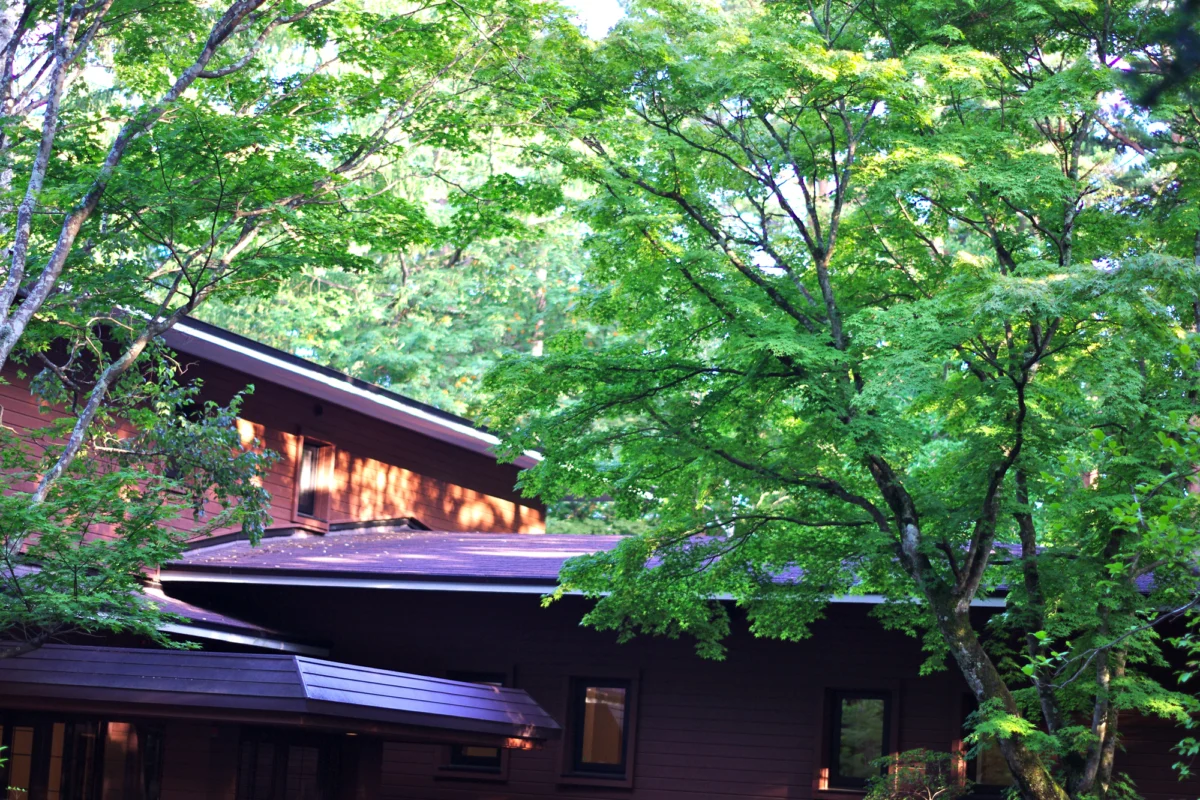
When the brutal, sweltering heat of August descends upon Japan, a distinct divergence emerges in travel patterns. While the vast majority of international visitors flock to the “Golden Route”—the air-conditioned urban corridors of Tokyo, Kyoto, and Osaka—the local population moves in the opposite direction. Japanese travelers are increasingly retreating from the heat-soaked cities, seeking refuge in hisho-chi (避暑地), or highland resorts. These mountain getaways are not merely vacation spots; they are a deep-rooted cultural tradition, offering a respite where cool breezes and alpine scenery replace the oppressive humidity of the urban plains.
The Genesis of a Highland Tradition
The concept of the hisho-chi is steeped in history, born from a blend of colonial influence and imperial endorsement. The transformation of Japan’s mountain villages into summer retreats began in earnest during the Meiji Era, a time when Japan was actively opening its doors to Western culture and influence.
Karuizawa: The Blueprint of the Highland Resort
In 1886, a Canadian missionary named Alexander Croft Shaw visited Karuizawa, a town nestled in the Nagano Prefecture. Struck by the crisp air and the ethereal, verdant beauty of the landscape, Shaw realized the area was a perfect antidote to the suffocating summers of the lower regions. He commissioned the construction of a villa—referred to in Japanese as a pension—and the trend ignited rapidly.
The appeal was both atmospheric and practical. As the mountainous terrain provided natural cooling, the 1893 completion of the Usui New Railway provided the necessary infrastructure, creating a rapid, reliable link from the heart of Tokyo to the cool, high-altitude sanctuary of Karuizawa. Within just five decades, the town’s landscape was irrevocably altered, evolving from a quiet mountain outpost into a thriving hub of nearly 1,200 villas.
Imperial Endorsement and Expansion
The popularity of these regions was solidified in the 1920s when the Imperial family bestowed their favor upon them. Crown Prince Hirohito, later Emperor Showa, became enamored with the highland scenery of Nasu in Tochigi Prefecture. His decision to build the Nasu Imperial Villa effectively cemented the prestige of highland living. For the Japanese elite, the hisho-chi became more than a retreat; it became a status symbol. Subsequent generations of the Imperial family have continued to spend summers in these mountain enclaves, further anchoring the hisho-chi in the national consciousness as a premier, aristocratic getaway.
The Evolution of the Highland Home: A Modern Luxury
The hisho-chi of the 21st century has undergone a profound transformation. What once began as humble missionary cabins has evolved into a high-end real estate market that mirrors international luxury destinations.
Karuizawa as the "Hamptons of Japan"
Today, Karuizawa stands as the undisputed king of Japanese highland resorts. Surveys conducted by travel industry leaders like NEWT and Hankyu Travel consistently place it at the top of the list for domestic summer travel. The town has become a hotbed for luxury, with summer villas ranging in price from an average of ¥200 million (approximately $1.2 million USD) to astronomical figures reaching ¥2 billion ($12 million USD).
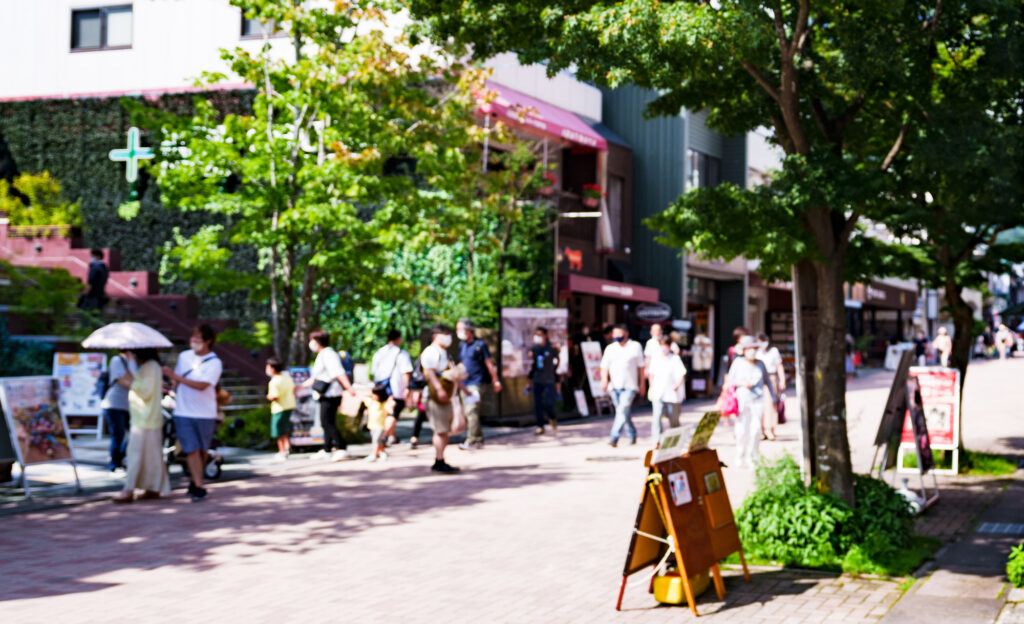
This demand has had a tangible impact on the local economy. Land values in Karuizawa have held the top position in Nagano Prefecture for three consecutive years, with benchmark prices climbing 11.2% year-on-year. This influx of capital has transformed the town into a sophisticated retreat for the wealthy, effectively functioning as the “Hamptons of Japan.” While ryokan (traditional Japanese inns) remain prevalent, the trend is shifting toward exclusive, private ownership and high-end rentals that cater to those seeking seclusion and luxury.
The Friction Between Tourism and Tranquility
The rise of the hisho-chi has not been without its challenges, particularly as the line between a "summer retreat" and a "tourist hotspot" begins to blur.
The Nikko Example: When Popularity Backfires
Nikko once held the potential to become Japan’s premier international summer resort. By the early Showa era, the shores of Lake Chuzenji were lined with over 40 foreign embassy villas. With its deep cultural significance—exemplified by the Toshogu Shrine—Nikko was naturally positioned to be more than just a destination for escaping the heat.
However, its success became its undoing. As international tourism exploded, the very crowds that sought to enjoy the atmosphere began to drive away the domestic travelers who cherished the region’s tranquility. In 2024, Nikko saw nearly 2 million visitors, with foreign overnight stays reaching record highs. The result is a shift in identity: Nikko is no longer a quiet hisho-chi, but a high-traffic tourist destination.
The Emerging Risk in Hakone
Hakone is currently facing a similar trajectory. With 20 million visitors in 2024 and an eighth of those stays attributed to international travelers, the local demographic is shifting. A concerning indicator for those invested in the "retreat" culture is the real estate market; reports from industry magazines suggest that over half of the inquiries regarding vacant properties in Hakone are from operators looking to establish short-term rentals. This pivot toward mass tourism, often prioritized by local governments to capture global revenue, threatens the quiet, exclusive nature that historically defined the hisho-chi.
Management Strategies: Combating Overtourism
To avoid the fate of becoming overcrowded, event-driven tourist traps, many highland regions are adopting aggressive management strategies. Unlike cities that rely on festivals or specific events to spike tourist numbers, hisho-chi rely on long-term, repeat visitors who are invested in the preservation of the environment.
The Kamikochi Model: Restrictive Access
Kamikochi, a stunning alpine valley, serves as the gold standard for sustainable tourism in Japan. Throughout the entire open season, the region maintains a strict ban on private vehicles. Visitors must park their cars at designated areas outside the valley and rely on shuttle buses to enter. While this may seem inconvenient to the casual traveler, it is an essential mechanism for preventing the gridlock and environmental degradation that currently plague other small villages, such as Shirakawa-go. By limiting the volume and nature of traffic, Kamikochi ensures that the experience remains peaceful and the natural beauty remains intact.
Diversification and Glamping
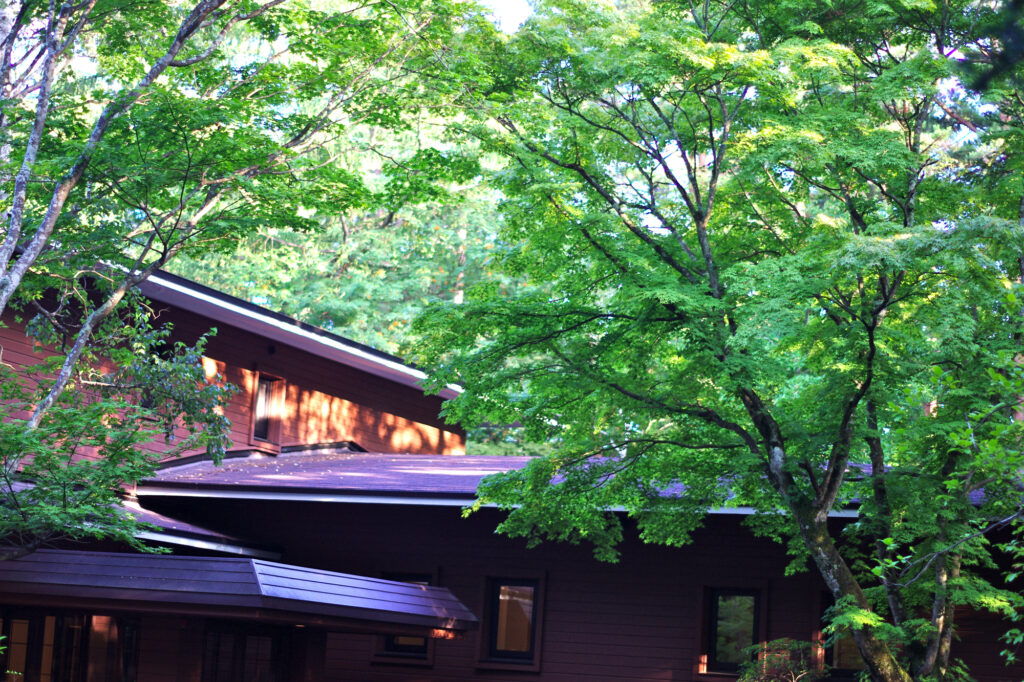
Other regions, like Atami, are successfully blending traditional resort appeal with modern trends. While traditionally known for its onsen (hot springs), ocean views, and a sense of "Showa-era" nostalgia, the region has leveraged its highland areas like Jukoku-toge to attract a new generation of travelers. By introducing high-end glamping accommodations, these areas provide the cooling benefits of high elevation while diversifying their appeal, drawing in visitors who want both the comfort of modern amenities and the serenity of the mountains.
Implications for the Future of Japanese Travel
The divide between the “Golden Route” and the hisho-chi highlights a fundamental truth about Japan’s tourism sector: there are two distinct markets operating in parallel.
For the international traveler, the Golden Route offers the convenience and historical synthesis they crave. For the domestic traveler, the hisho-chi remains a necessary sanctuary. The challenge for local municipalities in the coming decade will be to navigate the economic pressures of overtourism without sacrificing the very qualities—silence, climate, and privacy—that make the highland resort an essential component of Japanese life.
As real estate values in areas like Karuizawa continue to soar and the "vacation rental" model threatens the traditional villa culture in regions like Hakone, the future of the hisho-chi depends on a delicate balance. If these towns succumb to the pressure of mass tourism, they risk losing their status as elite retreats. However, if they follow the path of Kamikochi—prioritizing visitor management and environmental sustainability—they will likely remain the crown jewels of the Japanese summer for generations to come.
Ultimately, the hisho-chi remains a secret whispered among those in the know. It is not just about visiting a new place; it is about knowing where the best already is, and having the discipline to keep it that way.


 Neng Nana
 Asro
Asro