

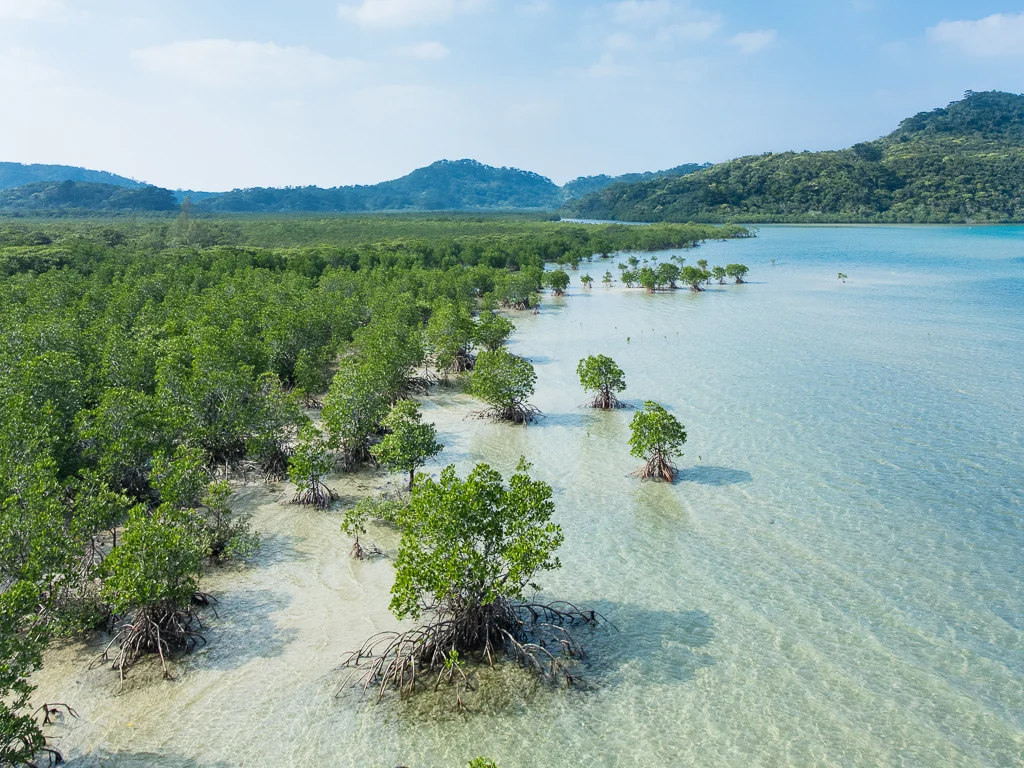
The Yaeyama Islands (Yaeyama Shotō) represent the final, sweeping arc of the Japanese archipelago before the East China Sea yields to the waters surrounding Taiwan. Located 400 kilometers southwest of Okinawa’s main island, these 12 islands form a distinct cultural and biological enclave that feels worlds away from the neon-lit corridors of Tokyo or the historical shrines of Kyoto. As international travelers increasingly look beyond the "Golden Route," the Yaeyama group has emerged as a premier destination for those seeking a fusion of rugged wilderness, Ryukyuan heritage, and world-class marine biodiversity.
Main Facts: Navigating the Southernmost Reach
The Yaeyama Islands are not merely a collection of beaches; they are a distinct geographic and cultural zone. Politically part of Japan, they nonetheless maintain a linguistic and culinary identity rooted in the former Ryukyu Kingdom.
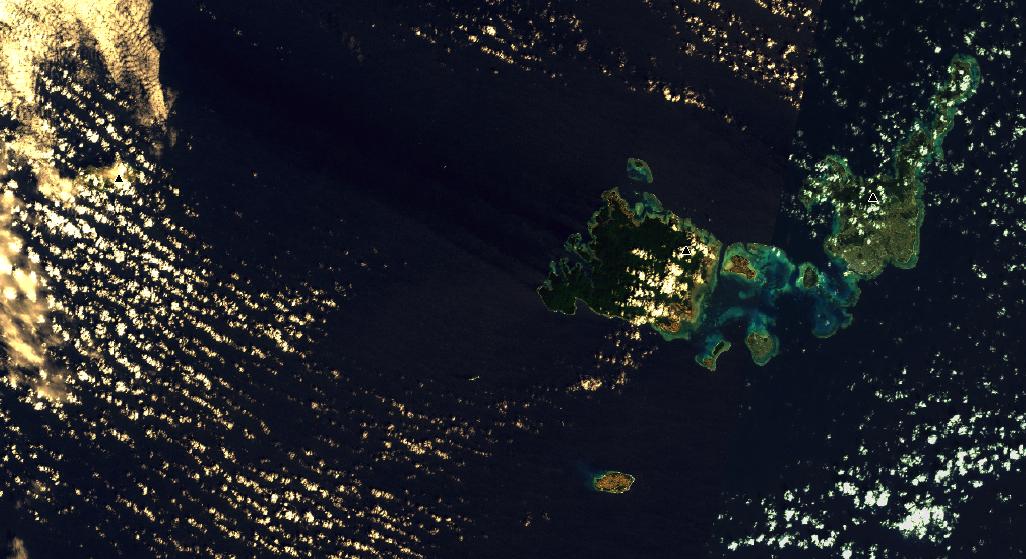
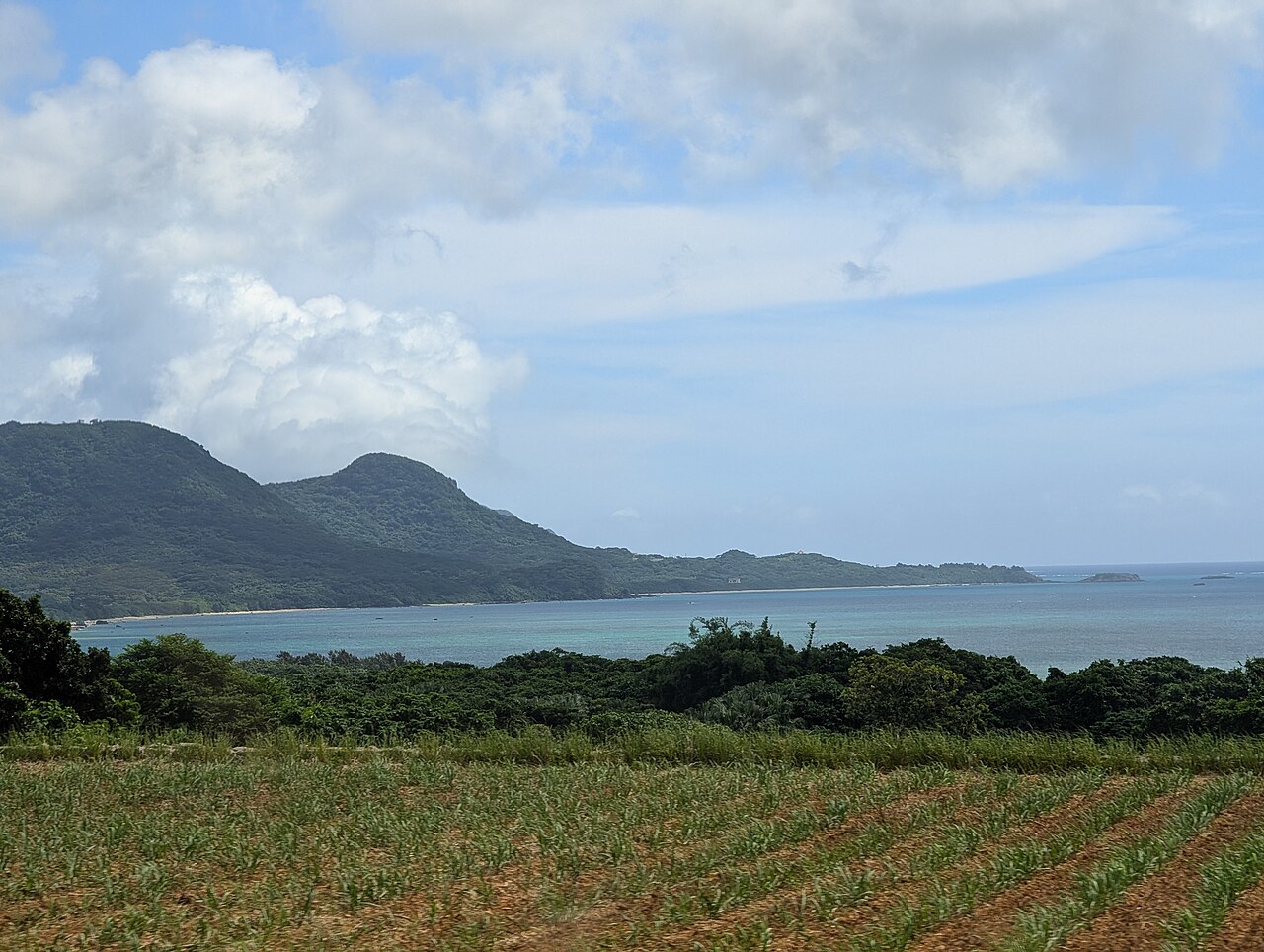
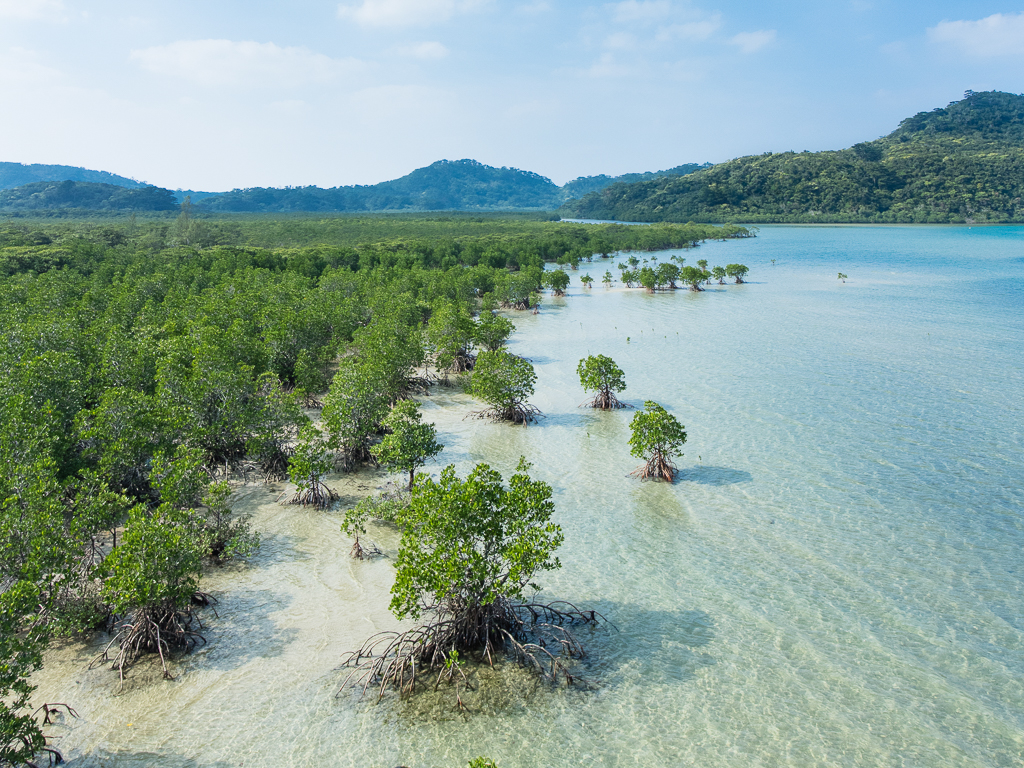
- Geography: Subtropical forests, mangrove estuaries, and expansive coral reefs define the landscape.
- Biodiversity: Iriomote is home to the endemic Iriomote wildcat (yamaneko), a critically endangered species.
- Cultural Preservation: Villages on Taketomi and other smaller islands have strictly maintained traditional architecture—red-tile roofs, stone walls, and sand-paved streets—since before the 1879 Japanese annexation.
- Accessibility: Ishigaki acts as the central hub, hosting the primary airport and ferry terminal. Most inter-island transit is conducted via a sophisticated network of fast ferries.
A Chronological Perspective: From Kingdom to Frontier
The history of the Yaeyamas is defined by isolation and the slow, deliberate layering of influences. Before the 1879 annexation, these islands were a vital maritime link in the Ryukyu Kingdom’s trade network, connecting China, Japan, and Southeast Asia.
Following the annexation, the region maintained its cultural autonomy through deep-rooted agricultural and spiritual practices. Throughout the 20th century, the islands remained largely agricultural—focused on sugarcane, pineapple, and beef production. It is only in the last two decades that the "Yaeyama scene" has matured into a sustainable tourism model. The opening of the new Ishigaki Airport in 2013 was a pivotal moment, allowing for larger, direct aircraft from Tokyo and Osaka, effectively shrinking the distance between the mainland and the tropics.
Supporting Data: Why Yaeyama Commands Attention
The appeal of the Yaeyamas is backed by significant environmental and tourism statistics:
- Marine Dominance: The coral reefs surrounding Ishigaki are among the most accessible and pristine in Asia. The "Manta Scramble" off the coast of Kabira Bay remains one of the world’s most reliable sites for encountering reef manta rays.
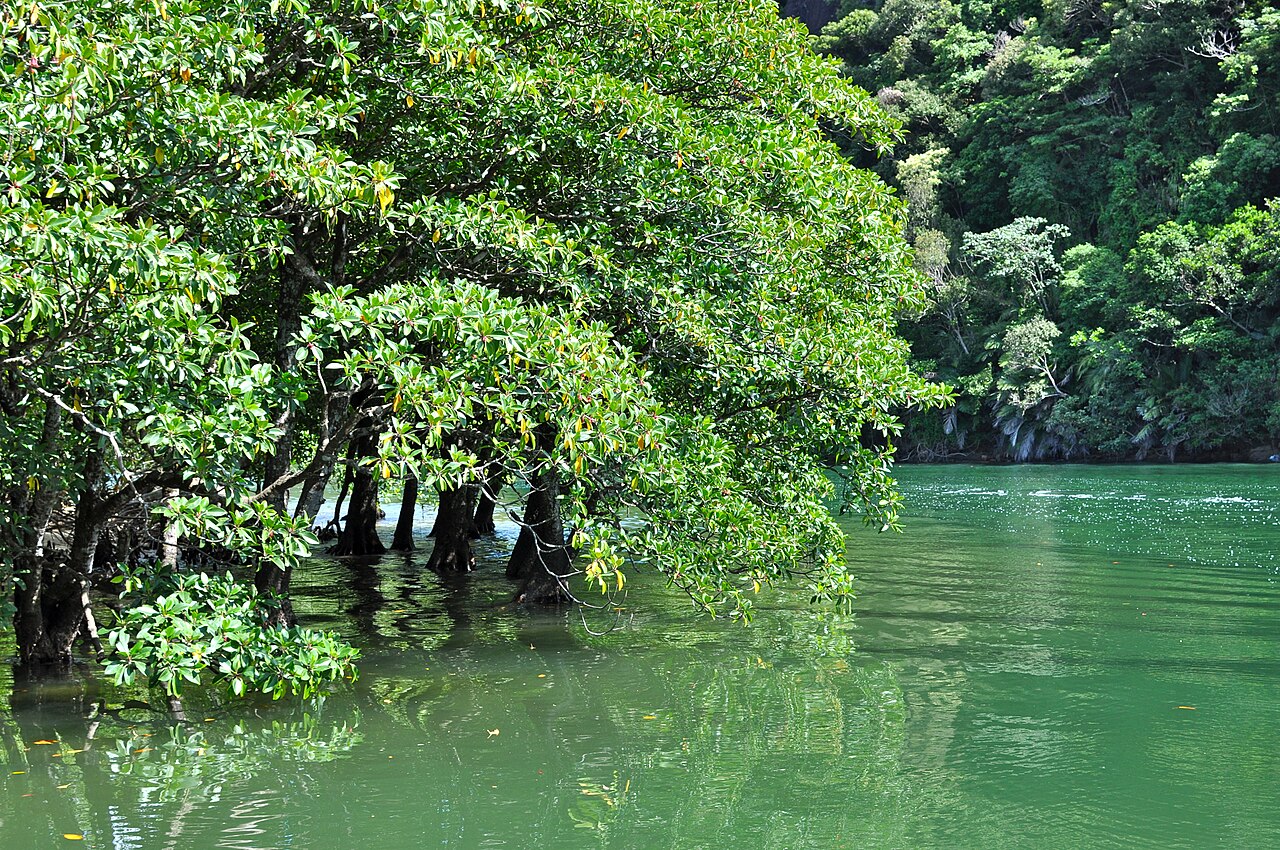
- Mangrove Density: Iriomote possesses roughly 50% of all mangrove forests found in Japan. This 3,000-hectare ecosystem is not only a tourist attraction but a vital carbon sink and nursery for marine life.
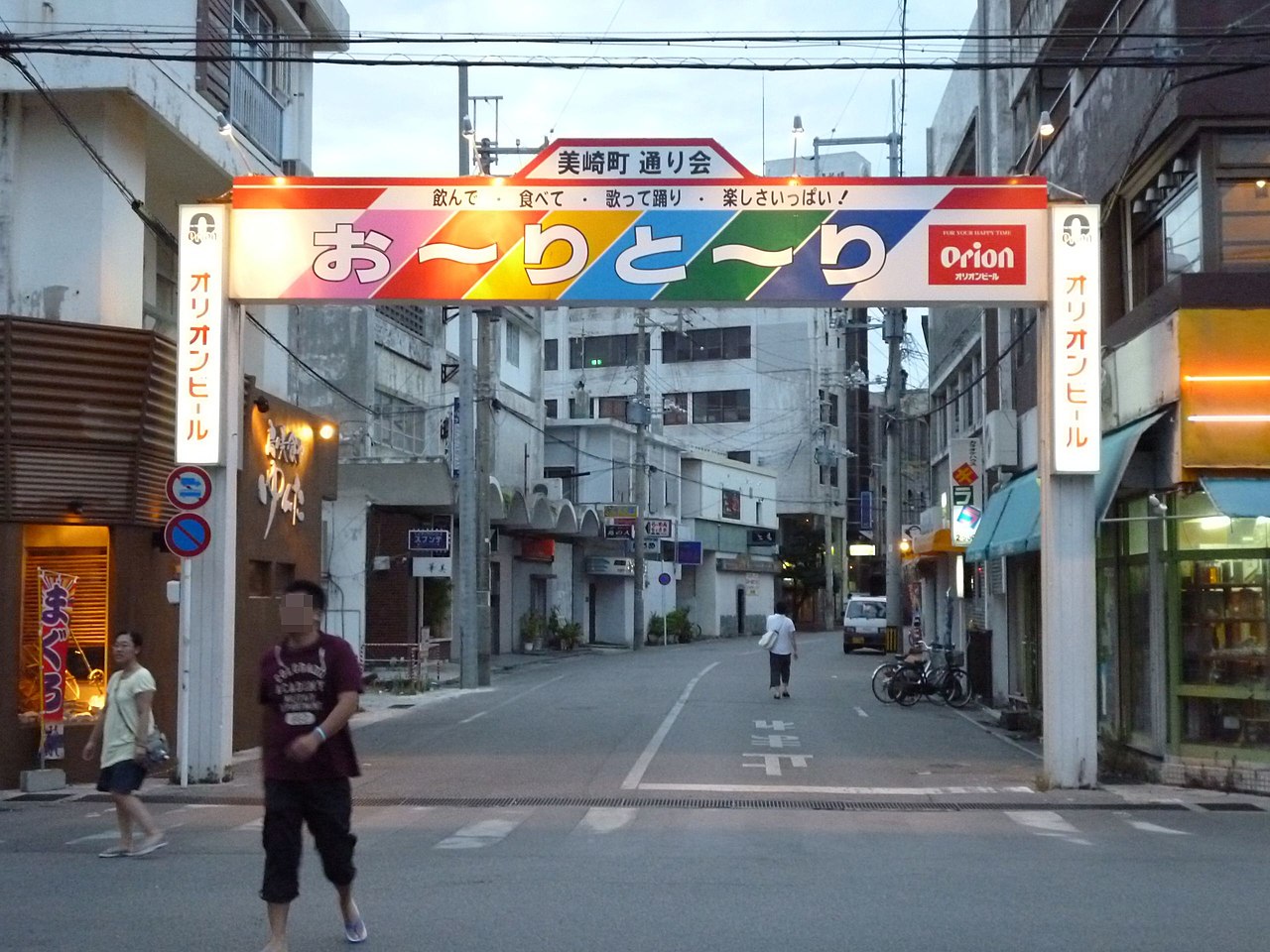
- Tourism Infrastructure: While Ishigaki supports a population of 48,000, the smaller islands remain sparsely populated. For instance, Taketomi houses only 360 residents, maintaining an authentic atmosphere that would be impossible to replicate in more commercialized regions.
- Economic Drivers: The local economy has shifted from a reliance on cattle farming and sugar to a hybrid model where high-end "boutique" tourism sustains the local population.
Official Responses and Conservation Efforts
The Japanese government and local prefectural authorities have implemented stringent regulations to prevent the degradation of this fragile environment. The Iriomote-Ishigaki National Park is heavily protected, with strict limits on how many visitors can access certain mangrove channels.
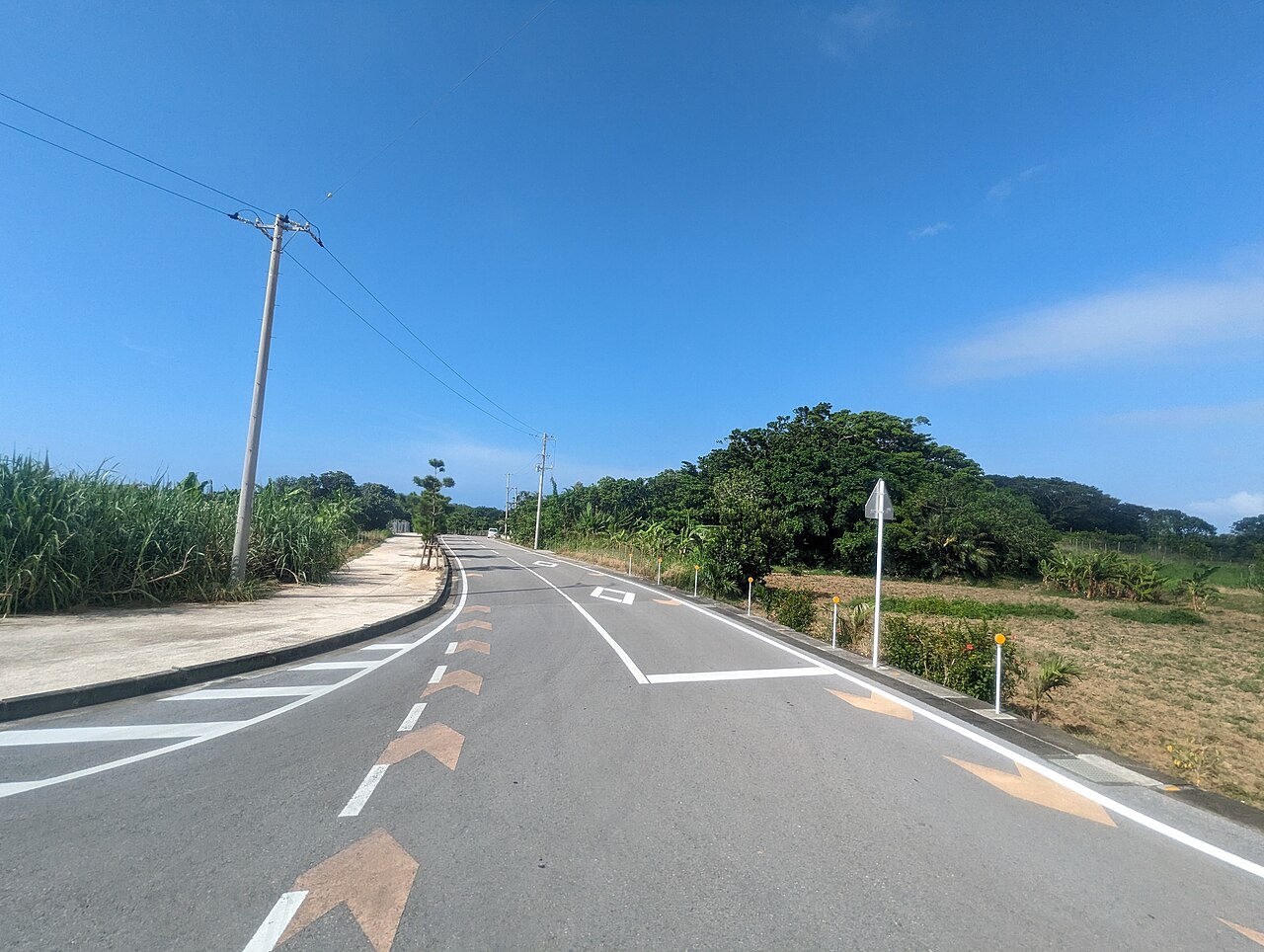
- The Wildcat Protocol: The local government enforces reduced speed limits on Iriomote’s roads specifically to prevent traffic-related fatalities of the Iriomote wildcat. Public education campaigns are mandatory for rental car agencies, which must brief visitors on wildlife crossing protocols.
- Building Ordinances: On Taketomi, local ordinances strictly forbid the use of modern concrete or standard construction materials in the historic village core. All repairs must adhere to traditional techniques, ensuring that the "museum-perfect" aesthetic is not just a facade, but a living reality.
- Water Management: As tourism increases, the local government has invested in advanced waste-water treatment and coral-safe sunscreen initiatives to protect the reefs from chemical runoff.
Implications for Future Travel
For the modern traveler, the Yaeyama Islands represent a high-commitment, high-reward destination. The implications for planning a trip are significant:
1. The Logistics of Isolation
The transit time from Tokyo is substantial. A visitor should expect a full day of travel to reach the archipelago. This makes the Yaeyamas less suited for "weekend getaways" and better suited for extended stays. The weather, particularly during the typhoon season (August to September), can cause sudden, prolonged ferry cancellations. Travelers are advised to build "buffer days" into their itineraries.
2. The Cultural Exchange
The Yaeyama language (Yaeyama-go) is distinct from mainland Japanese. While English is spoken in major hotels and by tour operators in Ishigaki, a basic understanding of Japanese—or the use of translation apps—is essential when visiting the outer islands like Yonaguni or Hateruma. This is a region where the pace of life is dictated by the tides and the ferry schedule, not by the clock.
3. The "Second-Trip" Paradigm
While the Yaeyamas are beautiful, they are not the stereotypical "first-trip" destination for a Japan novice. First-timers often find themselves overwhelmed by the lack of English signage and the logistical complexity of island hopping. However, for the veteran Japan traveler, the archipelago offers the final frontier of the country: a place where the air is heavy with the scent of sea salt and ginger, and where the culture feels ancient, independent, and fiercely protected.
Deep-Dive: The Outer Islands
While Ishigaki is the gateway, the "soul" of the archipelago lies in the outliers:
- Kohama: Known for its rolling sugarcane hills and resort-style relaxation, this island offers a middle ground between the bustle of Ishigaki and the wildness of Iriomote.
- Kuroshima: Often called "Cow Island," its economy is dominated by cattle. It offers a pastoral, quiet experience for those interested in rural Japanese agricultural life.
- Hateruma: As the southernmost inhabited point of Japan, it is a pilgrimage site for stargazers. Its remote location makes it a sanctuary for those looking to disconnect from the digital world.
- Yonaguni: The most rugged of the group. Its proximity to Taiwan and its mysterious underwater rock formations make it a favorite for divers and those with an interest in geology and maritime history.
Final Verdict: Is It Time to Go?
If your objective is to experience a side of Japan that defies the narrative of modern skyscrapers and bullet trains, the answer is a resounding yes. The Yaeyama Islands are a testament to Japan’s incredible diversity. From the star-shaped sand of Hoshizuna-no-hama to the ancient red-tile roofs of Taketomi, the archipelago offers a profound look at a culture that has successfully balanced the pressures of modern tourism with the duty of preservation.
For the visitor willing to navigate the ferries, respect the local ecology, and embrace the slower, more deliberate rhythm of island life, the Yaeyamas offer an unforgettable immersion into the subtropical heart of the Pacific. Prepare for the humidity, respect the wildlife, and leave the schedule at the ferry terminal—the islands are waiting on their own terms.












No comments yet. Be the first to join the conversation!