Asro
Asro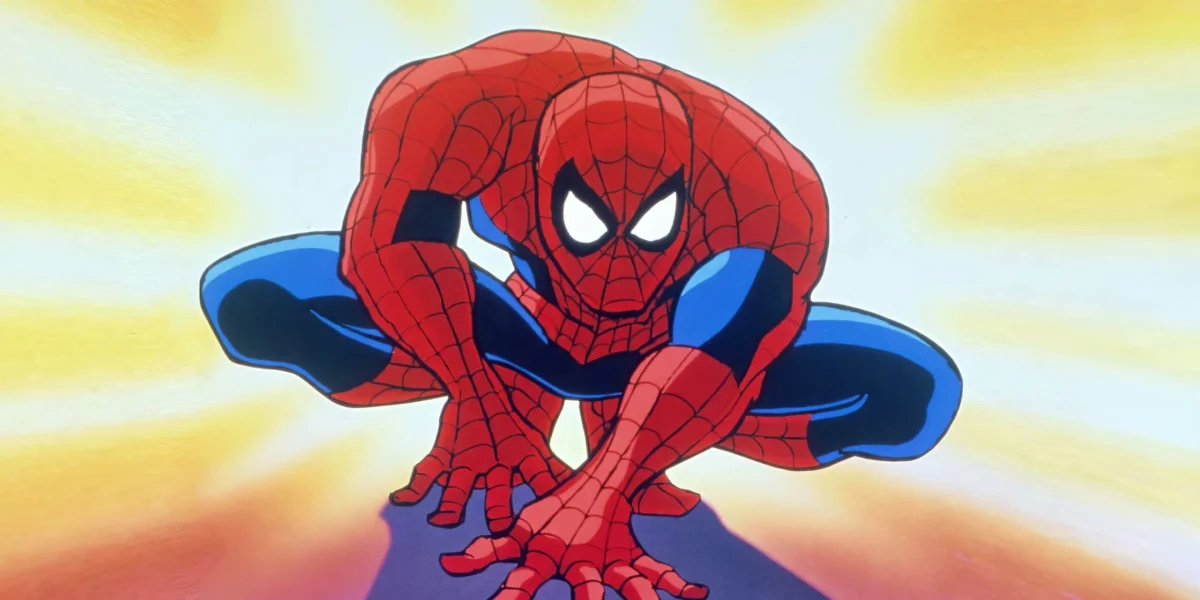
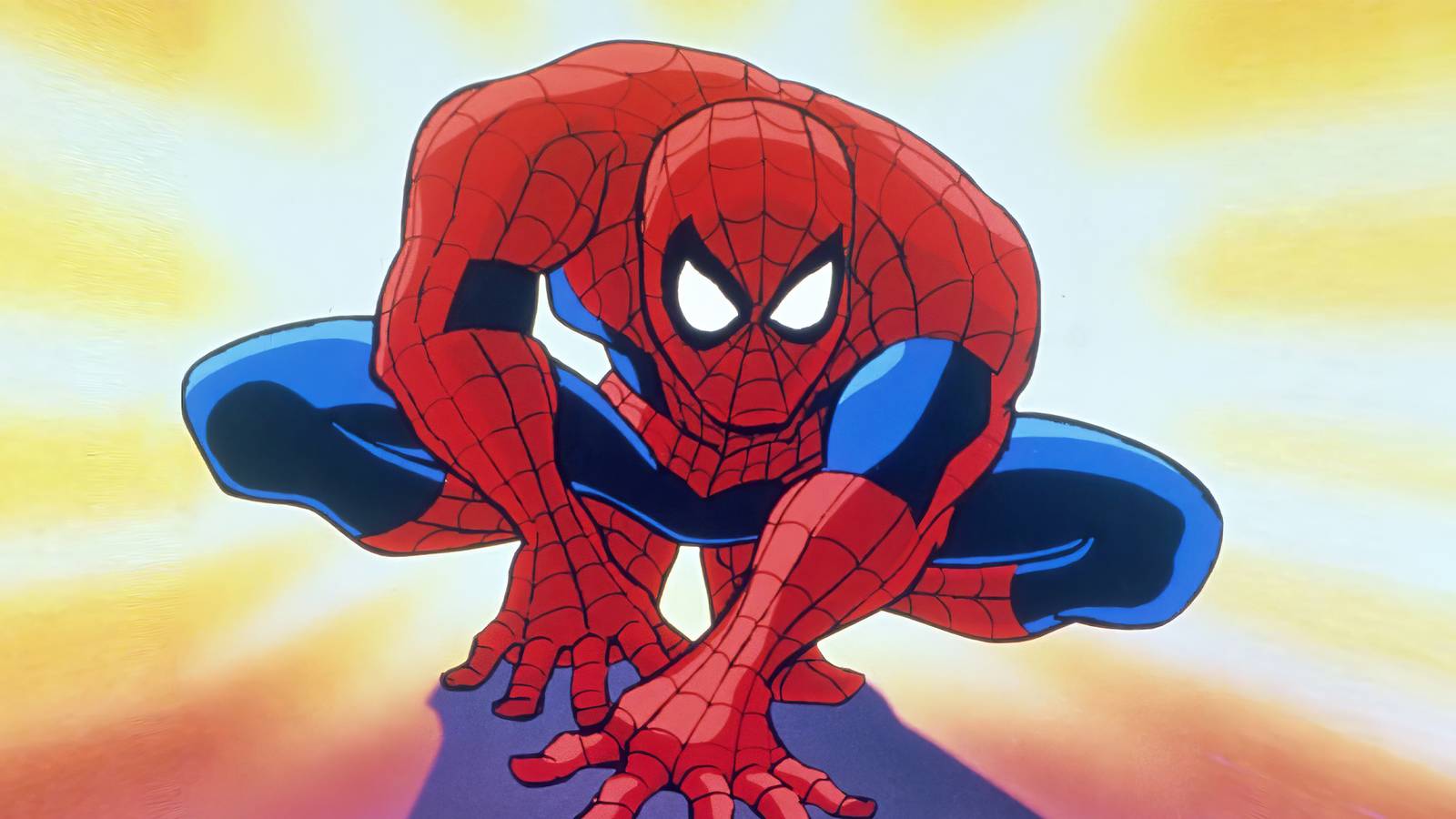
In the pantheon of superhero television, few programs have achieved the enduring cultural legacy of Spider-Man: The Animated Series (1994–1998). Born from a corporate mandate to revitalize Marvel’s merchandising arm following the runaway success of X-Men: The Animated Series, the show ultimately transcended its commercial origins. Under the stewardship of showrunner John Semper Jr.—personally selected by comic book legend Stan Lee—the series evolved into a sophisticated, serialized epic that redefined how comic book narratives could be adapted for the small screen.
Despite navigating a landscape of bizarre network censorship—including strict prohibitions on depictions of firearms or even the word "death"—Semper and his team crafted a masterclass in character-driven storytelling. By blending high-stakes melodrama with the quintessential "Parker Luck," the series remains, three decades later, a gold standard for the web-slinger’s adaptations.
The Genesis of a Marvel Icon
The early 1990s represented a period of transition for Marvel. With Avi Arad serving as the CCO of Marvel and the CEO of Toy Biz, the company recognized that television animation was the most effective vehicle for selling action figures. However, the production of Spider-Man was fraught with instability. Following the departure of the original showrunner, the project was in jeopardy until John Semper Jr. took the helm.
Semper’s approach was revolutionary for the time. Rather than relying on episodic, self-contained stories, he implemented a long-running, serialized narrative. This required a level of planning that was virtually unheard of in Saturday morning cartoons. By weaving recurring subplots, callbacks, and consistent character arcs throughout five seasons, Semper ensured that viewers remained invested in Peter Parker’s growth. The show balanced the mundane stresses of Peter’s college life with the cosmic and criminal threats of New York City, creating a template that modern superhero shows still strive to emulate.

Chronology of Defining Moments
While the series boasted 65 episodes, specific arcs stand out as the definitive pillars of its narrative success.
1. The Pilot: "Night of the Lizard"
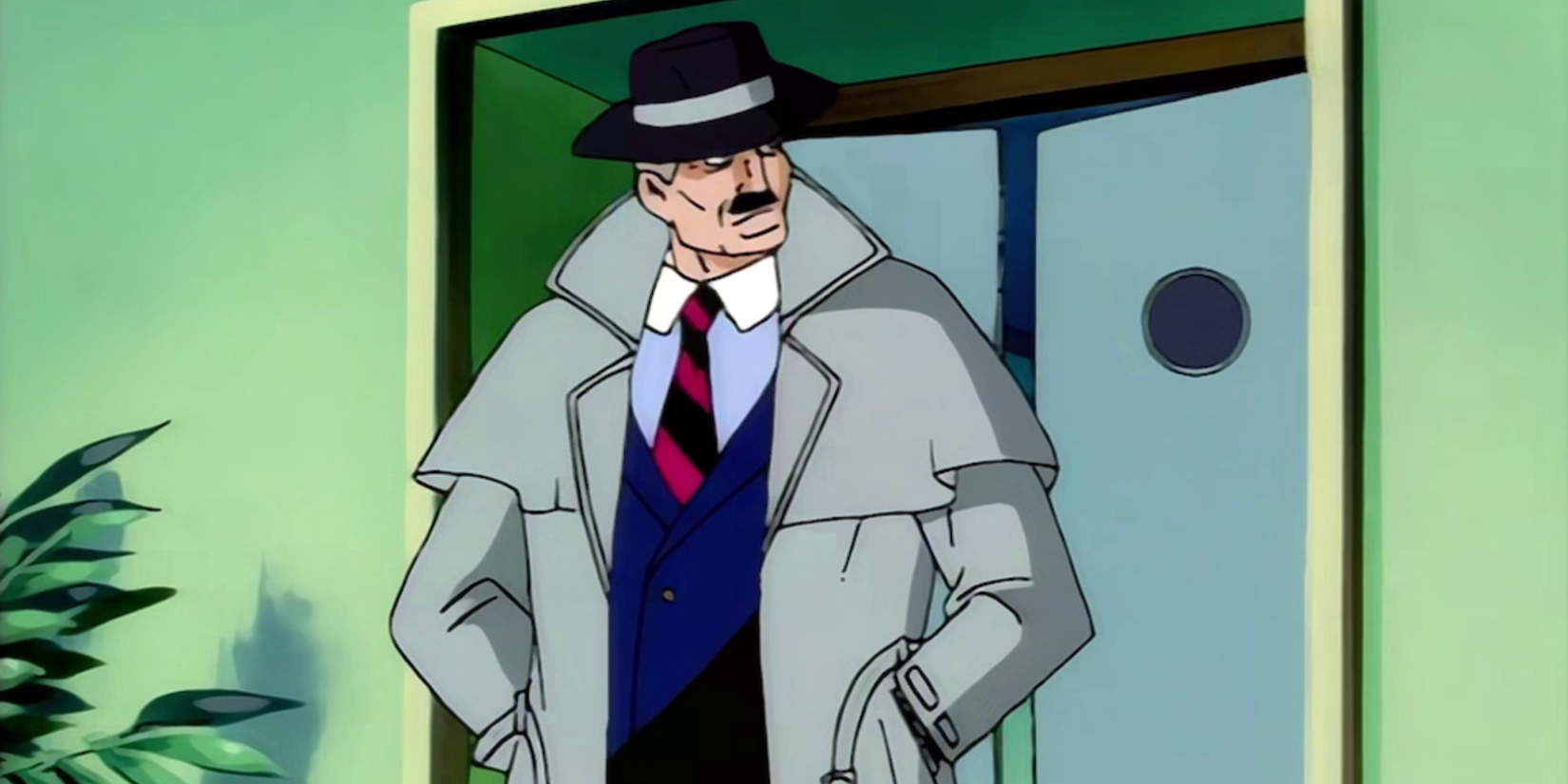
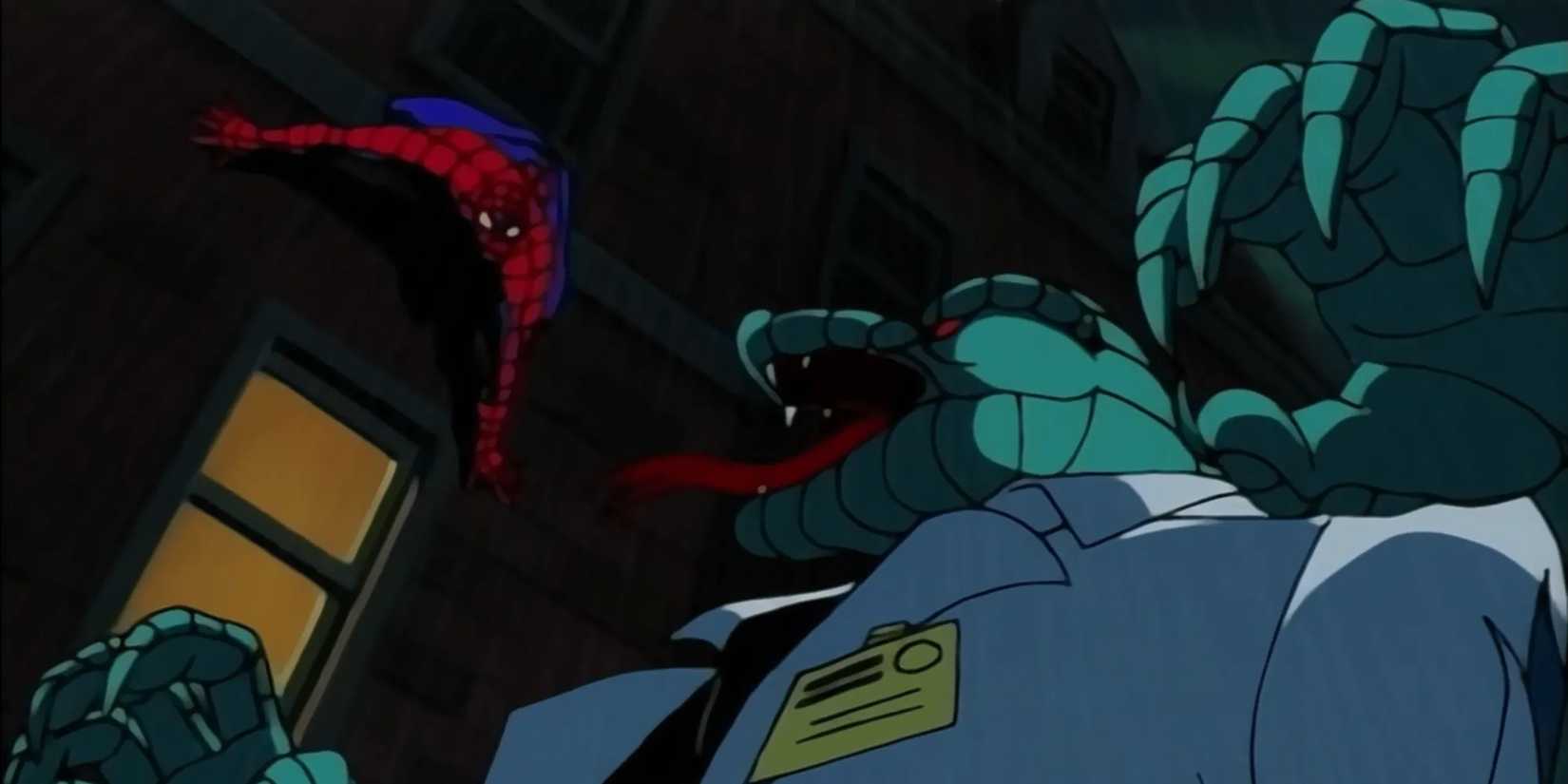
The series premiere served as a high-stakes introduction to the world of Peter Parker. Faced with the financial struggles of his Aunt May, Peter’s drive to capture the elusive "Lizard" on camera brings him into conflict with the self-serving Eddie Brock. The emotional core of the episode—the discovery that the monster is actually Peter’s mentor, Dr. Curt Connors—established the series’ commitment to tragic storytelling.
2. The Symbiote Saga: "The Alien Costume" (Part 1–3)
Perhaps the most influential storyline in the show’s history, the introduction of the black suit is handled with remarkable nuance. Unlike adaptations that treat the symbiote as merely a power-up, Spider-Man framed it as a psychological descent. The suit acted as a metaphor for addiction, with Peter’s personality shifting toward aggression and arrogance. The subsequent introduction of Venom, who possessed knowledge of Peter’s secret identity and was invisible to his spider-sense, created a genuine sense of dread that remains unparalleled in animation.
3. The Tragedy of "Turning Point"
If there is one moment that cemented the show’s legacy, it is "Turning Point." Serving as an adaptation of the death of Gwen Stacy, the episode pivoted the series’ tone. By having Mary Jane Watson fall through a portal created by the Green Goblin, the writers navigated network restrictions while delivering a gut-wrenching emotional blow. Christopher Daniel Barnes’ performance as Peter—his vocalizations of grief and fury—elevated the scene into a piece of high drama that resonated with a generation of viewers.
4. The Multiversal Finale: "Farewell, Spider-Man"
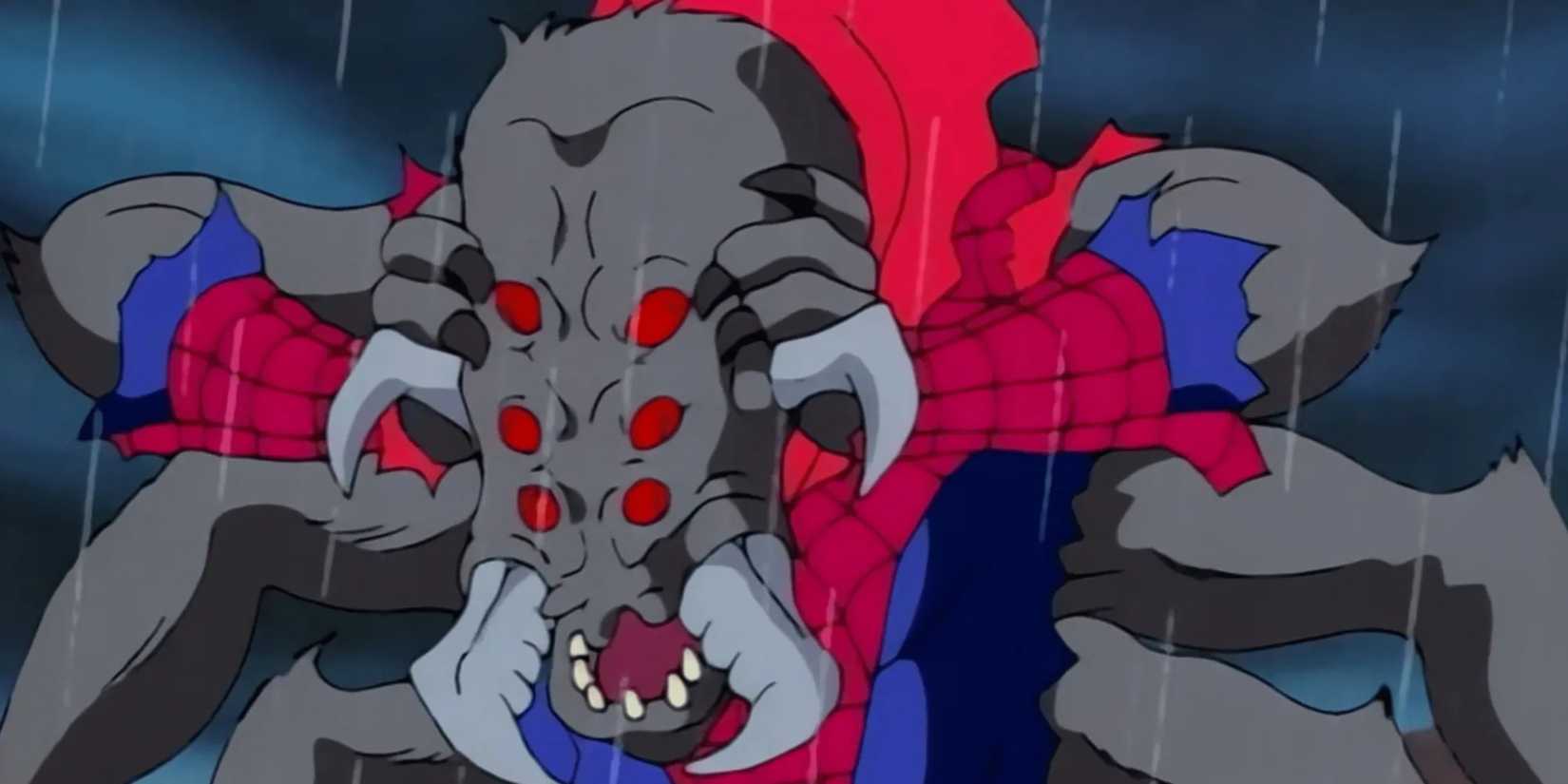
The series finale was an ambitious conclusion to the "Spider-Wars" arc. Facing off against the monstrous Spider-Carnage, Peter travels across the multiverse, ultimately meeting his creator, Stan Lee. This meta-narrative choice served as a love letter to the character’s history. The finale concluded on a note of "uncertain optimism," with Peter venturing off with Madame Web to find the true Mary Jane, leaving his personal journey in a state of open-ended resolution.
Supporting Data: The Production Environment
The success of Spider-Man is even more impressive when examining the limitations placed upon the production team. The Fox Kids network imposed a draconian set of Standards and Practices:
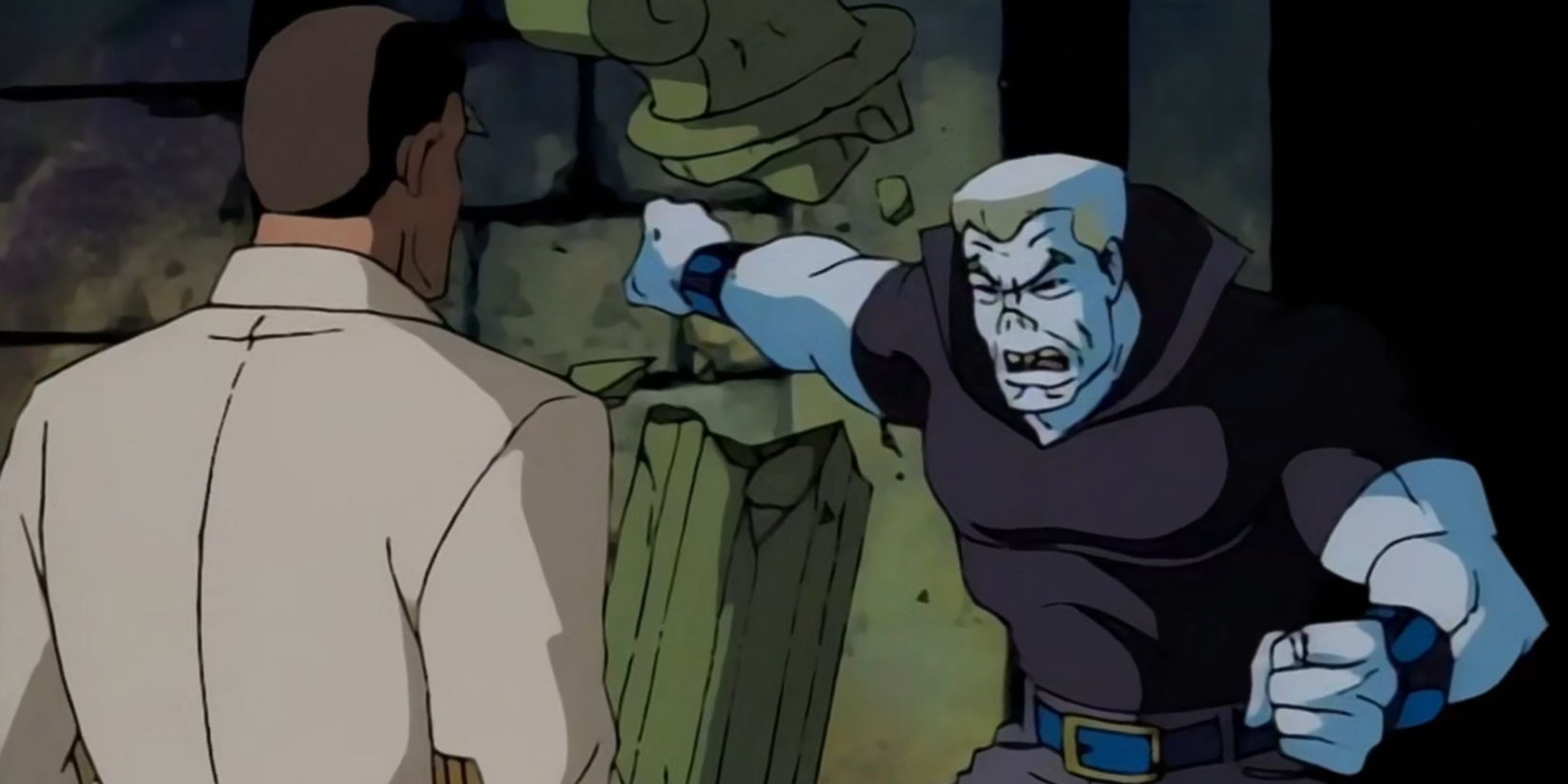
- The "No Contact" Rule: While characters could fight, the animation often utilized "laser" blasts or futuristic technology to replace traditional punches or kicks.
- The Gun Prohibition: With very few exceptions (such as the brief inclusion of a service revolver in the "Tombstone" episode), conventional firearms were banned.
- The Mortality Clause: Characters could not "die" on screen. This forced writers to get creative with plot devices, leading to the frequent use of portals, "limbo" dimensions, or clones, such as the clones of Hydro-Man and Mary Jane.
Despite these hurdles, the writing team—a roster that included industry titans like Marv Wolfman, Len Wein, and Gerry Conway—used these constraints to force more creative solutions, often resulting in sci-fi elements that deepened the lore of the Spider-Verse.
Official Perspectives and Behind-the-Scenes Insights
John Semper Jr. has frequently discussed the challenge of balancing the toy-driven requirements of Avi Arad with the creative integrity of the source material. In retrospective interviews, Semper has noted that the most successful episodes were those where he was given the latitude to focus on the human element. The collaboration with voice actor Christopher Daniel Barnes was also pivotal; Barnes provided a performance that captured both the youthful insecurity of Peter and the mature resolve of Spider-Man, creating a definitive vocal identity for the character.
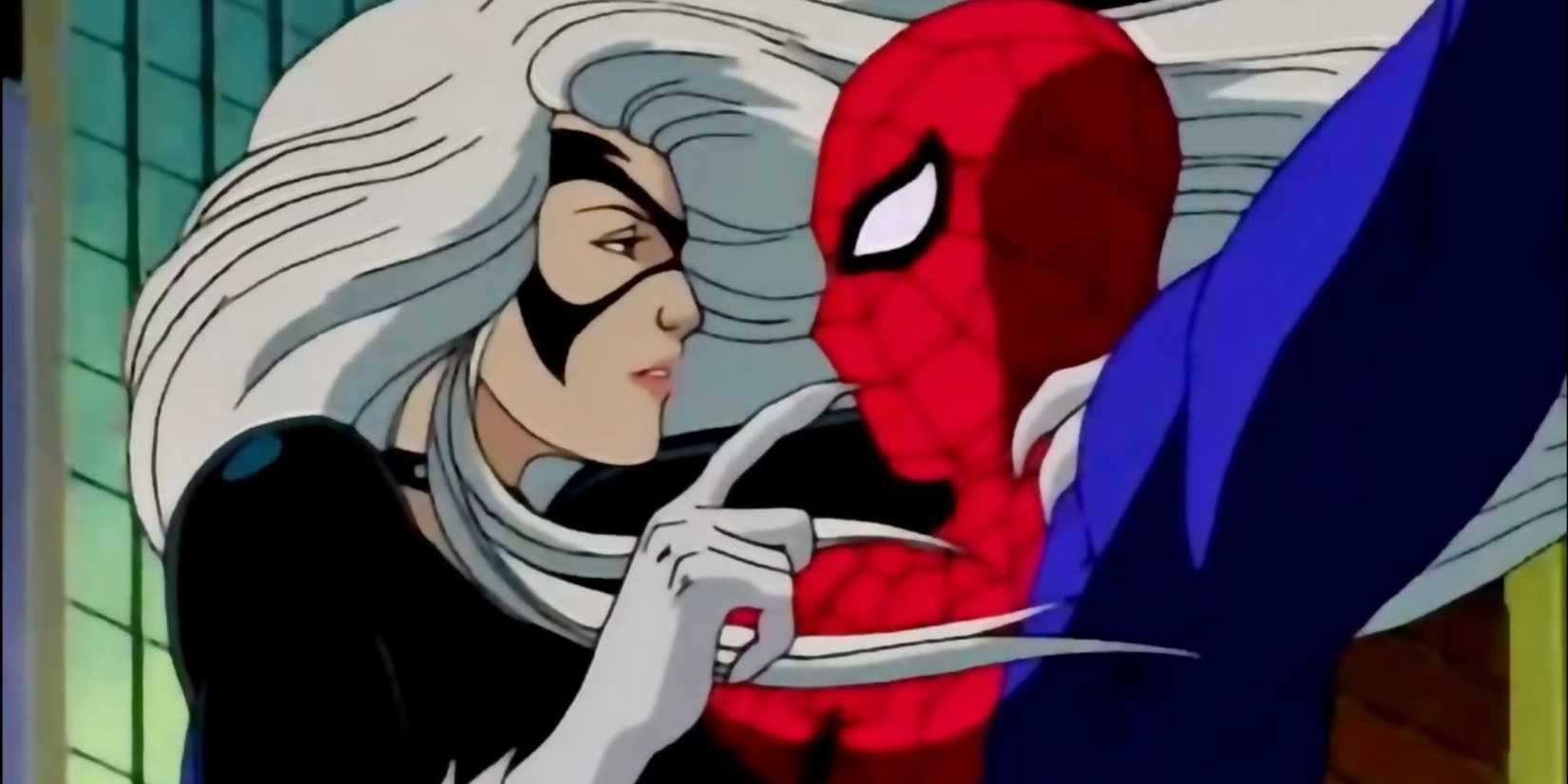
The involvement of Stan Lee was not merely ceremonial. Lee provided essential feedback on the character’s "voice" and the heart of the story. The production team’s commitment to continuity—ensuring that events in Season 2 influenced the outcome of Season 5—proved that the show was designed for a sophisticated audience, setting a precedent for the "binge-watch" culture that would arrive decades later.
Implications for Modern Superhero Media
The legacy of Spider-Man: The Animated Series is visible in almost every modern superhero franchise.
- Serialized Storytelling: The show proved that audiences would follow a long-form narrative. This directly influenced the structure of modern live-action superhero television, such as the Marvel Netflix series or the DC Arrowverse.
- The "Spider-Verse" Concept: Long before it became a blockbuster film franchise, the show’s final arc introduced the idea of multiple versions of Peter Parker uniting against a common threat. It transformed the concept from a niche comic book trope into a mainstream storytelling device.
- Character-First Adaptation: By focusing on the "dual life" of Peter Parker as much as the action scenes, the series validated the idea that the hero is only as interesting as the person underneath the mask.
Conclusion
Spider-Man: The Animated Series was more than a Saturday morning cartoon; it was an ambitious experiment in serialized television that paid off in dividends. It took the frantic, colorful world of Marvel Comics and applied a lens of dramatic consistency, emotional weight, and narrative ambition.
As we look back at the 1994 series, we see the foundation for the current golden age of superhero entertainment. Whether it is the tragic arc of the Man-Spider, the psychological torment of the symbiote saga, or the meta-narrative conclusion with Stan Lee, the show remains a quintessential piece of pop culture history. It stands as a testament to the fact that when creators treat their audience with respect, and their characters with depth, the result is a story that refuses to fade away. Even today, for many fans, this is not just an animated show—it is the definitive version of Spider-Man.

 Azzam Bilal Chamdy
 Nila Kartika Wati