Evan Lee Salim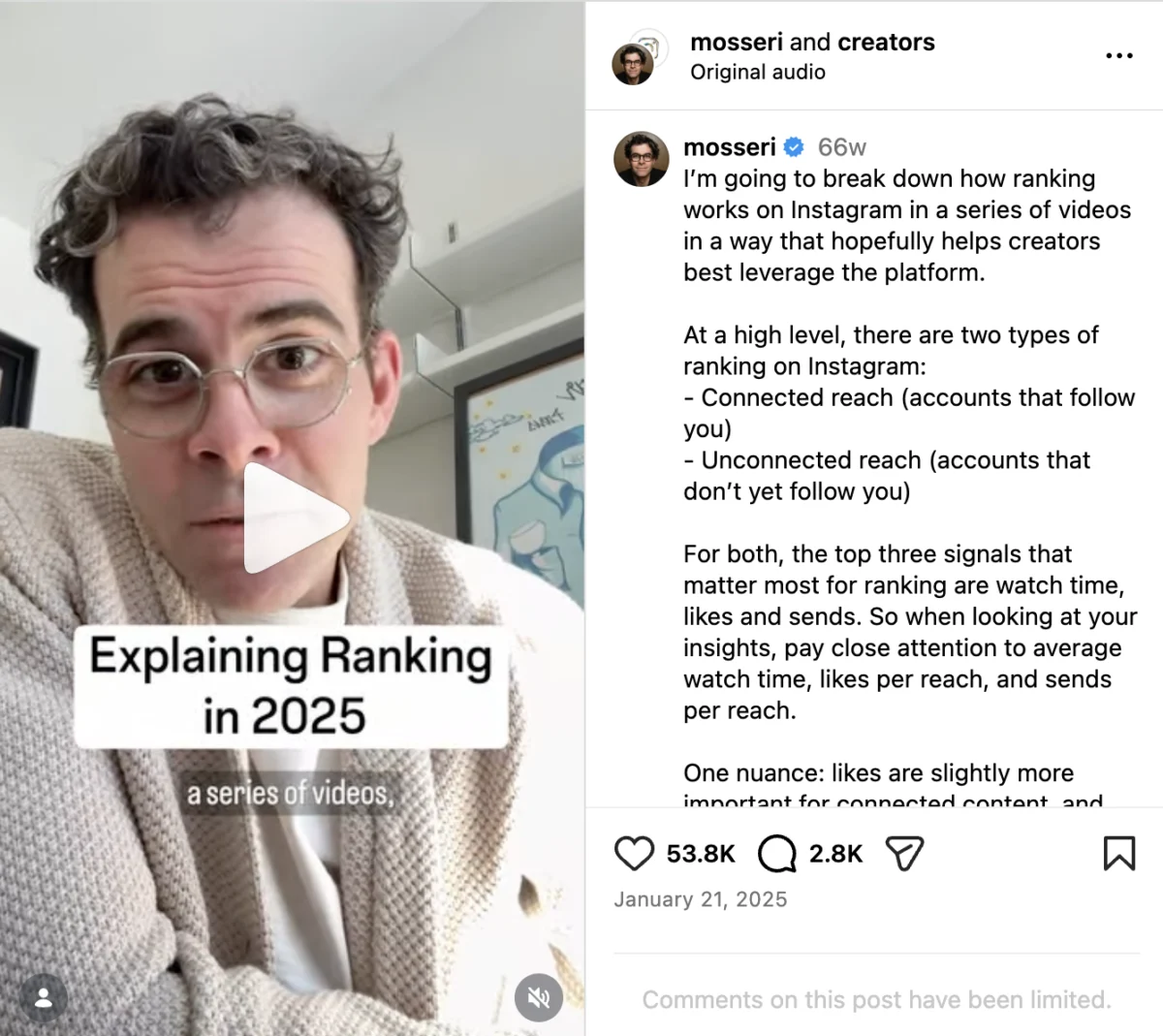
In the modern digital landscape, the average global citizen spends approximately 141 minutes daily scrolling through social media feeds. This time is not spent in a chaotic void, but rather within a highly curated, AI-driven environment. Behind every refresh of a feed lies a complex, invisible architecture: the social media algorithm. These systems, which once functioned as simple chronological timelines, have evolved into sophisticated engines of machine learning, dictating the visibility of content for billions of users.
For brands, creators, and digital strategists, understanding the underlying mechanics of these algorithms is no longer optional—it is the foundation of digital survival.

The Evolution: From Chronology to Curation
The genesis of social media in the early 2000s—typified by platforms like SixDegrees and the early iterations of MySpace and Facebook—was defined by a simple premise: you saw what your friends posted, exactly when they posted it. It was a linear, chronological experience.
The shift began in 2006 with the introduction of the Facebook News Feed, a revolutionary move that prioritized content based on perceived importance. By 2010, Facebook had publicly detailed its "EdgeRank" algorithm, a precursor to the massive, AI-powered systems that define the industry today. This move signaled a permanent departure from the chronological model, as platforms realized that "relevance" was the key to maximizing user session duration.

As of 2026, the industry has reached a state of algorithmic maturity. With the notable exception of platforms like Bluesky, which prioritize user-controlled, chronological experiences as a default, the vast majority of social networks use machine learning to filter and rank content in milliseconds.
Anatomy of an Algorithm: How Content is Ranked
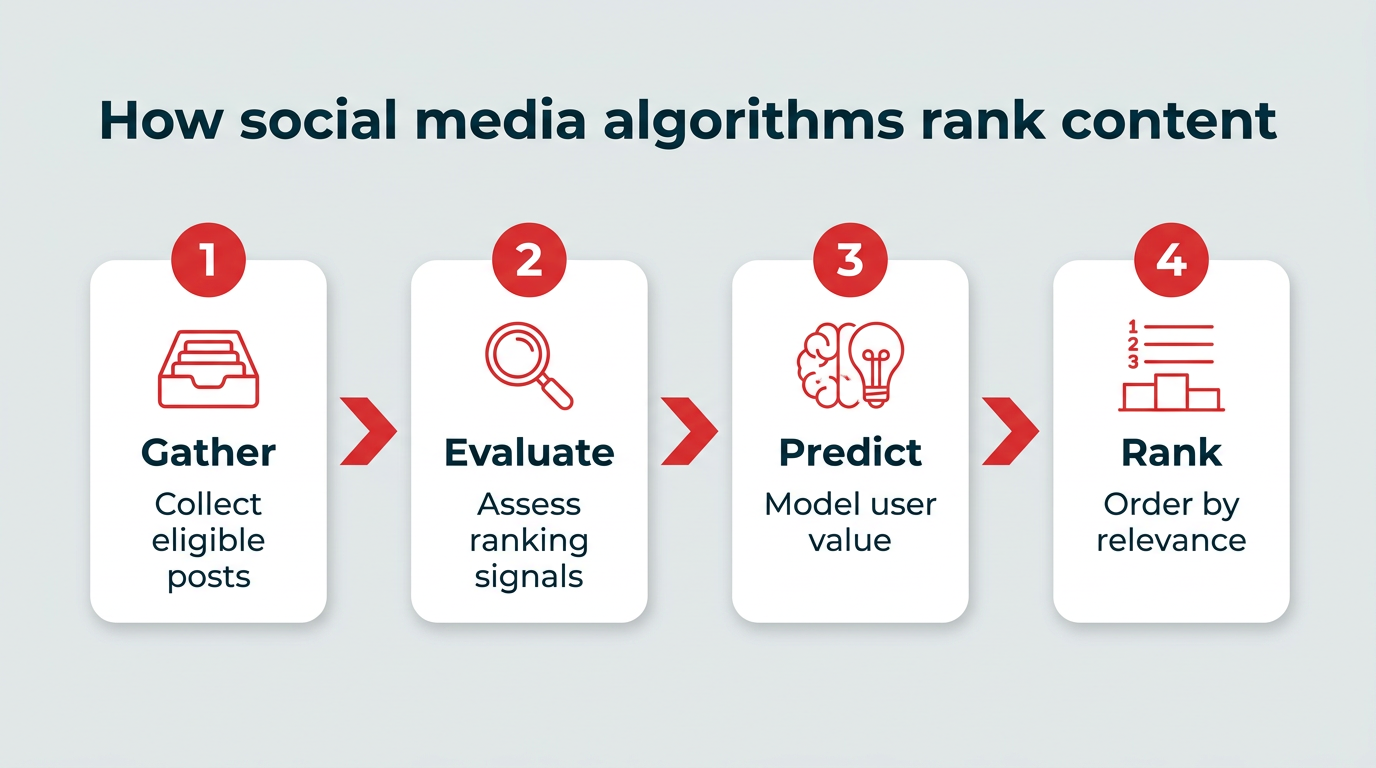
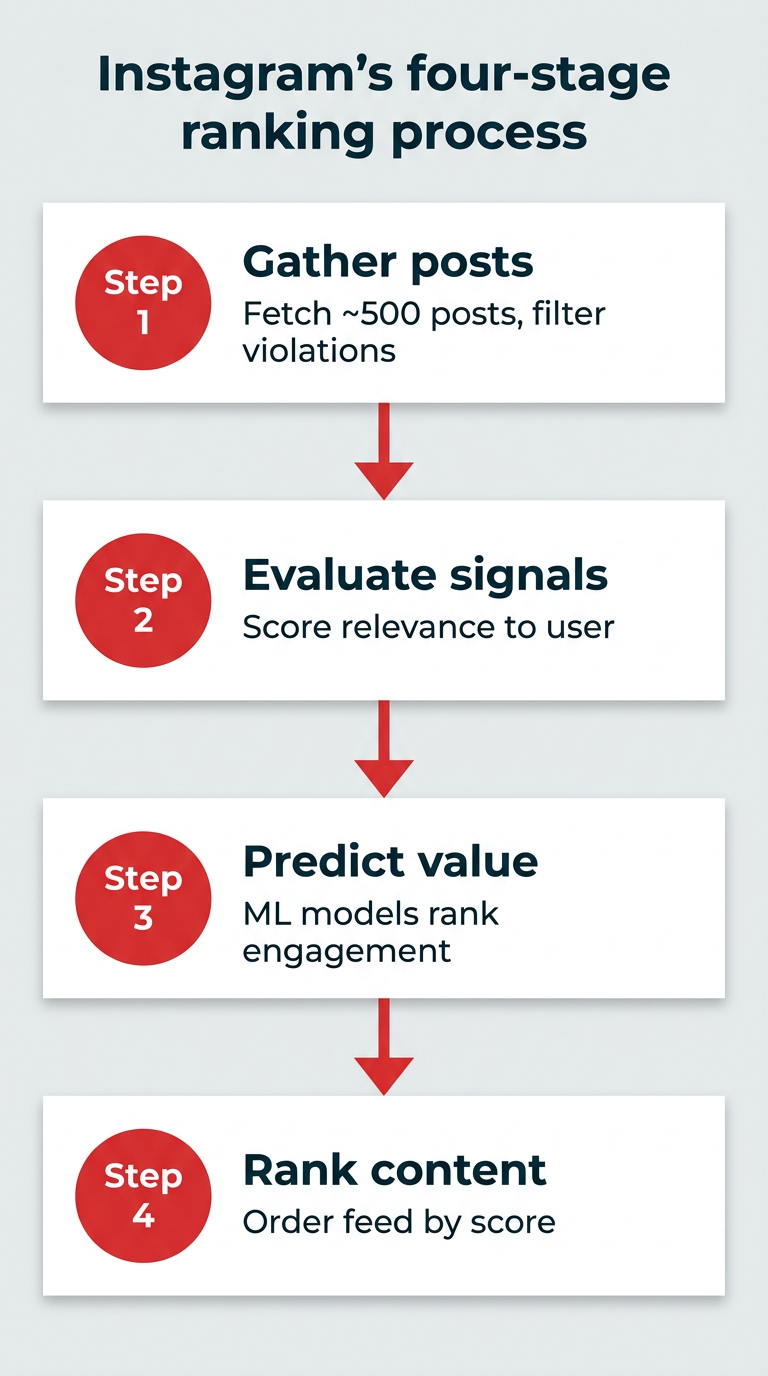
While each platform maintains its "secret sauce," the fundamental workflow is remarkably consistent across the board. The process typically follows a four-stage pipeline:

- Gathering: The system pulls a pool of eligible content (usually posts from accounts you follow and relevant recommendations).
- Filtering: The algorithm removes content that violates community guidelines or safety protocols.
- Scoring: Using machine learning, the system assigns a "relevance score" to each post. This score is calculated by weighing thousands of data points—past interactions, content format, and current trends.
- Ranking: The feed is populated, ordering the highest-scoring content at the top.
Key Terminologies
- Ranking Signal: Any specific attribute used to assess quality (e.g., watch time, shares, or comment sentiment).
- Machine Learning: The engine that allows algorithms to improve their predictive accuracy over time without human intervention.
- Artificial Intelligence: The broader technology that mimics human decision-making to automate complex curation tasks.
Platform-Specific Strategies: A 2026 Breakdown
To succeed in 2026, digital strategists must treat each platform as a unique ecosystem with distinct priorities.
Instagram: The Power of Intent
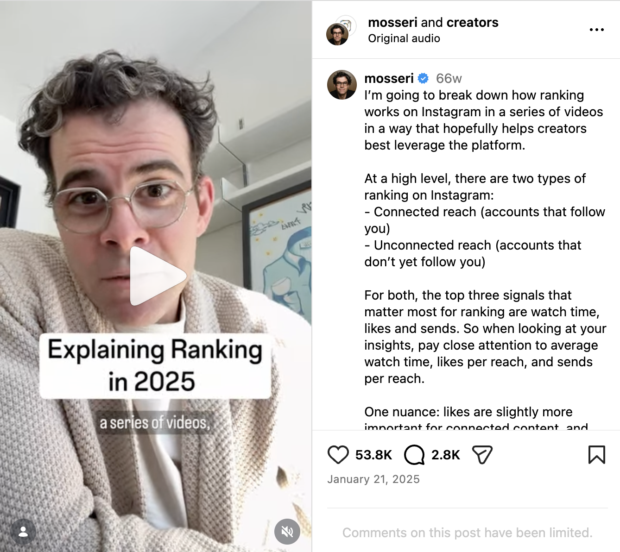
Head of Instagram, Adam Mosseri, has consistently identified watch time, likes, and sends as the pillars of the Instagram algorithm. For Reels, the system prioritizes content that users watch for more than 10 seconds. For the Explore page, the algorithm seeks to introduce users to high-affinity content from accounts they do not yet follow, making it the most potent tool for audience growth.
TikTok: The Discovery Engine
TikTok remains the outlier, as its "For You" page (FYP) is specifically designed to minimize reliance on an existing follower base. The algorithm favors high-completion rates and "re-watch" value. If a video keeps a user engaged on the platform, it is rewarded with a wider distribution, regardless of the creator’s follower count.
LinkedIn: The Professional Pivot
LinkedIn has undergone significant changes to combat "engagement bait." In 2026, the platform prioritizes professional relevance and "knowledge-sharing" over viral memes. Content that generates meaningful discussion within the first hour of posting is significantly more likely to reach a broader professional network.
X (Twitter): The Two-Fold Approach
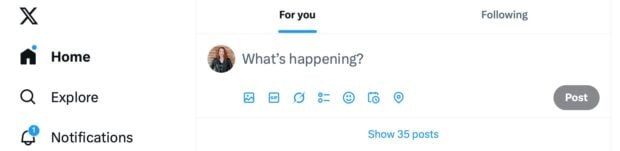
X continues to offer a bifurcated experience. The "Following" tab remains a bastion for those seeking chronological updates, while the "For You" tab utilizes complex signals—including profile visits, bookmark frequency, and account interactions—to curate a personalized news stream.
Supporting Data and The "Engagement" Metric
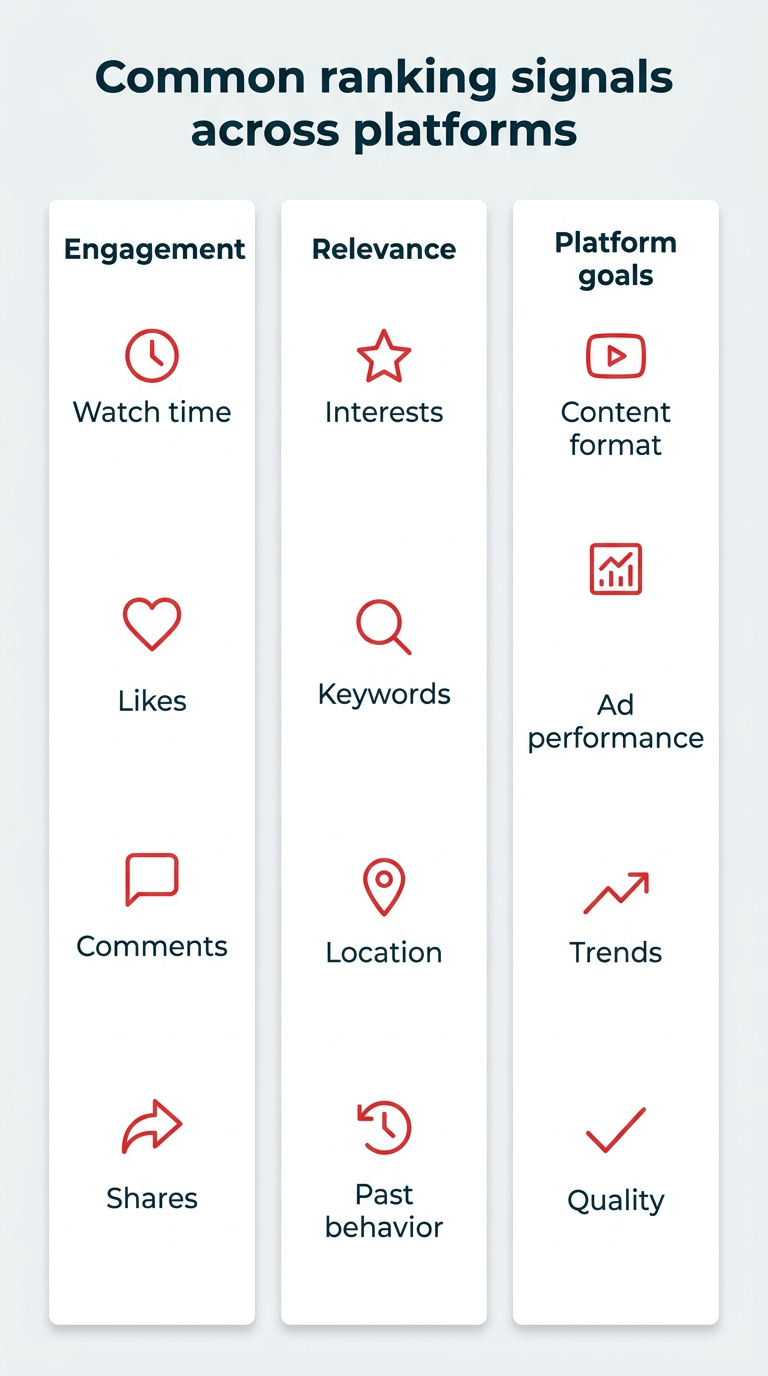
The data reveals a clear trend: the more complex the algorithm, the more it rewards "meaningful" engagement. While a "like" is a positive signal, it is increasingly weighted less than a "share" or a "save."
According to industry data, algorithms in 2026 prioritize:
- Depth of Interaction: Comments that spark conversation are prioritized over single-word replies.
- Session Duration: Platforms favor content that keeps users inside the app.
- Niche Relevance: Algorithms have become hyper-efficient at identifying topical clusters, ensuring that content about "sustainable gardening" reaches users who have historically engaged with similar topics.
Official Responses and Transparency
Meta, the parent company of Instagram and Facebook, has taken a lead in "transparency reporting," offering users tools to see why certain posts appear in their feed. This trend of transparency is a response to regulatory pressure and user demand for greater agency.
Conversely, platforms like TikTok and YouTube have leaned into the "AI-as-a-Curator" model, arguing that their algorithms are not just showing what is popular, but what is personally valuable. YouTube’s algorithm, for instance, focuses heavily on session duration, ensuring that creators who produce long-form, bingeable content are rewarded with high visibility in the recommendation sidebars.
Implications for Enterprise Marketing
For enterprise-level brands, the algorithmic era presents both a challenge and an opportunity. The "spray and pray" method of content distribution is officially dead. To succeed in 2026, organizations must:
- Prioritize Quality Over Frequency: An algorithm will penalize a brand that posts five times a day with low engagement, while rewarding a brand that posts once a day with high-value, high-retention content.
- Optimize for "Shareability": If a post is shared, the algorithm interprets this as a strong endorsement, boosting the content’s credibility across the entire platform.
- Leverage AI for Analytics: Because algorithms change continuously, manual tracking is impossible. Enterprise teams must utilize centralized management dashboards to monitor real-time performance shifts across all channels.
- Adopt a "Platform-Native" Mindset: Do not repurpose a high-production video for LinkedIn if the format is designed for TikTok. Align the creative strategy with the platform’s specific ranking signals.
Conclusion: The Path Forward
The social media algorithm is not a static gatekeeper; it is a mirror reflecting human behavior. As users evolve, so too do the rules of the feed. The most successful brands in 2026 are those that move away from trying to "game" the algorithm and instead focus on the underlying goal of all social platforms: fostering authentic, valuable, and prolonged engagement.
By understanding the mechanics of how content is filtered and served, marketers can move from a position of reacting to the feed to a position of influencing it. The future of social media is not just about reaching an audience; it is about providing the content that the machine identifies as essential.

 Asep Darmawan
 Dwi Wanna