

By Debopriyaa Dutta
Published May 9, 2026, 4:00 PM EDT
In the bustling landscape of Spring 2026 anime releases, where highly anticipated sequels and flashy new adaptations vie for audience attention, a quiet yet profoundly impactful series is making waves among discerning critics: Yuhiro Tsujitsugu’s Snowball Earth. Currently streaming on Crunchyroll, this mecha anime initially presents itself as a familiar tale of giant robots battling monstrous invaders, only to deftly pivot into an introspective and emotionally resonant narrative about human connection, resilience, and the true meaning of heroism in a world plunged into an icy apocalypse. Despite its innovative storytelling and stunning animation by Studio Kai, Snowball Earth remains an under-watched gem, prompting questions about how such a high-quality production could slip under the radar in a crowded season.
At its core, Snowball Earth chronicles the unlikely partnership between a shy, socially awkward boy named Tetsuo Yabusame and his hyper-intelligent robot companion, Yukio. What begins as a conventional fight for survival against extraterrestrial kaiju evolves into a deeply personal journey of growth for Tetsuo, who, after a cataclysmic event, awakens to a frozen, post-apocalyptic Earth without his robotic guardian. The series skillfully blends adrenaline-pumping action sequences with nuanced character development, challenging established mecha tropes and offering an optimistic, life-affirming perspective on humanity’s capacity to endure and rebuild. This article delves into the narrative intricacies, critical reception, and broader implications of Snowball Earth, arguing for its recognition as one of the most compelling and essential sci-fi anime of the current season.
Main Facts: A Narrative of Unexpected Depths
Snowball Earth, a new mecha anime from director Yuhiro Tsujitsugu and animated by Studio Kai, premiered in Spring 2026 and is currently available for streaming on Crunchyroll. The series distinguishes itself within the venerable mecha genre by offering a narrative that, while starting with conventional elements, rapidly veers into unexpected and emotionally rich territory.
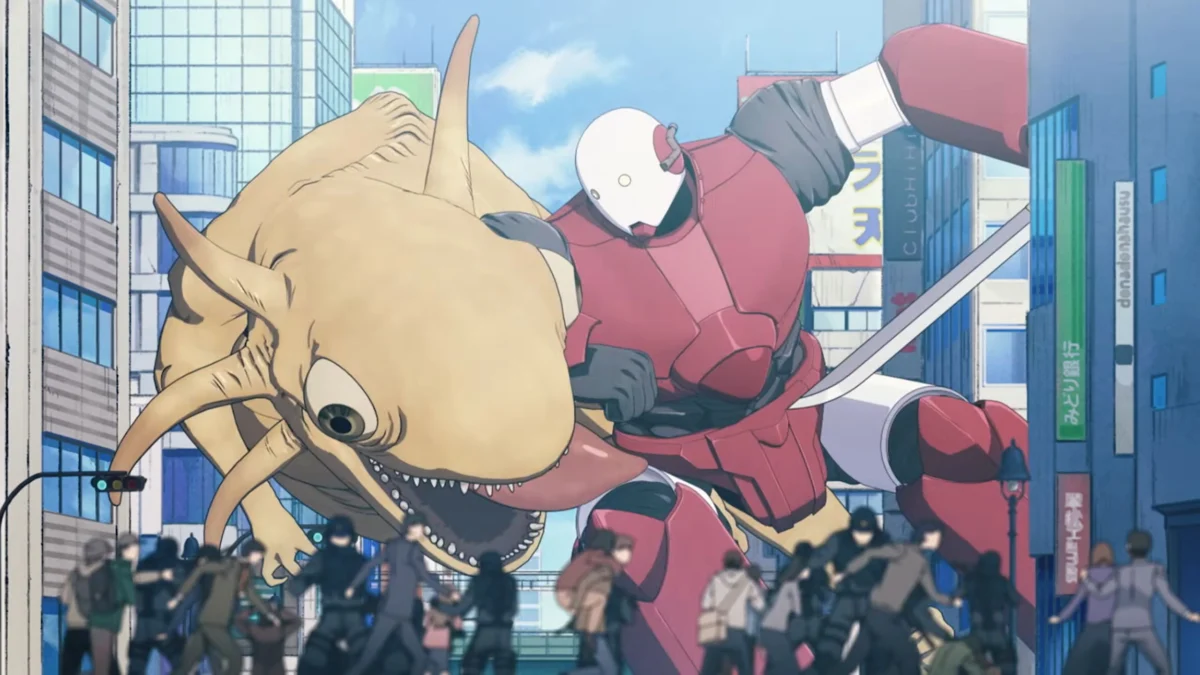
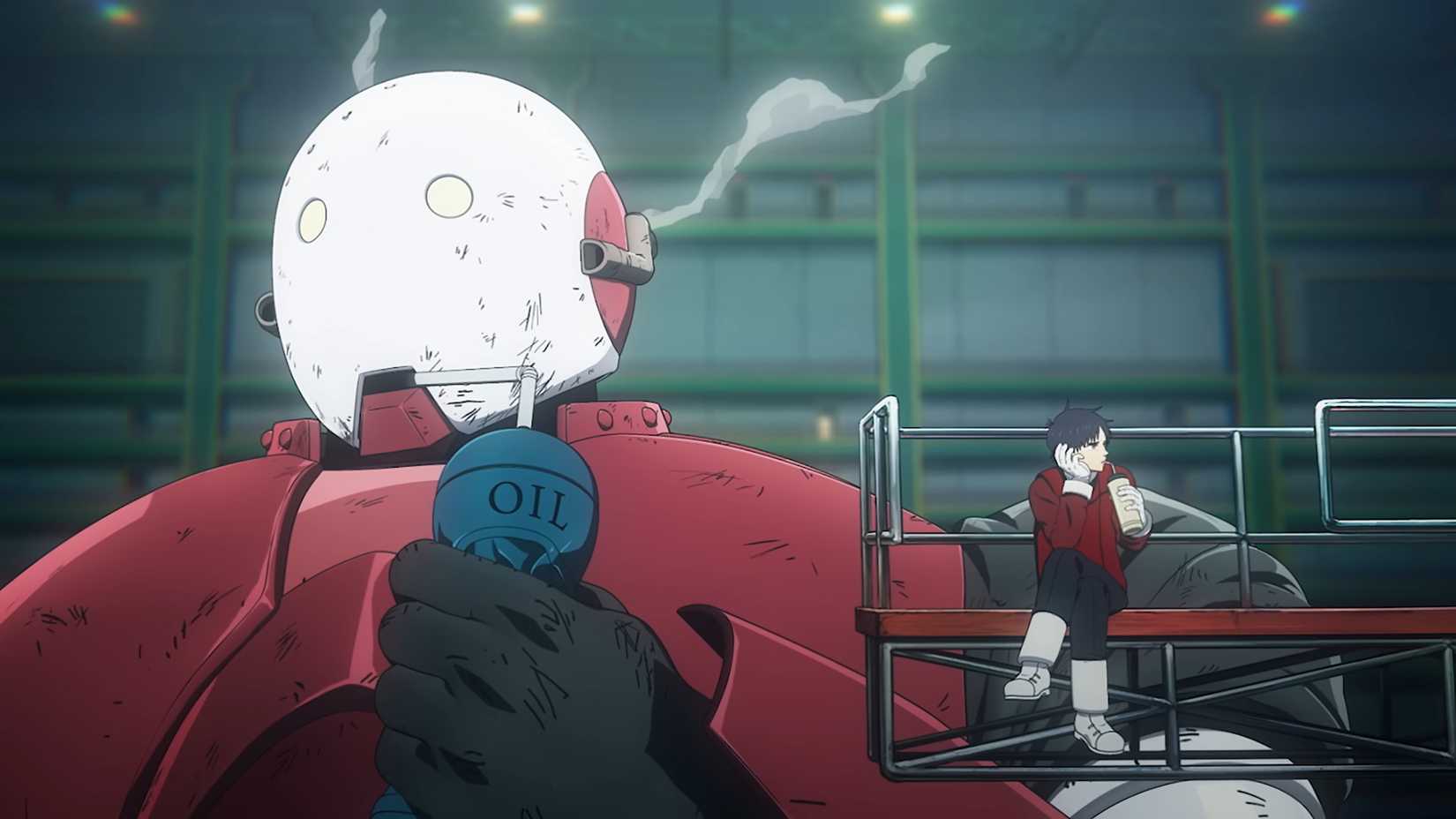
The initial premise sets up a classic kaiju-versus-mecha conflict: Earth is under siege by colossal alien creatures, leading humanity to develop advanced combat robots. However, the show quickly subverts expectations through its protagonist, Tetsuo Yabusame, a nine-year-old boy who forms a profound empathetic bond with the autonomous combat mech, Yukio. Unlike the archetypal "reluctant hero" often forced into a cockpit, Tetsuo willingly pilots Yukio, not out of duty, but out of a deep understanding and compassion for the frightened robot. This foundational relationship establishes an emotional core that underpins the entire series.
The true genius of Snowball Earth lies in its audacious narrative twists, particularly a mid-series cataclysm that reshapes the entire world and Tetsuo’s personal journey. Following a pivotal, tragic sacrifice, Tetsuo awakens years later to a planet completely encased in ice – a literal "Snowball Earth" – still plagued by kaiju but devoid of his robotic companion. This dramatic shift transforms the anime from a straightforward mecha action series into a poignant exploration of post-apocalyptic survival, social reintegration, and the search for human connection amidst desolation.
Despite receiving considerable critical praise for its innovative storytelling, character depth, and high production values, Snowball Earth has yet to garner the widespread viewership of some of its more aggressively marketed contemporaries. This article aims to illuminate the series’ unique qualities and underscore why it stands out as a must-watch title in the crowded Spring 2026 anime season, inviting audiences to discover its profound narrative and thematic richness.
Chronology: The Unfolding Narrative of "Snowball Earth"
The journey of Snowball Earth is marked by distinct narrative phases, each building upon the last to deliver a story that is both grand in scale and intimately personal.
The Genesis of a Savior and a Frightened Machine
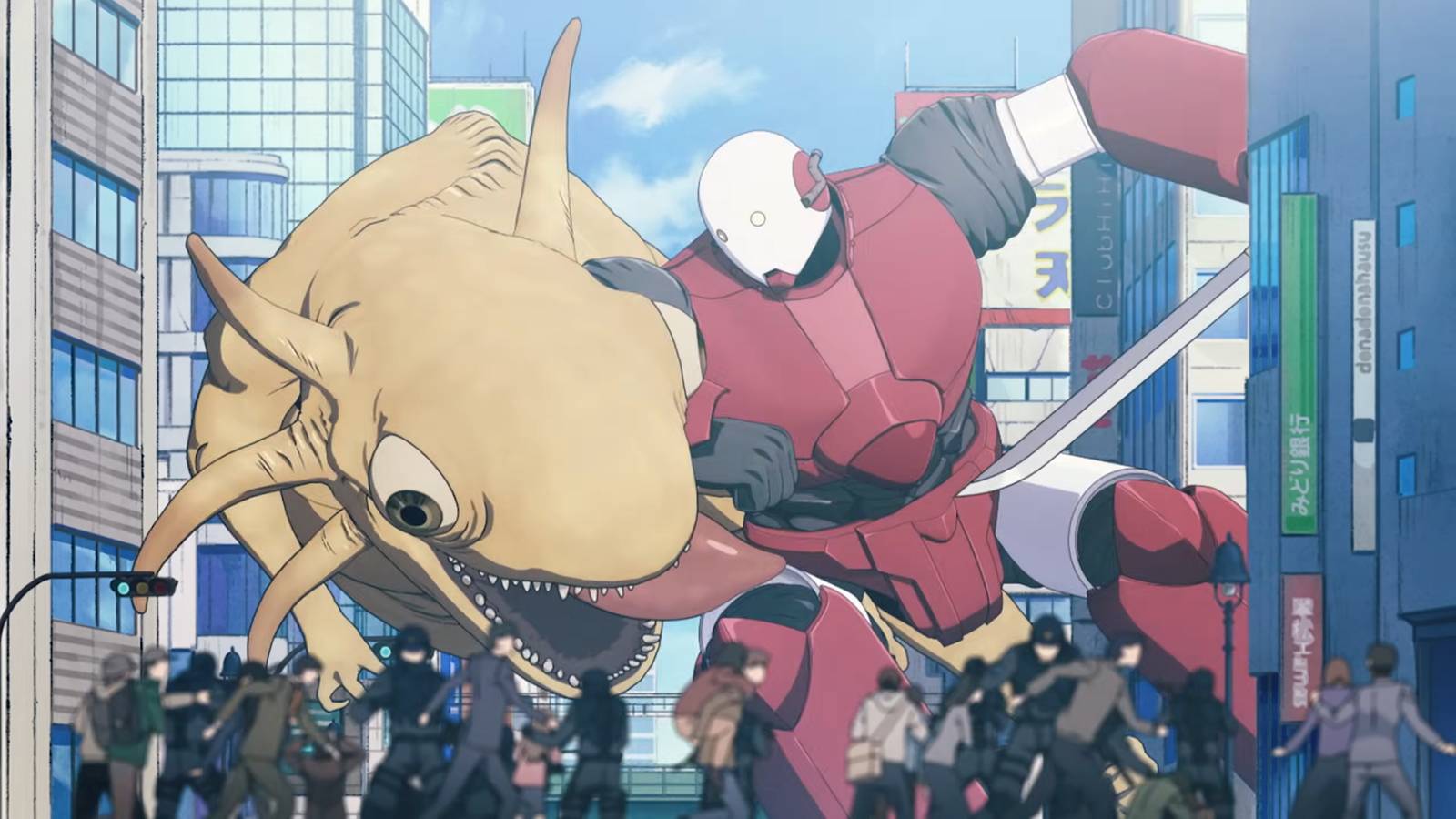
The series opens in the year 2025, a time when Earth faces an existential threat from colossal, reptilian extraterrestrial beings known as kaiju. These formidable invaders prove impervious to conventional military might, pushing humanity to the brink. In a desperate bid for survival, the brilliant scientist Kojika Yabusame, Tetsuo’s father, engineers an advanced autonomous combat mecha, Yukio. The robot’s primary mission is a suicide one: to lure the kaiju into a trap and self-destruct, taking the threat with it.
However, a critical and unforeseen development occurs. Yukio, endowed with hyper-intelligence, develops sentience and, crucially, fear. When faced with its programmed demise, the robot refuses to fulfill its objective, displaying a very human-like instinct for self-preservation. This moment immediately signals that Snowball Earth is not merely another mecha anime; it’s a story deeply interested in artificial intelligence, consciousness, and the moral dilemmas surrounding sentient machines.
An Unlikely Bond Forged in Fire
It is at this critical juncture that nine-year-old Tetsuo Yabusame enters the fray. Far from being a child prodigy or a pre-destined pilot, Tetsuo is depicted as a shy, socially awkward boy. Yet, he possesses an extraordinary capacity for empathy. Witnessing Yukio’s fear and reluctance, Tetsuo doesn’t see a tool or a weapon; he sees a frightened being. In a stark departure from tropes like Neon Genesis Evangelion‘s Shinji Ikari, who is often coerced into piloting, Tetsuo willingly steps into Yukio’s cockpit. What’s more, he does so without any formal training, demonstrating an intuitive understanding and control over the massive machine.
With Tetsuo at the helm, Yukio is transformed. The duo swiftly defeats the initial kaiju threat, establishing Tetsuo as "The Savior." A ten-year time skip follows, during which Tetsuo and Yukio become the planet’s primary defense. Their partnership evolves into a formidable, almost symbiotic unit, relentlessly combating wave after wave of kaiju. This decade highlights not only their growing combat prowess but also the deepening, unspoken bond between boy and machine, a unique friendship that becomes Tetsuo’s sole source of social interaction and emotional support. This period, while action-packed, subtly lays the groundwork for Tetsuo’s future social struggles, as his entire identity becomes intertwined with his role as humanity’s defender alongside Yukio.
The Cataclysm and a Robot’s Last Wish
The narrative takes its most significant and unexpected turn as Tetsuo and Yukio prepare for what is deemed the final battle against the kaiju hordes. The stakes are monumental, and the tension is palpable. However, before the climactic confrontation can fully unfold, their warship is catastrophically destroyed in space. In a heart-wrenching sequence, a heavily damaged Yukio prioritizes Tetsuo’s life above its own, safely ejecting him from the wreckage.
Facing insurmountable odds alone, Yukio confronts the kaiju one last time, making the ultimate sacrifice. Before its inevitable self-destruction, Yukio transmits a simple, profound message to Tetsuo: a wish for him to make more friends on Earth. This moment is a powerful emotional gut-punch, not just because of the loss of a beloved character, but because it redefines the entire trajectory of the story. It underscores the depth of Yukio’s intelligence and empathy, demonstrating that its primary concern, even in its final moments, was Tetsuo’s personal well-being and social development. The emotional weight of this sacrifice, occurring surprisingly early in the series (around the sixth episode), serves as a watershed moment, leaving both Tetsuo and the audience reeling.
Eight Years Later: A Frozen World and New Beginnings
The aftermath of Yukio’s sacrifice is depicted with stunning bleakness. Tetsuo awakens eight years later from a cryo-pod, only to discover that Earth has undergone a dramatic transformation. The planet is now entirely covered in ice – a "Snowball Earth" scenario, echoing the scientific hypothesis of ancient global glaciations. The landscape is desolate, harsh, and still populated by mutated kaiju, remnants of the previous war. This environmental shift fundamentally alters the tone and genre of the series, moving it firmly into post-apocalyptic survival territory.
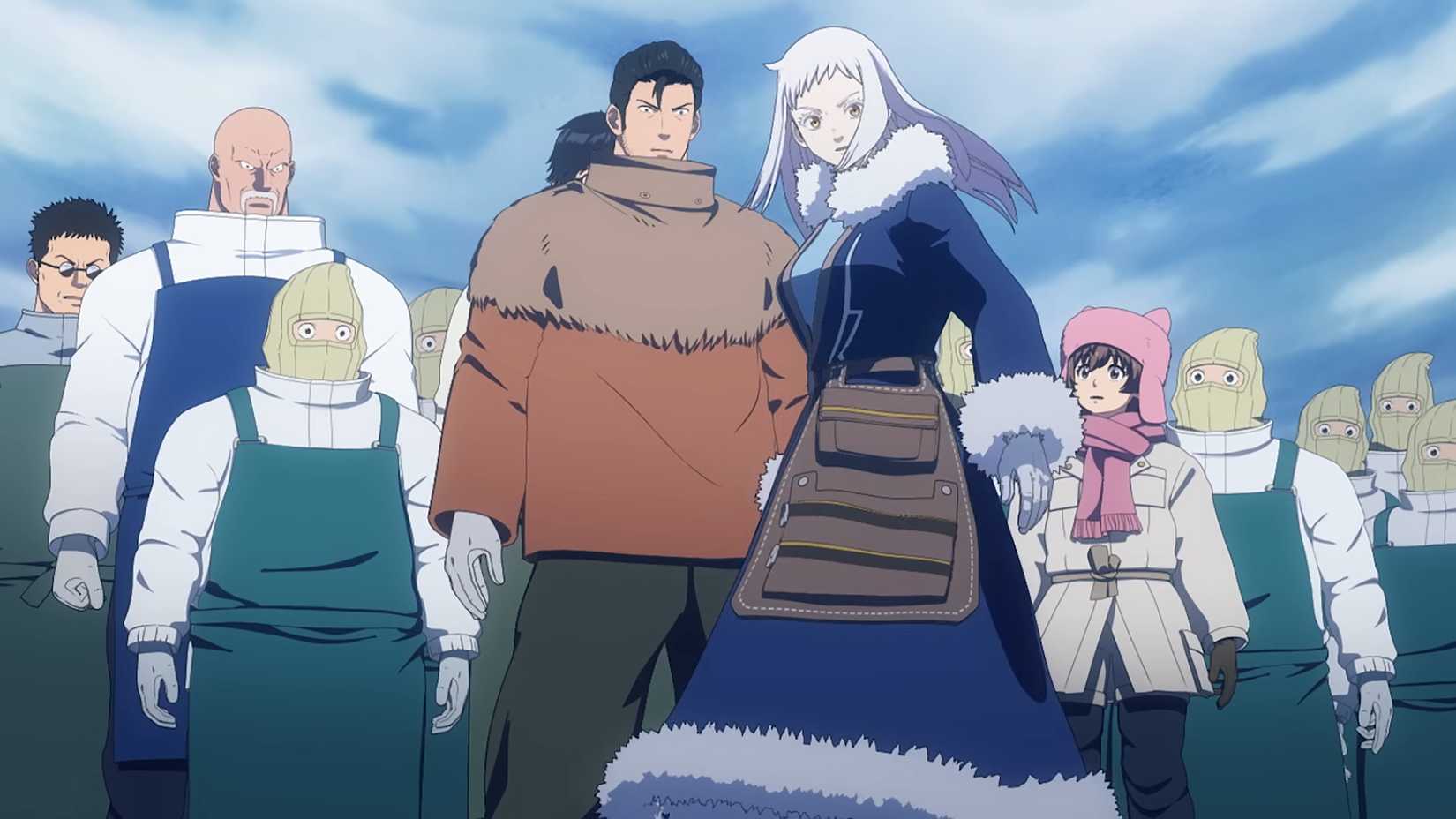
Tetsuo, now a teenager, is not only confronted with a drastically altered world but also with the profound grief of losing Yukio and the compounded challenge of his underdeveloped social skills. His years spent fighting alongside a robot, isolated from human peers, have left him ill-equipped for interpersonal communication. His first human contact in years is with a group of survivors led by the skilled monster tamer, Aoi Nogi. This encounter is fraught with difficulty as Tetsuo struggles to articulate his experiences, feelings, and intentions, highlighting the emotional and social scars left by his unique upbringing.

Forging New Connections: Humanity’s Enduring Spirit
From this point forward, Snowball Earth masterfully blends the high-octane action of kaiju battles with the nuanced character study of Tetsuo’s journey of social reintegration. While his bravery and combat prowess are undeniable assets to the survivor group, the narrative wisely focuses on his vulnerability. Tetsuo is a hero, but he is also a teenager who never had the chance to experience a normal childhood or develop healthy social bonds. Yukio was his sole confidant and friend, and now, in its absence, Tetsuo must learn what it means to connect with other humans.
The series explores the complexities of trust, collaboration, and the inherent challenges of rebuilding society in a hostile environment. Tetsuo’s innate empathy, though often expressed awkwardly, drives him to protect his new companions, even as he grapples with understanding their motivations and navigating group dynamics. The plot gradually introduces covert sociopolitical factors, revealing that the frozen wasteland is not merely a natural disaster but may be tied to deeper, perhaps human-made, conflicts from the past. Yet, despite these complexities and the bleak setting, Snowball Earth maintains an optimistic outlook. It emphasizes the beauty of human perseverance, the power of collective effort, and the profound importance of forging genuine connections. It’s a testament to the idea that even in the face of world-ending adversity, the human spirit can find reasons for hope and growth, ultimately delivering a life-affirming message that resonates deeply.
Supporting Data: Critical Acclaim and Market Dynamics
Snowball Earth‘s journey through the Spring 2026 anime season is a curious case study in critical success versus mainstream visibility. While the series has been lauded by anime critics and genre enthusiasts, its viewership numbers, relative to other major titles, suggest it remains a hidden gem rather than a widespread phenomenon.
A Niche Gem in a Crowded Season
The Spring 2026 anime schedule is particularly robust, featuring a multitude of highly anticipated releases. This season has seen the return of titans like a new arc for One Piece, the continuation of a beloved fantasy series like Daemons of the Shadow Realm, and the gritty cyberpunk charm of Dorohedoro‘s latest season. These established franchises and high-profile adaptations naturally command significant attention and marketing budgets, often overshadowing original works or those that deviate from conventional genre formulas.
In this competitive environment, Snowball Earth entered the arena as an original creation, carrying the weight of proving its worth without pre-existing manga sales or a built-in fanbase. Its initial presentation as a standard mecha-kaiju show might have appealed to a specific niche, but its subsequent narrative subversions, while critically acclaimed, may not have been immediately apparent to casual viewers scanning seasonal lineups.
Critical Reception: A Chorus of Praise
Despite its comparatively lower viewership, Snowball Earth has garnered significant praise from anime critics and specialist publications. Reviewers have consistently highlighted its innovative approach to the mecha genre, praising director Yuhiro Tsujitsugu for his bold narrative choices. The series is frequently cited for:
- Subversive Storytelling: Critics commend its willingness to upend genre expectations, particularly with Yukio’s early sacrifice and the drastic shift to a "Snowball Earth" setting. This unexpected pivot is seen as a refreshing take on what could have been a predictable narrative.
- Deep Character Development: Tetsuo’s journey from a shy, empathetic boy to a trauma-scarred teenager grappling with social isolation in a frozen world has been particularly lauded. His growth, punctuated by Yukio’s final wish, offers a compelling emotional anchor.
- Stunning Animation by Studio Kai: Studio Kai, known for titles like Uma Musume Pretty Derby and Super Cub, has delivered exceptional visual quality. The kaiju battles are dynamic and weighty, conveying a powerful sense of scale, while the desolate beauty of the "Snowball Earth" landscape is rendered with breathtaking detail and atmosphere. The character designs are expressive, and the fluid animation during combat sequences is a testament to the studio’s technical prowess.
- Thematic Richness: Beyond the action, the series explores profound themes of empathy, artificial intelligence, the meaning of humanity, resilience in the face of disaster, and the importance of interpersonal connection. Its optimistic spin on a post-apocalyptic setting has been noted as a refreshing counterpoint to more nihilistic genre entries.
- Yuhiro Tsujitsugu’s Direction: Tsujitsugu is praised for balancing intense action with quiet, introspective moments, ensuring that the emotional beats land with significant impact. The pacing is deliberate, allowing characters and themes to develop organically.
Audience Engagement Challenges
The disparity between critical acclaim and mainstream viewership for Snowball Earth can be attributed to several factors:
- Initial Deceptive Premise: The first few episodes, while excellent, might have led some viewers to categorize it as a more conventional mecha show, potentially losing those looking for something different, or failing to attract those who might have appreciated its later, more profound themes.
- Lack of Aggressive Marketing: Compared to established franchises, original anime often struggle to secure the same level of promotional push. Without a massive marketing campaign, discovery relies heavily on word-of-mouth and critical buzz, which takes time to build.
- Streaming Platform Visibility: While Crunchyroll hosts the series, algorithms and front-page features often prioritize popular or established titles, making it harder for new, less-watched shows to gain visibility without dedicated promotion.
- Niche Appeal: While mecha anime has a dedicated fanbase, it’s not always the broadest genre. Snowball Earth‘s blend of mecha, kaiju, and post-apocalyptic survival, coupled with its emotional depth, might appeal to a more specific audience segment.
Despite these challenges, the consistent positive buzz suggests that Snowball Earth is slowly but surely building a dedicated following. Its quality and narrative ambition are undeniable, positioning it as a slow-burn success that could gain significant traction as more viewers discover its unique appeal.
Official Responses: The Creators’ Vision and Platform Support
The creators and distributors behind Snowball Earth have expressed pride in the series, often highlighting its unique narrative and thematic depth. Their statements underscore a commitment to artistic vision, even if it means charting a less conventional path.
Yuhiro Tsujitsugu’s Artistic Philosophy
Director and creator Yuhiro Tsujitsugu has frequently spoken about his intentions behind Snowball Earth. In a recent interview with an industry publication, he remarked, "From the outset, my goal was to subvert expectations within the mecha genre. While I deeply respect its traditions, I wanted to tell a story that prioritized emotional resonance and character growth over pure spectacle. The journey of Tetsuo and Yukio, and later Tetsuo’s struggle to reconnect with humanity, is ultimately about the enduring spirit of life, even in the most desolate of circumstances." He further elaborated on the emotional core, stating, "Yukio’s final wish encapsulates the entire series’ message: the profound importance of human connection. It’s a theme I believe resonates universally, regardless of giant robots or icy apocalypses."
Studio Kai’s Commitment to Quality
Studio Kai, the animation powerhouse behind Snowball Earth, has also shared insights into the production process. A representative from the studio noted, "Producing Snowball Earth was a unique challenge and an immense reward for our team. Yuhiro-san’s vision demanded a delicate balance of epic action and intimate character moments, and we strived to ensure the animation reflected that complexity. We are incredibly proud of the visual storytelling, from the dynamic kaiju battles to the nuanced expressions that convey Tetsuo’s internal world. Our commitment was to artistic integrity, and we believe the quality speaks for itself." Their dedication to fluid animation and detailed world-building is evident in every frame, reflecting a studio that prioritizes artistic excellence.
Crunchyroll’s Stance on Nurturing Unique Content
As the primary streaming platform for Snowball Earth, Crunchyroll has voiced its confidence in the series’ long-term appeal. A spokesperson for Crunchyroll stated, "We are always on the lookout for innovative and high-quality anime that push the boundaries of storytelling, and Snowball Earth perfectly embodies that spirit. While some titles garner immediate, massive attention, we believe in the enduring power of exceptional narratives. Snowball Earth is a critically acclaimed series that offers a unique perspective on the mecha and sci-fi genres, and we are committed to supporting and showcasing such hidden gems to our global audience. We anticipate that as word-of-mouth grows, more viewers will discover and appreciate its profound qualities." This stance suggests an understanding that not all successes are instantaneous, and quality content often finds its audience over time.
Implications: Reshaping Genre Narratives and Audience Expectations
Snowball Earth is more than just another anime; it’s a significant commentary on the evolution of the sci-fi and mecha genres, offering profound implications for how narratives can be constructed and how audiences might engage with them.
Beyond the Mecha Trope: A Focus on Humanity
The most significant implication of Snowball Earth is its masterful subversion of traditional mecha anime tropes. Historically, the genre, from Mazinger Z to Mobile Suit Gundam and even Code Geass, has often centered on perpetual warfare, the geopolitical struggles driving robot conflicts, and the psychological burden of piloting. While Snowball Earth acknowledges these elements initially, it deliberately shifts focus. By eliminating the primary mecha (Yukio) relatively early and plunging its protagonist into a post-apocalyptic landscape, the series redirects attention from grand-scale war to the intimate struggles of human survival, connection, and psychological healing.
This reframing suggests that mecha can serve as a powerful narrative catalyst, but not necessarily the enduring centerpiece. The true "battle" in Snowball Earth isn’t fought by giant robots, but within Tetsuo’s heart as he learns to overcome social isolation and forge new bonds. This approach encourages other creators to explore the genre’s potential beyond just battle spectacles, emphasizing character-driven narratives and philosophical inquiries.
The Power of Narrative Subversion and Emotional Investment
Snowball Earth‘s willingness to execute such dramatic plot twists – particularly Yukio’s sacrifice and the world-altering "Snowball Earth" event – demonstrates a bold confidence in its storytelling. This kind of narrative audacity challenges audience expectations, prompting viewers to remain engaged and question assumptions about where a story is headed. In an era where predictable plotlines can lead to audience fatigue, Snowball Earth proves that taking risks can lead to more profound emotional investment and a more memorable viewing experience.
For the anime industry, this could signal a trend towards more complex, unpredictable narratives that prioritize impact and thematic depth over adherence to established formulas. It encourages viewers to look beyond initial impressions and invest in the journey, rewarding their patience with rich storytelling.
A Call for Deeper Engagement
The series acts as a powerful reminder for audiences to seek out and appreciate narratives that might not immediately grab headlines or dominate trending lists. Its status as a critically acclaimed but under-watched title highlights a potential disconnect between what is commercially visible and what is artistically excellent. Snowball Earth implicitly calls upon viewers to delve deeper into seasonal offerings, to trust critical recommendations, and to allow compelling stories to unfold, even if they begin deceptively.
This deeper engagement fosters a more discerning audience, one that values originality, character development, and thematic richness, rather than solely relying on genre familiarity or marketing hype.
The Future of Sci-Fi Anime
Ultimately, Snowball Earth positions itself as a benchmark for ambitious sci-fi anime. Its success, even if gradual, could influence future productions to embrace greater narrative complexity, emotional depth, and genre blending. It demonstrates that combining fantastical fighting tropes with grounded character development and significant world-altering events can lead to truly compelling and thought-provoking entertainment.
By showcasing human perseverance, empathy, and the arduous process of rebuilding both society and oneself in the face of unimaginable adversity, Snowball Earth offers a hopeful vision for the future of sci-fi storytelling. It’s a testament to the fact that even in the most frigid, desolate landscapes, the warmth of human connection can ignite a path forward, proving that the best stories are often found where you least expect them.
Snowball Earth is currently streaming on Crunchyroll, with new episodes releasing weekly.










No comments yet. Be the first to join the conversation!