

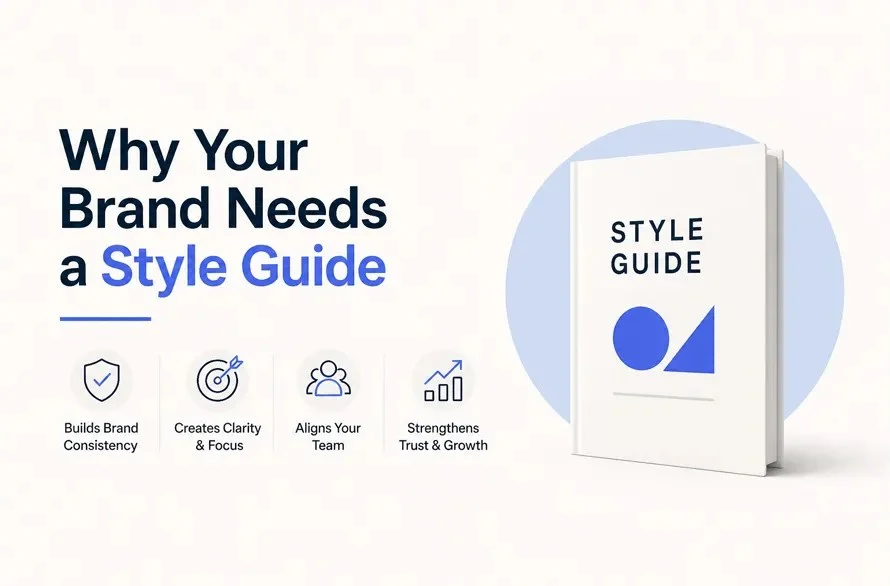
In the fast-paced digital ecosystem, a brand is more than just a name or a product; it is a promise of consistency. If you have ever encountered a company using three different shades of blue across their website, packaging, and social media channels, you have witnessed the inevitable decay that occurs when a brand lacks a structural foundation.
Brand guidelines are the definitive "rulebook" for your business. They serve as the central repository for how a brand should look, sound, and behave. Far from being a bureaucratic hurdle, these guidelines are the primary tool for maintaining brand equity. Whether you are a solo entrepreneur or a multinational corporation, your visual and tonal identity is your most valuable asset.

The Evolution of Brand Identity: A Chronology
The concept of the brand manual has evolved significantly over the last century.
- The Pre-Digital Era (1950s–1980s): Corporate identity was governed by physical "brand bibles." These were often massive, printed binders detailing every Pantone shade and typeface variation, intended for use by printers and sign-makers.
- The Desktop Publishing Revolution (1990s–2000s): With the arrival of digital design, guidelines shifted to PDFs. The focus moved toward software-specific assets, ensuring that designers using early versions of Adobe Illustrator could replicate the corporate logo accurately.
- The Web & Social Age (2010–2020): Guidelines became dynamic. Brands had to define not just how a logo looked on a business card, but how it appeared as a tiny favicon or a social media profile picture.
- The AI and Multi-Platform Era (2026–Present): Today, guidelines must account for AI-generated assets, responsive web design, and the rapid pace of content creation. The focus has shifted from "static rules" to "brand systems" that allow for flexibility while maintaining a cohesive core.
Supporting Data: The High Cost of Inconsistency
Market research consistently highlights that consistent presentation across all platforms can increase revenue by up to 23%. Conversely, when a brand fails to maintain its identity, it suffers from "brand dilution."

Consider the following metrics:
- Recognition: It takes 5 to 7 impressions for people to remember a brand. If the visual cues change with every impression, that threshold is never reached.
- Operational Efficiency: Design teams lose roughly 20% of their time to "rework"—fixing files that were created with the wrong colors, fonts, or logo placements. A clear set of guidelines acts as an internal reference library, eliminating this bottleneck.
- Customer Perception: 75% of consumers report that they are more likely to purchase from a brand that they recognize as professional and consistent.
Defining the Core Components of a Style Guide
A comprehensive brand guideline document is not merely an aesthetic choice; it is a strategic roadmap. Every element must serve a purpose:

1. Logo Usage and Clear Space
The logo is the anchor of your brand. Guidelines must specify the minimum size for readability, the required "clear space" (the buffer zone around the logo), and forbidden modifications—such as stretching, adding drop shadows, or using incorrect color combinations.
2. The Color Palette: Beyond HEX Codes
Colors evoke psychological responses. Red signals urgency, while blue fosters trust. Guidelines must provide technical specifications for every medium:

- HEX: For digital web use.
- RGB: For screen-based displays.
- CMYK/Pantone: For physical print materials.
3. Typography and Hierarchy
Using too many fonts is the hallmark of an amateur. A professional guide limits the brand to two or three typefaces. This includes definitions for H1 headlines, body text, and caption styles, ensuring that a user’s reading experience is seamless across devices.
4. Voice and Tone
How does your brand speak? If your company is a legal firm, the voice is authoritative and precise. If it is a lifestyle app, the voice might be conversational and energetic. Providing "before and after" examples of writing—such as a corrected customer service email—is the most effective way to train your team.

Official Industry Perspectives: The Role of AI
The integration of Artificial Intelligence into the design workflow has forced a shift in how we think about brand guidelines. Top-tier creative directors now emphasize "AI-Governance."
"We are no longer just guiding humans," says one lead brand strategist. "We are writing prompts. Our brand guidelines must now explicitly state the parameters for AI-generated imagery. If we use Midjourney or Adobe Firefly, we need to ensure the output matches our specific lighting, color temperature, and texture requirements."

Guidelines should now include a section on AI Ethics and Usage, defining:
- Which AI tools are approved for internal use.
- The required style prompts to ensure consistency.
- What the brand will never allow AI to produce (e.g., specific human depictions or political imagery).
Practical Implications for Your Business
If you are a startup with three employees or a mid-sized business, you may be tempted to skip this process. This is a critical error. The absence of a style guide leads to "visual drift," where the Instagram page, the business card, and the website eventually become unrecognizable to each other.

The "Template" Trap
Many companies purchase brand guideline templates from platforms like Canva or Figma. While these are excellent starting points, they are not a "set it and forget it" solution. You must treat a template as a skeleton. You need to fill it with your specific brand DNA. If you simply swap a logo and call it finished, you have a document that lacks the nuance required to steer your brand.
Accessibility and the Living Document
A PDF buried on a server is as good as non-existent. Modern brands are moving toward:

- Notion or Confluence Portals: Where guidelines are searchable and interactive.
- Change Logs: Every time a color is tweaked or a font is updated, the change log must note the date and the reasoning. This prevents confusion among remote teams.
Conclusion: Protecting Your Investment
Brand guidelines are a form of insurance. You have likely invested significant capital—or significant time—into your logo design, your website, and your messaging. Without a rulebook, that investment is at risk of being degraded by every freelancer, new hire, or marketing assistant who touches your assets.
Start small. Create a one-page "brand cheat sheet" today if you don’t have one. Include your primary logo, two core fonts, your color hex codes, and three bullet points on your tone of voice. As your business scales, expand this into a 50-page design system. By doing so, you ensure that your brand remains consistent, professional, and trustworthy, no matter how much you grow.

Frequently Asked Questions (FAQs)
Q: Do small businesses really need a 30-page brand guide?
A: Not necessarily. A one-page "brand board" is often sufficient for a small team. The length matters less than the clarity of the instructions.
Q: How often should I review my guidelines?
A: A formal review should occur annually. However, if you launch a new product line or pivot your marketing strategy, your guidelines should be updated immediately.

Q: Should I include "don’ts" in my guide?
A: Absolutely. Showing designers exactly what not to do (e.g., "Do not use the logo on a patterned background") is often more effective than explaining what to do.
Q: How do I ensure my team actually uses the guidelines?
A: Make them accessible. If the guide is not easily found in your internal communication hub or shared cloud drive, it will be ignored. Embed the link in your project management software.










No comments yet. Be the first to join the conversation!