

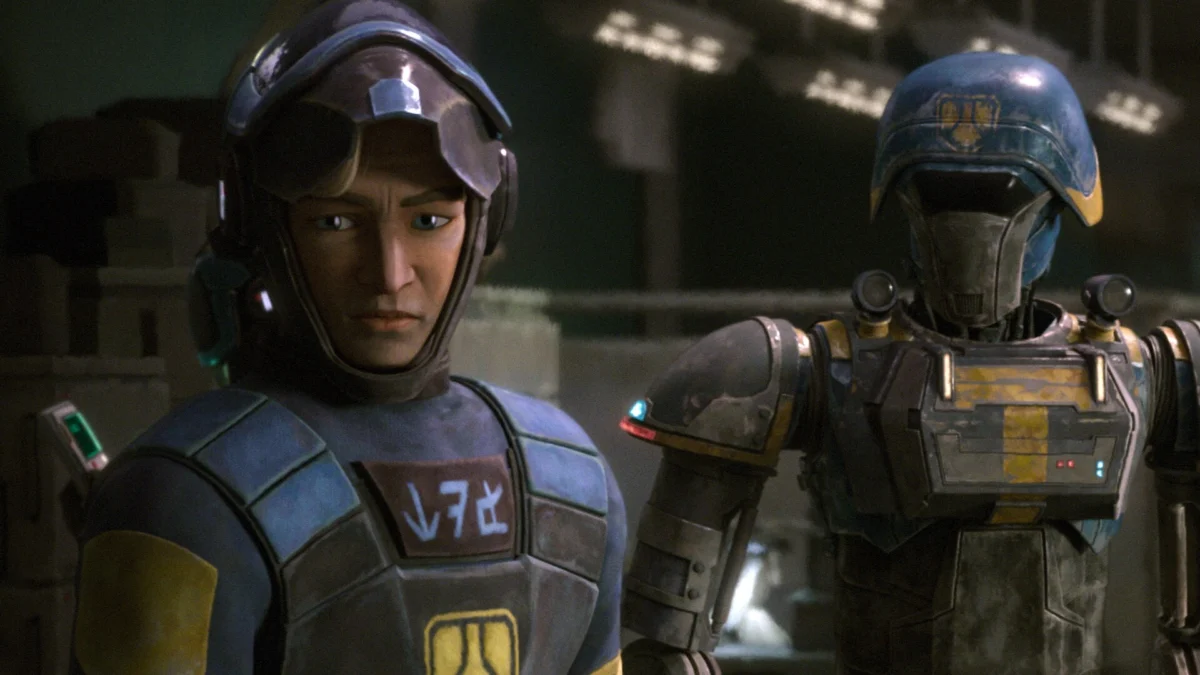
The Star Wars galaxy has long been defined by the epic struggle between the light and the dark, but rarely has it ventured into the gritty, rain-slicked corridors of hardboiled noir. With the release of Star Wars: Maul — Shadow Lord on Disney+, Lucasfilm has unveiled a new, pulpy chapter in the life of one of the galaxy’s most enduring villains. Far from the grand, sprawling space operas of the past, this animated series offers a focused, character-driven examination of revenge, obsession, and the dark underbelly of the Imperial era.
"You don’t have to know anything about Star Wars or even Maul to get into this story," says Head Writer Matthew Michnovetz. "At its core, this is a narrative about a man who has been wronged by a collective of individuals, and he is determined to exact a brutal, calculated payback."
The Genesis of a Noir Odyssey
To craft a narrative that felt distinct from the heroic arcs of the Jedi, the creative team—led by Supervising Director Brad Rau, Head Writer Matthew Michnovetz, and Lore Executive Matt Martin—immersed themselves in the lore of Maul. They built a "show bible" that tracked every figure who had ever crossed the former Sith Lord, creating a comprehensive kill list that drives the plot of the first season.
The series finds its setting on Janix, a newly conceptualized Mid Rim planet that serves as the perfect stage for a crime drama. Janix is a world of contrasts: a sprawling, neon-lit metropolis built into the crater of an ancient site, surrounded by an encroaching, overgrown jungle. It is a place that feels forgotten by the Empire, yet is stifled by its oppressive bureaucratic reach.
Chronology and Episodic Deep-Dives
The narrative is structured as a slow-burn procedural, revealing the depths of Maul’s isolation and his willingness to use whatever tools are at his disposal to dismantle his enemies.
Episodes 101–102: The Setup
The series opens with the introduction of Janix and the players involved in Maul’s web of vengeance. We are introduced to the TDF (Tactical Defense Force), the local law enforcement agency. The world-building here is meticulous; neon signs advertising "The Best Blurrger in Town" and hyperfuel contrast sharply with the grim reality of the city’s criminal underworld. A key highlight is the introduction of Two-Boots, an eccentric droid voiced by Richard Ayoade, marking his return to the Star Wars fold after his performance as Q9-0 in The Mandalorian.
Episodes 103–104: The Syndicate’s Reach
The stakes escalate as the Pyke Syndicate becomes a central focus. The series cleverly blends the live-action aesthetic of the Pykes from The Book of Boba Fett with the stylized designs of The Clone Wars. This arc delves into Maul’s past, specifically his relationships with his fallen brother, Savage Opress, and Mother Talzin, grounding his current violence in deep, personal tragedy.
Episodes 105–106: The Inquisitors Arrive
As the Empire begins to take notice of the unrest on Janix, the show shifts into a tense thriller. The introduction of the First Brother, Marrok—a character previously seen in Ahsoka and Tales of the Empire—adds a layer of dread. The production design here is particularly notable, as the team utilized McQuarrie-inspired stormtrooper designs to bridge the gap between the Clone Wars-era equipment and the eventual uniform aesthetic of the Galactic Empire.
Episodes 107–108: The Call to Oblivion
The tension peaks with the arrival of the Eleventh Brother, or "The Crow." This episode leans heavily into horror tropes, with the Inquisitor moving with an unsettling, unnatural speed. The sound design, particularly the "bone leather" creaking noise added by David W. Collins, helps transform these villains into terrifying forces of nature.
Episodes 109–110: The Dark Lord’s Shadow
The finale serves as a masterclass in tension. The climax features a confrontation between Maul and Darth Vader, a pairing rarely seen in canon. Director Steward Lee choreographed the fight sequences to emphasize the power gap between the two; while Maul is a master of his craft, he is entirely outmatched by the raw, brutal efficiency of the Sith Lord.
Supporting Data: Crafting the Atmosphere
The success of Maul — Shadow Lord lies in its commitment to the details. The writers and artists drew heavily from non-Star Wars cinema to inform their visual and narrative choices.
- Cinematic Influences: Head Writer Matthew Michnovetz cited the 1995 crime epic Heat as a primary inspiration for the cat-and-mouse dynamic. Furthermore, the arrival of Darth Vader in the final act was heavily modeled after the slasher tropes of Friday the 13th and Halloween, creating an atmosphere of inescapable doom.
- The "Janix" Aesthetic: The city of Janix is a deliberate homage to Gotham City. The art team, led by Andre Kirk, designed the city to feel claustrophobic, with the "Sludge Lake Battle" set in a waste dump that represents the moral decay of the planet.
- Performance and Motion: The animation process was elevated by the involvement of actor Sam Witwer, who provided live reference sessions for the animators. Witwer drew the iconic markings on his own face to guide the artists, ensuring that every micro-expression and twitch of Maul’s face felt authentic to the character.
Official Responses and Creative Vision
The creative team at Lucasfilm has been vocal about the importance of keeping the series grounded. For Brad Rau, the goal was to avoid "over-explaining" the galaxy and instead focus on the immediate, tangible experience of the characters.
"When we look at characters like Captain Brander Lawson, we wanted to show a man who is clearly better at his job than he is at his domestic life," Rau noted during a press roundtable. "The six cups of caf on his desk, the takeout boxes—these aren’t just props; they are storytelling tools that tell you who he is without a single line of dialogue."
Lore Executive Matt Martin highlighted the importance of continuity, noting that while Shadow Lord is a contained story, it respects the deep history of Maul’s appearances in The Clone Wars, Solo, and the comic book runs. The use of specific items—such as the lightsaber hilt modeled after the one Maul lost on Mandalore—provides a sense of continuity that rewards long-time fans without alienating new viewers.
Implications for the Star Wars Universe
Star Wars: Maul — Shadow Lord represents a significant shift in how Lucasfilm approaches spin-off content. By moving away from the "Jedi-centric" perspective, the studio has opened the door for more genre-bending projects.
The Evolution of the Inquisitorius
The series offers the most comprehensive look at the Inquisitorius to date. By focusing on their "wraithlike" nature and their specific hunting techniques, the show changes the perception of these villains from mere "Jedi hunters" to cold, efficient agents of an encroaching totalitarian state.
Bridging the Eras
The inclusion of characters like Dryden Vos and references to the Crimson Dawn remind audiences that the criminal underworld of the Star Wars galaxy is a thriving, dangerous ecosystem. The show effectively bridges the gap between the fall of the Republic and the height of the Imperial era, showing how the transition affected local systems like Janix.
A New Standard for Animation
Finally, the series sets a new bar for animation quality. The fusion of traditional digital animation with practical lighting techniques, such as the smoke machine projections used for Maul’s visions, gives the show a textured, tactile quality that feels distinct from the cleaner look of previous series.
As the credits roll on the final episode, the message is clear: the Star Wars galaxy is far larger and darker than we previously imagined. Maul — Shadow Lord is not just a show about a villain; it is a meditation on the cost of revenge and the terrifying reality of life in the shadow of the Empire. With all episodes now streaming on Disney+, audiences are invited to step into the crater of Janix and witness the beginning of a new, darker age.











No comments yet. Be the first to join the conversation!