Lina Irawan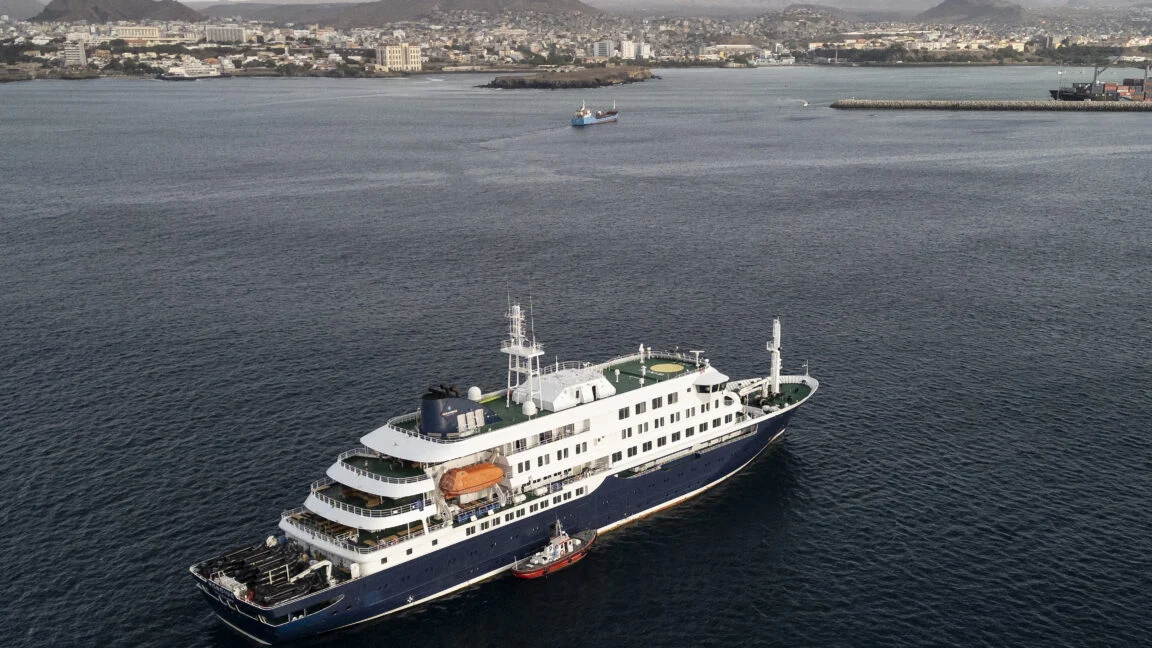
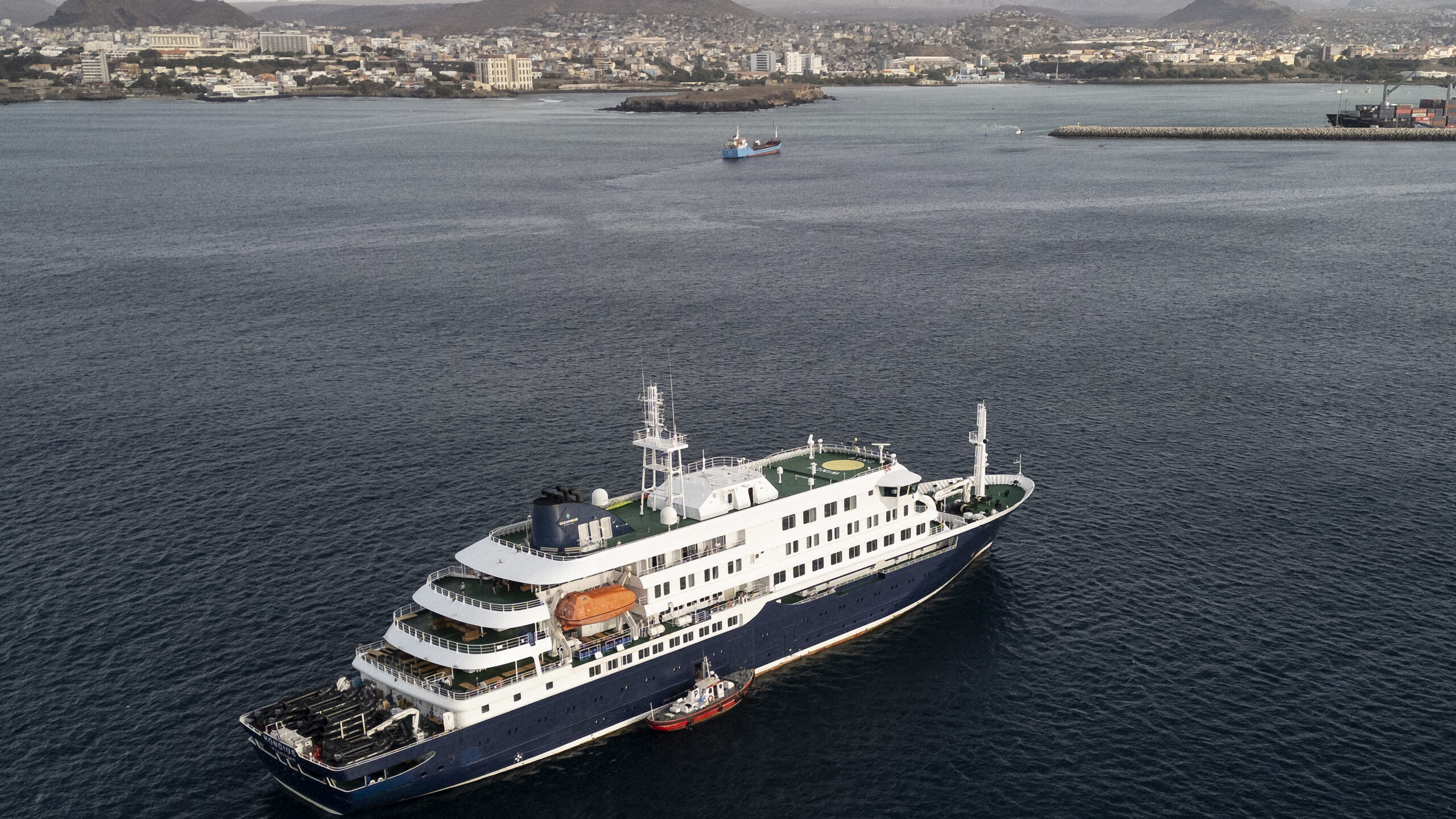
An unprecedented outbreak of hantavirus aboard the luxury expedition cruise ship MV Hondius has triggered international alarm, raising questions about cruise-ship contagion, the unique risks of the Andes virus (ANDV), and the adequacy of global health surveillance systems. While the situation has understandably sparked anxiety reminiscent of the early days of the COVID-19 pandemic, leading infectious disease experts and health authorities from the World Health Organization (WHO), the European Centre for Disease Prevention and Control (ECDC), and the U.S. Centers for Disease Control and Prevention (CDC) have issued a unified message: the risk to the general public remains extremely low.
As of early May 2026, the vessel—which carries 147 passengers and crew—has become the center of a complex logistical and medical operation. With three deaths already confirmed and several other individuals hospitalized, the world is watching as health agencies attempt to manage a pathogen that, while notoriously deadly, does not behave like the respiratory viruses that have defined the last decade of global health crises.
A Chronology of the Crisis
The MV Hondius departed Ushuaia, Argentina, on April 1, 2026, intended for a voyage through the remote waters of the South Atlantic. However, the journey soon took a tragic turn.
- April 6: The first case of illness appeared in a male passenger. The individual had recently completed a bird-watching excursion through Argentina, Chile, and Uruguay—a region known to harbor the Oligoryzomys longicaudatus (long-tailed pygmy rice rat), the primary reservoir for the Andes virus.
- April 11: The index patient died aboard the ship. At the time, his symptoms, which included severe respiratory distress, were misidentified as a generic respiratory infection.
- April 24: His wife, who had been traveling with him, disembarked at the remote island of St. Helena. By this time, she was already symptomatic. On the same day, a third passenger presented to the ship’s medical staff with symptoms.
- April 26: The wife of the index patient collapsed at an airport in Johannesburg, South Africa, and passed away.
- April 27–28: The third passenger was medically evacuated from the island of Ascension to South Africa, where he remains in intensive care. A fourth passenger, a woman, developed symptoms on the ship.
- May 2: The fourth passenger died on board. Simultaneously, clinical testing on the man in South Africa confirmed the presence of hantavirus.
- May 4–8: The ship arrived in Cape Verde. Three additional symptomatic passengers were evacuated to the Netherlands and Germany for specialized care. Meanwhile, a former passenger who had disembarked in St. Helena was diagnosed with ANDV in Zurich, Switzerland.
Currently, the MV Hondius is sailing toward the Canary Islands, where Spanish authorities are coordinating with the WHO to facilitate a safe, quarantined disembarkation of the remaining 147 individuals on board.
The Science of the Andes Virus
To understand why experts are confident this will not become a pandemic, one must understand the biology of the Andes virus (ANDV). Hantaviruses are enveloped, negative-strand RNA viruses. While "Old World" hantaviruses (found in Asia and Europe) are primarily linked to Hemorrhagic Fever with Renal Syndrome (HFRS), the "New World" viruses—specifically the Andes virus found in South America—are associated with Hantavirus Pulmonary Syndrome (HPS).
The transmission route of HPS is what separates it fundamentally from influenza or SARS-CoV-2. In the vast majority of cases, hantavirus is a "dead-end" zoonotic infection. Humans contract it when they inhale aerosolized particles from the urine, droppings, or saliva of infected rodents. It is not, in the traditional sense, a "human-to-human" respiratory pathogen.
However, the Andes virus is the singular exception to this rule. It is the only known hantavirus documented to spread between people. Even then, transmission is rare and requires extremely close, prolonged contact—such as shared household living, caretaking of an infected individual, or, in the case of this outbreak, the confined, recirculated air environments of a cruise ship.
Official Responses and Risk Assessment
The consensus among global health leaders is that the Hondius outbreak is a localized tragedy, not the beginning of a global wave. Maria Van Kerkhove, WHO’s acting director for epidemic and pandemic management, was unequivocal during a Thursday press briefing: "This is not COVID. This is not influenza. It spreads very, very differently."
The ECDC assessment supports this, noting that even if secondary cases emerge among those who disembarked early, the virus lacks the "ease of transmission" required to sustain an outbreak in the general community. The CDC has similarly categorized the risk to the U.S. public as "extremely low."
The primary defense against this virus is not a vaccine—as none currently exists—but rather environmental control and rigorous isolation. In regions like Chile, where HPS is endemic, survival is tied to rapid access to high-level care, specifically Extracorporeal Membrane Oxygenation (ECMO). ECMO acts as an artificial lung, bypassing the compromised respiratory system to oxygenate the blood, significantly improving outcomes for patients suffering from the pulmonary edema characteristic of the late stages of HPS.
Understanding "Superspreader" Dynamics
The history of the Andes virus provides a roadmap for what investigators are looking for now. During a 2018–2019 outbreak in Argentina’s Chubut province, 34 cases were identified. Researchers found that transmission was almost entirely driven by "superspreader" events: birthday parties, wakes, and close-quarters social gatherings where an infected person was in the prodromal phase of the illness—a period characterized by fever, fatigue, and muscle aches, often occurring days before severe respiratory symptoms manifest.
Crucially, in that same 2018 outbreak, 82 healthcare workers exposed to symptomatic patients in a hospital setting did not contract the virus. This suggests that with standard, consistent use of personal protective equipment (PPE)—such as N95 masks, goggles, and gowns—the risk of transmission is effectively neutralized. The virus is not airborne in the way measles is; it requires a higher threshold of exposure to jump from host to host.

Implications for Global Surveillance
The MV Hondius incident serves as a stark reminder of the "gaps" in modern travel surveillance. The fact that the initial case was misdiagnosed and that symptomatic individuals were allowed to disembark in St. Helena highlights the challenges of identifying rare, non-respiratory-focused pathogens in international transit.
As the WHO coordinates the next steps, the focus is twofold:
- Clinical Monitoring: The 147 individuals currently on the ship are being monitored for the 42-day incubation period associated with HPS. While a 42-day quarantine is logistically daunting, officials are currently prioritizing active surveillance (daily temperature checks and symptom reporting) over strict, indefinite confinement for all passengers, provided they remain asymptomatic.
- Genomic Sequencing: Researchers are currently analyzing the viral samples to determine if this specific strain of ANDV has acquired mutations that might increase transmissibility. However, preliminary data suggests that the "outbreak" nature of this event is more a result of the unique environment of the ship—a closed, high-contact system—rather than any genetic adaptation of the virus itself.
Conclusion: A Controlled Emergency
While the death of three passengers and the hospitalization of others is a profound tragedy, the epidemiological evidence strongly suggests that the Andes virus will not escape the current containment perimeter. The virus is biologically constrained by its need for intense, prolonged physical proximity and is further hampered by the lack of natural aerosolization common to respiratory pandemic viruses.
The MV Hondius crisis is a high-stakes test of the "lessons learned" from the COVID-19 era. By utilizing rapid isolation, contact tracing, and, most importantly, clear communication about the virus’s limitations, health authorities are preventing a localized emergency from evolving into a global health catastrophe. The incident underscores the ongoing necessity for better diagnostic tools for rare zoonotic diseases, but it also confirms that, in the face of known pathogens, the international health community remains capable of rapid, effective, and evidence-based response.


 Suro Senen
 Ammar Sabilarrohman