

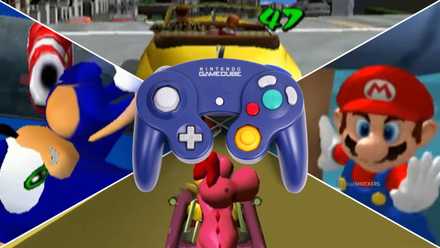
When Nintendo first announced the inclusion of GameCube titles in the Nintendo Switch Online (NSO) service alongside the hardware launch of the Switch 2, the gaming community erupted with optimism. The GameCube era is widely regarded as one of Nintendo’s most creatively daring periods, defined by experimental gameplay, iconic mascots, and a library that defined a generation. Yet, nearly a year into the service’s life, the reality has been significantly more muted. With only nine titles currently available, the "drip-feed" strategy has left subscribers frustrated, yearning for the deep-cut classics that remain locked behind the doors of original, aging hardware.
The Chronology of a Slow Rollout
The history of the GameCube on modern hardware is a tale of missed opportunities and long-standing requests. Following the initial launch of the service, fans expected a robust, steady stream of legacy titles. However, the release schedule has been sporadic at best.

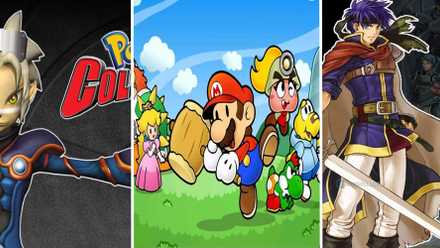
While the announcement of Pokémon XD: Gale of Darkness in March 2026 was a welcome surprise for the RPG community, it served to highlight a glaring omission: Pokémon Colosseum. The release of a sequel before the original title has created a confusing narrative gap for players looking to experience the full scope of the Orre region. This release pattern—prioritizing standalone sequels or niche titles over foundational classics—has become a hallmark of the current NSO strategy, leading to valid questions about the curation process behind the scenes.
The "Smoking Gun": Why Certain Games Remain Absent
The absence of highly anticipated titles is rarely a matter of negligence; more often, it involves complex technical or legal hurdles. Pokémon Colosseum, for instance, is a prime example of a game that likely faces internal quality control challenges. Veterans of the series are well aware of a game-breaking glitch involving the "snagging" mechanic. By manipulating the dual-battle input system, players can effectively bypass the need for Pokéballs, rendering the core economic loop of the game trivial.
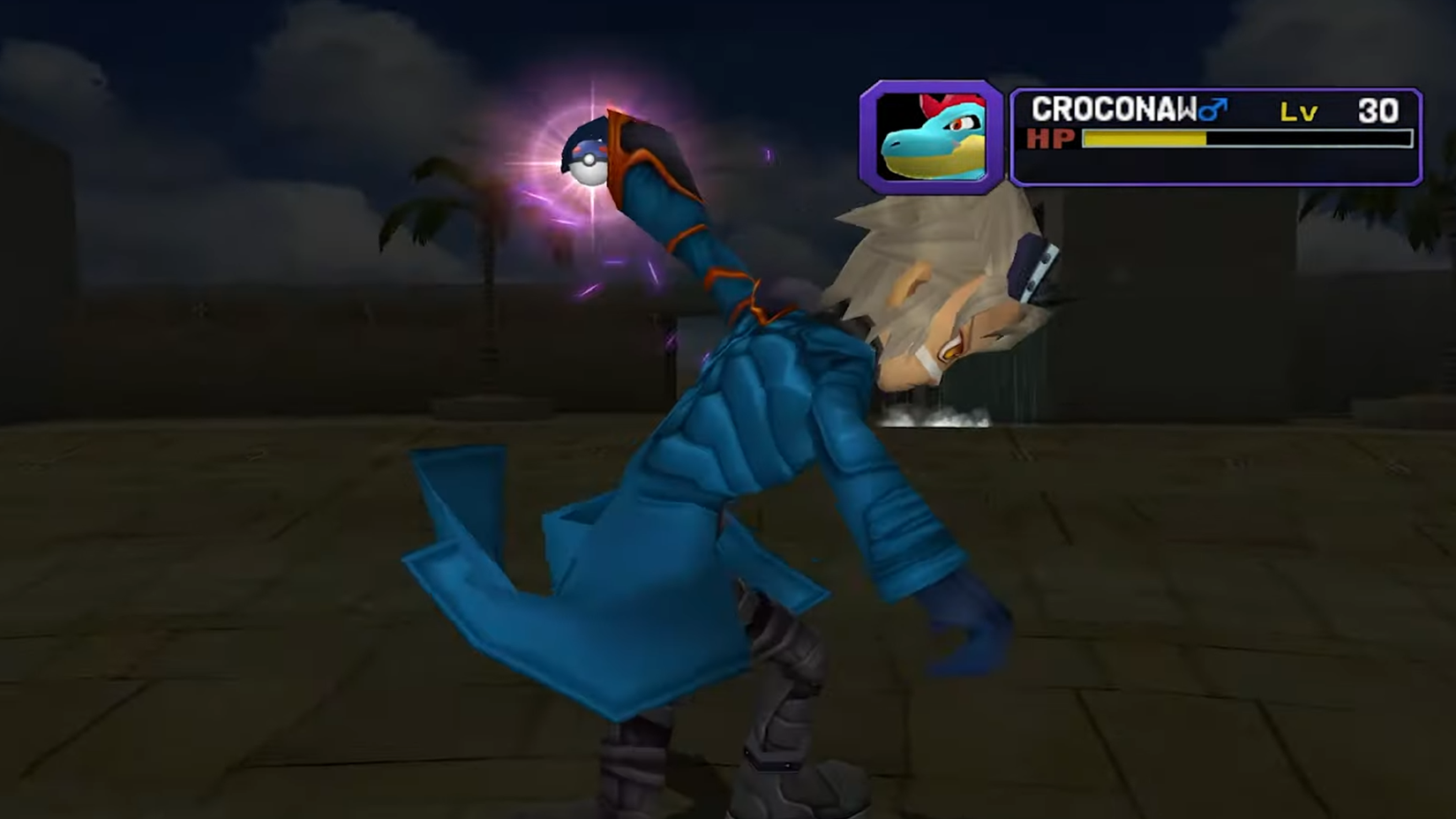
For Nintendo, which prides itself on the "polish" of its legacy offerings, deploying a title with such a documented exploit requires either a comprehensive emulation patch or a decision to leave the code as-is. In the current climate of high-definition upscaling and performance demands, the cost of "fixing" a twenty-year-old title to modern standards often outweighs the immediate perceived benefit of the release, resulting in the title being shelved indefinitely.
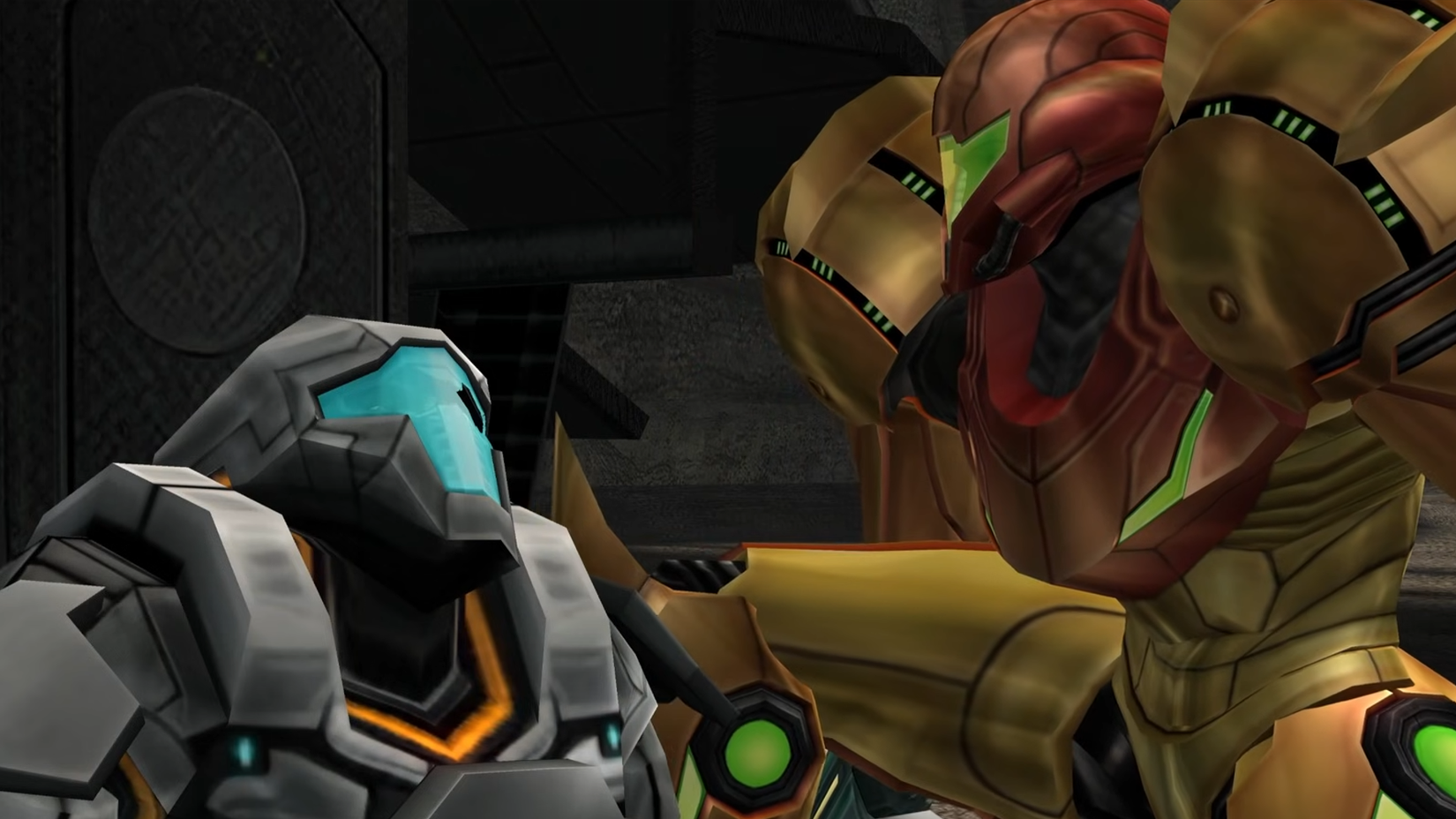
The Case for Essential Additions
The list of titles that are currently missing from the NSO library represents a significant portion of the GameCube’s cultural impact.
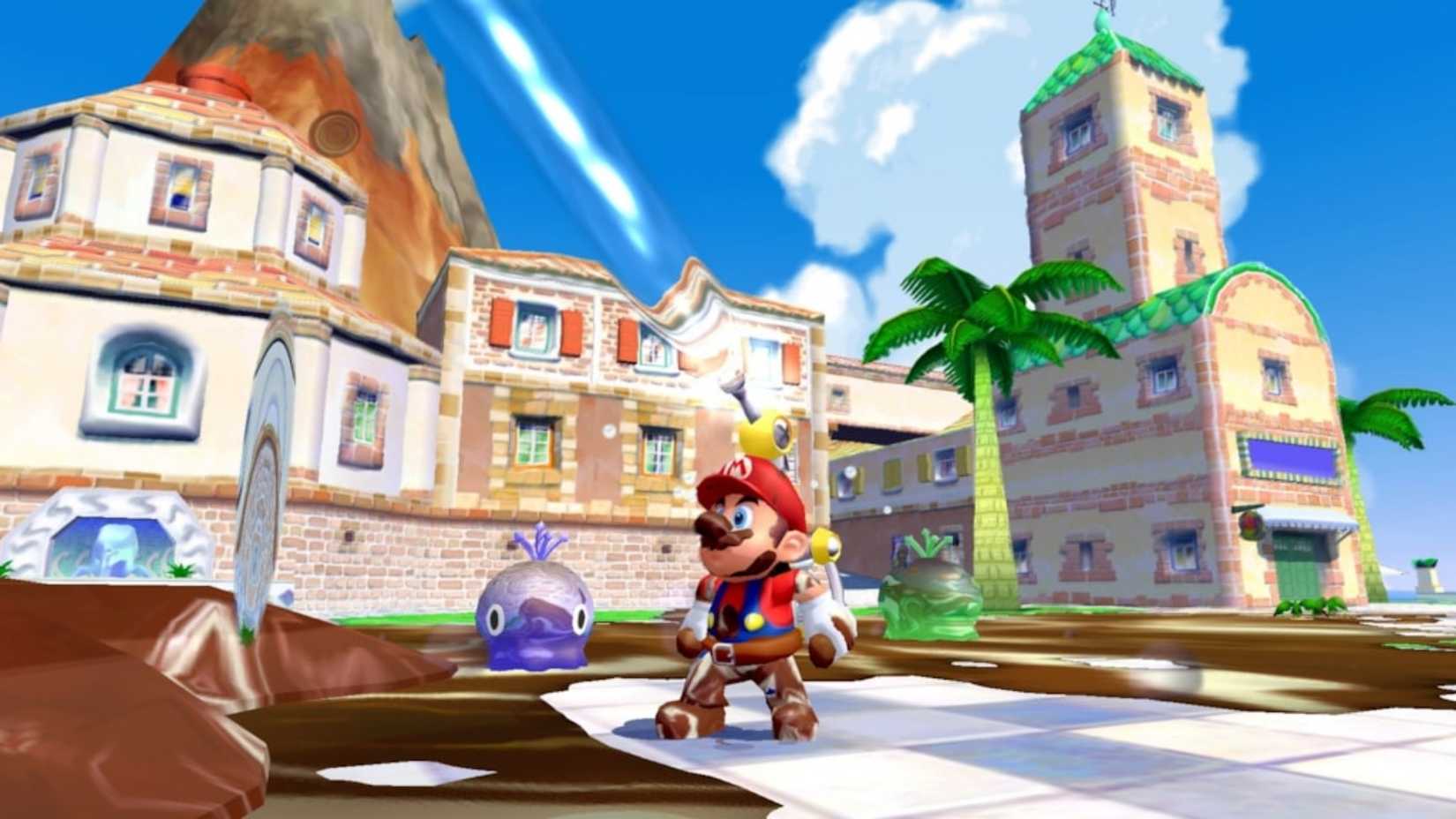
Metroid Prime 2: Echoes
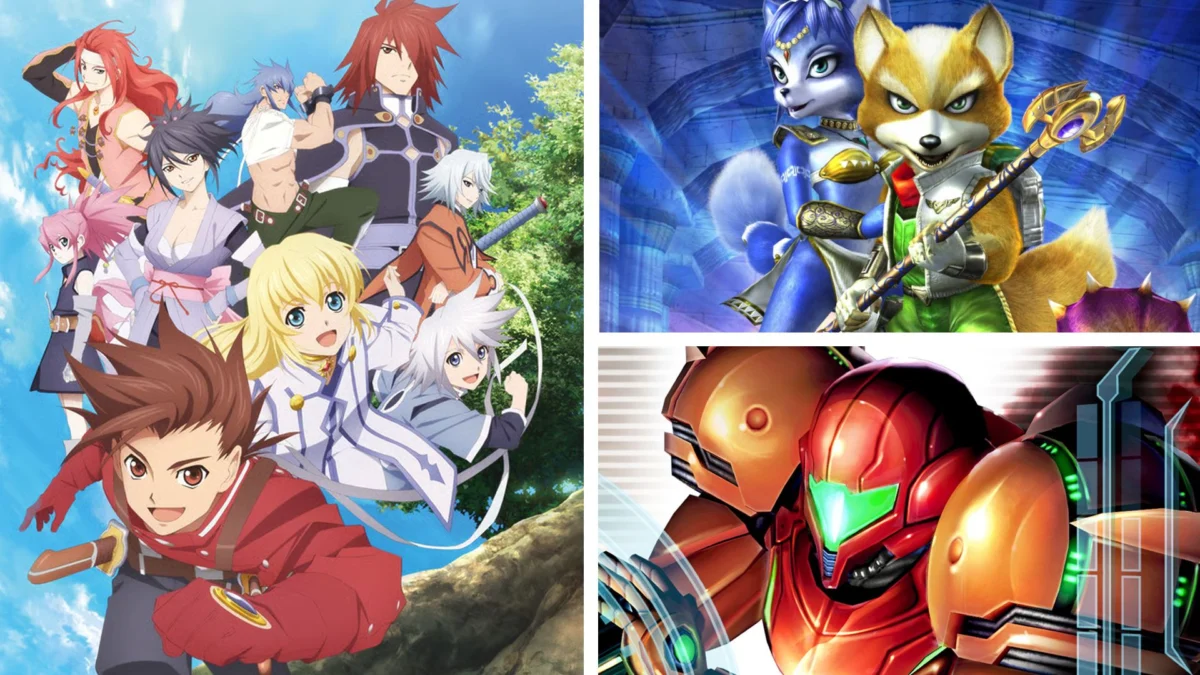
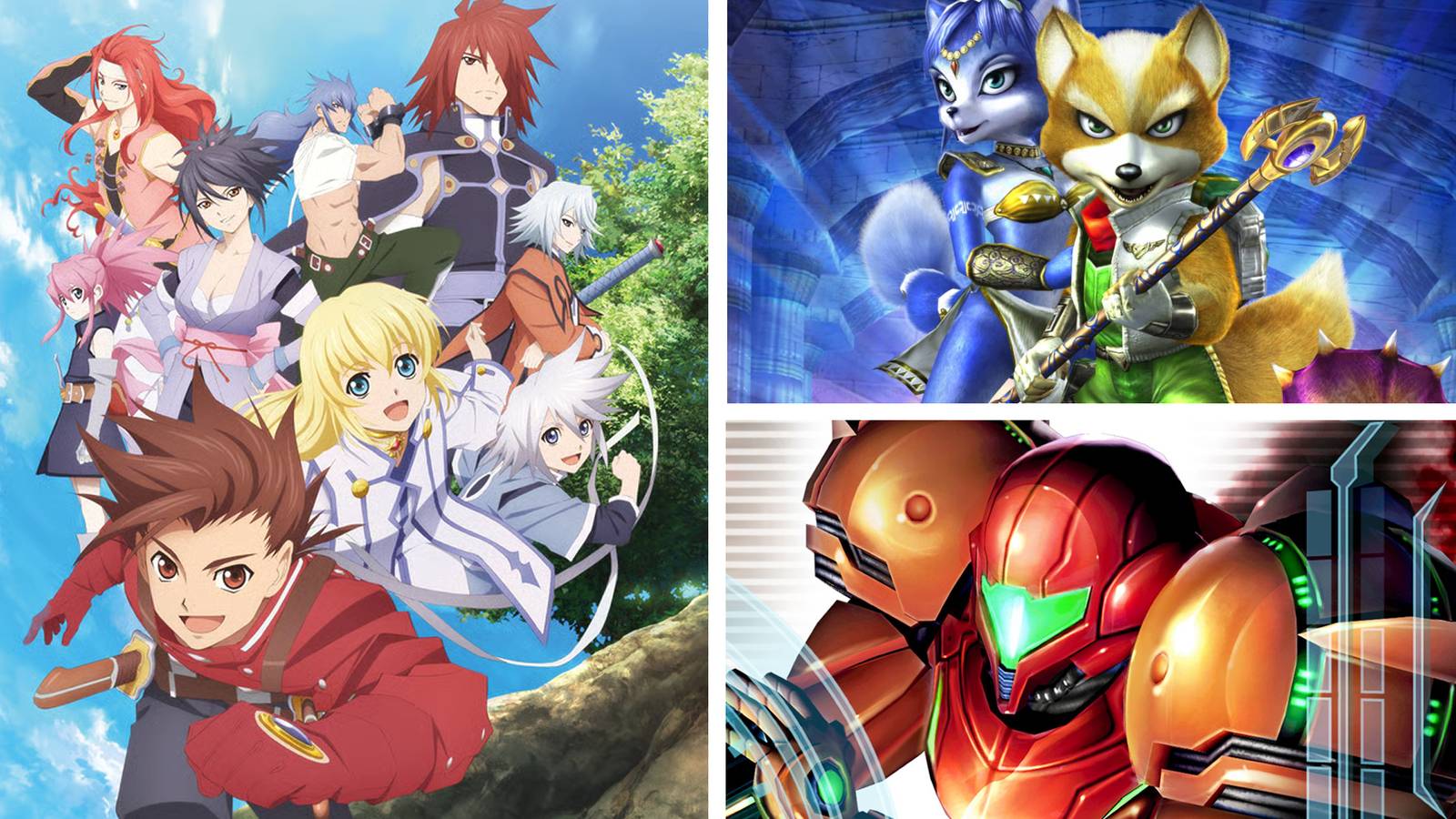
With Metroid Prime 4 now firmly established as a flagship title on the Switch 2, the lack of its predecessor’s direct sequel is glaring. Echoes refined the atmosphere and mechanics of the original, introducing the concept of Dark Samus and a dual-world exploration system that remains ahead of its time. Having been effectively trapped in the Wii’s Metroid Prime Trilogy compilation since 2009, Echoes is a prime candidate for a standalone digital release. Its inclusion would provide a perfect bridge for new players to engage with the franchise’s history.
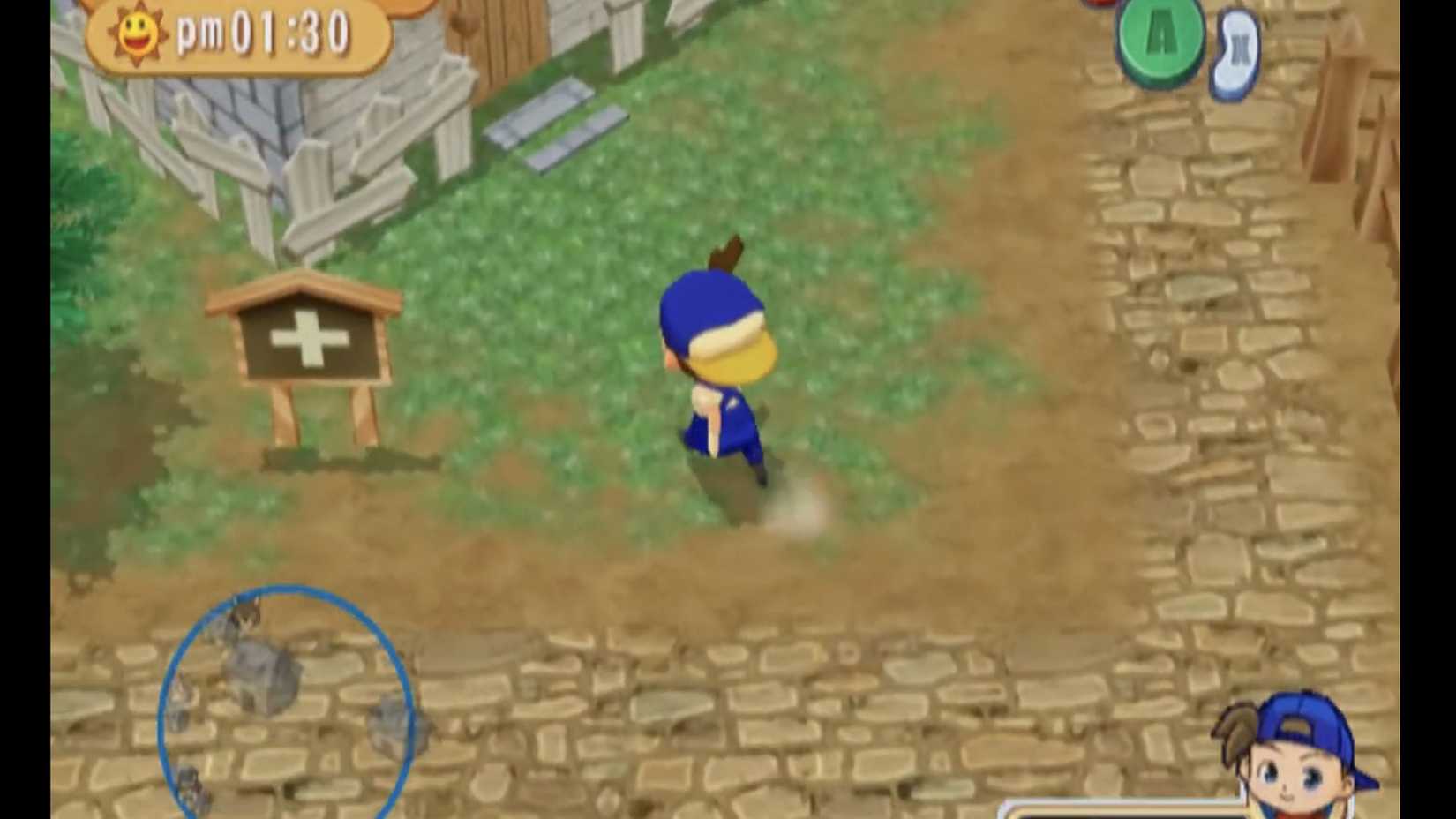
Super Mario Sunshine
The 40th anniversary of Super Mario has been a massive year for Nintendo, yet Super Mario Sunshine remains curiously absent from the NSO lineup. While the game was briefly available as part of the Super 3D All-Stars collection, that limited-time window has long since closed. Its absence is particularly baffling given the game’s status as a quintessential 3D platformer. With the success of Super Mario Bros. Wonder and the resurgence of the Galaxy series, Sunshine represents a missing piece of the Mario legacy that deserves permanent access on the current platform.
Tales of Symphonia
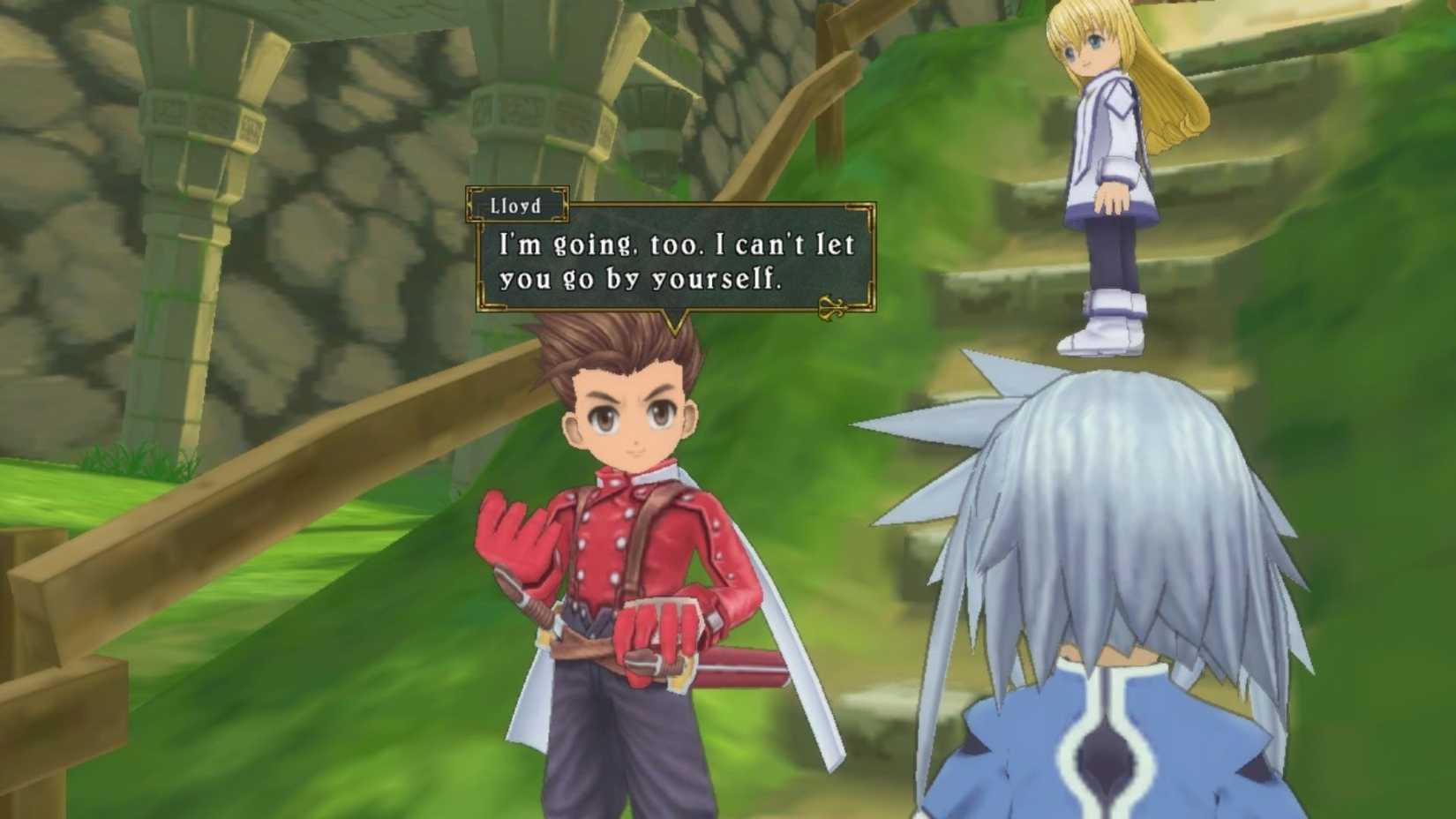
The JRPG landscape on the GameCube was defined by Tales of Symphonia. Despite recent remasters on modern consoles, many purists argue that the original GameCube iteration remains the definitive experience. Nintendo’s strong partnership with Bandai Namco suggests that the bureaucratic path to bringing Symphonia to NSO is clearer than most, yet the game remains in limbo. Bringing this title to the service would not only honor the history of the console but also provide a high-value RPG for subscribers, significantly bolstering the service’s worth.
Implications for the Future of NSO
The current strategy of "less is more" is beginning to wear thin on the consumer base. When subscribers pay a recurring fee for the promise of a "classic" library, they expect the service to act as an archive of gaming history, not a limited-time storefront.
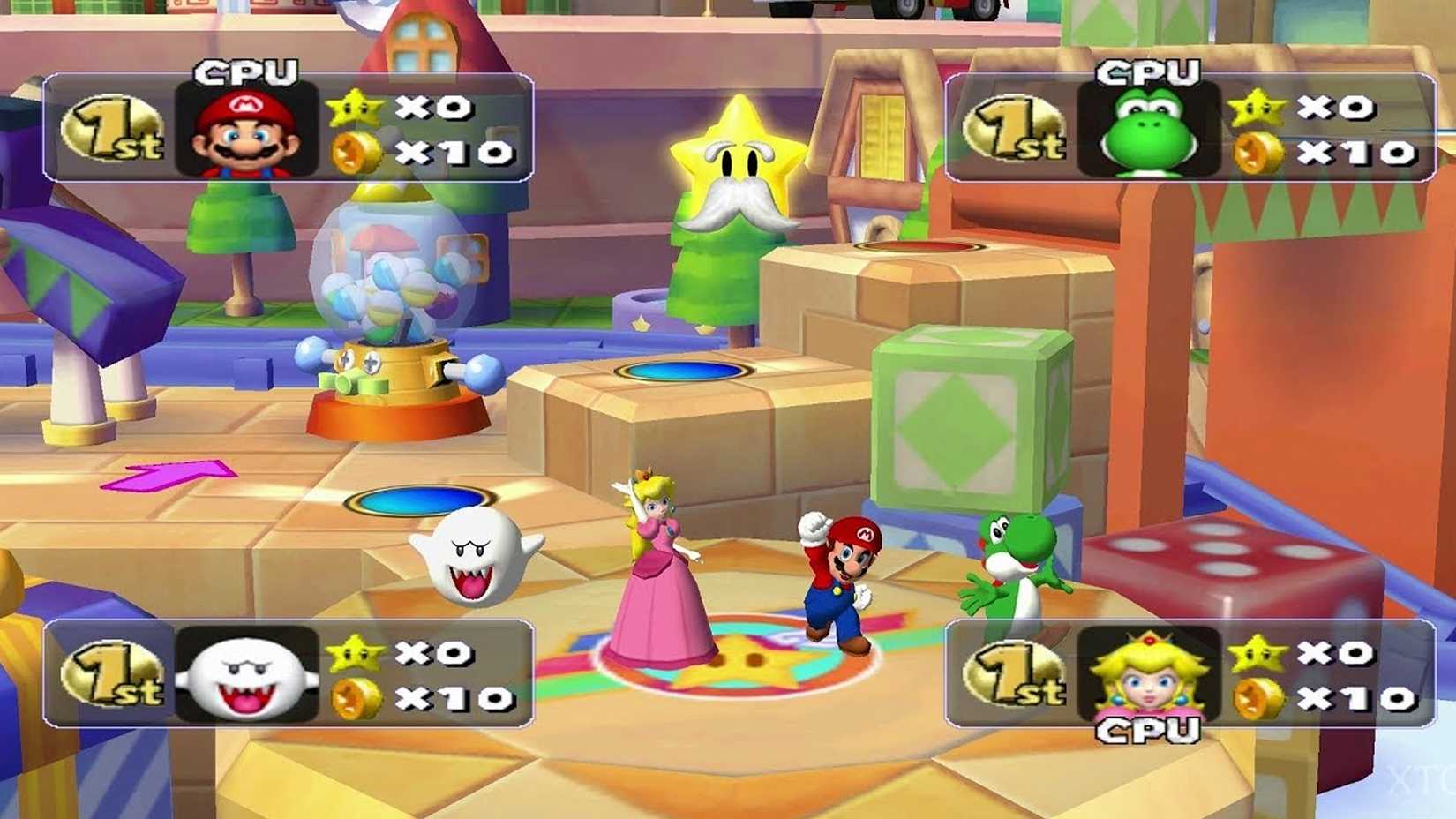
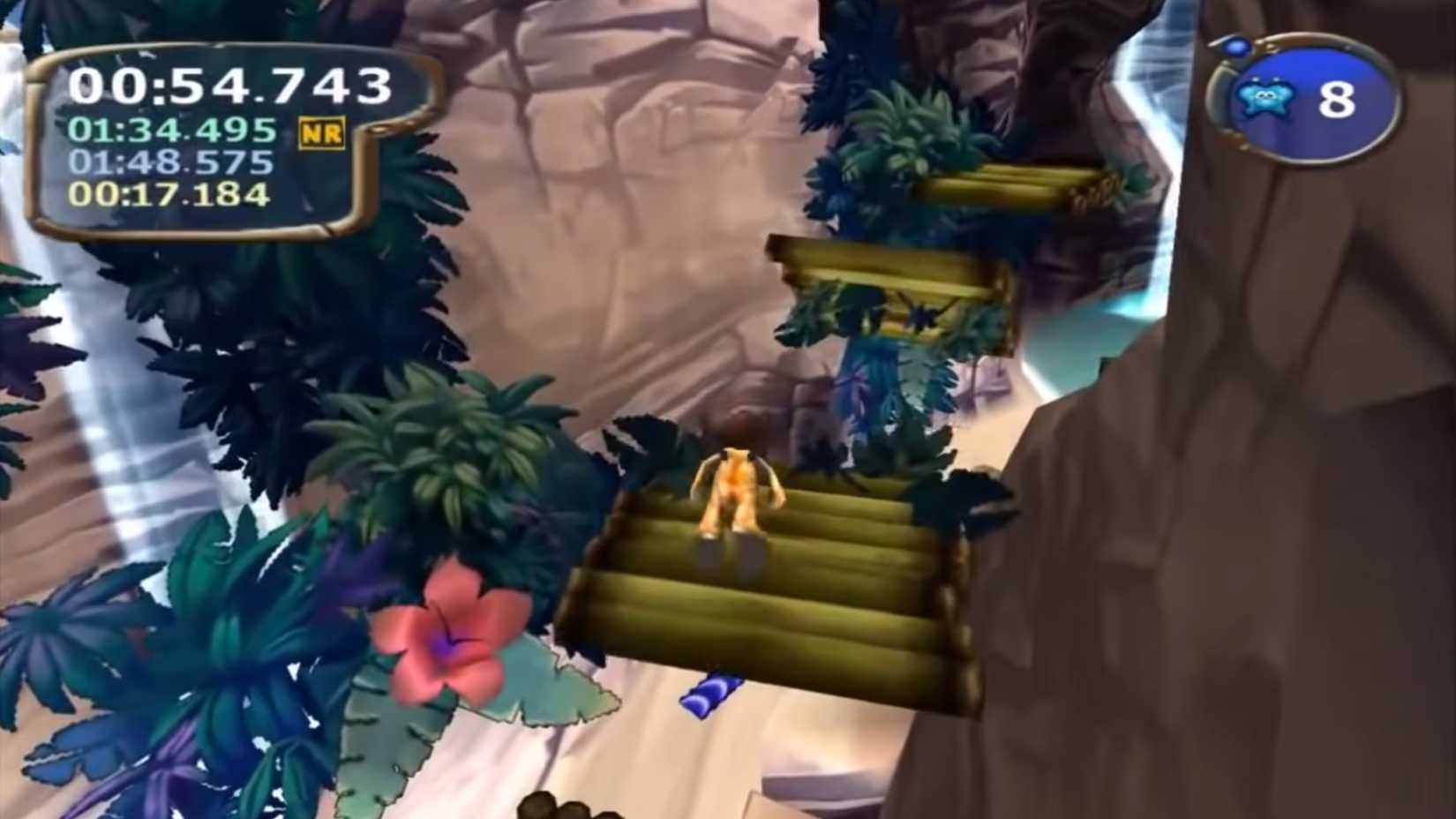
The inclusion of cult classics like Ribbit King or the bizarrely compelling Rayman Arena would signal a shift in philosophy—one that prioritizes variety and preservation over high-profile brand recognition. Ribbit King, with its unique "Frolf" mechanics, represents the type of weird, delightful experimentation that defined the GameCube’s third-party support. If NSO is to remain a viable competitor in the subscription space, it must embrace these oddities alongside the blockbuster hits.
Furthermore, the "Sega allergy"—a term coined by fans to describe the reluctance to bring titles like Skies of Arcadia to the service—must be addressed. Sega’s library is one of the most requested, and with their existing relationship with Nintendo regarding Genesis titles, there is no technical reason why their GameCube-era RPGs cannot be made available.
Official Stance and Community Outlook
While Nintendo has remained tight-lipped regarding its long-term roadmap for the NSO GameCube Classics, the implication is clear: the company is holding back content to sustain subscriber interest over the multi-year lifecycle of the Switch 2. However, this drip-feed approach risks alienating the very audience it intends to capture.
As of May 2026, the sentiment is shifting from excitement to exhaustion. The community is no longer satisfied with the promise of "eventual" releases. There is a tangible demand for a more transparent, rapid, and comprehensive release schedule. Whether Nintendo will respond to this pressure by accelerating the launch of these titles remains to be seen. What is certain, however, is that the GameCube library is too rich, too diverse, and too beloved to remain mostly locked away. The service has the potential to be the ultimate historical portal for Nintendo fans; it only requires the courage to open the vault.









No comments yet. Be the first to join the conversation!