Pevita Pearce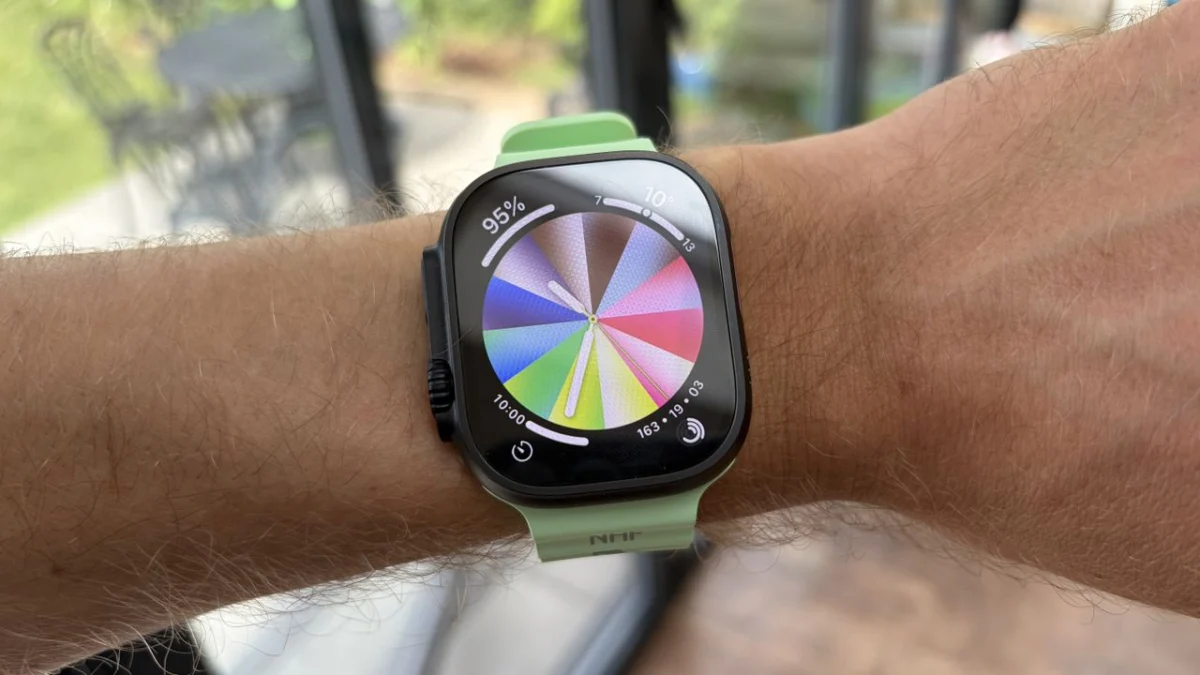
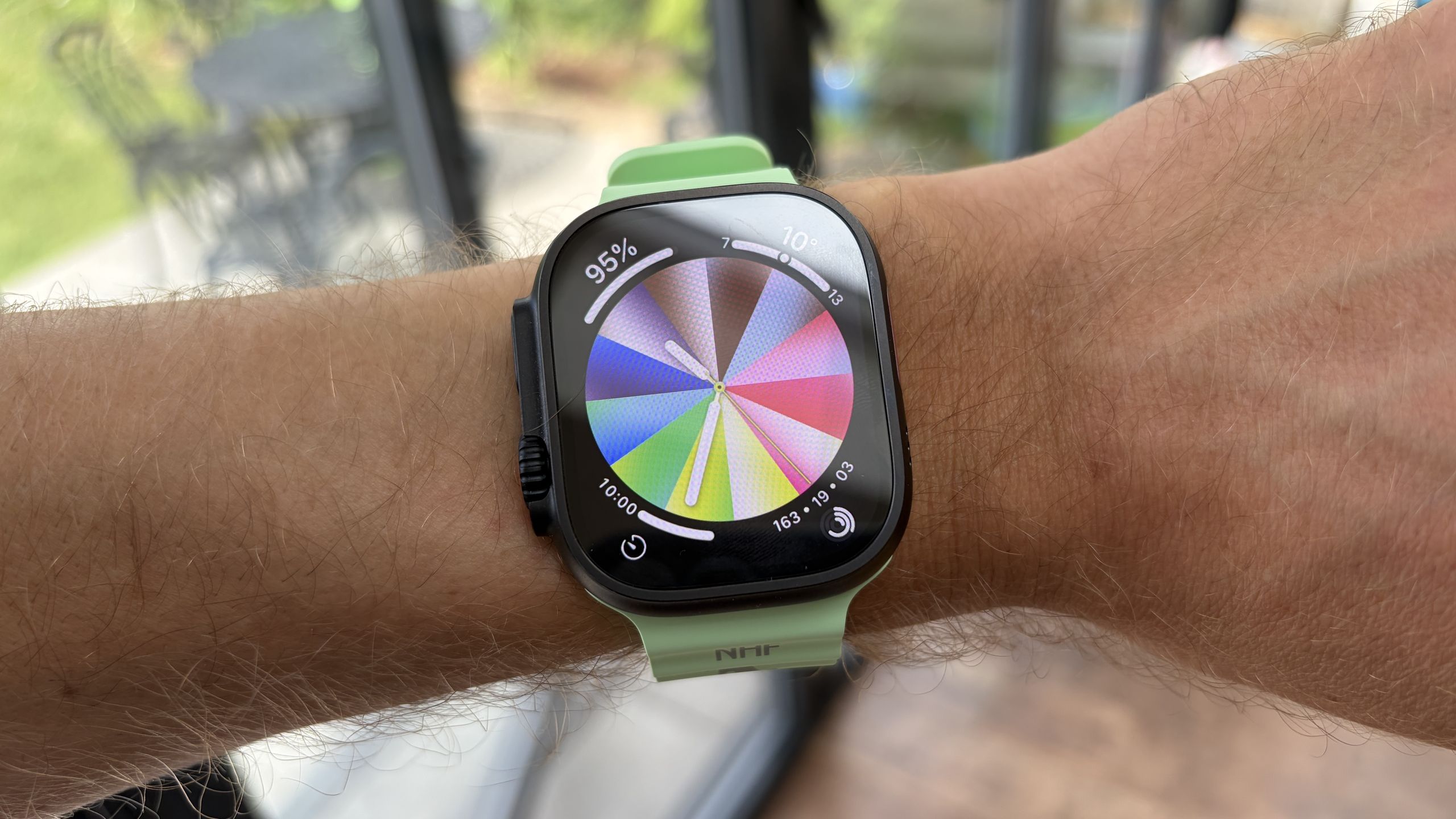
For years, the technology enthusiast community has engaged in a persistent, speculative dialogue regarding the future of biometric authentication on Apple’s wearable lineup. The dream was simple: a seamless, high-security unlock method—Touch ID—integrated directly into the Apple Watch Series 12 or the next iteration of the Apple Watch Ultra. However, recent reports suggest that this dream may remain firmly in the realm of fiction.
According to prominent industry leaker Instant Digital, who shared findings on the Chinese social media platform Weibo, rumors suggesting the integration of fingerprint sensors on Apple wearables are "completely false." This definitive statement serves as a cold bucket of water for those hoping to see the technology that once defined the iPhone and iPad era make its way to the wrist.
The State of Play: Main Facts and Current Rumors
The core of the matter is the divergence between user expectations and Apple’s hardware roadmap. While the inclusion of Touch ID—either as an under-display sensor or embedded within the Digital Crown—would theoretically provide a robust layer of security, Apple appears to have pivoted toward a different strategic priority.
Industry analysts and supply chain observers suggest that Apple is currently prioritizing "holistic sensor technology" over traditional biometric authentication. Instead of focusing on how users unlock their devices, the company is doubling down on what the devices can understand about the user’s biological state.
The consensus among experts is that the Apple Watch Series 12 will not feature a radical aesthetic redesign. Rather than focusing on external hardware changes like a fingerprint scanner, the company is expected to refine the internal architecture to accommodate advanced health-monitoring hardware. This shift signals a departure from the "authentication-first" mentality that drove previous speculation, moving toward a "wellness-first" philosophy.
A Chronology of the Touch ID Speculation
The history of Touch ID on the Apple Watch is a long-standing narrative of "almosts" and "what-ifs."
- The Early Days (2015–2018): Following the successful rollout of Touch ID on the iPhone 5s and subsequent models, users immediately began clamoring for the technology on the wrist. At the time, the technical constraints of miniaturizing a capacitive fingerprint sensor were significant, leading Apple to favor the PIN-code system paired with iPhone proximity unlocking.
- The iPad Transition (2020–2022): When Apple successfully integrated Touch ID into the power buttons of the iPad Air and iPad mini, the rumor mill reignited. If it could fit on a thin tablet button, proponents argued, it could surely fit on the Digital Crown.
- The Macworld Discovery (2024–2025): The most substantial fuel for these rumors came when code sleuths discovered references in watchOS betas that seemed to point toward biometric authentication protocols. This led many to believe that the Apple Watch Series 12 or the hypothetical Apple Watch Ultra 4 would be the debut devices for this technology.
- The Current Reality (2026): As of the present, the latest intelligence from Weibo leakers and supply chain insiders has effectively dampened these prospects, suggesting that the "code discoveries" were likely experimental internal prototypes or legacy framework remnants that were never intended for a consumer-facing product.
Supporting Data: Why the Pivot Makes Sense
While users may be disappointed by the lack of Touch ID, the technical and business arguments against it are substantial.
1. Spatial Constraints and Battery Life
Integrating a fingerprint sensor requires dedicated hardware, a glass or sapphire interface, and significant processing power to analyze biometric data. In the cramped internal chassis of an Apple Watch, every cubic millimeter is accounted for. Apple’s engineering team has consistently chosen to utilize that space for larger batteries, more precise heart rate sensors, or improved haptic engines—features that provide tangible daily value to the majority of users.
2. The Superiority of Proximity and Face ID
Apple has already perfected the "unlocking" experience through the Apple Watch’s integration with the iPhone and Mac. By utilizing the secure enclave on the iPhone to unlock the watch, and vice versa, Apple has created a frictionless ecosystem. Adding a fingerprint scanner would, in many ways, be a redundant and slower process compared to the passive, background authentication the device currently performs.
3. The Wellness Concierge Strategy
The most compelling evidence against Touch ID is the reported pivot toward an AI-powered "Wellness Concierge." According to Bloomberg’s Mark Gurman, Apple is developing a comprehensive health-tracking suite that will synthesize medical, fitness, and lifestyle data into a single, cohesive experience. This requires a significant allocation of the watch’s onboard neural engine resources. Prioritizing space for advanced sensors—such as non-invasive glucose monitoring or advanced blood pressure tracking—offers a much higher return on investment than a biometric security feature that is already effectively solved by existing software solutions.
Official Stance and Corporate Strategy
Apple, by design, remains characteristically silent regarding unannounced products. However, the company’s trajectory at recent Worldwide Developers Conferences (WWDC) provides a clear blueprint.
The focus has shifted away from hardware gimmicks and toward the "Apple Intelligence" ecosystem. By embedding advanced AI directly into the watchOS, Apple aims to make the watch a proactive health advisor rather than a reactive notification tool. The company understands that the true value of the Apple Watch is its ability to monitor health data in the background. If a user has to stop and place their finger on a sensor to unlock the watch, it creates friction. Apple’s design ethos prioritizes "invisible" technology; the watch should be ready to use the moment it hits your skin, without requiring an explicit biometric gesture.
The Implications: What Does This Mean for the User?
The abandonment of Touch ID is not a sign of stagnation, but rather a sign of maturity. For the consumer, the implications are twofold:
1. Higher Expectations for Health Data
Because Apple is eschewing traditional security hardware, the pressure is on the company to deliver on the "holistic sensor" promise. If the Series 12 does not provide significant leaps in health-tracking capability—such as better sleep apnea detection, mental health tracking, or advanced metabolic insights—the lack of hardware innovation will be perceived as a failure.
2. A Continued Focus on AI Integration
The future of the Apple Watch is deeply intertwined with the Apple Health app’s evolution into an AI-powered concierge. Expect to see significant announcements regarding this at WWDC 2026. The watch will likely use its existing sensor array to provide predictive insights, telling you not just how you slept, but how that sleep will affect your productivity for the day ahead, or suggesting a workout based on your current recovery state.
3. The Long-Term Hardware Roadmap
With Touch ID off the table, the hardware focus for the next three to five years will likely shift toward battery density and display technology (such as potential micro-LED transitions). The "Apple Watch Series 12" will be defined by its ability to act as a seamless companion to the iPhone 18 Pro, functioning as an extension of the user’s personal health profile rather than a standalone secure device.
Conclusion: A New Era of Wearables
While the dream of Touch ID on the wrist may be officially fading, it is being replaced by a more ambitious goal: the creation of a truly intelligent, health-centric companion. The decision to discard fingerprint technology reflects a calculated choice to prioritize user experience and health outcomes over redundant security measures.
As we look toward the launch of the Apple Watch Series 12 this September, we are not losing a feature—we are gaining a clearer picture of what the future of wearables looks like. It is a future where your device doesn’t just recognize who you are by your fingerprint; it understands how you are, how you feel, and how to help you live a healthier life. The lack of a fingerprint sensor is not a limitation; it is the clearing of space for the next generation of Apple’s most personal technology.


 Nana Wu
 Reynand Wu