


In the landscape of modern science fiction, the time-loop trope has become a crowded highway. From the existential dread of Groundhog Day to the tactical precision of Edge of Tomorrow and the slasher-infused paranoia of Happy Death Day, the concept of repeating time has been explored through almost every conceivable lens. Yet, just when it seemed there was no narrative territory left to conquer, director Junta Yamaguchi and writer Makoto Ueda arrived with River (2023).
By shrinking the temporal window from a full day to a mere two minutes—and forcing an entire cast of characters to retain their memories of each reset—River transforms a tired cliché into a high-octane, hilarious, and surprisingly poignant cinematic puzzle. Set against the serene backdrop of an idyllic Japanese village, the film proves that even the most "worn-out" narrative devices can feel entirely fresh when executed with technical precision and genuine heart.
Main Facts: A Micro-Scale Masterpiece
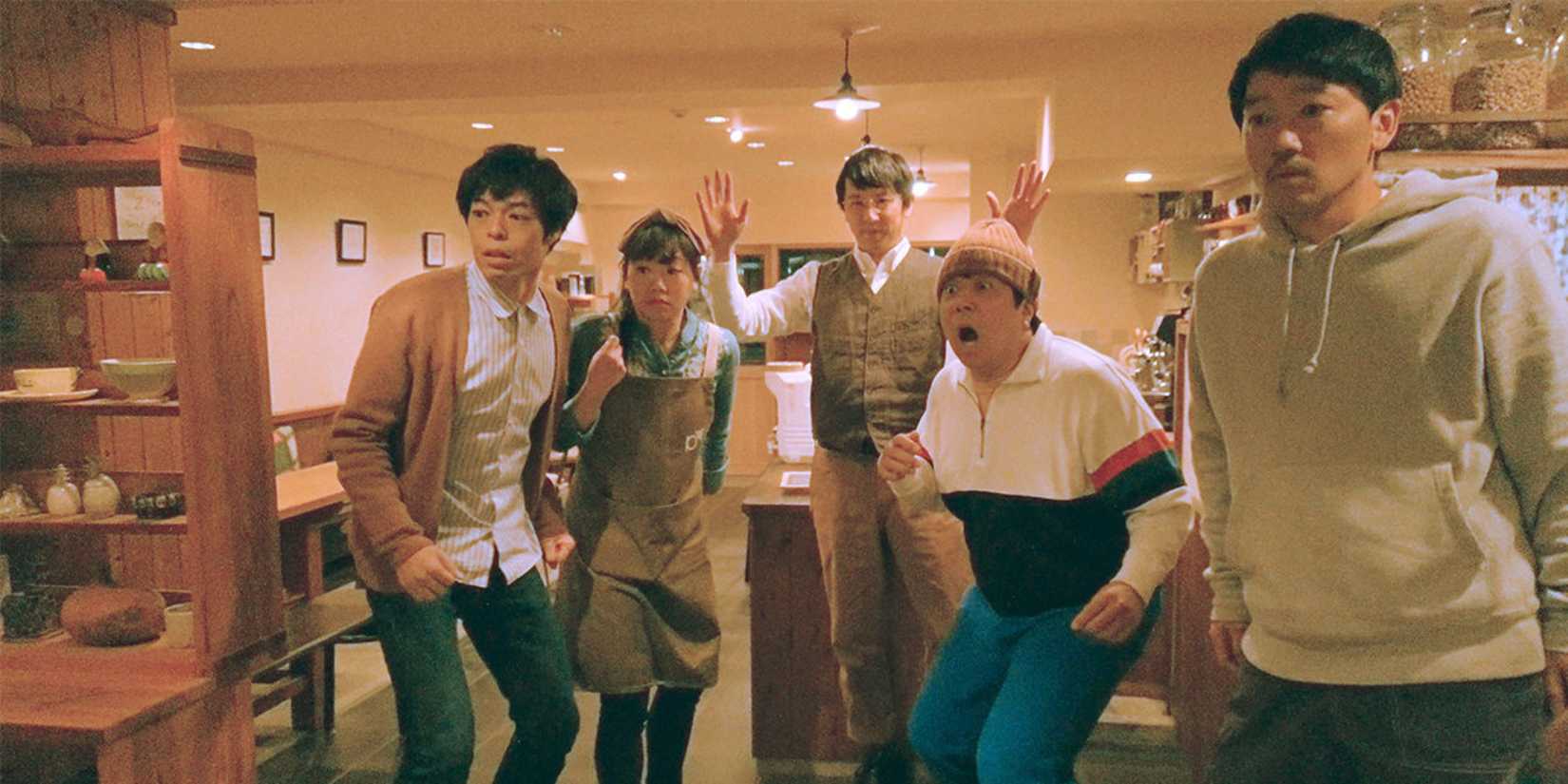
River is a Japanese sci-fi comedy that defies the scope of traditional time-travel films. Rather than focusing on grand stakes like saving the planet or preventing an apocalypse, the film centers on the staff and guests of the Fujiya Inn, a picturesque riverside lodge. When a mysterious anomaly causes the timeline to reset every two minutes, the characters find themselves trapped in a localized, infinite loop.
What sets River apart is the "collective consciousness" of the loop. Unlike films where only the protagonist remembers the previous iterations, every person at the Fujiya Inn is aware of the reset. This creates a frantic, ensemble-driven environment where the chaos of the loop becomes the primary engine of the plot. The film, which clocks in at a tight 86 minutes, functions like a clockwork machine, balancing slapstick humor with the logistical nightmare of maintaining a business when the world keeps snapping back to its starting point.

Chronology of the Chaos
The narrative structure of River is a study in escalating tension. Initially, the confusion is localized. A guest is midway through a meal, a staff member is pouring tea, or a character is walking through a doorway—and then, without warning, they are back in their initial positions. The first few loops are treated with the natural human instinct of bewilderment. Characters attempt to rationalize the event, assuming it to be a dream or a prank.
As the chronology progresses, the characters move from denial to experimentation. The middle act of the film is a masterclass in pacing, where the characters begin to coordinate their efforts. They treat the two-minute window like a puzzle box. If a guest asks for a refill, the staff knows exactly how many seconds it takes to reach the kitchen and return before the reset occurs. The "two-minute" constraint acts as a narrative metronome, keeping the audience on edge as we watch characters try to achieve long-term goals—like finding the source of the loop—within a frame that is constantly being shattered.
Supporting Data: Why Small Loops Hit Harder
The technical success of River lies in its economy of scale. By limiting the loop to two minutes, Yamaguchi eliminates the "boredom factor" that often plagues time-loop movies. There is no time for long-winded monologues about the nature of destiny; there is only time for action.
Data-driven analysis of the film’s reception shows that it resonates because of its accessibility. It functions like a "cozy mystery" wrapped in a sci-fi package. The cast, led by the charismatic Riko Fujitani as Mikoto, acts as an emotional anchor. While other films rely on complex CGI or high-concept scientific jargon to explain time travel, River focuses on the human element. The "support" in this film is the camaraderie between the staff; they are not just trying to fix the universe—they are trying to keep their jobs and ensure their guests are happy, even when the laws of physics are actively working against them.

The Director’s Evolution: From ‘Beyond the Infinite Two Minutes’
To understand the brilliance of River, one must look at the foundation laid by Yamaguchi’s 2020 breakout, Beyond the Infinite Two Minutes. In that film, a group of friends discovers a monitor that shows them exactly what will happen two minutes into the future. It was a low-budget, single-location triumph that relied on clever editing and long takes.
River can be seen as the spiritual successor to that experiment, but with higher stakes and a more emotional core. While the 2020 film was a "window" into the future, River is a "prison" of the present. In Beyond the Infinite Two Minutes, characters used the time gap for pranks and small-scale problem-solving. In River, the scope is expanded to include interpersonal conflict, romantic longing, and the existential realization that their time might be running out. By bringing Riko Fujitani back as the emotional focal point, Yamaguchi creates a sense of continuity for fans of his work while signaling a maturation in his storytelling style.
Official Responses and Critical Reception
Critics have lauded River for its ingenuity. It currently holds high praise on international film platforms, with reviewers frequently citing it as one of the most innovative genre entries of the decade. The consensus is that the film succeeds because it knows its limitations. It doesn’t attempt to explain the "why" of the time loop; it focuses entirely on the "how do we live in it."
The international distribution, handled by entities like Third Window Films, has allowed the movie to reach a wider audience than most niche Japanese independent films. This distribution effort highlights a growing hunger for "high-concept, low-budget" cinema—films that prioritize writing and ensemble performance over expensive spectacle.

Implications: The Future of Time-Loop Cinema
The implications of River for the future of the genre are significant. It proves that the "time loop" trope is not dead; it just needs a shift in perspective. By focusing on the communal experience of the loop rather than the solitary struggle of a lone hero, River opens up new possibilities for character development.
The film suggests that the next generation of sci-fi will move away from the "chosen one" narrative and toward the "collective struggle" narrative. When everyone is in on the secret, the drama shifts from solving the loop to living within it.
Furthermore, River challenges directors to use the camera as a tool for temporal manipulation. The long, continuous takes required to make the two-minute loops feel seamless are a testament to the cast and crew’s discipline. It is a film that rewards repeat viewings, as audiences start to notice the subtle changes in the background that signify a new "attempt" at solving the crisis.
Conclusion: A Refreshing Dive into the Stream
River is more than just a funny movie about a time loop. It is an exploration of human resilience. It asks a simple, profound question: If your life were condensed into two-minute intervals, what would you choose to do with that time? Would you panic, or would you find a way to serve a guest, share a smile, or confess a feeling?
By the time the final act rolls around, the absurdity of the loop gives way to a deeply touching conclusion. The characters learn that the value of time is not measured by its length, but by the quality of the connections made within it. In a world that often feels like it is moving too fast, River invites us to slow down, look at the two minutes right in front of us, and make them count. It is a triumph of imagination, a masterclass in comedy, and an essential watch for anyone who loves stories that refuse to be constrained by the rules of the universe.











No comments yet. Be the first to join the conversation!