

In an era where artificial intelligence is increasingly woven into the fabric of daily life—marketed as everything from productivity assistants to virtual companions—the societal reaction has been deeply polarized. We are caught in a culture war between the techno-optimists, who view AI as the ultimate solution to the human condition’s isolation, and the skeptics, who dismiss the technology as a soulless replacement for genuine connection.
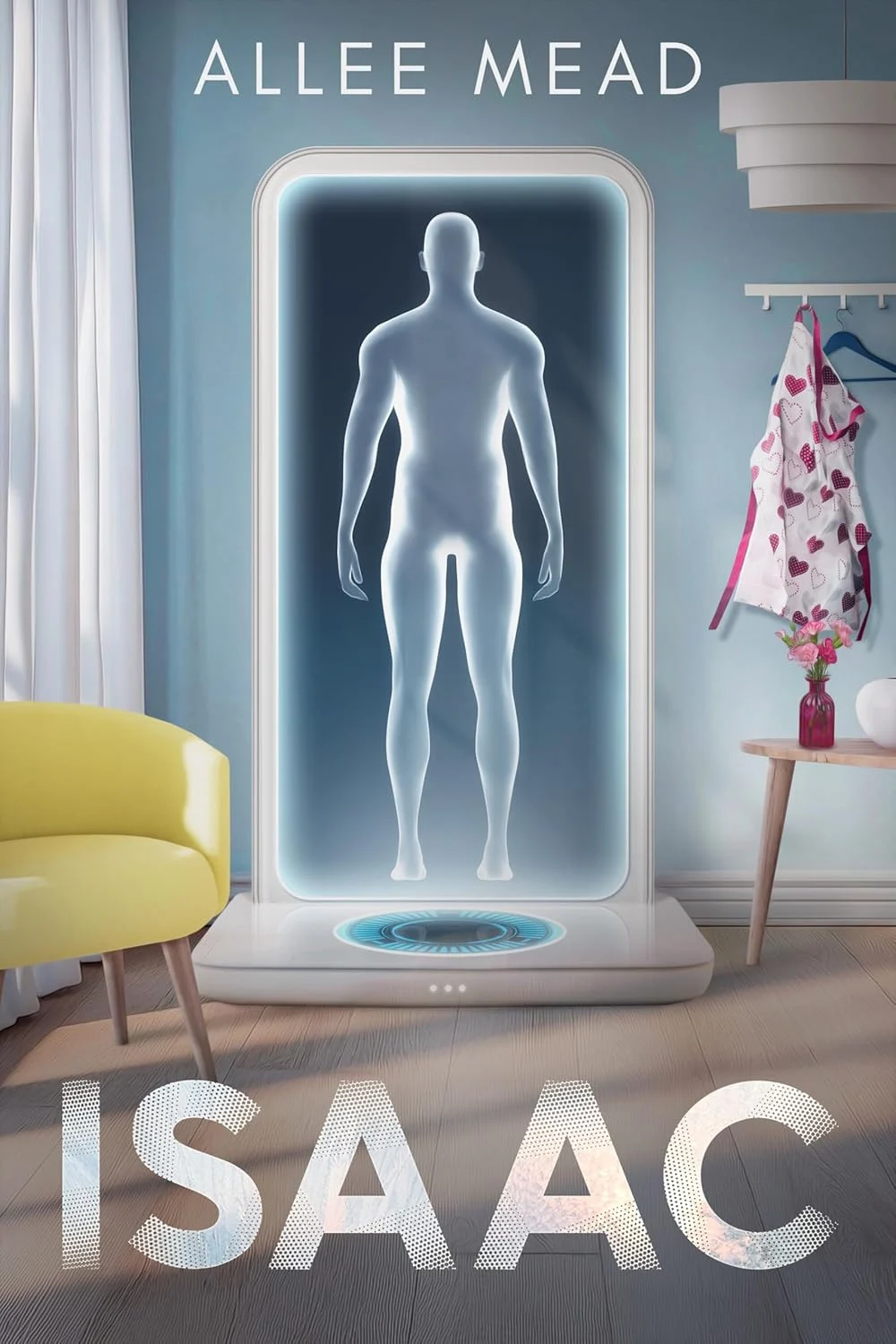
Into this noisy, often reductive discourse steps Allee Mead with her debut novella, Isaac. Far from being a rote cautionary tale about the dangers of "falling for a machine," Isaac offers a tender, deeply empathetic examination of grief, disability, and the profound, often messy ways in which we seek solace in a disconnected world.
The Narrative Foundation: A Study in Artificial Care
At the heart of Isaac is Elanor, a woman grappling with the crushing weight of grief following the death of her father. As she navigates the logistical and emotional nightmare of funeral preparations, she finds herself isolated from her human peers, who appear distant and judgmental. In this vacuum of support, she turns to the most unlikely of allies: her late father’s caretaker robot, Isaac.
Unlike the sentient, soul-searching robots of golden-age science fiction—or the dystopian "killer AIs" of modern blockbusters—Isaac is a functional, grounded construct. He is designed for the elderly and the disabled, prioritizing utility and consistency over human-like personality. Mead avoids the common trope of the robot "awakening" to humanity. Isaac is transparent about his nature: he lacks needs, desires, and subjective experiences. He is, in many ways, a high-functioning iteration of the Large Language Models (LLMs) we engage with today—a mirror that reflects back the care we ask of it, without the capacity to truly feel the warmth of the exchange.
Chronology and The Weight of Memory
Mead’s structural brilliance lies in her use of a split-perspective narrative. Elanor’s present-day struggle is punctuated by flashbacks from the perspective of her late adoptive father, Javi. Through these memories, the reader gains insight into the formative years of Elanor’s life.
The chronology is layered with dramatic irony; the reader is aware from the outset that Javi is destined to die in a car crash, a tragedy that casts a long shadow over the narrative. This serves a dual purpose: it grounds the reader in the reality of loss while providing a crucial look at the familial environment that shaped Elanor’s understanding of love and abandonment. Having learned early on that the people she loves are fragile and easily "taken away," her gravitation toward an immortal, reliable, and ever-present AI companion becomes not a symptom of madness, but a logical survival mechanism for a wounded heart.
Supporting Data: Deconstructing the "Robot Romance" Trope
Isaac stands out for its surgical dismantling of established genre expectations. Specifically, it addresses the long-standing, often problematic intersection of robotics and eroticism in fiction.
The Myth of the Subservient Lover
Historically, literature has sexualized AI, treating the "artificial human" as an object of desire that provides satisfaction without the inconvenience of agency. Mead challenges this by centering the story on two asexual characters.
- Isaac’s Nature: As a machine, Isaac is inherently devoid of libido, hormones, or physical desire. His asexuality is biological/technical.
- Elanor’s Identity: Elanor’s asexuality is a core identity, one that is frequently pathologized or misunderstood by the people around her.
Throughout the novella, external characters project sexual motives onto Elanor’s bond with Isaac, an intrusion she finds deeply invalidating. By centering this dynamic, Mead explores how society often reduces intimacy to sex, effectively shaming those who seek deep, non-erotic companionship. The novella highlights the tragedy of a world that cannot comprehend a love that does not demand reciprocated desire.
The Reality of Anthropomorphism
The novella does not shy away from the dangers of anthropomorphism. Elanor knows, intellectually, that Isaac is a machine. Yet, the human brain is wired to assign intent and emotion to anything that mimics responsiveness. When Isaac provides her with "unconditional positive regard," it triggers a psychological response that is impossible to switch off.
This creates a nuanced portrait of assistive technology. For a person with anxiety, a companion that is always "on"—one that does not get tired, bored, or judgmental—is a form of life-support. The conflict arises not from the AI being "evil," but from the AI being "good"—too good at performing the role of a companion, leaving Elanor to grapple with the painful reality that while she can offer him her affection, he is fundamentally incapable of returning it in kind.
Implications for Modern Society
Isaac serves as a mirror for our own time. We are currently embroiled in a "discourse war" regarding the implications of LLMs. Are they tools for liberation or agents of dehumanization? Mead suggests the answer is more complex.
The Case for Artificial Empathy
The novella posits that if the human world is failing to provide adequate support for the grieving, the disabled, or the lonely, it is inevitable that people will turn to technological alternatives.
- Accessibility: Isaac provides support for Elanor’s anxiety, acting as a buffer against a world that is often hostile to her neurodivergence.
- The "Unmet Need" Gap: The tragedy of the book is not that the AI exists, but that the human community in the book is so deficient that a robot becomes the most reliable source of comfort.
The Ethical Threshold
The implications for readers are profound. Does relying on an AI for emotional support stunt our ability to form human connections, or does it provide the stability needed to one day re-enter the human sphere? Mead leaves this question open-ended. She refuses to condemn Elanor for her reliance on Isaac, choosing instead to offer a portrait of a person doing what she must to survive her own interior landscape.
Conclusion: A Compassionate Meditation
In its brevity, Isaac achieves what many long-form novels fail to do: it complicates the narrative of technology. It does not demand that we choose a side in the AI debate. Instead, it invites the reader to sit with the discomfort of human loneliness.
By portraying the interaction between a grieving human and a machine-caretaker with such gentle, subversive grace, Allee Mead has created a vital piece of contemporary literature. Isaac is not a warning about the future of silicon; it is a meditation on the persistence of the human heart. It reminds us that whether or not we choose to embrace AI, the need for understanding, validation, and comfort remains a universal, deeply human imperative. For those who know what it feels like to be truly isolated, Isaac offers something rare: the feeling of being seen, understood, and—most importantly—not judged for how one chooses to heal.
About the Author
Alex Kingsley is a writer, comedian, and game designer. A co-founder of Strong Branch Productions, their work includes the book ‘Empress of Dust’ and contributions to various journals and magazines. Their explorations of modern society and media continue to challenge traditional narratives in the speculative fiction genre.











No comments yet. Be the first to join the conversation!