

For decades, the Japanese government has deployed a vast array of policy "tricks"—from tax incentives and childcare subsidies to state-sponsored matchmaking events—in a desperate bid to reverse the nation’s demographic tailspin. Yet, despite these top-down interventions, the country’s core social metrics remain in freefall. Marriage rates are plummeting, and the birth rate has hit historic lows.
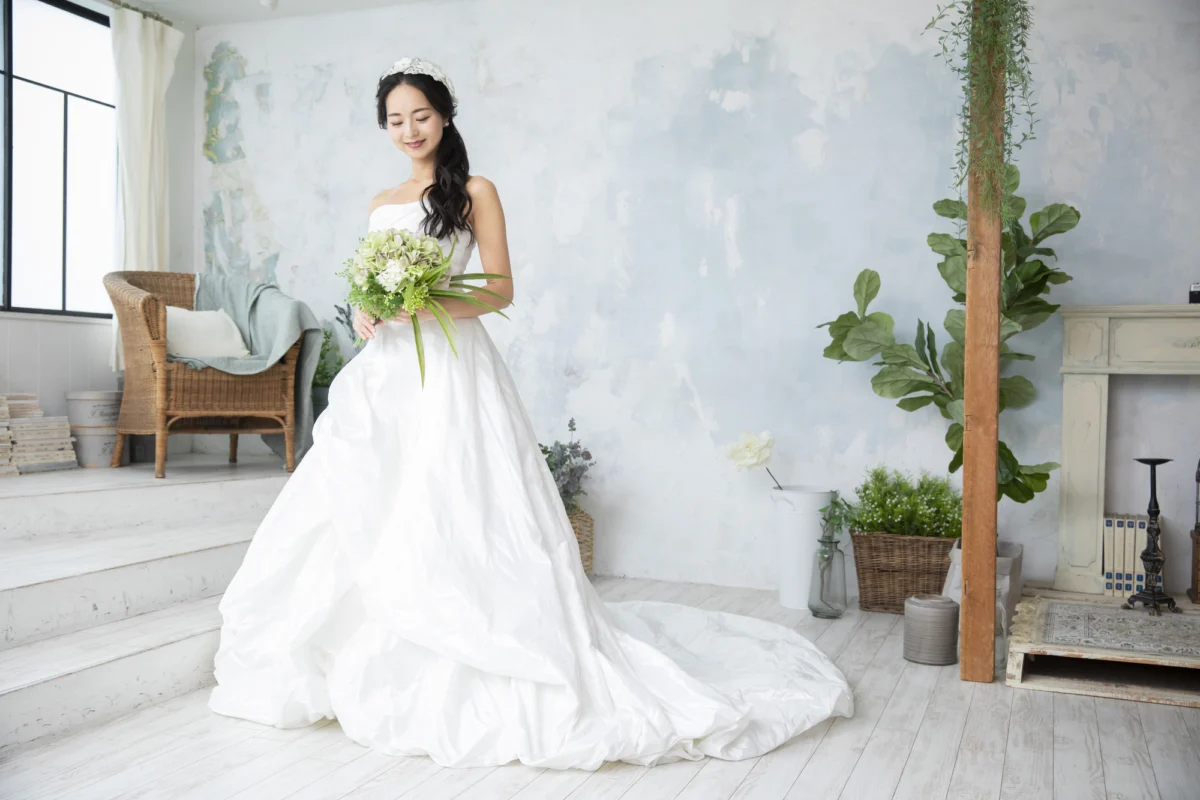
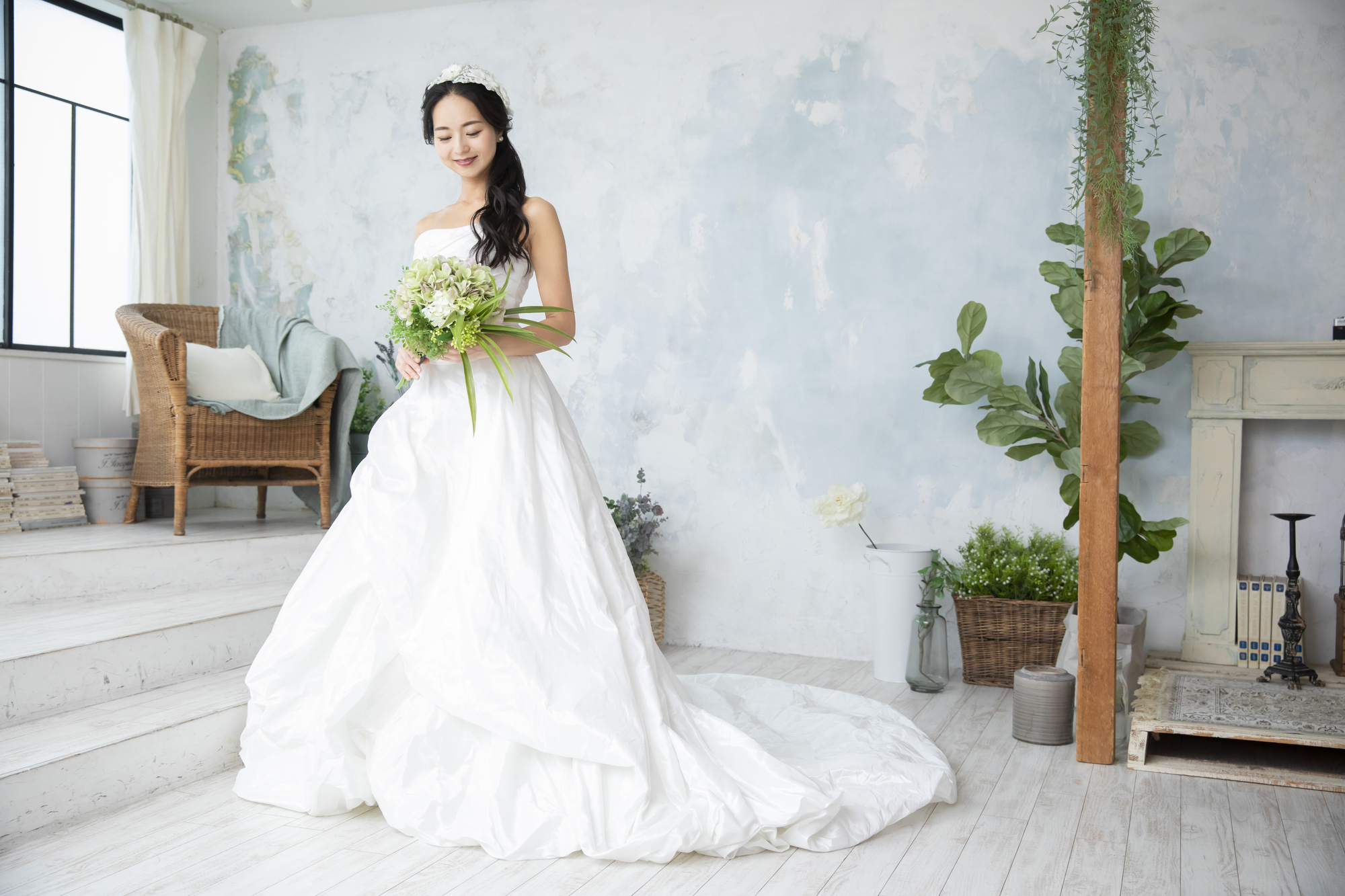
However, a curious cultural phenomenon has emerged in the vacuum left by the decline of traditional domestic life. Women in Japan are still donning white gowns and walking down the aisle, but the groom is nowhere to be found. "Solo weddings" (soro ueddingu) have transitioned from a niche service to a burgeoning industry, signaling a profound shift in how Japanese society views autonomy, celebration, and the traditional path to adulthood.
The Anatomy of a Solo Wedding
A solo wedding is not a legal contract, but a transformative experiential ritual. Known as soro ueddingu or serufu ueddingu, the practice allows women to experience the pomp, pageantry, and emotional weight of a wedding ceremony without the necessity of a partner, a guest list, or the legal baggage of matrimony.
The experience is essentially a high-end, immersive photo shoot. The "bride" is professionally fitted for a Western white gown or a traditional shiromuku (white kimono). She is then treated to professional hair and makeup, and often transported in a limousine to a picturesque location—such as a historic garden, a shrine, or a luxury hotel—where she is photographed in a series of bridal poses.
A Chronology of the Trend
- 2014: The concept is pioneered by Kyoto travel agency Cerca Travel. Their original "Solo Wedding" package, priced at approximately $2,540, was a luxury two-day event including hotel stays and on-location shooting.
- 2015–2020: The industry expands as smaller studios recognize the market demand. Prices drop, making the experience accessible to a broader demographic.
- 2020–2023: As the COVID-19 pandemic forces the cancellation of thousands of real weddings, solo weddings gain traction as a way for women to reclaim the milestone of a wedding day regardless of their relationship status.
- 2026: The market pivots toward "2D marriages." Collaborations like Shining Moments Produced by Beit (in partnership with the game iDOLM@STER) allow women to celebrate fictional marriages with anime characters, tapping into the oshikatsu (fan-culture) market.
Today, the industry is tiered. Budget-conscious consumers can book indoor studio sessions for as little as $249, while those seeking the full, high-end experience can pay upwards of $1,900 for multi-location, multi-outfit shoots.
Supporting Data: A Demographic Winter
The rise of the solo wedding is inextricably linked to Japan’s broader demographic crisis. The numbers tell a sobering story of a society retreating from traditional family formation.
Marriage and Birth Declines
According to national data, Japan recorded fewer than 500,000 marriages in 2023. Projections from the Japan Research Institute suggest this figure could slide further to 485,000 by 2025. This stagnation has a direct, compounding effect on the birth rate. Japan now sees fewer than 700,000 live births annually, with children accounting for just 10.8% of the total population—a downward trend that has persisted for 45 consecutive years.
The "Konkatsu" Exhaustion
The decline is not due to a lack of desire, but rather a lack of opportunity and mounting social fatigue. A survey by the Japan Children & Families Agency revealed that 63.8% of unmarried workers in their 20s still express a desire to marry. However, nearly 30% admitted they have no idea how to meet a potential partner.
This systemic loneliness is compounded by konkatsu (marriage-hunting) fatigue. Data from the marriage consultancy Sanmarie indicates that 80% of individuals actively seeking a spouse are "exhausted" by the process. As individuals age, their intent to marry drops sharply; while those in their 20s are still hopeful, the intent for those in their 30s drops to 50.8%. Statistical models suggest that if a Japanese citizen remains unmarried by their late 30s, the probability of remaining single for the remainder of their life increases exponentially.
Official Responses and Policy Failure
The Japanese government has spent billions of yen attempting to address this "demographic shock," yet their efforts have largely focused on financial incentives—child allowances and tax breaks—rather than the structural barriers that prevent people from meeting.
Recent government white papers acknowledge the "marriage-hunting" gap, but critics argue that the policy response is disconnected from the reality of modern Japanese life. The Ministry of Health, Labour and Welfare, along with the Children and Families Agency, has attempted to promote "life design" workshops. However, these programs often feel paternalistic to the younger generation, who are more concerned with stagnant wages, long working hours, and the high cost of urban living than they are with state-mandated pro-natalist rhetoric.
The reality is that while the government is trying to force a return to the 20th-century family model, the private sector is providing a way for individuals to cope with the 21st-century reality of permanent singlehood.
Implications: The New Definition of "Happily Ever After"
The solo wedding movement reveals a profound psychological shift: the decoupling of the "wedding" from the "marriage." For many, the wedding ceremony is not a vow to a partner, but a celebration of the self—a way to mark a transition into a mature identity, regardless of one’s household size.
The "Oshikatsu" Phenomenon
The emergence of "fictional marriages" with anime characters marks a new frontier in this market. By allowing women to "marry" an idol character for roughly $70, studios are tapping into oshikatsu—the practice of supporting one’s favorite entertainer or character. This is more than just fandom; it is a way to find emotional fulfillment in a society where human-to-human connection is increasingly fraught with anxiety and rejection.
Finding Peace in Autonomy
Perhaps the most significant takeaway from the rise of solo weddings is the emotional liberation reported by the participants. For many, the ceremony acts as a form of closure. It allows a woman to wear the dress, take the photos, and experience the joy of the day without the pressure of finding a "suitable" partner.
As one 20-something woman, referred to as "Y," noted in a recent personal essay: "Even if it turns out I live the rest of my life alone, I won’t have any regrets."
This sentiment suggests that the "problem" of the marriage decline may be viewed differently by the participants themselves. While the Japanese government views the decline in marriages as a national emergency to be solved, many citizens are viewing their singlehood as a state of being that can be celebrated, honored, and lived with grace.
Future Outlook
As Japan faces a shrinking population, the solo wedding industry is likely to continue its evolution. Whether through VR-assisted weddings or increasingly personalized photography experiences, the industry is proving that it can pivot to meet the emotional needs of a lonely population.
While these ceremonies do nothing to address the birth rate or the economic stability of the nation, they serve a vital social function: they provide a space for individuals to feel recognized, celebrated, and whole, even in a society that—statistically, at least—seems to be fading away. The solo bride does not represent the end of hope, but rather a new, independent way of defining a life well-lived in the face of an uncertain future.












No comments yet. Be the first to join the conversation!