

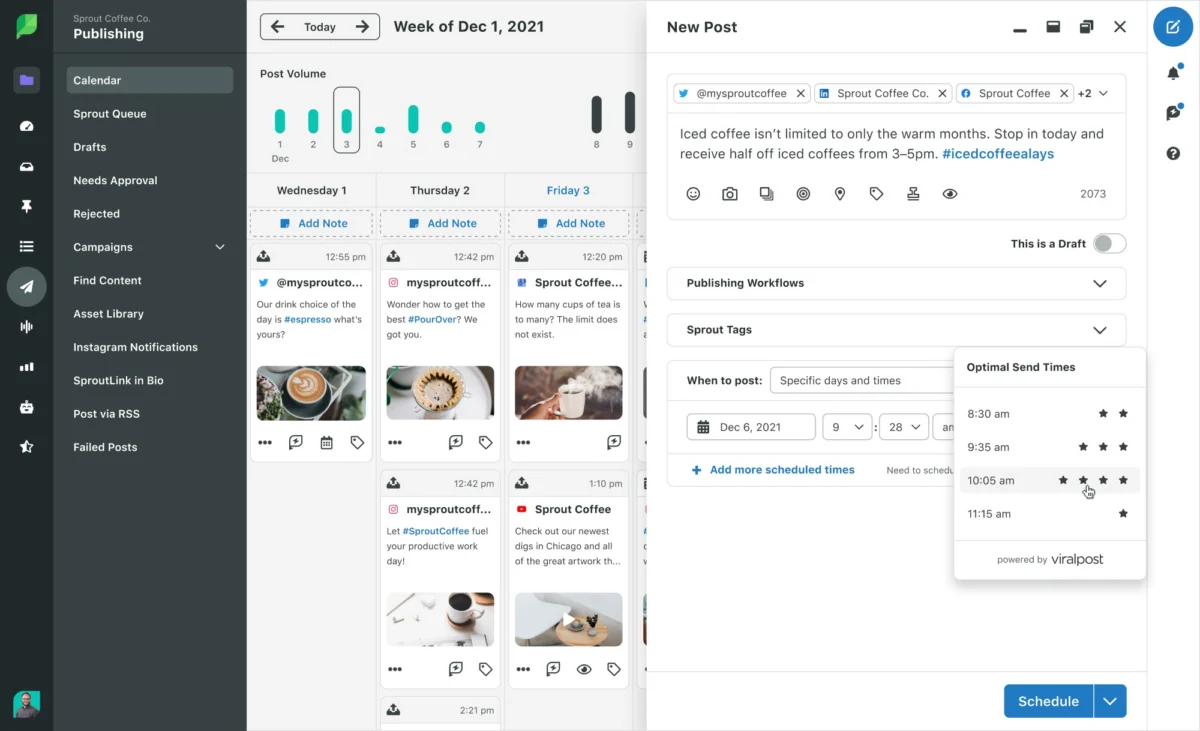
In the modern digital landscape, speed is no longer just a competitive advantage; it is a prerequisite for survival. As social media platforms evolve into the primary arena for consumer interaction, businesses are faced with a deluge of data that is humanly impossible to parse manually. To remain relevant, organizations are shifting their focus from merely “posting more” to leveraging social intelligence—the art of synthesizing billions of daily conversations into actionable business insights.
The integration of Artificial Intelligence (AI) into marketing operations has transcended the “experimental” phase. It is now the backbone of customer acquisition, product development, and brand sentiment management. According to the 2025 Sprout Social Index™, 86% of users intend to maintain or increase their time spent on social platforms, creating an unprecedented reservoir of data for brands to tap into.

The Core Pillars of AI Marketing Strategy
An AI marketing strategy is more than a collection of automated tools; it is a holistic blueprint for using machine learning to enhance every facet of the customer journey. By applying AI to social and digital data, companies can optimize campaigns in real-time, personalize content at scale, and provide "human-in-the-loop" customer care.
The 2025 Impact of Social Media Marketing Report highlights the shifting influence of these channels: 60% of business leaders now view social media as a primary driver of customer acquisition, while 54% rely on it to inform R&D and strategic decision-making. As AI-powered search engines like Google’s AI Overviews and ChatGPT increasingly index Reddit threads, community forums, and social conversations, brands that maintain a visible and consistent social presence are more likely to capture the attention of modern searchers.

Chronology of the AI Shift: From Tool to Foundation
The adoption of AI in marketing has followed a rapid, three-stage trajectory over the last several years:
- The Exploratory Phase (2022–2023): Marketers experimented with Generative AI for basic copywriting and image generation. These tools were viewed as novelty items rather than structural assets.
- The Integration Phase (2024): AI moved from the periphery to the core of marketing stacks. Predictive analytics and sentiment analysis began to influence budget allocation and content scheduling.
- The Strategic Maturity Phase (2025–2026): We are currently witnessing the era of "Agentic AI"—where systems like Sprout Social’s Trellis act as autonomous agents that perform complex research, surface insights, and cross-reference data across the enterprise.
Data-Driven Performance: The Evidence
The necessity of an AI-driven approach is backed by hard metrics. With consumers expecting instantaneous, high-quality responses, the margin for error is razor-thin. The 2025 Sprout Social Index™ revealed a sobering reality: 73% of consumers will defect to a competitor if a brand fails to provide a timely response on social media.
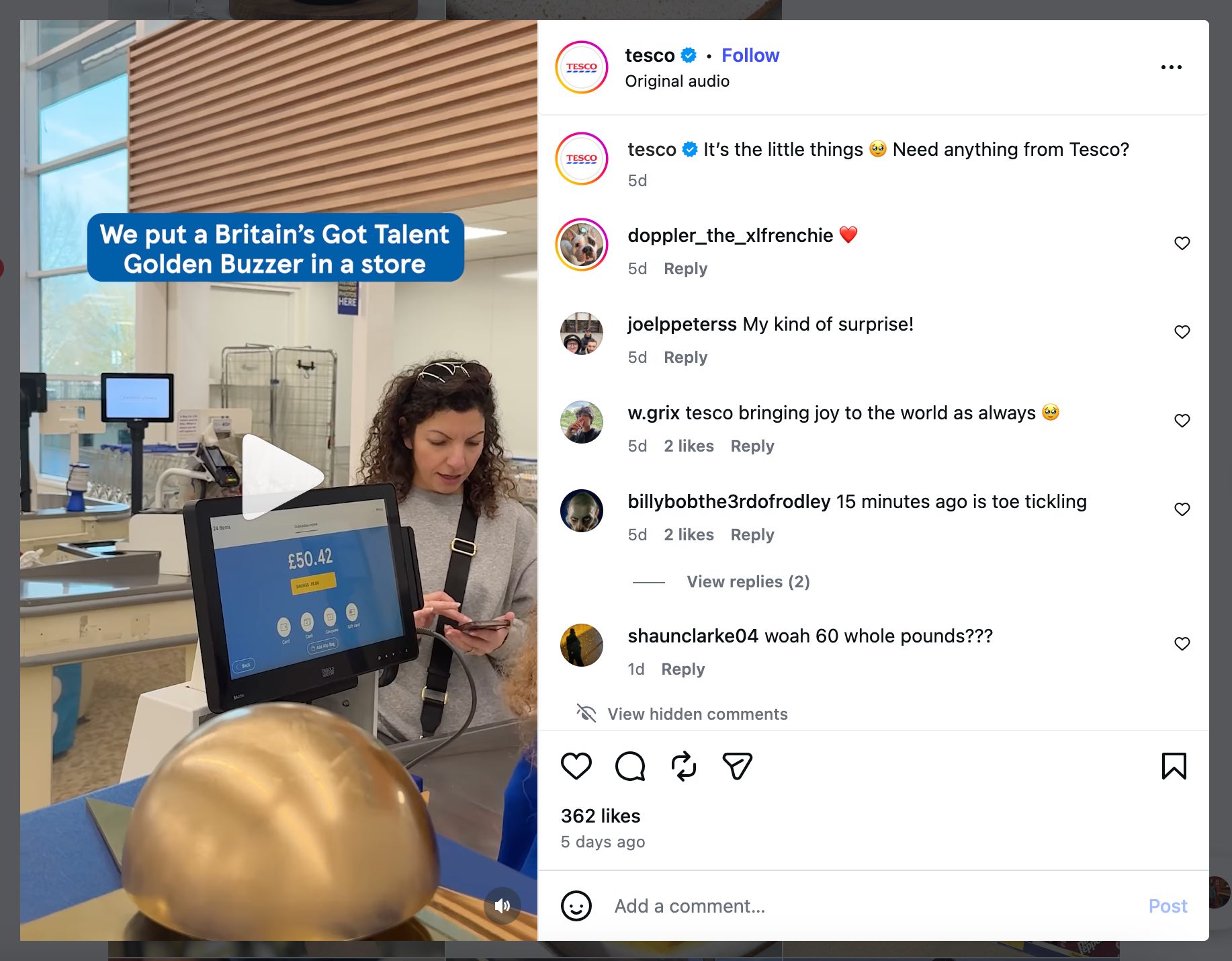
Furthermore, the rise of "AI slop"—mass-produced, low-quality content—has created a paradox for marketers. The Q1 2026 Pulse Survey indicates that 56% of users frequently encounter low-quality AI content, leading to "social fatigue." This presents a unique opportunity for brands that utilize AI not to replace human creativity, but to augment it. By using AI to handle accessibility features like subtitling, language translation, and optimal send-time analysis (via tools like ViralPost™), brands can ensure their human-authored content reaches the right audience at the exact moment of peak engagement.
Official Perspectives and Ethical Imperatives
The industry consensus is clear: transparency is the new currency of brand trust. As regulators, such as those behind the EU AI Act, tighten oversight, organizations must move toward an "Ethical AI Framework."

According to market leaders, the top consumer demand for 2026 is the clear labeling of AI-generated content. For Gen Z and Millennial audiences, failure to disclose the use of AI in content creation often leads to immediate disengagement, including unfollowing or blocking.
Best Practices for Ethical Implementation:
- Establish a Governance Policy: Define exactly where and how AI is used within your organization.
- Human-in-the-Loop (HITL): Ensure that strategic creative and sensitive customer service responses are reviewed by humans before publication.
- Data Integrity: Regularly audit AI tools to ensure they are not reinforcing biases or violating customer privacy.
Designing Your AI Strategy: A Step-by-Step Blueprint
1. Goal Setting and Audit
Define specific objectives, such as lowering the cost per acquisition (CPA) or reducing the response time for customer support. Follow this with a social media audit that distinguishes between "noise" and "value." Identify which workflows are currently bottle-necked by manual data entry.
2. Tech Stack Optimization
Before adopting new AI, evaluate your existing ecosystem. Ensure that your current platforms (such as Salesforce, Slack, and your social management suite) are integrated to prevent data silos. The goal is a "single source of truth" where insights from social listening can flow directly into the CRM.
3. Scaling Creativity and Accessibility
Use AI to handle the heavy lifting of production.
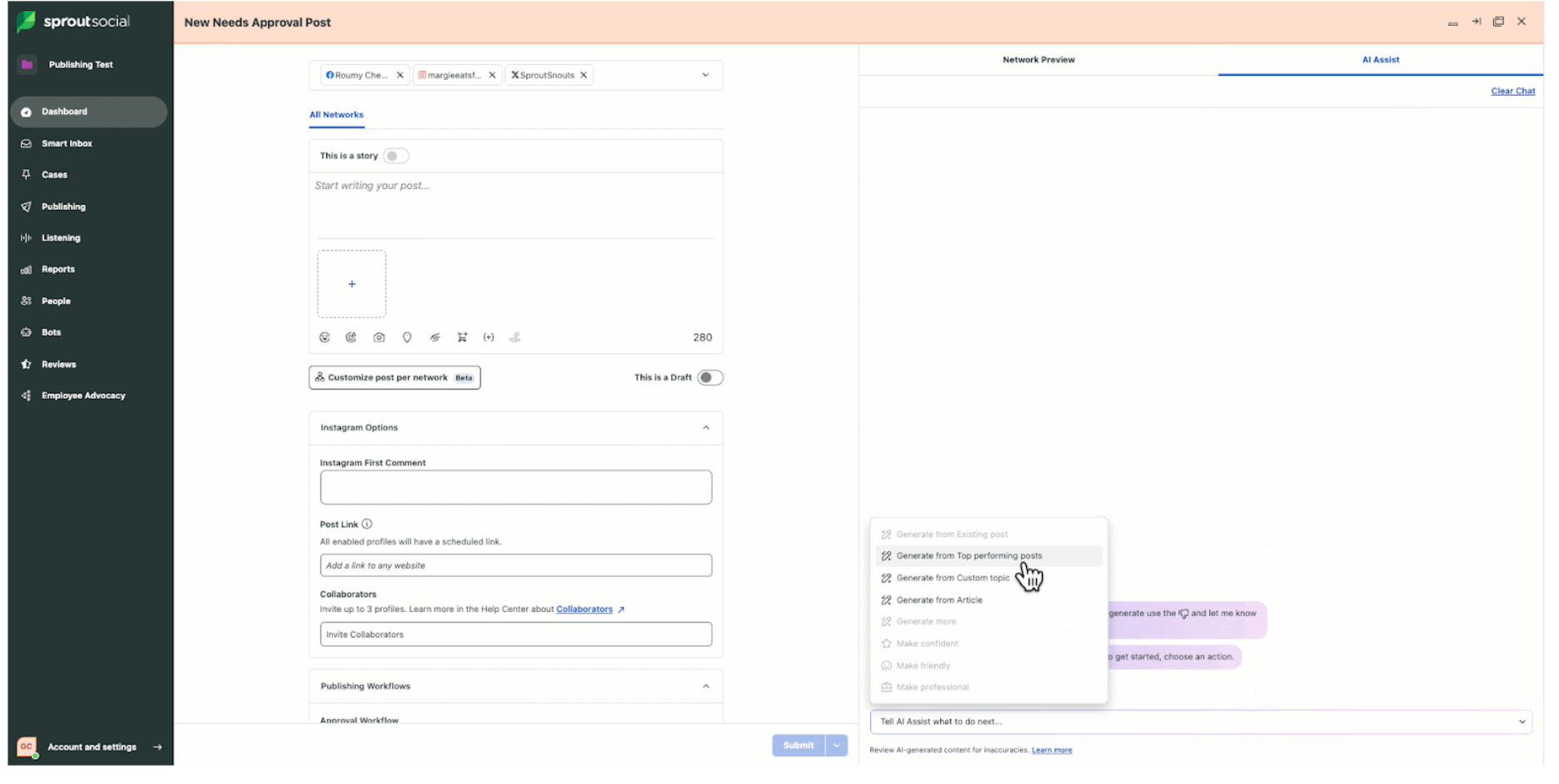
- AI Assist for Content: Use tools to generate post variations based on top-performing historical data.
- Accessibility: Automatically generate subtitles and localized translations to ensure your content is inclusive.
- Predictive Intelligence: Utilize tools like NewsWhip to detect reputation risks or emerging cultural moments before they reach a boiling point.
4. Democratizing Insights
Social data is too valuable to remain trapped in the marketing department. Your AI strategy should include workflows that deliver relevant intelligence to the product, R&D, and sales teams. For example, using Slack integrations to push real-time alerts regarding "message spikes" allows a cross-functional team to respond to a crisis or capitalize on a viral moment in minutes rather than hours.
Implications for the Future of Work
The rise of AI in marketing signals a fundamental shift in the role of the social media manager. As manual tasks—such as scheduling, subtitle generation, and basic data synthesis—are offloaded to machines, the role of the marketer is evolving into that of a "Strategic Curator."
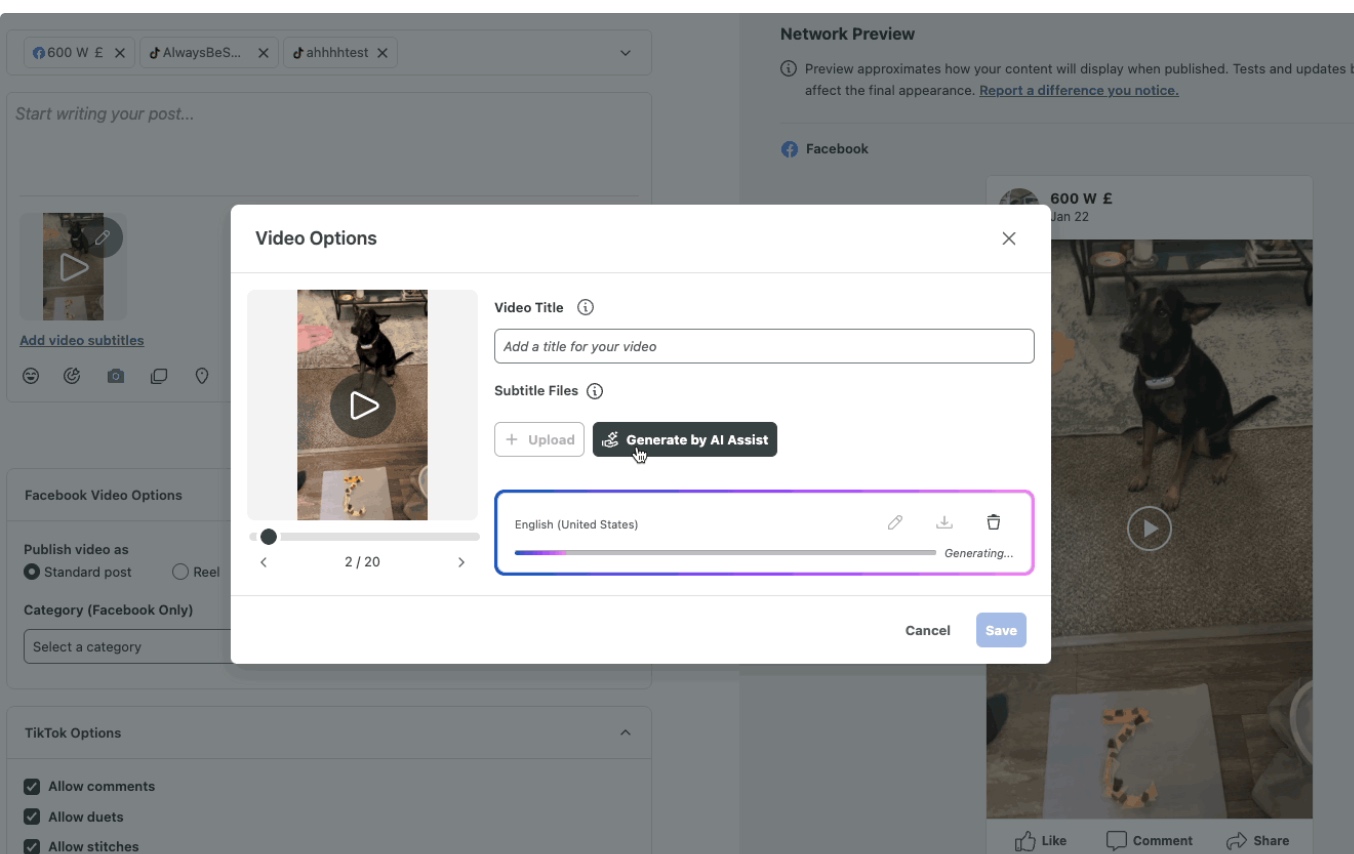
This transition requires a focus on high-level creativity, ethical oversight, and the ability to interpret the "why" behind the data. The brands that win in the latter half of the decade will be those that strike the perfect balance between the raw power of machine processing and the nuanced, emotional intelligence of the human touch.
Conclusion: A Continuous Evolution
Designing an AI marketing strategy is not a "set-it-and-forget-it" project. It is an iterative process. By launching pilot testing programs, measuring outcomes against defined KPIs, and staying active in communities like The Arboretum, marketers can stay ahead of the curve.
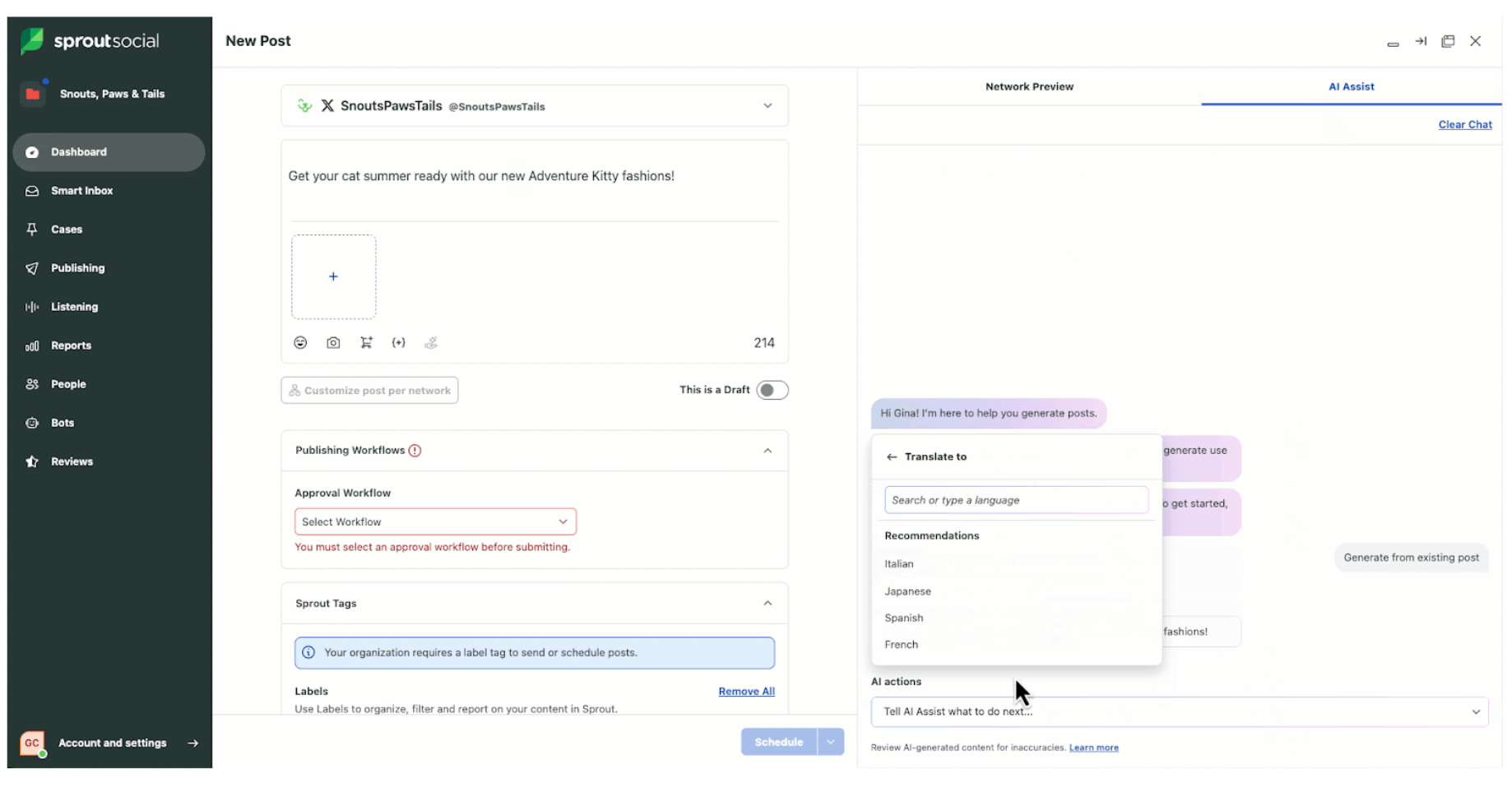
As we look toward the remainder of 2025 and beyond, the message to brands is consistent: The technology exists to turn the chaotic roar of social media into a symphony of actionable insights. Those who embrace this shift—with a firm commitment to ethics, transparency, and human-centric storytelling—will not only survive the speed of social but will define the next generation of consumer engagement.
For those ready to operationalize these strategies, exploring robust AI-powered suites like Sprout Social offers the most direct path to aligning your brand with the future of digital intelligence.











No comments yet. Be the first to join the conversation!