

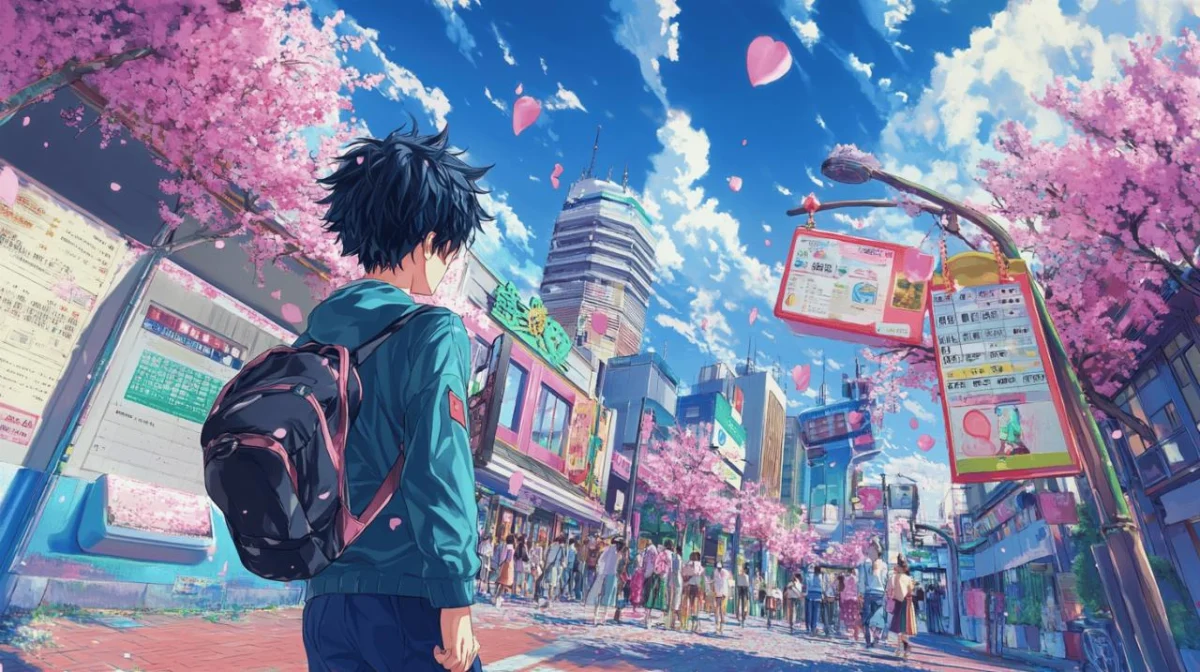
The world of romantic comedy anime is often defined by predictable tropes and lighthearted encounters. However, Masamune-kun’s Revenge (Masamune-kun no Revenge), the seminal work created by author Hazuki Takeoka and illustrator Tiv, carves a distinct path through the genre. By blending the sharp edges of a revenge plot with the vulnerable core of adolescent self-discovery, the series has transcended its initial premise to become a complex study of identity, trauma, and the masks we wear to survive. With the series continuing to captivate audiences—most notably with the anticipation surrounding its latest narrative developments—it is time to dissect why this saga remains a benchmark in modern shōnen romance.
Main Facts: A Narrative of Transformation
At its core, Masamune-kun’s Revenge follows the life of Masamune Makabe, a young man who underwent a radical physical transformation after being cruelly rejected as a child. Once a chubby, bullied boy nicknamed "Piggy" by the affluent and beautiful Aki Adagaki, Masamune dedicates his youth to fitness, academics, and self-improvement. His ultimate goal is cold and calculated: to make Aki fall in love with him, only to reject her in the most humiliating fashion possible.
However, the genius of Takeoka’s writing lies in the subversion of this trope. What begins as a classic "revenge-quest" anime produced by Studio Silver Link quickly morphs into a profound exploration of how superficial judgments—specifically regarding physical appearance—can fracture a person’s psyche. As the series progresses, the "revenge" aspect is slowly eclipsed by a more dangerous, internal conflict: the fear that even after changing his exterior, Masamune is still the same insecure child on the inside.
Chronology: From Manga to Screen
The journey of Masamune-kun’s Revenge began in the pages of Monthly Comic Rex in 2012, running until 2018 across 11 volumes published by Ichijinsha. The serialization established a devoted following, eventually prompting an anime adaptation by Studio Silver Link.
- 2012–2018: Original manga serialization by Takeoka and Tiv.
- 2017: The premiere of the first anime season, which brought the dynamic between Masamune and Aki to life, introducing audiences to the "Cruel Princess" archetype.
- 2018: The release of an original animation video (OAV) that bridged the gap between the initial conflicts and the growing complexity of the cast.
- 2023–2025: The continued expansion of the anime, with subsequent seasons delving into the aftermath of the revenge plan, shifting the focus from retribution to emotional maturation and the resolution of long-standing misunderstandings.
The Psychological Landscape: Masks and Authenticity
The central tension of the series is not between two people, but between the characters and their own self-constructed "social masks."
The Facade of the Protagonists
Masamune lives in a state of constant performance. He is a master of his own image, maintaining a persona of a flawless, charming prince to shield his past trauma. Conversely, Aki Adagaki wears the mask of the "Cruel Princess." Her cold demeanor serves as a defensive wall, a mechanism to filter out those who would only approach her for her status or looks. The brilliance of the narrative is that both characters are effectively using their respective "masks" to protect a shared vulnerability that neither dares to acknowledge until the walls begin to crumble.
The Weight of Childhood Labels
The nickname "Piggy" acts as a catalyst for the entire series. In contemporary society, where social media and digital interaction exacerbate the pressure to conform to beauty standards, the trauma of childhood bullying remains a highly resonant theme. The series does not shy away from the brutal reality that a single derogatory comment can shape a decade of a person’s life. By centering the plot on this, Takeoka invites the audience to consider the lasting impact of our words on others, framing the "revenge" not as a villainous act, but as a misguided attempt to reclaim agency over one’s own identity.
Supporting Data: The Expanding Cast and Their Roles
While Masamune and Aki occupy the spotlight, the series is bolstered by a rich supporting cast that challenges the status quo of the romantic triangle.
- Yoshino Koiwai: Far from being a mere domestic assistant, Yoshino serves as the catalyst for many of the plot’s most significant twists. Her role evolves from an enabler of Aki’s cruelty to a complex character with her own hidden agenda and genuine emotional stakes.
- Neko Fujinomiya: As an outsider who enters the fray, Neko provides a different perspective on love. Her presence forces Masamune to confront the reality that his obsession with his past (Aki) is preventing him from experiencing genuine connection in the present.
- Kanetsugu Gasō: The introduction of gender-bending dynamics and imposters adds layers of intrigue, forcing the characters to question not just who they are in relation to others, but who they are when stripped of their social pretenses.
Official Responses and Production Insights
The production team at Studio Silver Link has been widely praised for their ability to translate Tiv’s intricate, soft-edged art style into fluid animation. The studio has focused heavily on the "expressiveness" of the characters—utilizing shifts in color palette and lighting to mirror the characters’ internal turmoil.
In various production interviews, the creators have emphasized that the shift from the first season to the later installments was intentional. They aimed to evolve the genre from a standard "will-they-won’t-they" comedy into a more mature examination of reconciliation. By maintaining a faithful adherence to the 11-volume source material, Silver Link has ensured that the "Masamune-kun" brand remains synonymous with a coherent, well-paced character arc that respects the audience’s intelligence.
Implications: The Nature of Modern Romance
Masamune-kun’s Revenge serves as a mirror to modern dating culture, where the curated image often takes precedence over the authentic self.
Breaking the Cycle of Vengeance
The series ultimately argues that vengeance is a dead-end road. As the plot advances into the later arcs, the "revenge" becomes a burden rather than a goal. The realization that Masamune and Aki have both been living in a distorted version of the past is the turning point of the series. The implications are clear: to move forward, one must be willing to let go of the labels assigned to them by others and, more importantly, the labels they have assigned to themselves.
The Search for Truth
Whether through the lens of the manga or the anime, the series resonates because it explores the difficulty of being "real." It challenges the viewer to look past the "perfect" exteriors of the characters to find the messy, human, and often flawed individuals beneath. By navigating the balance between comedy and drama, the series provides a blueprint for how to handle complex interpersonal conflicts with both humor and gravity.
Conclusion: A Legacy of Self-Discovery
As we look at the trajectory of Masamune-kun’s Revenge, it is evident that its success is not merely due to its premise, but its execution. It is a story about the messy process of growing up, the danger of living in the past, and the courage required to reveal one’s true face to the world.
Whether you are a long-time fan who followed the series since its 2012 inception or a newcomer discovering it via streaming platforms like Crunchyroll, the narrative of Masamune Makabe remains as relevant as ever. It reminds us that while we cannot always control the labels we are given as children, we possess the absolute power to decide who we become as adults. The "revenge" may have been the hook, but the journey to self-acceptance is what makes this series a timeless addition to the romantic comedy canon.











No comments yet. Be the first to join the conversation!