Evan Lee Salim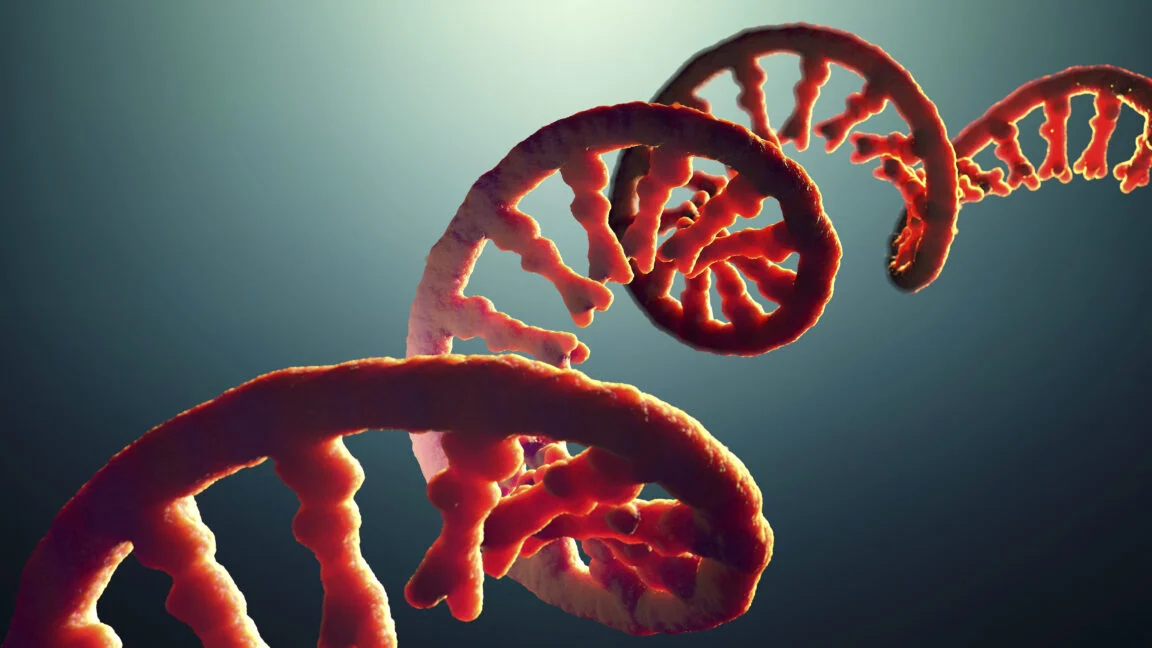
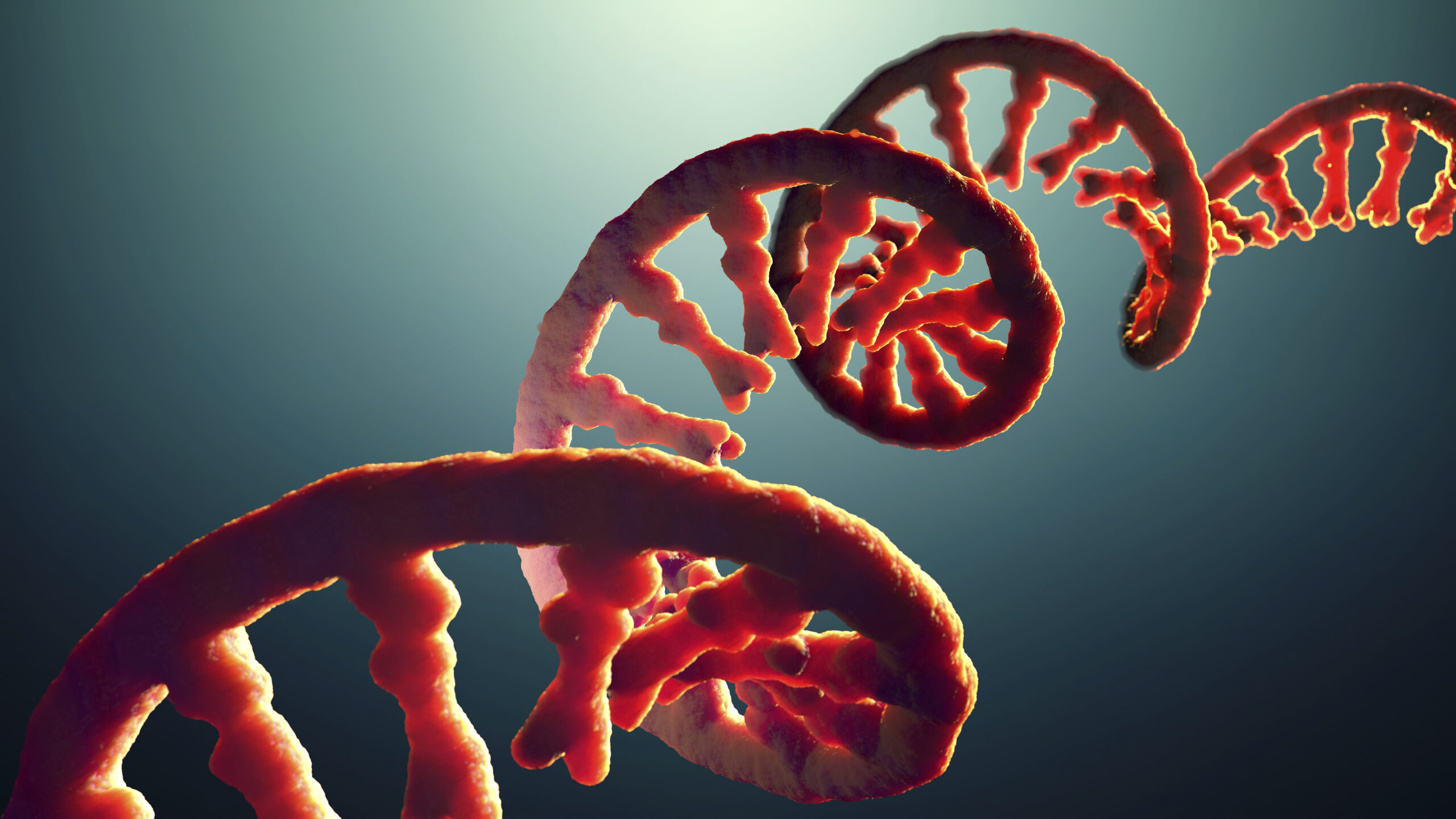
For decades, the biological narrative of inheritance has been dominated by the double helix. We have long understood that a father contributes half of his child’s genetic blueprint—a fixed code of A, T, C, and G that dictates everything from eye color to a predisposition for certain diseases. However, a revolutionary shift in reproductive biology is challenging the "DNA-as-destiny" paradigm. Emerging research suggests that sperm are not merely passive vessels for genetic data; they are highly responsive, molecular recorders of a man’s life, carrying “epigenetic memories” of his diet, stress levels, physical fitness, and environmental exposures directly to his offspring.
The Athlete’s Legacy: Unpacking the Mechanism
The evidence for this phenomenon was brought into sharp focus by a recent study conducted in Jiangsu, China, by biochemist Xin Yin and his team at Nanjing University. In a series of experiments that sound like a page from a sports science manual, researchers put laboratory mice on a strict exercise regimen. These "athlete" mice were trained on miniature treadmills, gradually increasing their endurance.
When these exercised males were mated, their offspring—who had never set foot on a treadmill—exhibited remarkable physiological traits. They were born with superior aerobic capacity and significantly lower lactic acid buildup compared to the offspring of sedentary control mice.
Crucially, the secret to their performance was not a mutation in the DNA sequence. Instead, Yin’s team discovered that the exercise had altered the molecular payload within the fathers’ sperm. Specifically, they identified a surge in tiny RNA fragments known as microRNAs. When the researchers injected these specific molecules into unrelated embryos, the resulting offspring mimicked the athletic prowess of the naturally conceived litter, proving that these molecules were the direct vehicles of the "exercise effect."
A Chronology of Discovery: From Correlation to Causality
The journey to this discovery has spanned more than half a century. In the 1960s, researchers first observed that the environmental conditions of parents—such as extreme famine—could influence the health of subsequent generations. However, these early observations were largely relegated to the fringes of biology, often labeled as outliers.
It wasn’t until the early 2000s that the field of epigenetics began to gain serious traction. Researchers began systematically tracking how paternal experiences—ranging from high-fat diets and sugar consumption to heavy drinking and exposure to pesticides—corresponded with metabolic and behavioral shifts in offspring.
- The 2010s: Studies began identifying that sperm RNA profiles fluctuate wildly in response to stress and trauma. Researchers found that offspring of stressed fathers often displayed increased anxiety, mirroring the mental state of their sires.
- 2016: A landmark moment occurred when researchers at the University of Massachusetts Chan Medical School, led by Oliver Rando, identified "epididymosomes." These are small, bubble-like vesicles within the epididymis—the duct where sperm mature—that carry RNA payloads. This proved that sperm do not just "inherit" markers; they actively absorb information from the father’s body during their maturation journey.
- 2024–2026: Recent, high-precision studies have finally bridged the gap between correlation and causation. By using advanced genomic tracking, scientists were able to confirm that these RNA fragments actually survive the journey into the egg, influencing the developmental trajectory of the embryo in real-time.
The Mechanics of Epigenetic Transmission
If DNA is the hardware of life, epigenetics is the software that tells the hardware when to turn on or off. The process works through chemical "tags" that attach to genes. While DNA methylation (a process that turns genes "down") was once thought to be the primary driver, it is largely erased during the fertilization process. This led many scientists to be skeptical about how paternal information could possibly survive the transition to the next generation.
The discovery of small RNAs changed the debate. Unlike methyl groups, which are scrubbed clean during the formation of an embryo, small RNAs are remarkably resilient. They act as regulatory switches. When they enter the fertilized egg, they bind to proteins—specifically, the Argonaute family—to suppress or activate specific genes.
A 2026 study, currently undergoing peer review, demonstrated this with startling clarity. By injecting a specific microRNA found in the sperm of alcohol-exposed mice into healthy embryos, researchers successfully replicated the craniofacial abnormalities associated with Fetal Alcohol Syndrome. This confirmed that the RNA is not just present; it is functionally active, hijacking the embryo’s developmental pathways to mirror the father’s physiological experience.
Addressing the Skeptics: The "Dilution" Challenge
Despite the mounting evidence, the field remains controversial. One of the most significant critiques comes from neuroscientists like Kevin Mitchell of Trinity College Dublin, who argue that the sheer scale of the embryo makes it difficult to see how a few hundred RNA molecules from a sperm could have a lasting impact. A sperm cell is tiny, and its RNA payload is dwarfed by the massive volume of the egg. This "dilution problem" suggests that there must be a catalytic effect—where the RNA acts as a trigger for a much larger, self-sustaining cascade of gene activity in the placenta or early embryo.

Raffaele Teperino, a molecular epigeneticist at Helmholtz Munich, notes that while skepticism is healthy, the data from his 2024 study—which used distinct mitochondrial DNA markers to track paternal RNA—provides a "smoking gun" that cannot be ignored. The fragments clearly make it inside the egg and exert influence, regardless of their size relative to the host cell.
Implications for Public Health and Parenthood
The implications of this research are profound, forcing a re-evaluation of prenatal care. For generations, medical advice for couples planning a family has been heavily skewed toward the mother. "When a couple is planning a family, the doctor gives the woman a list of rules to follow," Teperino observes. "This is not valid anymore—we need to at least give recommendations to both."
If a father’s diet, stress levels, and exercise habits can fundamentally alter the health and behavior of his children, then the "paternal window" becomes just as critical as the maternal one.
Key Implications:
- Public Health Policy: Recommendations for paternal health—limiting alcohol, managing stress, and improving nutrition—should be integrated into preconception counseling.
- Transgenerational Disease: We may be seeing the roots of metabolic diseases, anxiety, and neurodevelopmental conditions that were previously attributed solely to maternal factors or random genetic mutation.
- Personal Agency: While the idea that our "life experiences" are passed down might seem daunting, it also offers a path to potential improvement. If negative traits can be passed down, the research suggests that positive behaviors—like exercise—can create a beneficial legacy for the next generation.
As we continue to peel back the layers of this "epigenetic inheritance," the biological definition of fatherhood is evolving. We are learning that the legacy a father leaves behind is not just a collection of genes, but a set of instructions written in the subtle, molecular language of RNA—a biological echo of the life he lived, transcribed into the future of his children.


 Reynand Wu
 Neng Nana