Rifan Muazin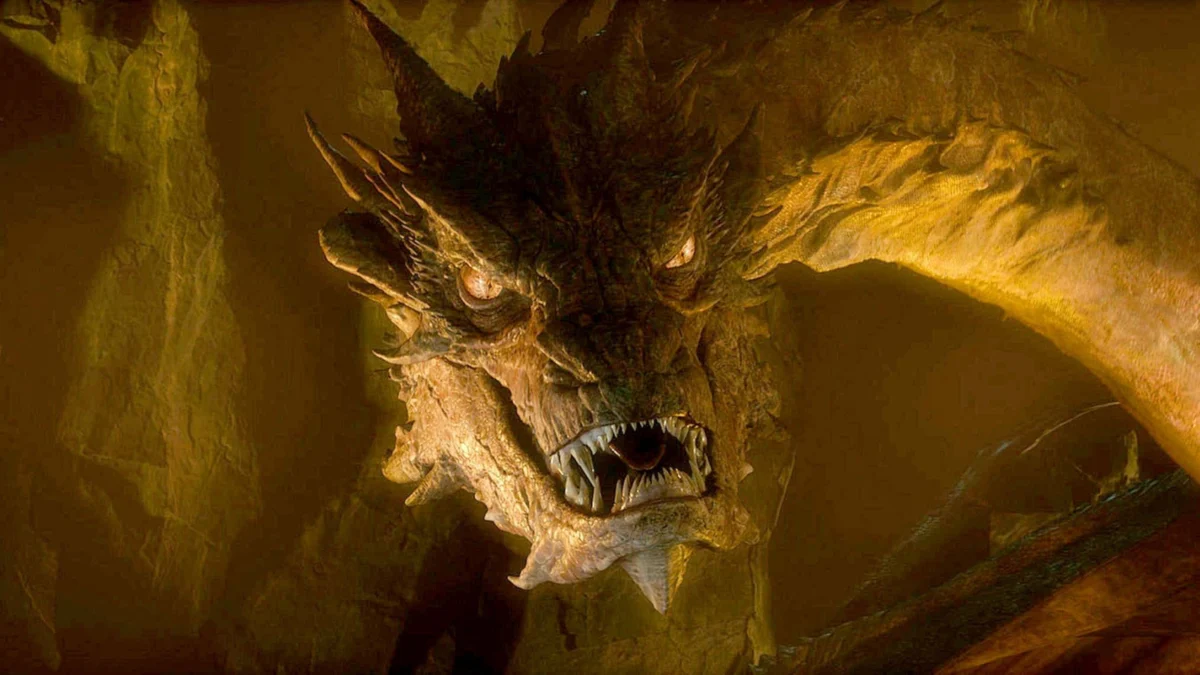
For fans of J.R.R. Tolkien’s seminal work, the journey to Middle-earth is a perennial favorite. Whether you are a casual viewer looking for a weekend escape or a dedicated "Tolkienite" seeking the most immersive experience possible, navigating the digital landscape of streaming rights can often feel as perilous as traversing the Mirkwood Forest.
While Peter Jackson’s The Hobbit trilogy remains the definitive modern adaptation of the novel, the fragmentation of streaming libraries means that viewers must often piece together their marathon from different platforms. This guide provides a detailed breakdown of how to watch the various iterations of The Hobbit at home, ensuring you spend less time scrolling through menus and more time in the Shire.
The Peter Jackson Trilogy: The Modern Standard
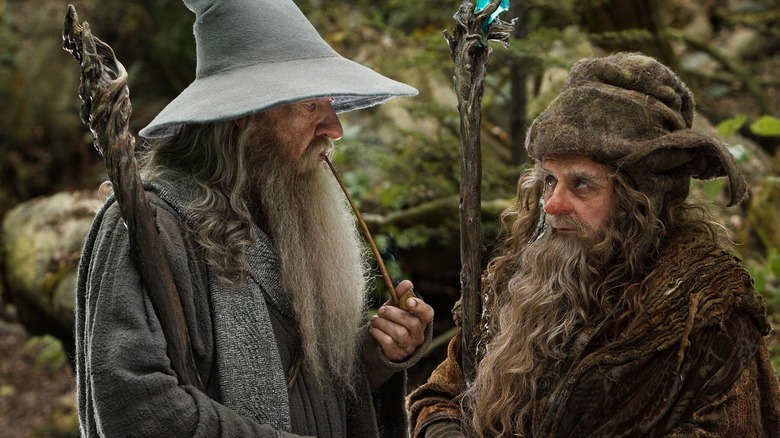
Peter Jackson’s three-part adaptation of The Hobbit—comprising An Unexpected Journey, The Desolation of Smaug, and The Battle of the Five Armies—transformed a slim children’s novel into a cinematic epic.
Where to Stream Theatrical Versions
Currently, Warner Bros.’ streaming service, Max (formerly HBO Max), serves as the primary hub for the theatrical versions of the trilogy. Having all three films available under a single subscription is a significant convenience in an era where franchise entries are frequently split across competing platforms.
If you are a subscriber, you can access these titles directly via the Max app or through the Max channel integration on Amazon Prime Video. Watching them in sequence allows for the intended pacing of Jackson’s narrative, following Bilbo Baggins from the quietude of Bag End to the perilous heights of the Lonely Mountain.
The Extended Edition Dilemma
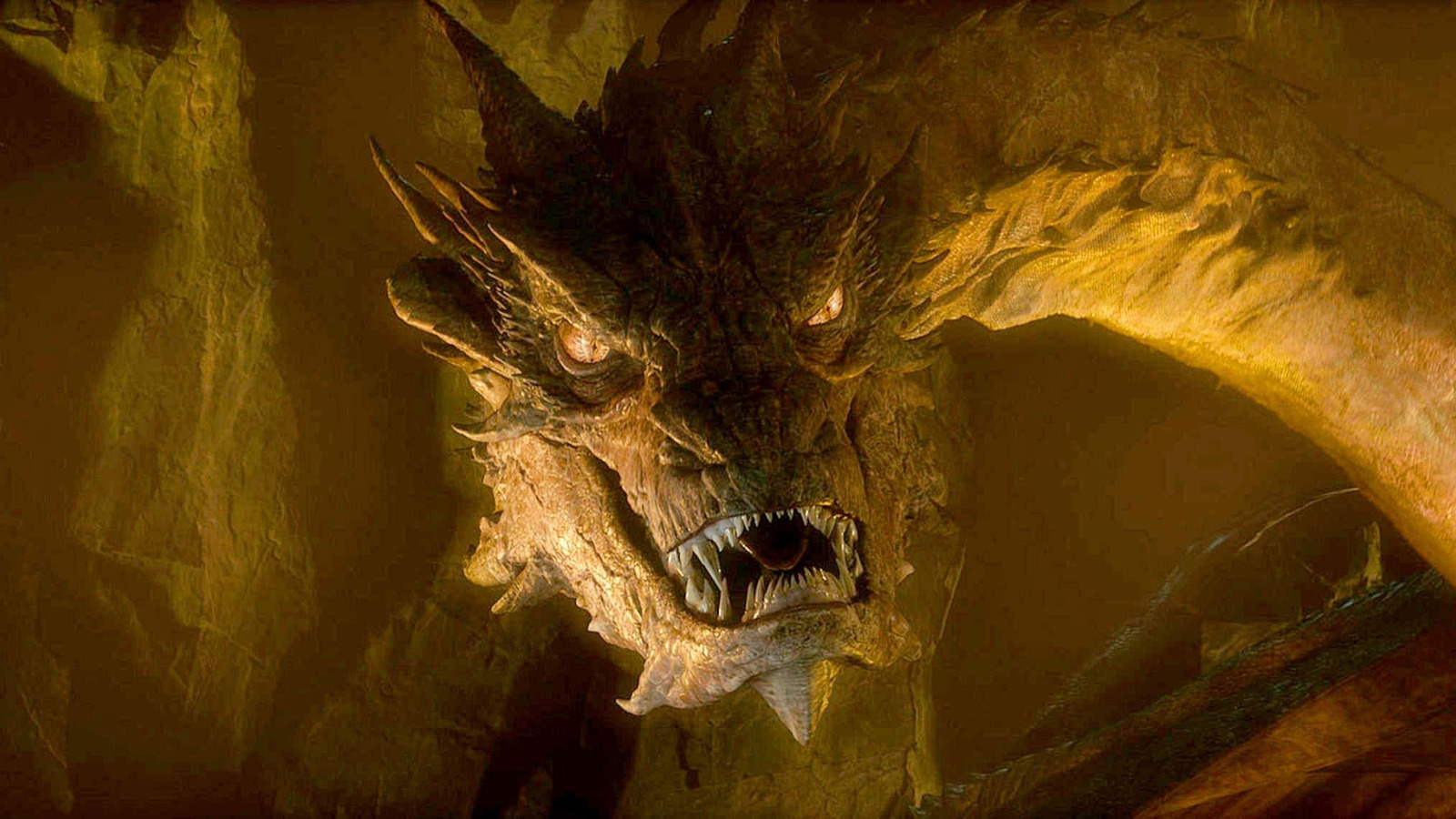
For the true devotee, the theatrical cuts often feel like a diminished experience. The Extended Editions add roughly 51 minutes of cumulative footage, deepening the lore, expanding character motivations, and providing sequences that were cut for theatrical runtime constraints.
However, availability for these versions is inconsistent. Currently, subscribers to Max can access the Extended Editions of The Desolation of Smaug and The Battle of the Five Armies. Curiously, the first entry, The Hobbit: An Unexpected Journey (Extended Edition), is not currently part of the subscription library. To view this specific cut, viewers must currently purchase or rent the film digitally via platforms like Amazon Prime Video.
This creates a "fragmented marathon" scenario. While the streaming gods have yet to align these rights entirely, many fans choose to bridge the gap by purchasing the single missing title while utilizing their existing subscription for the remainder of the trilogy.
A Blast from the Past: The 1977 Animated Classic
Before Jackson’s sweeping vistas and CGI-rendered dragons, there was the 1977 Rankin/Bass animated television film. For many, this version remains the definitive adaptation of the text.
Why Watch the 1977 Version?
Clocking in at a brisk 77 minutes, the animated Hobbit is a masterpiece of efficiency. It captures the whimsy and the inherent "fairy tale" quality of Tolkien’s original prose without the need for the sprawling side-plots—such as the Necromancer subplot or the expanded role of the White Council—that Jackson introduced to inflate his live-action films.
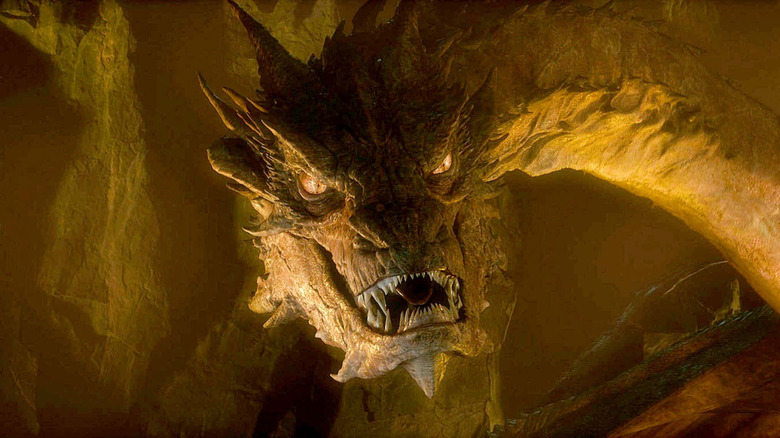
The animation style, characterized by its distinct, painterly backgrounds and folk-inspired aesthetic, offers a refreshing alternative to the heavy-CGI look of the 2010s. It is currently available to stream on Max, making it an excellent "palate cleanser" for those who find the modern trilogy too dense or time-consuming.
Chronological Considerations for the Marathon Viewer
If you are planning a full Middle-earth marathon, the order of operations is vital. While The Hobbit was written before The Lord of the Rings, the films were released in reverse order of their internal chronology.
- The Hobbit: An Unexpected Journey (Chronological Start)
- The Hobbit: The Desolation of Smaug
- The Hobbit: The Battle of the Five Armies
- The Lord of the Rings: The Fellowship of the Ring
- The Lord of the Rings: The Two Towers
- The Lord of the Rings: The Return of the King
This sequence provides the most cohesive narrative experience, allowing the viewer to witness the evolution of Bilbo’s character, the weight of the One Ring’s history, and the eventual rise of the threat that defines the Third Age.
Supporting Data: Understanding Streaming Fragmentation
The inconsistency in where these films are hosted is a byproduct of modern media licensing. Streaming platforms operate on rotating windows of exclusivity. When Warner Bros. Discovery—the parent company of both New Line Cinema (which produced the Hobbit films) and Max—negotiates content deals, they must balance the revenue from subscription retention against the revenue from individual digital sales (VOD).
This is why you might see two films of a trilogy on a subscription service while the third is relegated to a "rent-only" status. It is a strategic move to maximize profit from consumers who are willing to pay for a specific title to complete their collection, even if they already subscribe to the service hosting the others.
Official Responses and Industry Context
Executives at Warner Bros. Discovery have frequently emphasized that their streaming strategy is fluid. While they aim to make their core franchises (like the Wizarding World and Middle-earth) the "crown jewels" of the Max library, legal obligations to third-party distributors and regional licensing agreements often dictate when and where these films appear.
When questioned about the lack of uniform availability for the Extended Editions, industry analysts note that digital distribution rights are often tied to legacy contracts signed years ago. These contracts are slow to expire, leading to the current "patchwork" availability that frustrates consumers.
Implications for the Future of Home Media
The current state of The Hobbit streaming serves as a case study for the value of physical media. As streaming libraries continue to fluctuate, many film enthusiasts have turned back to 4K Blu-ray and Blu-ray collections.
By owning a physical set, a viewer is immune to the "disappearing act" performed by streaming services. You are no longer at the mercy of licensing agreements or platform updates. For a trilogy as visually demanding as The Hobbit, the high-bitrate quality of a 4K disc often far exceeds the compressed quality of a standard internet stream, providing a superior audio-visual experience that matches the scale of Jackson’s vision.
Final Thoughts for the Viewer
Whether you are streaming the trilogy via Max, renting the missing pieces on Amazon, or dusting off a DVD player to watch the 1977 classic, the spirit of Middle-earth remains intact.
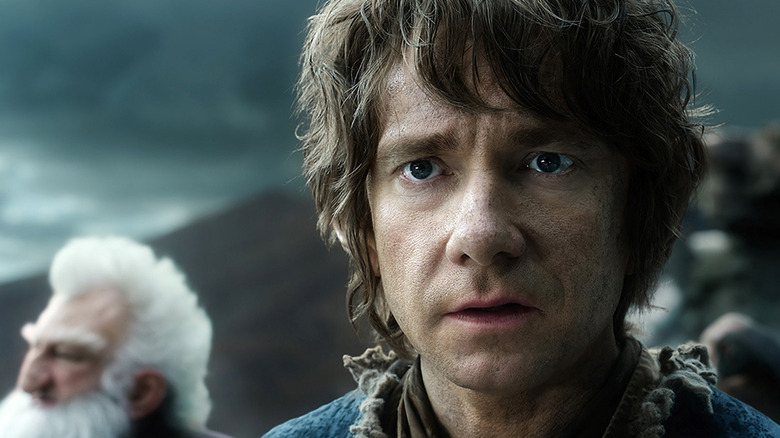
For those who find themselves wanting more after the credits roll, the literary path is always open. Returning to the original Tolkien text provides context for the choices made by filmmakers—both the 1977 animators and Peter Jackson’s team. As the streaming landscape continues to evolve, keeping an eye on official announcements from Max regarding their content library is the best way to catch the Extended Editions when they eventually rotate back into full availability. Until then, grab your tea, prepare your second breakfast, and enjoy the journey.

 Pevita Pearce
 Dwi Wanna