

By Editorial Staff
Reporting from the intersection of peripheral innovation and ergonomic design.
The mechanical keyboard market has seen a rapid evolution over the past five years, shifting from a niche enthusiast hobby into a mainstream pursuit of productivity and comfort. Leading this charge is Keychron, a brand that has consistently democratized high-end features like CNC aluminum chassis and hot-swappable PCBs. Today, the company pushes the envelope further with the launch of the Q11 Ultra, an evolution of their beloved 75% split mechanical keyboard that addresses the single biggest request from the community: true wireless freedom.
Main Facts: The Evolution of the Q11 Series
The Q11 Ultra is not merely a revision; it is a fundamental re-engineering of the split-keyboard concept. The original Q11 was praised for its ergonomic layout but tethered users to their desks with a required interconnect cable and a standard USB-C connection to the PC. The "Ultra" designation signifies a transition to a fully wireless ecosystem.
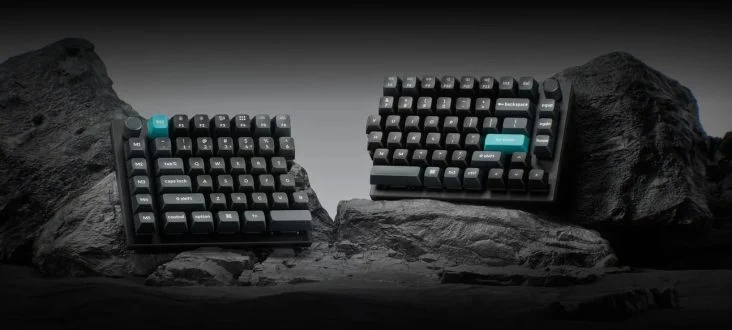
At its core, the Q11 Ultra features a 75% split design, allowing users to position the two halves of the keyboard at ergonomic angles that suit their shoulder width and desk space. This reduction in wrist pronation is a primary driver for those seeking to mitigate repetitive strain injuries (RSIs).
Key technical specifications of the new release include:
- Tri-Mode Connectivity: Bluetooth 5.1, 2.4GHz wireless via a dedicated receiver, and a wired USB-C interface.
- High-Performance Polling: The board boasts an impressive 8000Hz polling rate in both wired and 2.4GHz modes, catering to competitive gamers who require minimal latency.
- Endurance: Equipped with dual integrated batteries, the Q11 Ultra offers up to 300 hours of battery life, ensuring that even power users are not constantly hunting for charging cables.
- Build Quality: A full CNC-machined aluminum body with an integrated top plate, reinforcing the premium aesthetic Keychron is known for.
- Customization: Hot-swappable PCB supporting 3-pin and 5-pin MX switches, paired with Keychron’s proprietary Silk POM switches (Red, Brown, or Banana).
Chronology: From Concept to Ultra-Wireless Reality
The path to the Q11 Ultra is part of a broader industry trajectory toward wireless independence.
- 2022: Keychron establishes its presence in the split-keyboard market with the standard Q11. While successful, the community immediately began requesting a wireless version that eliminated the need for the interconnect cable—a common point of failure and aesthetic clutter in split designs.
- 2023: Keychron introduces its "Ultra" branding across other product lines, focusing on high-efficiency firmware, improved power management, and the Keychron Launcher web-based configuration tool.
- Early 2025: Rumors regarding a successor to the Q11 begin circulating within the mechanical keyboard enthusiast community, specifically on platforms like Reddit and Geekhack, following leaks about a new PCB design capable of managing wireless signal distribution across two separate halves.
- Current Day: Keychron officially launches the Q11 Ultra, marking the culmination of over 18 months of R&D focused on balancing the power consumption of split-wireless communication with the high-polling requirements of modern computing.
Supporting Data: Why Split and Why 8000Hz?
The ergonomics of split keyboards are supported by extensive data on musculoskeletal health. By allowing the user to separate the halves of the keyboard to match their shoulder width, the Q11 Ultra promotes a "neutral" wrist position. This reduces the need for ulnar deviation—a common cause of carpal tunnel symptoms in office environments.
However, the inclusion of an 8000Hz polling rate in a split, wireless keyboard is an ambitious technical feat. Traditionally, wireless keyboards have struggled with latency, often settling for 1000Hz. Keychron’s implementation of advanced 2.4GHz wireless technology minimizes "input lag," ensuring that the data transmitted from the keyboard to the PC is processed in a fraction of a millisecond. This makes the device not only an ergonomic tool for writers and coders but a viable option for high-intensity gaming.
Furthermore, the choice of the KSA (Keychron Signature) profile keycaps, combined with the Silk POM switches, suggests a focus on acoustics and typing feel. The Silk POM switches offer a smoother friction coefficient compared to traditional nylon or polycarbonate housings, resulting in a distinct, "buttery" typing experience that enthusiasts prioritize.
Official Responses and Firmware Integration
Keychron has positioned the Q11 Ultra as a flagship device within their ecosystem, emphasizing the importance of the Keychron Launcher. This web-based utility replaces the need for proprietary, often bloated desktop software. By utilizing a browser-based interface, users can remap the five-key macro column on the left side of the keyboard or assign functions to the two integrated rotary knobs without installing persistent background processes on their machine.
Regarding the aesthetic design, Keychron’s design team noted:
"The Q11 Ultra is designed to be the ultimate workstation companion. While we have omitted the decorative bottom panel found on other Ultra-series boards to ensure structural integrity and battery space for the split halves, the focus remains on high-grade aluminum, superior acoustics, and the freedom of a cable-free workspace."
The choice of a black colorway with blue accent keys is a nod to the retro-futurist design language currently trending in the keyboard community, offering a professional yet distinct look that fits both home and corporate office settings.
Implications for the Peripheral Market
The release of the Q11 Ultra has several significant implications for the future of mechanical peripherals:
1. The "Wireless" Standard:
With the release of this device, the market expectation for high-end mechanical keyboards is shifting. Consumers are increasingly viewing wired-only boards as "legacy" products. The technical hurdle of synchronizing two wireless halves has now been cleared, setting a new bar for competitors.
2. The Convergence of Ergonomics and Gaming:
Historically, ergonomic keyboards were designed for typing, while "gaming" keyboards focused on speed and RGB lighting. The Q11 Ultra bridges this divide. By offering 8000Hz polling and high-efficiency firmware in a split chassis, Keychron is suggesting that users no longer have to compromise their health for performance.
3. Software Democratization:
The shift away from downloadable software toward browser-based tools like Keychron Launcher is a win for user privacy and security. It avoids the "bloatware" problem that has plagued the industry for years, allowing for seamless cross-platform support (Windows, macOS, and Linux) without the need for platform-specific drivers.
4. Pricing and Accessibility:
At $239.99, the Q11 Ultra occupies a premium price point. However, compared to bespoke custom split keyboards—which can often cost upwards of $500 and require assembly—Keychron’s offering provides a "plug-and-play" premium experience that is likely to draw in a wider demographic of professionals looking to upgrade their home offices.
Conclusion
The Keychron Q11 Ultra stands as a testament to the brand’s ability to iterate based on user feedback. It addresses the fundamental limitations of its predecessor while introducing high-performance features that elevate it to the top of the 75% split keyboard segment.
Whether you are a software engineer looking to reduce wrist strain during long coding sessions, or a gamer seeking the unique form factor of a split layout without sacrificing speed, the Q11 Ultra presents a compelling, albeit premium, solution. As the lines between "productivity tools" and "gaming hardware" continue to blur, Keychron is effectively positioning itself as the bridge between the two, providing a keyboard that is as comfortable as it is capable.
As we look toward the remainder of the year, it will be interesting to see if other manufacturers follow suit, moving toward wireless split designs that prioritize both the user’s physical health and the aesthetic minimalism of the modern desk setup. For now, the Q11 Ultra is the one to beat.









No comments yet. Be the first to join the conversation!