

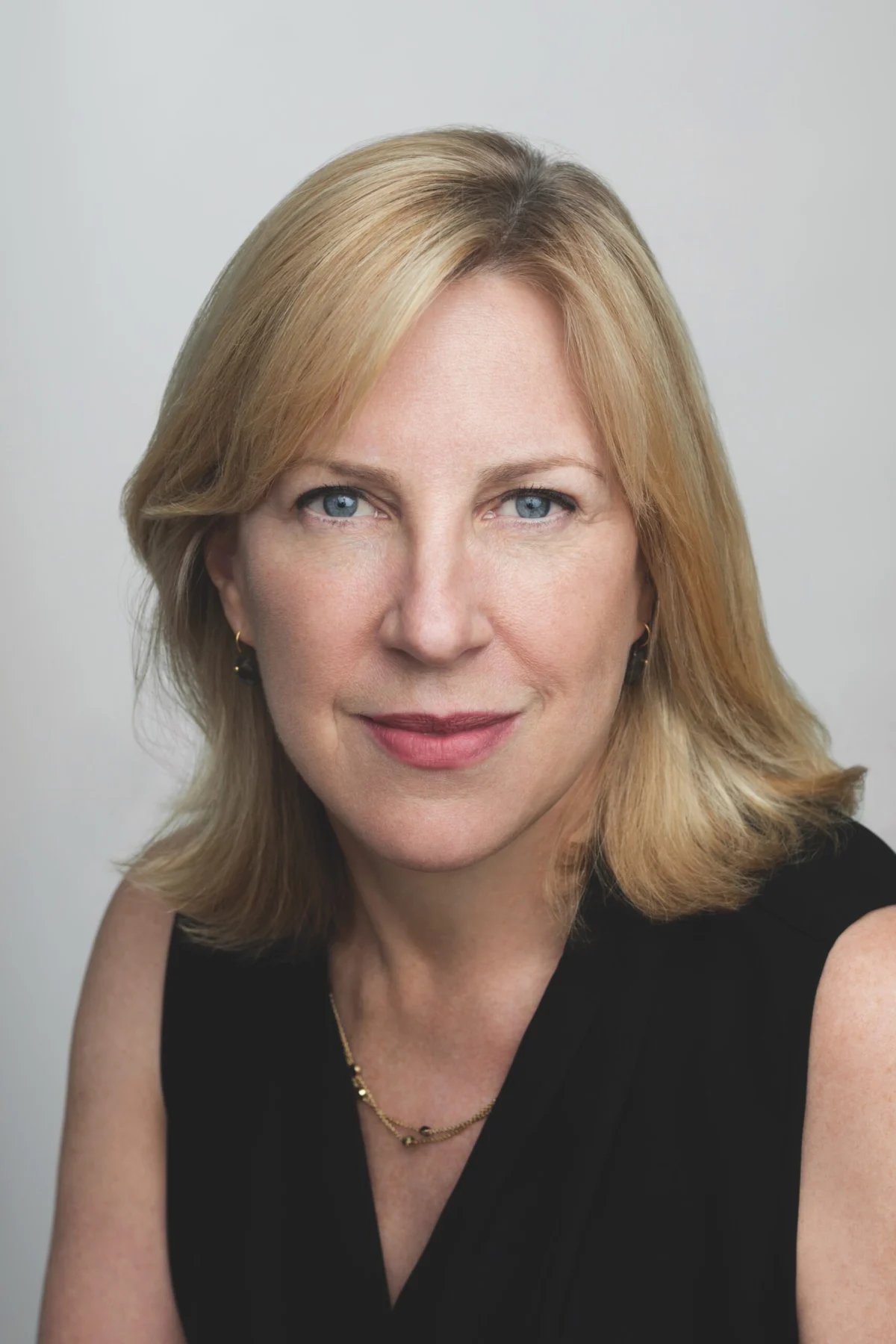
In the annals of 19th-century American history, few figures are as instantly recognizable—yet profoundly misunderstood—as Chang and Eng Bunker. Known to the world as "the Siamese Twins," the brothers became a global phenomenon, exhibited as living curiosities across continents. However, a new work of historical fiction by #1 New York Times bestselling author Christina Baker Kline, titled The Foursome, peels back the layers of public spectacle to reveal the deeply human story of the two North Carolina women who married them: Sarah and Adelaide Yates.
For Kline, this project is not merely an academic exercise; it is an excavation of her own family legacy. As a distant relative of the Yates sisters, Kline has spent the better part of six years navigating the "thorny" reality of her ancestors’ lives, ultimately crafting a narrative that addresses the intersection of love, ambition, and the harsh socio-political landscape of the pre-Civil War American South.
Main Facts: A Story of Unconventional Domesticity
At the heart of The Foursome lies an impossible arrangement. In the 1840s, Sarah and Adelaide Yates entered into marriages with Chang and Eng Bunker, creating a domestic unit that defied every social convention of the era. Together, the two couples navigated a life that was constantly under the scrutiny of a judgmental public.
Despite the fame of the twins, the Yates sisters remained largely invisible to the historical record. Their existence is relegated to fleeting mentions in census entries, marriage licenses, and family Bibles. Kline’s novel seeks to restore their agency, imagining the daily lives of these women as they raised twenty-one children and managed a household against the backdrop of a nation drifting toward secession. The core of the book examines the "intimate bargains" struck by four people who were bound by necessity as much as by affection.
Chronology: From Curiosity to Ancestral Legacy
The timeline of the Bunker family is marked by a transition from the public stage to the private, agrarian life of Surry County, North Carolina.
- 1811: Chang and Eng Bunker are born in Siam (now Thailand).
- 1829: The twins are brought to the United States and the United Kingdom by merchant Robert Hunter and others, beginning their career as a professional "exhibit."
- 1839: The twins settle in North Carolina, seeking to retire from the grueling schedule of public exhibition and purchase land.
- 1843: Chang and Eng marry sisters Sarah and Adelaide Yates. The marriages are met with intense public fascination and scandal.
- 1840s–1860s: The "foursome" raises a massive family of twenty-one children while navigating the complexities of their status in a slave-holding society.
- 1874: Chang and Eng pass away within hours of each other, leaving their widows to navigate the aftermath of their husbands’ notoriety.
- Present Day: Christina Baker Kline, prompted by genealogist Lesley Looper, begins the arduous process of researching and writing the lives of her ancestors, culminating in the publication of The Foursome.
Supporting Data: The Research Methodology
To reconstruct a world that had been largely lost to time, Kline employed a rigorous research methodology that combined traditional archival work with oral history.

Archival Excavation
Kline’s research took her across North Carolina, where she combed through court records, newspapers, and financial ledgers. By examining the land the Bunkers farmed, she gained an understanding of their economic standing and their participation in the regional economy. These documents provided the skeleton of the narrative, filling in the gaps where personal diaries or letters were missing.
Oral History and Descendant Interviews
Perhaps the most vital component of the research was the engagement with the living descendants of the Bunker family. Their perspectives, passed down through generations, provided the emotional grounding for the novel. Kline credits their openness with allowing her to approach the story with the necessary empathy, avoiding the sensationalism that characterized the treatment of the twins during their lifetime.
The Mystery of the Solitary Grave
During her research, Kline discovered a chilling detail that would become the emotional anchor of The Foursome: Sarah Yates’s burial. Unlike the other members of the family who share a communal resting place, Sarah was buried on family land in a solitary plot alongside her deceased children and people the family had enslaved. This spatial isolation served as a metaphor for the profound, perhaps lonely, understanding Sarah reached over her lifetime—an understanding that separated her from those around her.
Official Responses and Literary Perspectives
The publication of The Foursome has been met with critical acclaim for its nuanced approach to a difficult subject. Critics have noted that Kline avoids the trap of romanticizing the unconventional marriage, choosing instead to focus on the grit required to maintain a family under such immense external pressure.
"This is the most personal novel I’ve ever written," Kline stated in an essay accompanying the book’s release. She emphasized that after the success of Orphan Train, she felt a profound responsibility to tell the story of these women. "Lesley Looper told me, ‘These women are our ancestors. If you don’t tell their story, who will?’ That was the catalyst."
Historians have also praised the book for its attention to the intersection of disability, race, and gender. By situating the Bunker family within the volatile climate of the antebellum South, Kline invites readers to reconsider what "normalcy" meant in a society that was both obsessed with the twins’ physical condition and deeply complicit in the institution of slavery.

Implications: Memory, Complicity, and Historical Erasure
The Foursome serves as more than just a family history; it is a meditation on the ethics of remembrance. Kline challenges the reader to consider what we choose to record and what we choose to ignore.
The Problem of Complicity
A central theme of the novel is the family’s relationship with slavery. As landowners in the South, the Bunkers were participants in a brutal system. Kline spent a significant portion of her six-year writing process grappling with this, taking a "long pause" to ensure that the novel did not gloss over the reality of their complicity. The resulting narrative is an unflinching look at how individuals navigate moral compromises in order to survive and prosper.
Gender and the Burden of Notoriety
The novel highlights the gendered divide in historical documentation. While Chang and Eng were the subjects of endless medical treatises and newspaper features, the sisters were rendered as silent participants. Kline’s work acts as a corrective, asserting that the labor of the women—both in the home and in the management of the family’s complex public and private affairs—was the true engine of the Bunkers’ survival.
A Legacy Reimagined
Ultimately, The Foursome poses a question to the modern reader: How do we reconcile the strange, often uncomfortable stories of our ancestors with our contemporary values? By digging into the "thorny" history of her own kin, Kline demonstrates that the act of storytelling is an act of reclaiming.
In her pursuit of Sarah and Adelaide, Kline has provided a voice to women who were nearly erased by history. She illustrates that even in the most public of lives, there are private, intimate truths that deserve to be unearthed. As the nation continues to wrestle with its own history, The Foursome serves as a poignant reminder that the past is never truly buried—it is waiting to be understood by those willing to look closer.
The novel is not just a triumph of historical fiction; it is a testament to the power of genealogy, the importance of historical empathy, and the enduring necessity of telling the stories that others might prefer to leave in the shadows. Through Kline’s lens, the Bunkers are transformed from a curiosity of the 19th century into a family whose struggles, triumphs, and failures remain startlingly relevant to the human condition today.










No comments yet. Be the first to join the conversation!