

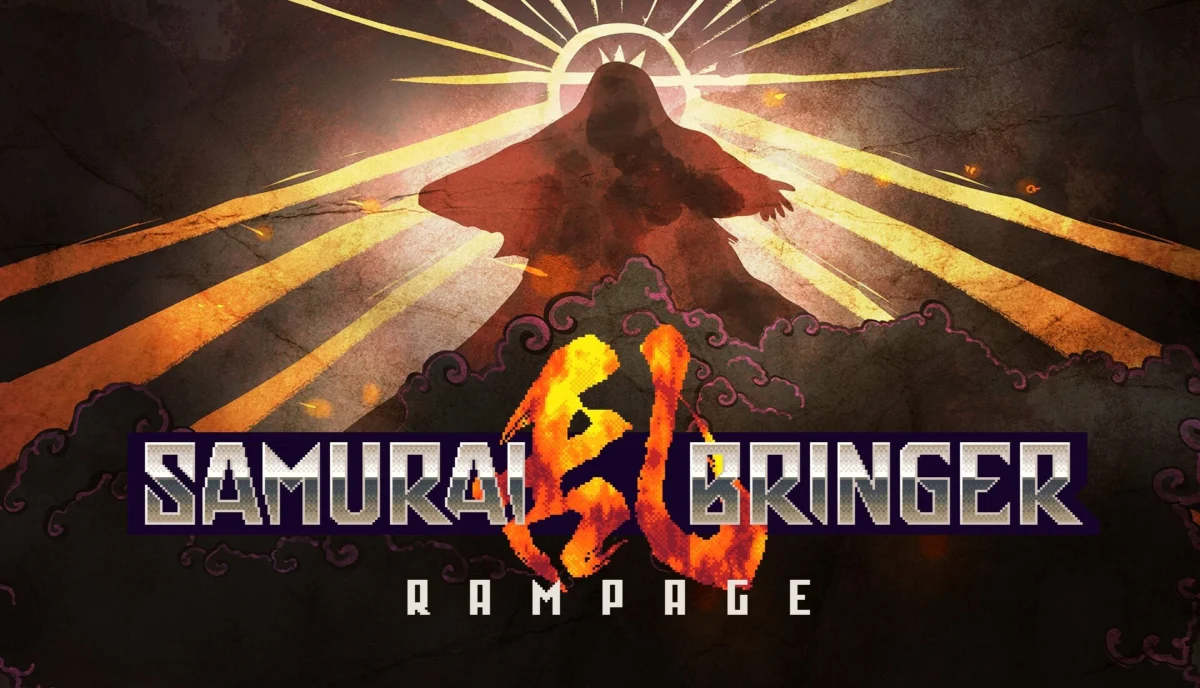
TOKYO, Japan – PLAYISM, a publisher renowned for its curation of innovative and distinctive indie titles, has officially announced Samurai Bringer: Rampage, a significant new entry in the acclaimed Bringer series. Developed by Alphawing, the studio behind the popular Samurai Bringer and Metal Bringer, this latest installment marks a bold strategic pivot, transitioning the series from its roguelite action roots into the dynamic and intellectually stimulating realm of deckbuilding autobattlers. Scheduled for a global launch on PC via Steam in 2026, Samurai Bringer: Rampage promises a fresh take on Sengoku-era warfare, complete with multi-language support including English, Japanese, Traditional Chinese, and Simplified Chinese, signaling a broad international appeal right from its inception.
The announcement trailer, released simultaneously with the news, offered a tantalizing glimpse into the chaotic yet strategic battles that define the game. Players will be thrust into a vibrant, voxel-art rendition of feudal Japan, tasked with assembling formidable armies, strategically positioning their samurai generals, and engaging in flamboyant, automated skirmishes to ultimately unite the fractured land. This departure from direct action gameplay into a more tactical, managerial experience reflects a deliberate evolution for the Bringer franchise, aiming to captivate both long-time fans and newcomers to the increasingly popular autobattler genre.
The Genesis of a New Battleground: Chronology of the Bringer Series
The Bringer series, while not as widely known as some triple-A franchises, has steadily cultivated a dedicated following thanks to its unique blend of Japanese historical themes and engaging gameplay mechanics. The journey began with Samurai Bringer, the inaugural title, which carved out a niche for itself as a roguelite action game. Released to a "Very Positive" reception on Steam, garnering over 900 reviews, Samurai Bringer immersed players in procedurally generated stages where they faced off against hordes of samurai and yokai. Its core loop of run-based progression, character upgrades, and challenging combat resonated with players who appreciated its distinctive art style and satisfying action. The game successfully blended the relentless challenge of a roguelite with the strategic depth of skill customization, allowing players to continually adapt their combat styles through each successive run. This foundation established the series’ identity: a playful yet engaging interpretation of Japanese folklore and history.
Following the success of Samurai Bringer, Alphawing expanded their creative horizons with Metal Bringer. While details regarding Metal Bringer‘s specific gameplay mechanics are less prevalent, its existence signifies Alphawing’s willingness to experiment and iterate within the Bringer universe. It suggests a continuous exploration of genres and themes, perhaps laying groundwork for more significant shifts. This iterative development process is crucial for indie studios looking to innovate and maintain relevance in a competitive market. Each title in the series appears to serve as a stepping stone, allowing the developers to refine their engine, art style, and narrative capabilities, all while building a loyal community around their creative vision.
The announcement of Samurai Bringer: Rampage for 2026 represents the most significant evolutionary leap for the franchise to date. The decision to transition from a direct-action roguelite to a deckbuilding autobattler is a strategic move that speaks volumes about Alphawing’s ambition and their understanding of current gaming trends. This genre shift allows the developers to retain the beloved "comical voxel samurai action" and the rich Sengoku setting, while introducing a completely new gameplay paradigm. It’s a calculated risk, aiming to diversify the series’ appeal, potentially drawing in a new audience that prefers strategic depth and management over real-time combat reflexes. The two-year development window leading up to 2026 suggests a commitment to polish and depth, allowing Alphawing ample time to meticulously craft the intricate systems required for a compelling deckbuilding autobattler experience, potentially including robust beta testing phases to gather community feedback and fine-tune gameplay.
Strategic Depths and Digital Warfare: Supporting Data and Gameplay Mechanics
Samurai Bringer: Rampage is poised to redefine strategic gameplay within the Bringer series, offering a rich tapestry of tactical choices through its deckbuilding autobattler format. At its core, the game challenges players to become master strategists of the Sengoku period, orchestrating their forces to achieve ultimate dominion.
The General Selection system is paramount to a player’s initial strategy. Each historical general available for selection will not merely be a cosmetic choice but will fundamentally influence the starting samurai units, available abilities, and strategic leanings of a player’s army. For instance, choosing a historically aggressive general like Oda Nobunaga might grant access to powerful offensive units and abilities that favor swift, decisive engagements, encouraging a ‘rush’ strategy. Conversely, selecting a general known for their defensive prowess, such as Tokugawa Ieyasu, could provide resilient units and abilities focused on attrition and fortification, leading to a more patient, build-up approach. This initial choice sets the tone for the entire run, making general selection a critical strategic decision that demands an understanding of both the general’s historical context and their in-game tactical implications. This depth in general selection adds a layer of replayability, as different generals will unlock distinct pathways to victory.
The heart of Rampage‘s gameplay lies in Formation Building & Synergies, where the deckbuilding aspect truly shines. Players will acquire a diverse array of units, including various samurai, distinct weapon types, and unique abilities, forming their "deck" of potential combatants. The strategic brilliance comes from arranging these units on the battlefield grid. Simply deploying powerful units isn’t enough; players must meticulously match weapon types and abilities to trigger potent synergies. Imagine pairing katana-wielding samurai with archers to gain an attack bonus, or combining units from a specific clan to unlock a factional buff. These synergies could manifest as increased damage, defensive boosts, status effects, or even unique combat maneuvers. The game encourages experimentation, allowing players to discover powerful combinations that align with their chosen general’s strategy or to counter specific enemy formations. This intricate dance of unit placement and synergy activation transforms each battle preparation into a compelling puzzle, reminiscent of successful auto-battlers like Hearthstone Battlegrounds or Teamfight Tactics, but with a distinctly Japanese historical flair.
A crucial element highlighted by PLAYISM is the importance of Strategic Adaptation. Players are not simply building a static army; they must "survey the enemy’s formation and strategy, then rearrange your own forces to conquer the land!" This implies a dynamic meta-game where understanding opponent setups and adapting one’s own army in real-time or between rounds is key. This could involve scouting enemy formations, predicting their likely synergies, and then adjusting one’s own unit placement, general selection (in specific modes), or even card choices to counter. This constant push-and-pull of strategy and counter-strategy elevates the gameplay beyond simple deck construction to a sophisticated chess match played out with voxel samurai.
Once formations are set, the Autobattling Spectacle unfolds. Battles are fought automatically, allowing players to sit back and witness the fruits of their strategic labor. The description promises "chaotic battles with over-the-top, flashy attacks," leveraging the comical voxel art style to deliver visually engaging skirmishes. The spectacle is not just for entertainment; observing how one’s formation performs, which units excel, and where weaknesses lie, provides invaluable data for future strategic adjustments. The innovative aspect of fighting "formations created by players from around the world and saved on the server" hints at an asynchronous multiplayer component, providing a continuous stream of diverse and challenging opponents, thereby extending the game’s longevity and competitive appeal. This server-side saving mechanism could allow for leaderboards, rankings, and a vibrant community meta, where players constantly refine their ‘ideal’ formations to outwit others.
The Thematic Integration of the Sengoku period is not just superficial. The game’s core objective of "uniting the land" directly reflects the historical struggles of the era. The inclusion of "favorite historical general[s]" and choices based on "preferred region" immerses players deeper into the historical context, giving their strategic decisions a greater sense of purpose and authenticity within the game’s narrative. The charming voxel art style, while comical, also provides a distinctive aesthetic that helps the game stand out, making the intense strategic battles accessible and visually appealing without sacrificing depth.
Voices from the Development Front: Official Responses and Creative Vision
The collaboration between PLAYISM and Alphawing for Samurai Bringer: Rampage speaks volumes about the project’s potential and the strategic vision guiding its development. PLAYISM, as a prominent publisher of Japanese indie games, has built a reputation for identifying and nurturing unique, high-quality titles that often push creative boundaries. Their backing of Alphawing for a genre-shifting entry in the Bringer series suggests a strong belief in the developer’s capacity to deliver a compelling and innovative experience. PLAYISM’s involvement typically ensures a wider reach, robust marketing, and a professional level of polish, crucial for an indie title aiming for global appeal. Their portfolio includes a diverse range of successful games, indicating an understanding of niche markets and a commitment to artistic integrity, which bodes well for Rampage‘s reception.
Alphawing’s statement, emphasizing that the game "preserves the comical voxel samurai action of Samurai Bringer, but mixes things up with a brand new game system as a deckbuilding autobattler," clearly articulates their creative vision. This isn’t a complete abandonment of the series’ identity but rather a thoughtful evolution. The design philosophy behind this genre shift could stem from multiple motivations. It might be a response to player feedback from Samurai Bringer, perhaps an acknowledgment that while the action was fun, there was potential for deeper strategic engagement. Alternatively, it could be a deliberate choice to tap into the burgeoning popularity of the autobattler and deckbuilding genres, which have seen significant growth and innovation in recent years. This allows Alphawing to leverage current gaming trends while infusing them with their established IP and artistic style. The shift could also represent a new creative challenge for the development team, allowing them to explore different design paradigms and expand their skill set.
The announcement trailer serves as the initial official communication, a crucial first step in building anticipation. Following this, it is reasonable to expect Alphawing and PLAYISM to engage in further community outreach. This could include developer diaries detailing specific mechanics, Q&A sessions with the development team, and potentially early access programs or beta tests closer to the 2026 launch. Such engagement is vital for an autobattler, a genre that thrives on community feedback for balance adjustments and content updates.
Furthermore, the explicit commitment to multi-language support—English, Japanese, Traditional Chinese, and Simplified Chinese—highlights a clear strategic intent to target a significant international market, particularly in East Asia. This is a common and wise move for Japanese publishers and developers, recognizing the immense gaming populations in these regions. Providing localized experiences from day one greatly enhances accessibility and market penetration, suggesting a confident global outlook for Samurai Bringer: Rampage. This dedication to localization reinforces the professional journalistic tone of the announcement, indicating a well-thought-out plan for the game’s commercial success beyond its creative merits.
Beyond the Battlefield: Implications and Future Prospects
The launch of Samurai Bringer: Rampage carries significant implications for both the Bringer series and Alphawing’s trajectory within the gaming industry. This bold genre shift could fundamentally redefine the franchise, establishing a precedent for future entries to explore diverse gameplay mechanics while retaining the distinctive voxel aesthetic and Sengoku-era theme. It suggests a vision for the Bringer universe that is not confined to a single genre, potentially allowing Alphawing to experiment with RPG elements, strategy, or even puzzle games in subsequent titles. This diversification is crucial for a studio looking to maintain freshness and appeal in a rapidly evolving market, preventing the series from becoming stagnant.
In terms of Market Position and Competition, Samurai Bringer: Rampage enters a vibrant yet highly competitive landscape. The autobattler genre, popularized by titles like Dota Underlords, Teamfight Tactics, and Hearthstone Battlegrounds, demands a unique selling proposition to capture player attention. Rampage‘s distinctive voxel art style, combined with its historical Japanese setting, provides a strong visual and thematic identity that immediately sets it apart. However, it will need to deliver on deep strategic mechanics, balanced gameplay, and continuous content updates to truly carve out a lasting presence. Similarly, the deckbuilding genre, while slightly different in its purest form, has also seen an explosion of innovative titles such as Slay the Spire and Monster Train. Rampage‘s blend of deckbuilding for army construction and automated combat provides a unique hybrid, offering a different kind of strategic engagement that might appeal to players who enjoy tactical planning without the demands of real-time execution.
Player Base Expectations will be a critical factor. Existing fans of Samurai Bringer who gravitated towards its roguelite action might initially be surprised by the genre change. Alphawing’s challenge will be to demonstrate how the core essence of the series—its comical charm, strategic depth (albeit in a new form), and engaging theme—has been preserved and enhanced. The shared aesthetics and thematic elements will be vital in retaining this loyal audience. Simultaneously, the game must attract new players who are drawn to deckbuilding and autobattlers but may be unfamiliar with the Bringer series. For these players, the game’s accessibility, depth of strategy, and the quality of its asynchronous multiplayer experience will be paramount.
For Long-term Viability, particularly for a game with player-versus-player (even if asynchronous) elements, sustained community engagement and developer support are non-negotiable. Regular updates introducing new generals, samurai units, abilities, game modes, and seasonal content will be crucial to keeping the meta fresh and the player base active. A robust balancing framework, informed by player data and feedback, will also be essential to ensure fair and enjoyable competitive play. The "formations created by players from around the world and saved on the server" mechanic provides a solid foundation for a dynamic meta, but consistent iteration from the developers will be necessary to prevent stagnation.
The 2026 Horizon for its release positions Samurai Bringer: Rampage in an interesting spot. By then, the autobattler and deckbuilding genres will likely have evolved further, with new trends and competitors emerging. Alphawing has the opportunity to observe these developments and fine-tune their game accordingly, potentially integrating new features or responding to shifts in player preferences. However, it also means facing a potentially more crowded and sophisticated market.
In conclusion, Samurai Bringer: Rampage represents an ambitious and exciting new chapter for Alphawing and the Bringer series. Its strategic pivot to a deckbuilding autobattler, while retaining the beloved voxel art and Sengoku theme, showcases a commitment to innovation and a keen understanding of evolving player tastes. With PLAYISM’s support and a clear vision for global appeal, the game is poised to make a significant impact, potentially reinvigorating the series and establishing a new benchmark for strategic gameplay within the unique, comical world of voxel samurai. The journey to unite the land, it seems, will now be fought with wits as much as with blades.











No comments yet. Be the first to join the conversation!