Nana Muazin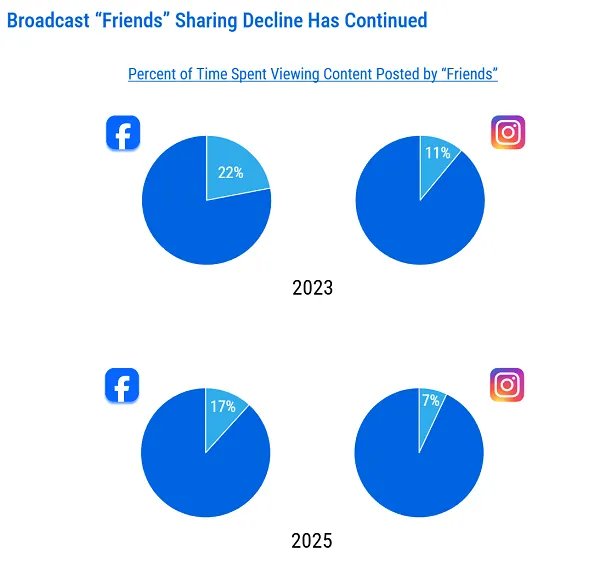
The narrative that "Facebook is dead" has become a perennial fixture of digital discourse, surfacing with rhythmic regularity whenever a dip in engagement or a shift in cultural zeitgeist occurs. However, a recent opinion piece published in The New York Times by veteran technology journalist Julia Angwin has reignited the debate with a more ominous premise: that it is not just Facebook, but the entire Meta ecosystem, that has entered a "zombie era."
As the tech industry grapples with shifting user behaviors and the rise of decentralized entertainment, the question of whether Mark Zuckerberg’s social media titan is facing an inevitable, long-term decline has moved from fringe social media chatter to the center of boardroom discussions.
The Case for the "Zombie Era"
In her critique, Angwin posits that death on the internet is rarely a sudden, catastrophic event. Instead, it is a slow, iterative process of erosion. She points to legacy giants like AOL and Yahoo as prime examples—companies that persist with revenue streams and loyal, albeit aging, user bases, yet have long since ceased to be centers of cultural gravity.
According to Angwin, Meta is currently undergoing this same transformation. The core argument rests on the observation that the platform has reached a state of "peak cringe" among younger demographics. As the excitement that once fueled the platform evaporates, the company’s stock value—historically driven by explosive growth—risks shriveling to a fraction of its former glory. This "zombie" status, she argues, is characterized by a platform that survives on the inertia of old email accounts and entrenched friend groups, rather than the innovation that once defined the early 2010s.
Chronology of a Shift: From Connection to Content
To understand the current tension, one must look at the historical trajectory of Meta’s engagement metrics.
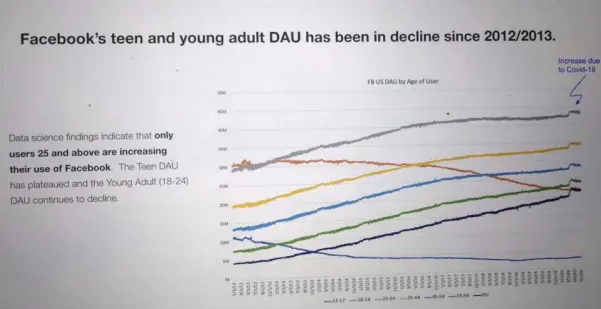
- 2021: The Facebook Files: Internal documents leaked in 2021 revealed a startling trend: usage among users under the age of 25 had been in a steady, steep decline for years. This was the first major alarm bell that the platform’s "cool factor" was evaporating.
- 2025: Fiscal Dominance: Despite the existential chatter, Meta reported a massive $200.97 billion in annual revenue for 2025, a 22% increase year-over-year. This highlighted a divergence between "cultural relevance" and "fiscal health."
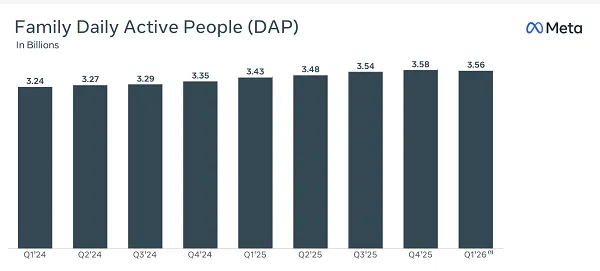
- Q1 2026: The First DAU Decline: For the first time in its history, Meta saw a collective decline in daily active users (DAUs) across its suite of apps (Facebook, Instagram, WhatsApp, Messenger, and Threads). Roughly 20 million fewer users logged in compared to Q4 of the previous year.
- Present Day: The debate has shifted from whether the company is growing to whether it can successfully pivot its massive capital reserves into the next generation of computing: AI, smart wearables, and spatial computing.
Supporting Data: By the Numbers
Critics of Meta often point to the Q1 2026 decline as the "smoking gun" of the company’s downfall. While 20 million users is a significant figure, it must be contextualized within the scale of the company’s operations.
With approximately 3.56 billion daily active users, Meta remains the primary digital touchpoint for nearly half the global population. The argument that the company is "dying" often ignores this sheer, unprecedented reach. However, the qualitative data tells a different story. Evidence presented during the company’s defense in recent FTC antitrust litigation revealed that the time users spend viewing content posted by friends and family has become a minor element of the overall experience.
The social media landscape has fundamentally pivoted from "connection" to "entertainment." Users are no longer logging into Facebook to check on their high school classmates; they are consuming algorithmically curated short-form video content. When that hunger for entertainment is sated, they migrate to competitors like TikTok. Consequently, while Meta’s reach is intact, its resonance—the depth of the relationship between the user and the platform—has undeniably thinned.
Strategic Pivot: The AI and Wearables Hedge
Meta is not blind to these trends. Mark Zuckerberg has been aggressively repositioning the company to survive the potential obsolescence of the smartphone.
The AI-Powered Future
Meta’s massive investment in AI infrastructure—totaling hundreds of billions of dollars—is a calculated attempt to define the next era of digital interactivity. The company is betting heavily on AI-powered wearables. Unlike the "metaverse" (specifically Horizon Worlds), which faced widespread skepticism and eventual operational scaling back, the smart glasses segment has shown genuine market traction.
Recent sales data from CNBC indicates that Meta sold three times as many smart glasses in 2025 than it did in 2023 and 2024 combined. This suggests that the company’s hardware division is finally finding a viable product-market fit. By integrating AI assistants into eyewear, Meta hopes to bypass the phone screen entirely, positioning its hardware as the primary interface for our digital and physical lives.
Robotics and Automation
Beyond software, Meta’s recent acquisition of humanoid robot developers demonstrates a desire to diversify into the physical-digital intersection. By leveraging AI to power physical agents, the company is signaling that it intends to remain a technological conglomerate, regardless of whether its social media apps retain their former status as the primary hubs of human interaction.
Implications: The "Clickbait" Reality
The central tension in the "Meta is dying" discourse is the definition of "death." If a company is defined by its ability to dominate the cultural conversation of 20-year-olds, then yes, Facebook is, by many metrics, in decline. However, if a company is defined by its ability to generate massive cash flow, maintain global infrastructure, and pivot its technological focus toward emerging trends, then the "dying" narrative appears significantly premature.
The suggestion that Meta is entering a state of total obsolescence functions more as a provocative headline than a sober economic analysis. The company has essentially dismantled the local advertising industry in countless regions, creating an ecosystem that small and medium-sized businesses cannot easily abandon.
Furthermore, the company’s ability to "fail" at the metaverse while still posting record-breaking revenue in 2025 demonstrates a level of fiscal resilience that few other corporations in human history have possessed. Meta is currently using its massive ad-driven income to fund a high-stakes gamble on the future of AI and AR.
Conclusion: A Shift in Identity
Meta is undoubtedly undergoing a metamorphosis. The Facebook of the late 2000s—the social network of status updates and photo tagging—is receding into history. In its place, a new entity is emerging: a diversified tech giant that operates as a utility for global communication, an advertising behemoth, and an R&D lab for the next generation of wearables.
While it is fashionable to declare the death of platforms that no longer feel "fresh," it is far more dangerous to underestimate a company that holds the keys to the world’s most significant digital communication channels. Meta may not be the same company it was a decade ago, but the evidence suggests it is far from becoming a "zombie." Instead, it is likely evolving into something more pervasive, more integrated, and perhaps, more permanent.


 Ammar Sabilarrohman