

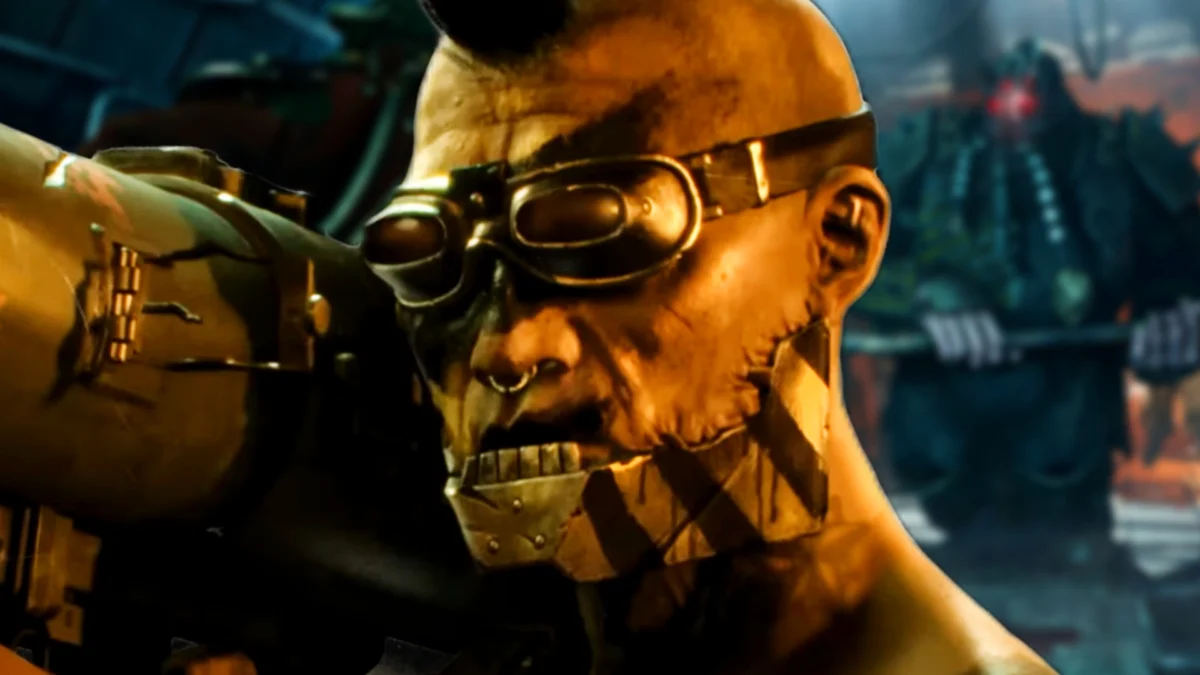
The visceral, high-octane combat of Warhammer 40k: Darktide has long been defined by its overwhelming odds. As players delve into the industrial underbelly of Tertium, they are typically met with relentless waves of Chaos-tainted cultists and grotesque monstrosities. However, developer Fatshark has recently acknowledged that the game’s "power creep"—a natural byproduct of years of new weapons, refined talent trees, and expanded class archetypes—has pushed the game to a breaking point. In an effort to restore stability, readability, and build diversity, the studio is rolling out a comprehensive rebalancing update designed to dial back the most extreme scenarios.
The Evolution of the Horde: Why Change Is Necessary
For the uninitiated, Darktide functions on a delicate ecosystem of player lethality versus enemy density. Since its launch, Fatshark has consistently introduced new ways for players to dismantle the forces of Nurgle. As players gained more powerful tools, the developers compensated by increasing the frequency and volume of elite spawns. While this kept the game’s difficulty ceiling high, it created a technical and design-based "seesaw" that the studio can no longer ignore.
Technical Limitations and Visual Readability
One of the primary drivers for this change is the technical toll exacted by current enemy densities. When hundreds of models, projectile effects, and complex AI behaviors collide on screen, the game’s performance often suffers, leading to frame rate drops and stability issues.
Beyond hardware limitations, there is the issue of "visual clutter." In the heat of combat, it is vital for players to read the battlefield to make split-second tactical decisions. When the screen is perpetually filled with high-tier elites, the combat risks becoming a chaotic blur rather than a precise test of skill. Fatshark’s goal is to ensure that the intensity remains, but that it is legible enough to be engaging rather than overwhelming.
A Strategic Shift: The Core Balance Adjustments
The upcoming patch, arriving in the coming week, marks a significant shift in how Darktide handles its "meta." The studio is moving away from a reliance on sheer numbers and toward a more curated, impactful encounter design.
Curbing the Ogryn Menace
The most immediate change concerns the "Carapace" armored enemies, which have become a bottleneck for build viability. Because these armored foes are so prevalent in high-difficulty missions, players have been forced to prioritize specific "anti-carapace" weapons, effectively stifling the use of more diverse loadouts.

- Spawn Rates: The spawn rate for general Carapace-armored enemies is being slashed by 30%.
- Havoc Mode Specifics: In the challenging Havoc mode, there will be an additional 15% reduction for Ogryn Crushers, Bulwarks, and Reapers.
- Armor Adjustments: The ‘Rotten Armor’ modifier in Havoc will shift from Carapace armor to Infested armor, allowing a broader range of weaponry to remain effective in those scenarios.
By reducing the frequency of these specific threats, Fatshark aims to break the "must-pick" dependency on a narrow band of meta weapons, finally allowing players to experiment with gear that was previously considered non-viable in endgame play.
Chronology of the Meta: From Power Creep to Precision
The journey to this patch has been a long one, marked by constant community feedback and developer observation.
- Early Access/Launch Phase: Players had limited tools, and enemy encounters were balanced around basic class capabilities.
- The Talent Tree Overhaul: The introduction of expansive talent trees drastically increased player survivability and damage output.
- The Density Escalation: Fatshark responded by flooding the screen with Elites and Specials, inadvertently creating a "meta-lock" where only the highest-damage, armor-piercing tools could survive.
- The Current Pivot: Recognizing the burnout and technical strain, the studio is now scaling back enemy density and re-tuning player damage outliers to create a more balanced playing field.
Detailed Class and Weapon Rebalancing
The changes extend deep into the player’s arsenal. Fatshark has identified several "outliers"—tools that were so dominant they rendered other options obsolete—and brought them back into line.
Veteran and Hive Scum Tweaks
The Veteran, a staple of the Imperial Guard, will see a slower replenishment rate for their potent Krak Grenades, though Frag and Smoke variants remain untouched. The newly added "Hive Scum" archetype is also seeing a nerf to its utility: the Boom Bringer and Chem Grenade have had their maximum charges reduced by one, and the damage-over-time effect of the Chem Toxin has been tuned down. Conversely, the Shiv’s weapon special is receiving a slight damage boost to ensure that it doesn’t lose effectiveness due to missing damage breakpoints.
Blessings and Rending
The trio of Uncanny Strike, Opportunist, and Bladed Momentum has long been the "holy trinity" of high-level play due to their ability to easily grant Rending, which ignored armor entirely. Fatshark is fundamentally changing these mechanics:
- Uncanny Strike: Will now apply "Brittleness" to targets rather than flat Rending, requiring more synergy with teammates to capitalize on the debuff.
- Opportunist and Bladed Momentum: The Rending buffs provided by these blessings are being restricted to melee attacks only, preventing players from stacking universal damage bonuses.
Psyker and Melee Fine-Tuning
To ensure these changes don’t leave players feeling powerless, the studio is providing targeted buffs. Blaze Force Swords and Veteran Sapper Shovels are receiving direct damage increases to compensate for the loss of the old Rending stacking. Meanwhile, the Psyker’s Soulblaze is being buffed to be more effective against Carapace armor, with the Inferno Force Staff receiving a specific efficiency boost.
Official Responses and Studio Philosophy
Fatshark has been transparent about the intent behind these adjustments. In their recent communication, the developers stated, "Balancing the gameplay experience is important to us, and we have been following the discussions around this topic."
The studio emphasizes that this is not a "nerf-fest," but rather a recalibration. The ultimate goal is to move away from the binary state of either "being overwhelmed" or "dominating the screen." According to the team, "Darktide is at its best when combat feels intense, responsive, and fair." By toning down the most extreme scenarios, Fatshark believes they can foster an environment where player skill—rather than simply having the "correct" gear—dictates the success of a mission.
Implications for the Future
The implications for the Darktide community are profound. By opening up the meta, the developer is effectively creating "room to breathe" for underutilized weapons. Players who have felt pigeonholed into using the same three or four weapons for the last six months may finally find their favorite niche weapons to be competitive in high-intensity missions.
However, the transition may be jarring for players accustomed to the current, hyper-dense combat style. The shift to a more deliberate, tactical encounter design requires players to rely more on team composition and synergy rather than raw, individual damage output.
A Long-Term Vision
Fatshark has made it clear that this update is merely the first step. They have already signaled that further refinements to Ogryn Bulwarks and other enemy archetypes are in the pipeline. As they continue to refine enemy compositions and address weapon outliers, the game is set to evolve into a more polished version of the brutal, high-stakes shooter that fans fell in love with.
For now, the community waits for the patch to land, watching to see if this pivot toward "fairness" will indeed lead to a more sustainable, enjoyable, and stable experience in the dark, grim future of Tertium. The developers have promised that more patches will follow, ensuring that Darktide remains a living, breathing project that reflects both the developers’ design goals and the needs of its dedicated player base.










No comments yet. Be the first to join the conversation!