Laily UPN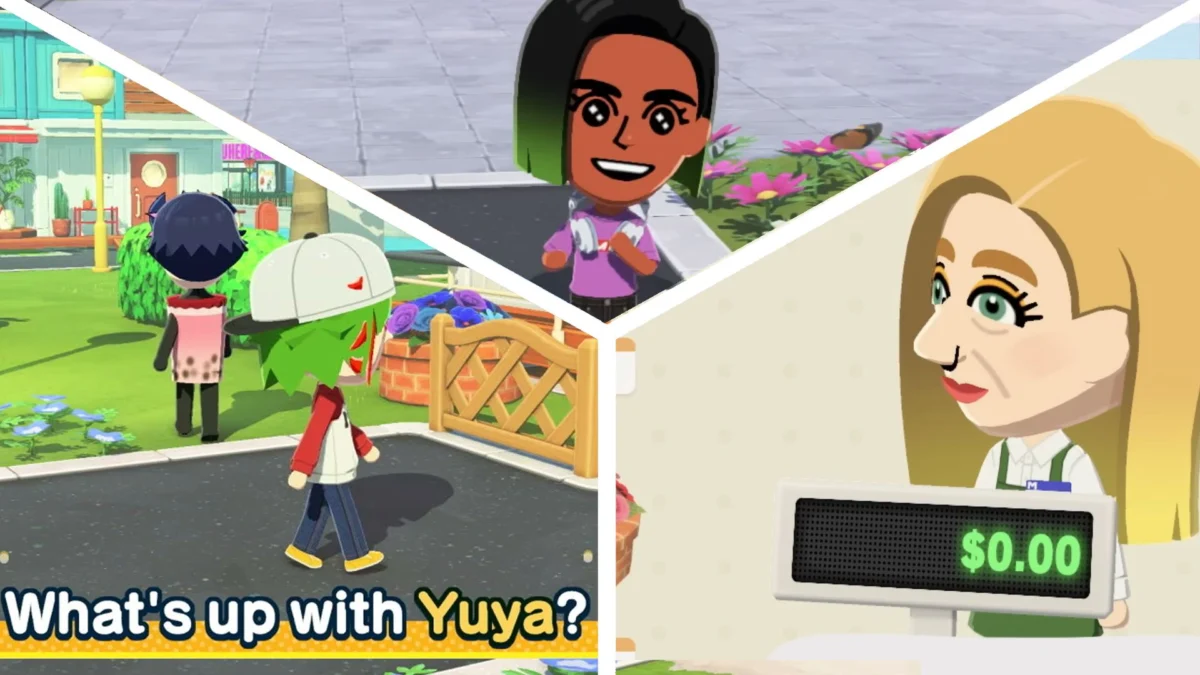
For twelve long years, the Nintendo community existed in a state of quiet longing. Following the 2014 Western release of Tomodachi Life on the Nintendo 3DS, the quirky, chaotic life-simulation series became a cult classic. It was a digital playground where players could deposit their Mii characters and watch as their interpersonal relationships descended into hilariously unscripted madness. Then, silence. Through the entire lifespan of the Wii U and the record-breaking dominance of the original Nintendo Switch, Nintendo kept the franchise under wraps.
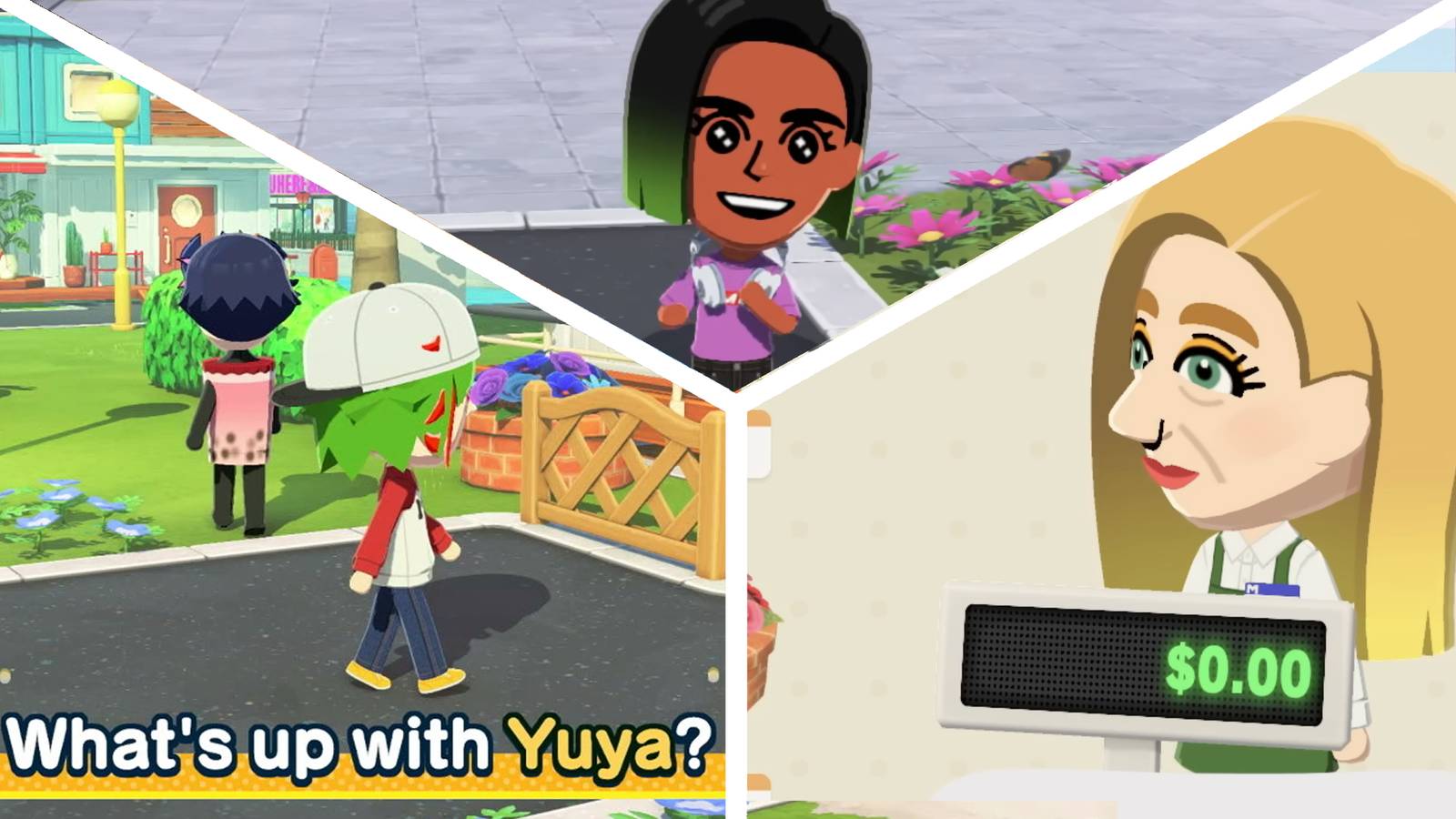
That silence was finally broken in April 2026 with the release of Tomodachi Life: Living the Dream. Now, with the title firmly established as a cornerstone of the Nintendo Switch library, it is clear that the wait was not just an exercise in patience—it was a necessary incubation period. The new title doesn’t just iterate on the original; it fundamentally expands the boundaries of how we interact with our digital avatars, turning the island into a more vibrant, reactive, and deeply personal experience.

A Chronology of Chaos: From 3DS to Switch 2
To understand the significance of Living the Dream, one must look at the trajectory of the series. The original Tomodachi Life was a product of the mid-2010s—a time when Mii culture was at its zenith. It was simple, self-contained, and perfectly suited to the dual-screen, portable nature of the 3DS.

When rumors of a successor began to circulate around 2025, many fans were skeptical. Could the "Nintendo Magic" of the original survive in a modern gaming landscape dominated by high-fidelity open worlds and complex social-simulation mechanics like those seen in Animal Crossing: New Horizons?
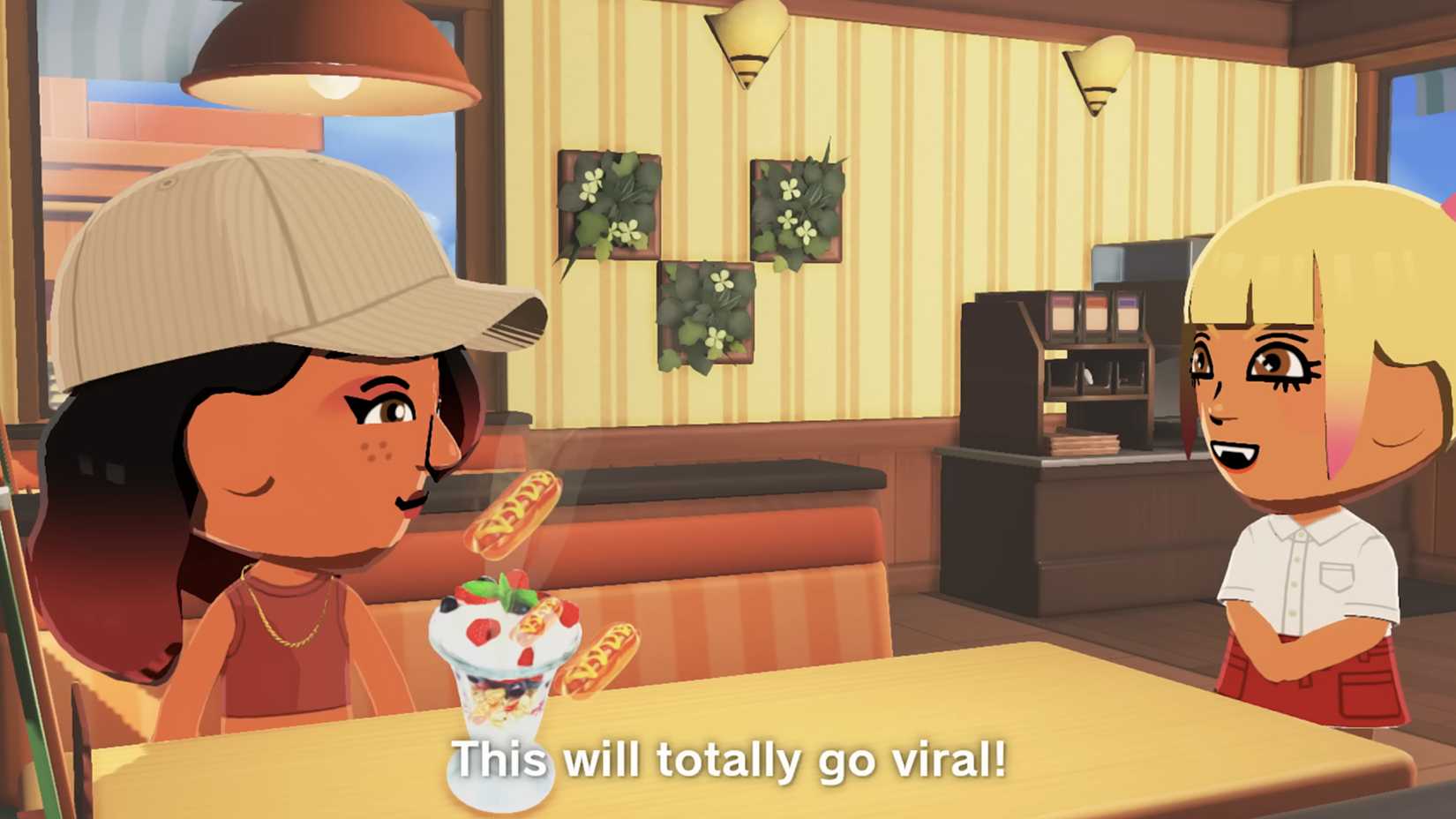
Living the Dream answers that question with a resounding "yes" by leaning into its identity as a "chaos simulator." The transition to the Switch hardware has allowed developers to push the boundaries of animation, script complexity, and environmental interaction. The result is a game that feels like a natural evolution, taking the core DNA of the 3DS classic and layering it with modern quality-of-life improvements that keep the experience fresh, even for those who have logged hundreds of hours since the mid-April launch.

The Evolution of Interaction: Cutscenes and Consequences
One of the most immediate changes in Living the Dream is the overhaul of the Mii interaction system. In the 3DS predecessor, cutscenes were often static affairs, characterized by predictable, linear endings. A fight between two Miis, for instance, usually followed a rigid script.
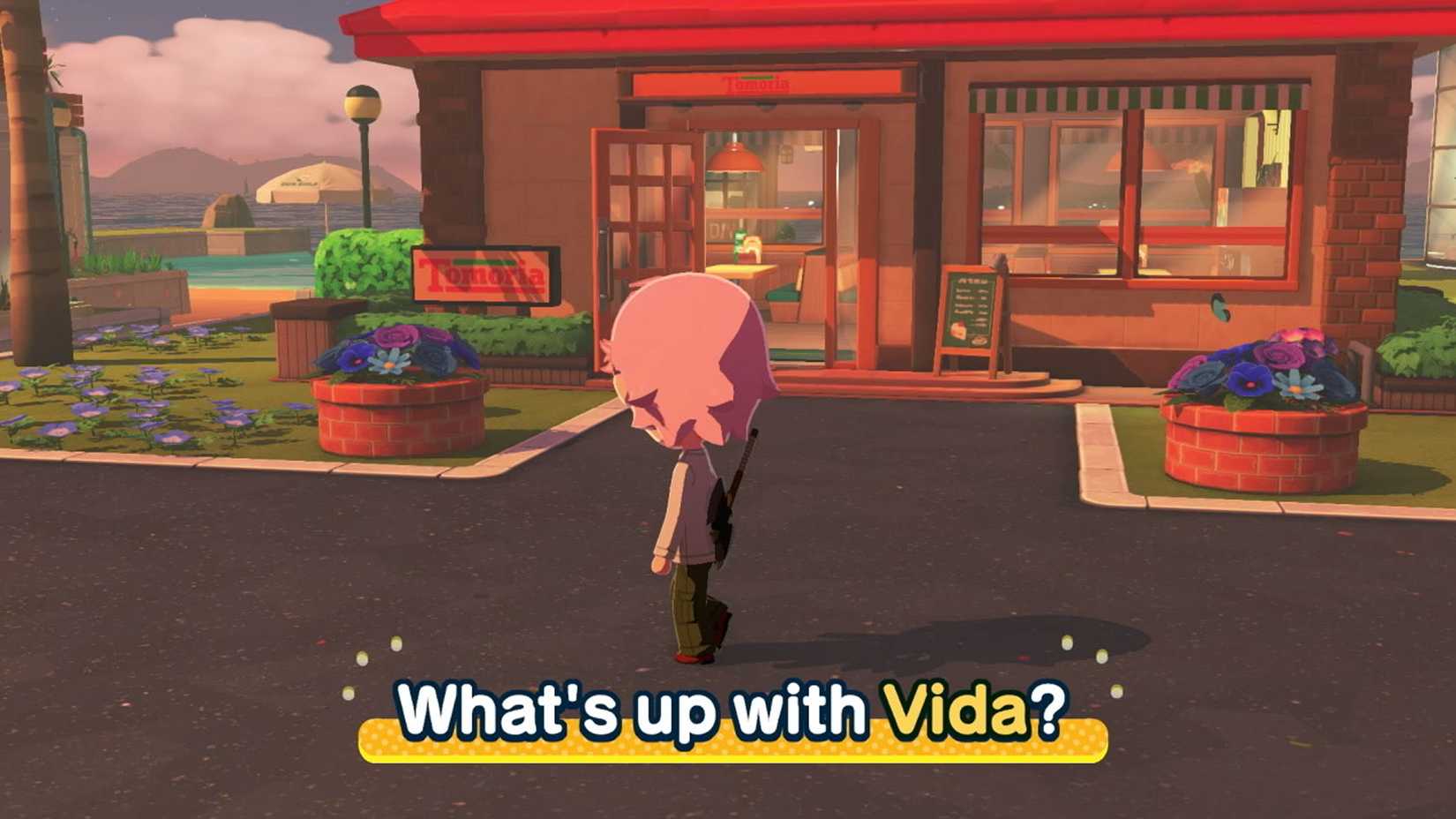
The 2026 iteration introduces dynamic, branching outcomes to these interactions. When a Mii approaches their partner to express their love, the result is no longer guaranteed. Players may witness the couple become a literal skyscraper in a display of romantic absurdity, or they might watch a cooking session end in a disastrously burnt meal. These branching paths add a layer of unpredictability that was sorely missing from the original. It transforms the player from a passive observer into an active witness of a living, breathing, and often malfunctioning social ecosystem.
Designing the Impossible: The Palette House
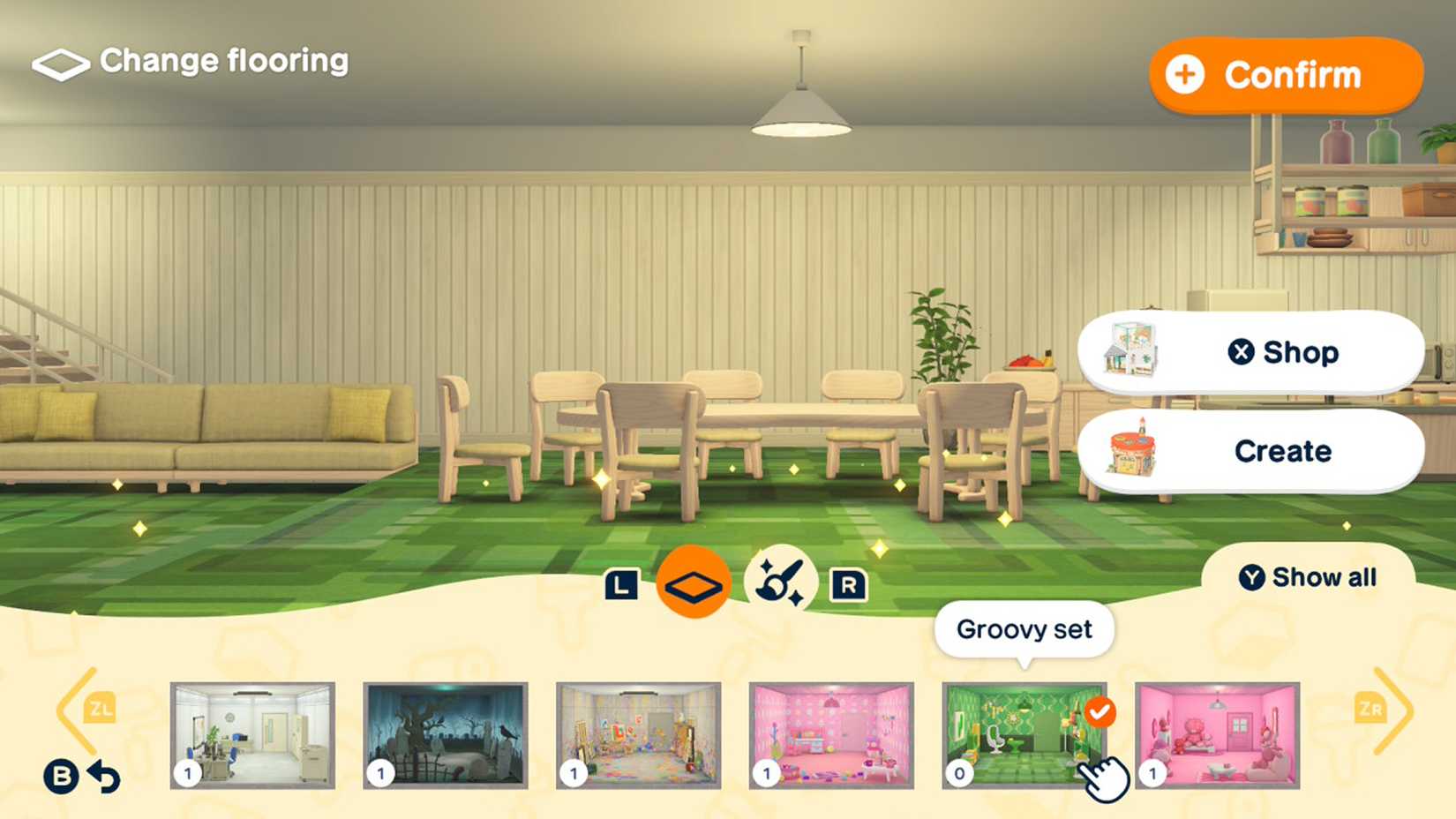
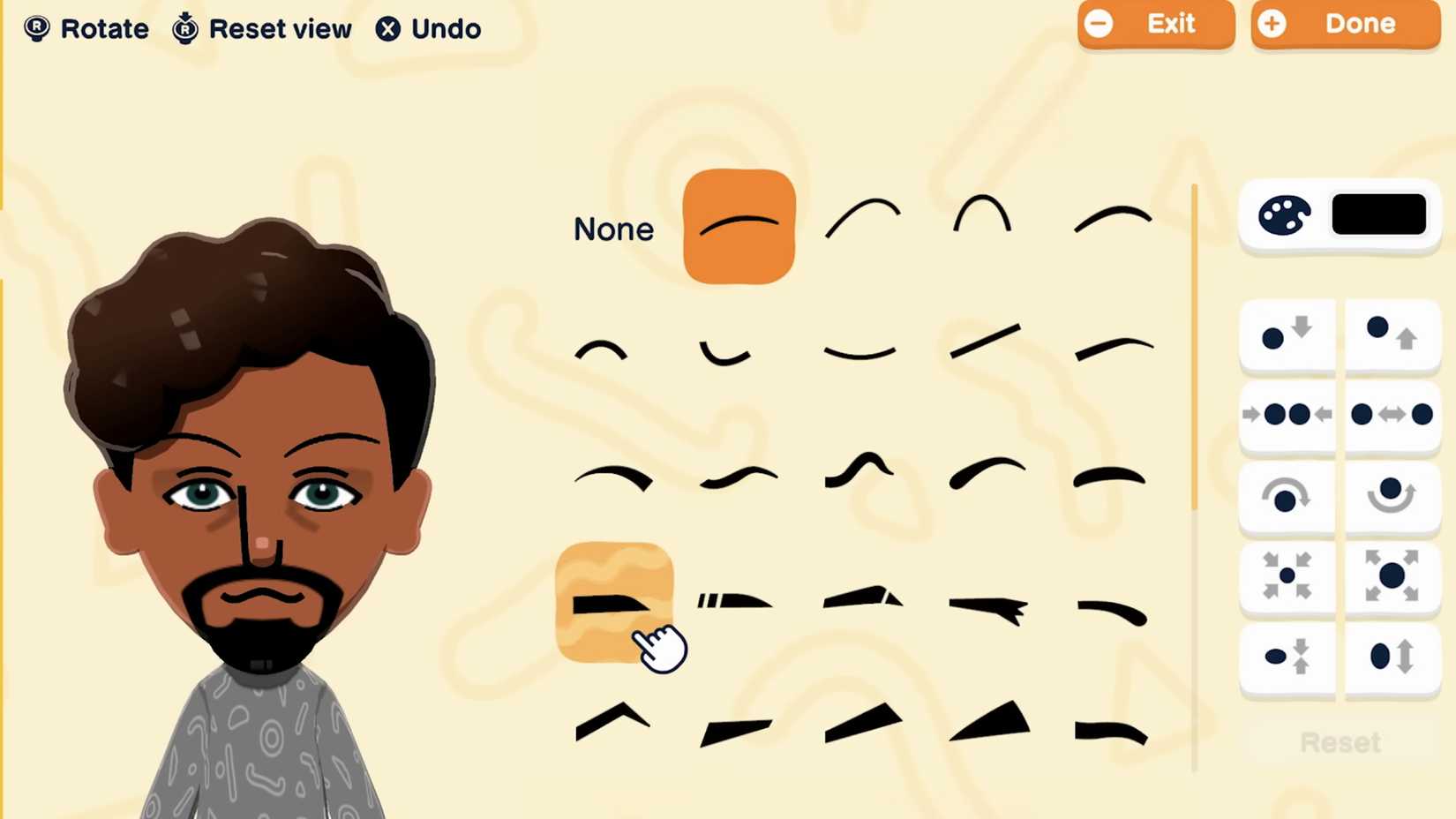
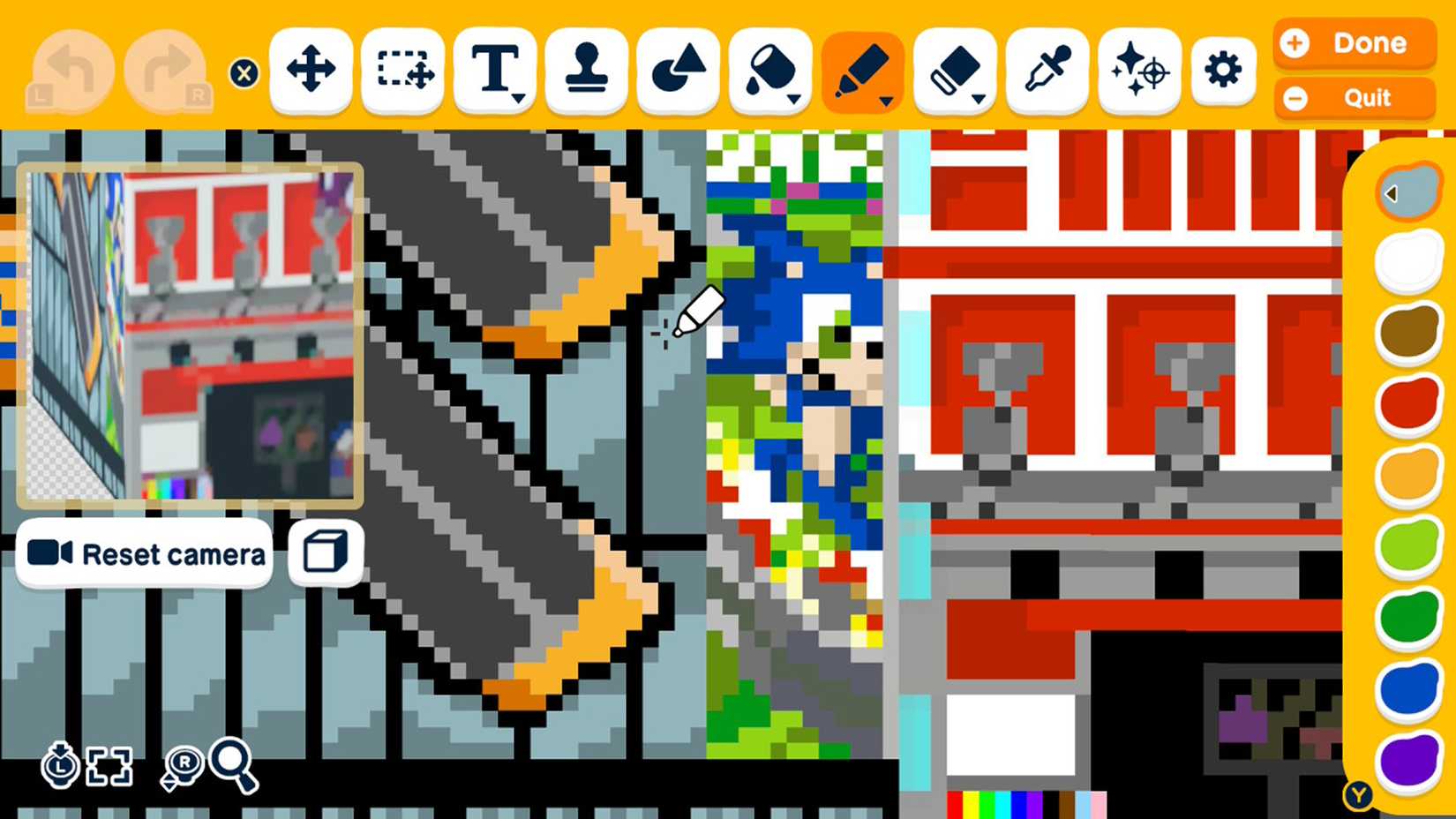
Perhaps the most significant addition for the creative community is the "Palette House." In the 3DS era, Mii customization was limited by the software’s rigid constraints. Today, the Palette House allows players to transcend these limits.

Whether it is designing custom clothing, creating unique treasures, or terraforming the island with custom landscaping blocks, the Palette House is a playground for the imaginative. Players are now able to build replicas of real-world locations—such as famous arcades in Akihabara—or craft impossible structures to place around their island. This level of granular control ensures that every player’s island is distinct. It effectively turns Tomodachi Life into a construction tool, giving players a reason to return to the game even after they have collected every standard item in the shop.
The Mechanics of Daily Life: Shops and Mini-Games
The daily loop of Tomodachi Life has always been the game’s heartbeat. Living the Dream refines this loop by pacing its updates. Unlike the original, where shops refreshed daily, the interior shop now operates on a weekly cycle, resetting every Monday. This adjustment encourages long-term engagement, as players must consistently check the store to catch rare seasonal items tied to the Wishing Fountain.
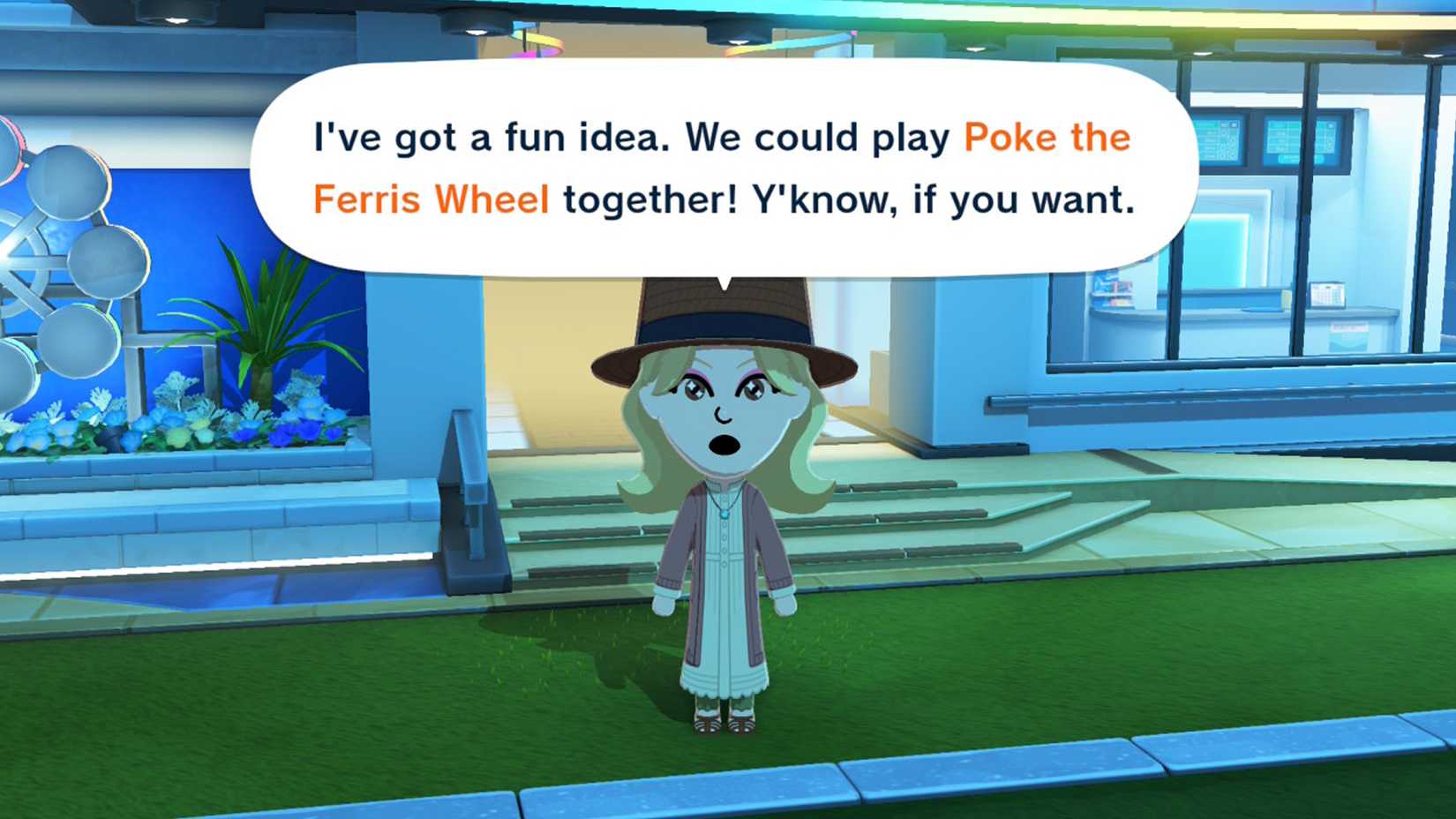
The introduction of area-based mini-games—such as Bowling, Latte Art Quiz, and the intriguing "Poke the Ferris Wheel"—provides a welcome distraction from the social simulation. These games are not just filler; they are opportunities to earn unique treasures. While some, like the Bowling mini-game, have proven difficult to master, they provide a sense of progression that keeps the daily check-ins feeling rewarding.
Official Stances and Community Feedback
Nintendo’s approach to Living the Dream has been one of careful restraint. There was little official word on the game’s development until its announcement, a strategy that allowed the title to debut without the crushing weight of over-hyped expectations. Since the release, Nintendo has focused on community engagement through the "Island Lingo" feature.
Initially, some critics worried about the lack of online social sharing features. However, the decision to exclude a traditional "social" layer was intentional. By allowing players to define their own "Island Lingo"—a system that replaces strict filters with user-defined terminology—Nintendo has essentially offloaded the social content to the players themselves. This has led to a surge in community-generated content on social media platforms, where players share the absurd conversations their Miis are having using their custom-tailored dictionaries. It is a bold, "no-holds-barred" approach to user-generated content that aligns perfectly with the game’s chaotic spirit.
The Implications of "Little Quirks"
Perhaps the most understated feature in the game is the implementation of "Little Quirks." When a Mii levels up, the player can assign them specific personality-altering traits. These range from the harmless—like walking differently—to the truly disruptive, such as the infamous "Public Farter" quirk.
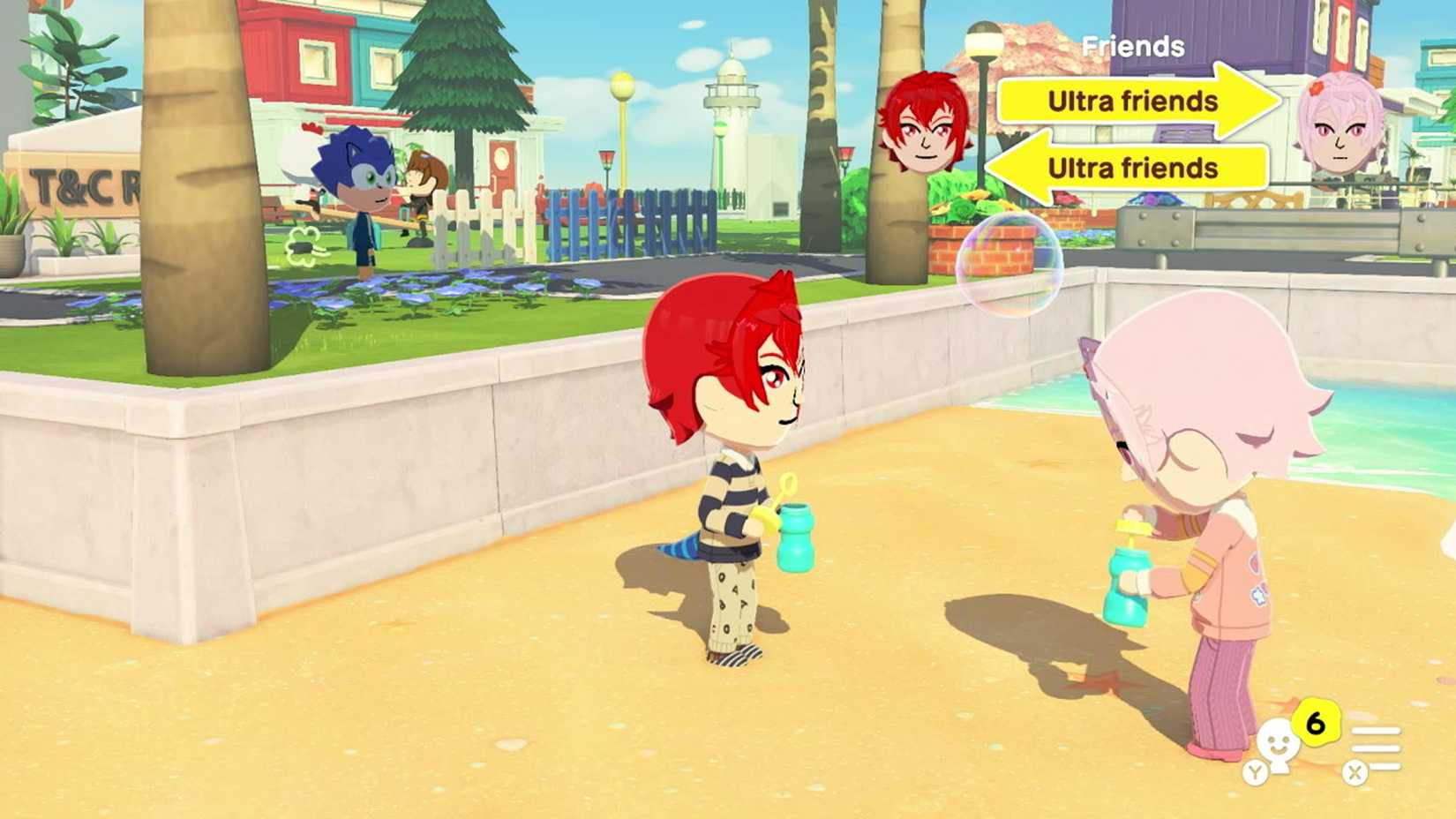
These quirks are the engine behind the game’s lasting appeal. They ensure that even the most mundane activities, like feeding a Mii or watching them interact on the beach, can suddenly turn into a comedic spectacle. It is a brilliant design choice; by allowing players to manually inject chaos into their Miis, the game ensures that no two islands ever feel the same. The "Public Farter" Mii might be a source of constant amusement for one player and a source of irritation for another, but the impact on the game’s social dynamics is undeniable.

Conclusion: A New Era of Simulation
Tomodachi Life: Living the Dream is more than just a sequel; it is a testament to the enduring appeal of the Mii. By embracing the absurdity, expanding the creative tools, and refining the social mechanics, Nintendo has successfully brought a 3DS relic into the modern era.
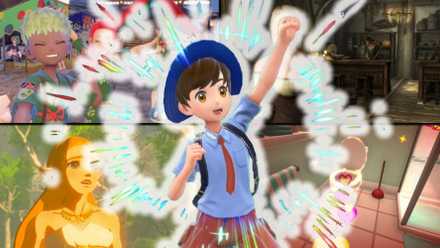
As we look toward the future of the Nintendo Switch and the inevitable evolution of our digital lives, one thing is clear: the Miis are not just back—they are better, weirder, and more chaotic than ever. Whether you are a veteran of the 3DS version or a newcomer to the island, Living the Dream offers an experience that is as personal as it is hilarious. It is a reminder that sometimes, the best games are the ones that don’t take themselves too seriously, leaving room for the players to write their own stories, one "Little Quirk" at a time.


 Ammar Sabilarrohman
 Siti Muinah