

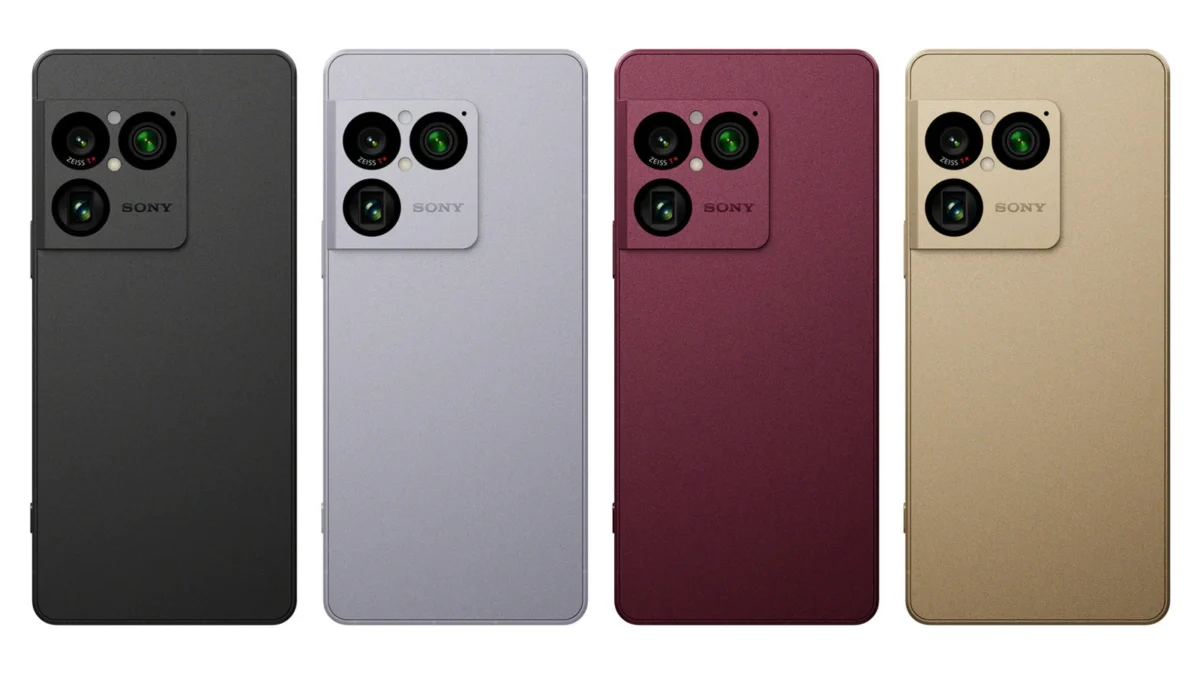
Sony has officially taken the wraps off its latest flagship smartphone, the Xperia 1 VIII. In a market increasingly dominated by iterative updates, Sony’s newest device attempts to carve out a distinct identity by blending professional-grade camera hardware with the company’s storied history in high-fidelity audio. Featuring a radical design departure and a new AI-driven photographic engine, the Xperia 1 VIII signals that Sony is not ready to abandon its niche, enthusiast-first strategy. However, the announcement comes with a caveat for international fans: the device will launch exclusively in European markets, with no immediate plans for a North American release.
The Core Hardware: A Shift in Vision
At the heart of the Xperia 1 VIII is a commitment to hardware-led photography. While many competitors lean entirely on software post-processing, Sony has opted for a significant physical upgrade to its telephoto module. The device debuts a new 1/1.56-inch image sensor for the telephoto camera, which Sony claims is approximately four times larger than the sensor found in its predecessor.
This increase in physical sensor real estate is intended to solve the "low-light telephoto" problem, a notorious weak point in mobile photography. By allowing more light to hit the sensor directly, the device captures sharper details in challenging environments. This is further supplemented by RAW multi-frame processing, HDR, and advanced noise reduction algorithms that work in tandem to produce images that balance natural aesthetics with digital clarity.
The New Aesthetic: Square vs. Vertical
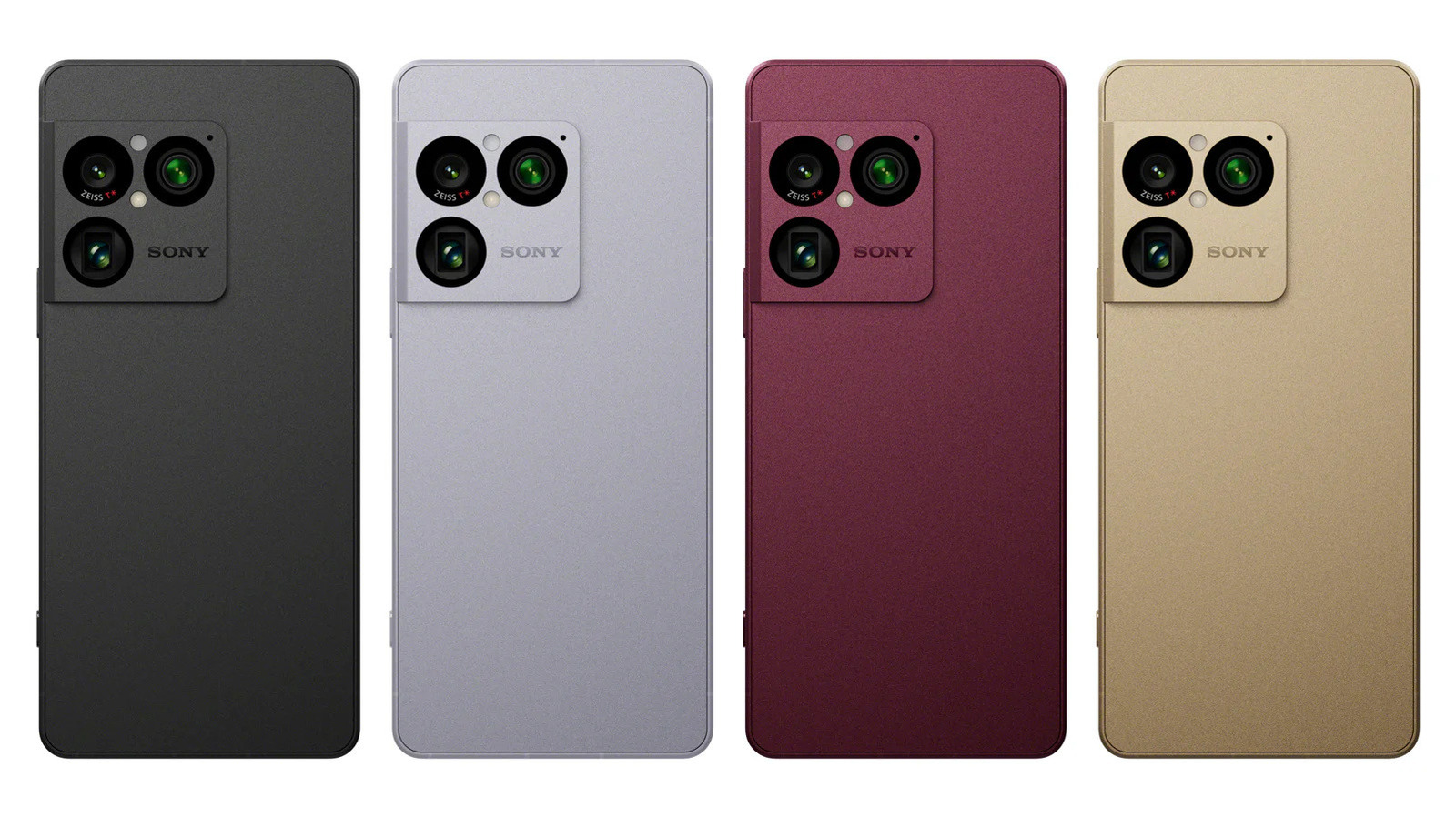
The most immediate visual change to the Xperia 1 VIII is the rear camera array. Sony has abandoned the traditional, long-standing vertical "island" configuration that defined the Xperia 1 series for years. Instead, the lenses are now housed in a clean, balanced square module. This redesign not only aligns the device with modern aesthetic trends but also suggests a structural shift in the phone’s internal cooling and sensor placement, likely necessary to accommodate the larger telephoto hardware.
AI Integration: The Rise of "Xperia Intelligence"
Beyond the raw glass and silicon, Sony is introducing its "AI Camera Assistant," powered by the new "Xperia Intelligence" engine. Unlike generic beauty filters or standard scene optimizers, Sony’s approach is designed to function as a collaborative tool for photographers.
When the camera is pointed at a subject, the AI analyzes three primary variables: the scene, the subject, and the ambient weather conditions. The system then offers real-time, actionable suggestions. For example, if the software detects a high-contrast environment, it may suggest a specific color tone profile or a bokeh effect that mimics a high-end prime lens. The user remains in control, as these are suggestions that require a manual tap to apply, maintaining the "Pro" philosophy that Sony has championed since the launch of its Alpha-integrated smartphone interfaces.
Chronology of the Xperia Evolution
To understand the significance of the 1 VIII, one must look at the trajectory of Sony’s mobile division over the last half-decade.
- 2020-2022 (The Foundation): Sony established the Xperia 1 series as the "Creator’s Phone," focusing on 4K OLED displays, 21:9 aspect ratios, and manual control interfaces modeled after Alpha mirrorless cameras.
- 2023 (The Consolidation): The Xperia 1 V and VI focused heavily on sensor innovation, specifically the "Exmor T for mobile" stacked sensor, which aimed to bring full-frame camera performance to a pocketable device.
- 2025 (The Current Pivot): With the 1 VIII, Sony has finally addressed the design complaints regarding its aging vertical camera look and has pivoted heavily toward generative AI assistants to compete with the feature sets offered by Samsung and Google.
Technical Specifications and Performance
The device is built to be a powerhouse, serving as a showcase for the latest mobile silicon.
- Display: 6.5-inch OLED panel.
- Processor: Qualcomm Snapdragon 8 Elite Gen 5 Mobile Platform.
- Memory/Storage: Configurable in 12GB/256GB or 16GB/1TB variants.
- Selfie Camera: A robust 12-megapixel front-facing sensor.
- Audio: Retains the 3.5mm headphone jack, a rarity in the modern flagship market, catering specifically to audiophiles who rely on wired gear.
The Financials
Sony has positioned the Xperia 1 VIII as a premium luxury device. The base 12GB/256GB model is priced at €1,499 (£1,399), while the top-tier 16GB/1TB model reaches a staggering €1,999 (£1,849). To sweeten the deal, Sony is offering its acclaimed WH-1000XM6 noise-canceling headphones as a pre-order bonus, effectively softening the blow of the high entry price for early adopters.
Supporting Data: Why the 1/1.56-inch Sensor Matters
In smartphone photography, the sensor size is the most important factor in determining image quality, particularly when it comes to dynamic range and signal-to-noise ratios. By quadrupling the sensor size in the telephoto unit, Sony is bypassing the limitations of "digital zoom."
In low-light scenarios, smaller sensors struggle to collect enough photons, resulting in "grain" or "noise." By using a 1/1.56-inch sensor, the Xperia 1 VIII can maintain higher shutter speeds in dark environments, reducing motion blur—a common frustration for users trying to capture candid moments at dinner or during twilight walks. Combined with the Snapdragon 8 Elite’s NPU (Neural Processing Unit), which handles the RAW multi-frame processing, the device is capable of performing complex computations that would have required a dedicated PC just a few years ago.
Official Stance and Market Strategy
Sony’s official communication regarding the Xperia 1 VIII emphasizes "user agency." During the launch, representatives were clear that the AI Camera Assistant is not intended to replace the photographer, but to "enhance the human creative process."
This stance explains why Sony refuses to go "all-in" on fully automated, point-and-shoot software. They are targeting a specific demographic: photographers who already own Sony Alpha cameras and want a smartphone that shares the same design philosophy, menu systems, and color science.
However, the geographic limitation of this launch is a point of contention. By restricting the device to Europe, Sony is effectively conceding the North American market to Apple, Samsung, and Google. Analysts suggest this is a strategic retreat to focus on markets where the "premium enthusiast" segment of the population remains more loyal to the brand, specifically in Japan and Europe.
Implications for the Smartphone Industry
The launch of the Xperia 1 VIII holds several implications for the future of mobile tech:
- The Persistence of the Headphone Jack: Sony remains the only major manufacturer keeping the 3.5mm jack alive in a flagship. This keeps them as the "darling" of the audiophile community, proving that there is still a vocal demand for wired connectivity in an increasingly wireless world.
- The End of the "Vertical Island": The move to a square camera housing is a major signal that brands are finally running out of ways to differentiate themselves through rear-camera layout, leading to a convergence of design across the industry.
- Computational Photography as a Service: By including an "AI Assistant," Sony is following the industry trend of shifting the value proposition from hardware specs to software utility. The phone is no longer just a device; it is a platform that gets "smarter" the more it understands the user’s environment.
A Niche King in a Crowded Room
The Xperia 1 VIII is not a phone for the masses. It is a specialized tool for a specific audience. By refusing to compromise on hardware features like the 3.5mm jack and the expanded sensor size, Sony is betting that there is a sustainable market for high-end, uncompromising technology. While the lack of a US release may disappoint those who value diversity in the smartphone ecosystem, the 1 VIII confirms that Sony is committed to its own path—even if that path is a narrower, more specialized one than its competitors.
As pre-orders open, the industry will be watching closely to see if this premium pricing strategy holds up. If the Xperia 1 VIII succeeds, it could set a precedent for a "boutique" category of smartphones that prioritize specialized photography and audio experiences over the mass-market appeal of foldables or budget-friendly mid-rangers.












No comments yet. Be the first to join the conversation!