Dwi Wanna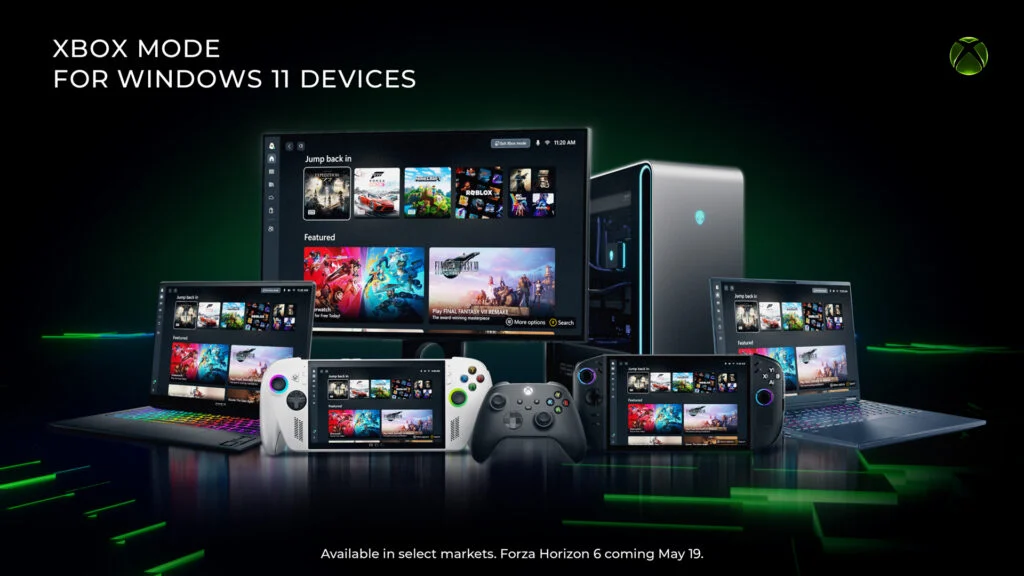
By João Silva | Technology News Correspondent
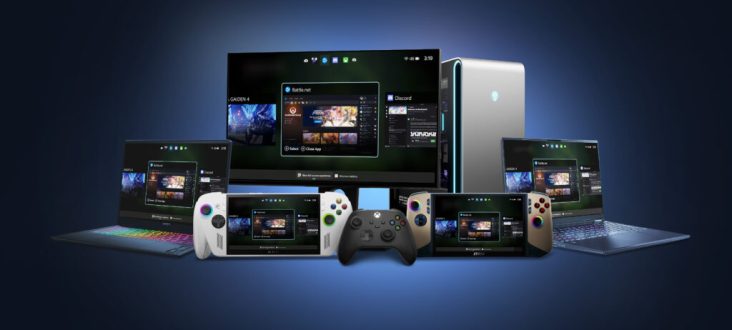
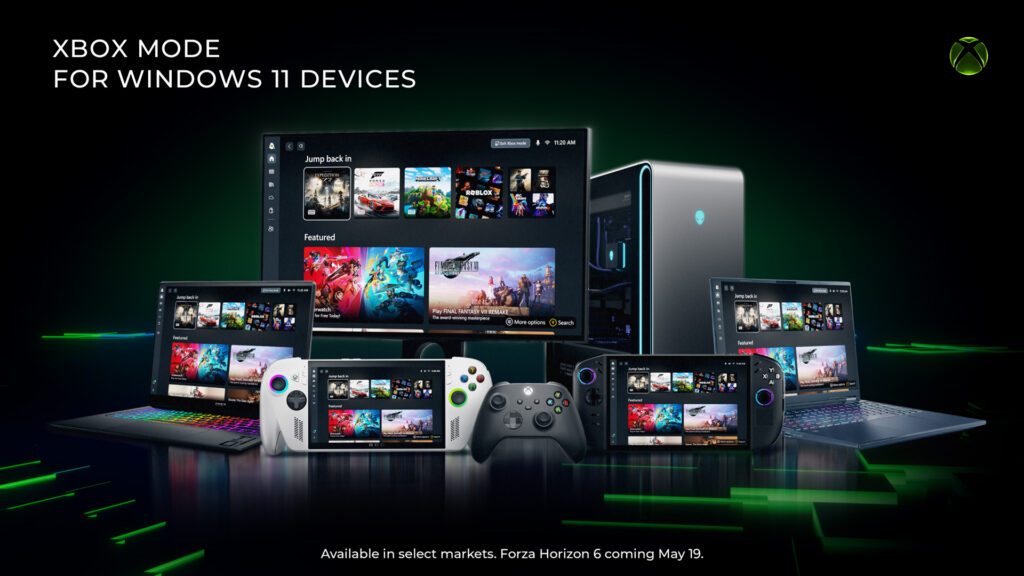
Microsoft’s ongoing effort to bridge the gap between console convenience and PC versatility has reached a critical juncture with the introduction of its new "Xbox Mode" for Windows. Aimed at transforming the PC gaming experience into a seamless, controller-first interface—reminiscent of the polished environment found on the Xbox Series X|S—the feature has recently come under intense scrutiny from the enthusiast community. Early testing has revealed a significant design limitation: the mode essentially "kills" secondary displays, forcing users into a single-monitor environment. While Microsoft positions this as a path toward optimized performance, the decision has sparked a heated debate regarding the necessity of such restrictive measures in the modern PC ecosystem.
Main Facts: The Single-Monitor Lockdown
The discovery was brought to the forefront by user @KidSmoove, who documented the behavior on X (formerly Twitter) and highlighted the abrupt loss of video output to secondary displays upon activating Xbox Mode. When a user toggles the interface, Windows appears to suspend or "black out" any additional monitors connected to the system.
This functionality is not a glitch, but rather a core component of how the mode manages system resources. By restricting the OS to a single display output, the Xbox Mode ensures that the GPU’s focus remains entirely on the active application. While this is an effective way to eliminate the "overhead" typically required to maintain extended desktops, it creates an immediate friction point for power users who rely on secondary screens for Discord, streaming software like OBS, real-time telemetry, or simple web browsing while they play.
For many, the appeal of the PC platform—even when using a controller—is the ability to multitask. By stripping away multi-monitor support, Microsoft is effectively creating a "walled garden" within Windows that mimics a console’s singular focus.
Chronology: From Concept to Discovery
The trajectory of this feature has been rapid, moving from internal rumors to public testing in a relatively short timeframe.
- Initial Development Phase: Microsoft began experimenting with a "Big Picture" style interface for Windows, internally codenamed "Project Mercury." The goal was to provide a "no-compromise" console-like experience for handheld devices and living-room PC setups.
- The Announcement: Microsoft teased the integration of a streamlined, controller-native UI, promising that Windows would become the ultimate home for all Xbox gaming, regardless of the hardware.
- Early Insider Builds: As the mode rolled out to select Windows Insider rings, early adopters initially praised the clean UI and the quick access to the Xbox library.
- The Discovery: On May 2026, user @KidSmoove shared a video demonstrating that the mode completely shuts down secondary monitor signals.
- Industry Recognition: Shortly after the viral post, Windows Central confirmed the findings, noting that the behavior is consistent across various hardware configurations, suggesting it is a baked-in feature of the current software build.
Supporting Data: Why Performance Matters
To understand why Microsoft might choose such a restrictive path, one must look at the technical architecture of Windows gaming. Rendering an extended desktop environment requires the Windows Desktop Window Manager (DWM) to manage multiple buffers and frame rates. In a high-demand scenario, particularly on lower-powered handhelds (like the ASUS ROG Ally or Lenovo Legion Go), this background management consumes precious VRAM and CPU cycles.
Resource Allocation Comparison
| Feature | Traditional Windows Desktop | Xbox Mode (Proposed) |
|---|---|---|
| DWM Overhead | High (Multi-monitor support) | Minimal (Single-buffer focus) |
| Background Processes | Full Execution | Suspended/Optimized |
| Input Latency | Variable | Minimized |
| UI Priority | Shared | Exclusive |
The aggressive resource-saving measures embedded in Xbox Mode are designed to prioritize the "Main Game Loop." By forcing the system to ignore secondary displays, the software can dedicate the maximum possible bandwidth to the GPU, potentially increasing frame stability and reducing the likelihood of stuttering—a common complaint on Windows-based handhelds.
The "Big Picture" Dilemma: Official Responses and Silence
As of this writing, Microsoft has not issued a formal technical white paper or a public statement explaining the logic behind the multi-monitor blackout. However, the internal logic is clear to those familiar with Windows development.
Historically, Windows has been a "general-purpose" operating system. When a game is running in a windowed or borderless-windowed mode, the operating system still maintains the desktop environment in the background. Xbox Mode seeks to bypass this by creating a "Shell" that behaves more like an embedded system.
The silence from Redmond is telling. It suggests that Microsoft views this as a "feature, not a bug." They are likely betting that the average consumer—the demographic they are targeting for this living-room-centric mode—will prioritize the stability and "snappiness" of a console experience over the advanced multitasking capabilities of a traditional PC.
Implications: A Future for Enthusiasts?
The decision to limit multi-monitor support has profound implications for the PC gaming community.
1. The Death of the "Second Screen" Utility
For streamers and content creators, the second monitor is an essential tool. Removing this support makes Xbox Mode effectively useless for anyone who needs to monitor chat or system temperatures. If Microsoft intends for this mode to be the default way to play on Windows, they risk alienating the very demographic that keeps the platform alive: the enthusiasts.
2. Fragmentation of the Windows Experience
By creating a "console mode" that breaks standard Windows functionality, Microsoft is introducing a level of fragmentation. A user might find themselves needing to switch back to the standard Desktop mode just to check a message, which defeats the purpose of a "no-compromise" console experience.
3. The "Console-ization" of PC Gaming
There is an ongoing trend toward making PCs easier to use, but there is a fine line between "ease of use" and "diminished capability." If this limitation remains, it signals that Microsoft is willing to sacrifice the core pillars of PC identity—freedom and multitasking—in favor of a more controlled, "Xbox-like" environment.
Looking Ahead: Will Support Change?
The feedback loop is currently in full swing. On forums like Reddit and the Windows Insider Feedback Hub, the community is divided.
- The "Pro-Optimization" Camp: Users with low-spec handhelds are largely supportive. For them, a stable 60 FPS is more important than having a browser window open on a second screen.
- The "Multitasking" Camp: Power users are vocal in their criticism, calling the move "archaic" and a "step backward" for Windows 11.
Microsoft has a history of responding to community feedback. If the outcry is significant enough, they may implement a "Power User" setting that allows for multi-monitor support at the cost of the optimized performance mode. However, for now, the path forward appears set.
Conclusion
The new Xbox Mode represents Microsoft’s boldest attempt yet to unify the Xbox and Windows ecosystems. While the performance gains from a single-display, optimized interface are technically sound, the exclusion of multi-monitor support creates an immediate barrier for a large segment of the PC user base.
As we look toward the final release of this mode, the question remains: Can Microsoft build a console-like experience that respects the PC’s inherent versatility? Or are we entering an era where Windows is no longer just one operating system, but two competing experiences—one that lets you do everything, and one that hides the complexity at the cost of your freedom?
KitGuru Says: The debate over Xbox Mode is a microcosm of the larger struggle for the soul of the PC platform. While optimization is always welcome, stripping away functionality that has been a staple of PC gaming for decades is a risky move. We hope that in future iterations, Microsoft provides the toggle to re-enable multi-monitor support, allowing users to choose between maximum performance and their preferred workflow.

 Ali Ikhwan
 Asep Darmawan