Nana Wu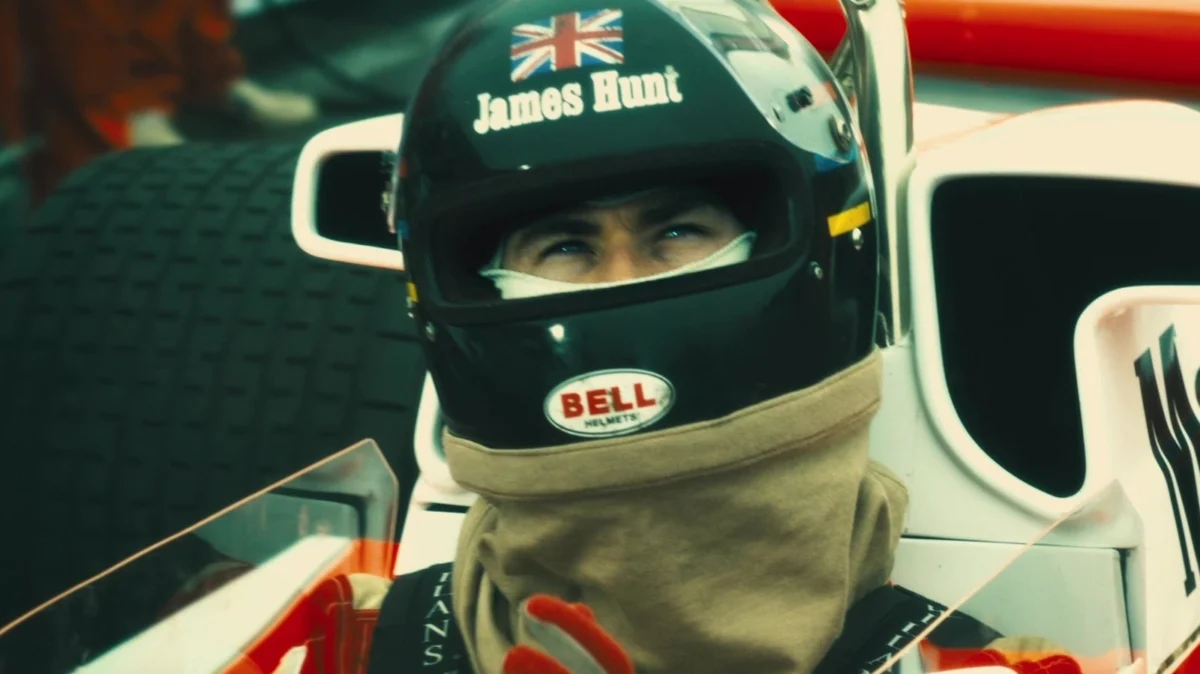
In the vast landscape of modern cinema, few genres are as difficult to execute with both technical precision and emotional resonance as the sports drama. Often, films focusing on high-speed athletics sacrifice narrative depth for the sake of adrenaline-fueled spectacle. However, director Ron Howard’s 2013 masterwork, Rush, stands as a defiant exception to this rule. Currently finding a massive second life on Paramount+, Rush is not merely a film about cars; it is a profound psychological study of obsession, rivalry, and the thin line between greatness and destruction.
For those who may have overlooked this gem during its initial theatrical run, Rush offers a visceral, high-stakes experience that rivals the greatest sports biopics in history. With the genre currently experiencing a resurgence—spurred by the success of high-profile projects like Joseph Kosinski’s F1—there has never been a better time to revisit or discover why Howard’s exploration of the 1976 Formula 1 season remains a gold standard in filmmaking.
The Genesis of an On-Track Rivalry: Main Facts
At its core, Rush chronicles the legendary, volatile rivalry between two of Formula 1’s most iconic figures: the charismatic, playboy British driver James Hunt and his disciplined, calculating Austrian counterpart, Niki Lauda.
Set against the backdrop of the "Golden Age" of Formula 1 in the 1970s—a period characterized by dangerous tracks, minimal safety regulations, and a "live fast, die young" ethos—the film captures the binary nature of the sport. Chris Hemsworth portrays Hunt with a swaggering, devil-may-care intensity, while Daniel Brühl delivers a hauntingly precise performance as the methodical, cerebral Lauda. Their opposition is not just a clash of driving styles, but a collision of worldviews: the intuitive risk-taker versus the uncompromising perfectionist.
A Chronology of the 1976 Formula 1 Season
To understand the gravity of Rush, one must appreciate the real-world history that Howard brings to the screen. The 1976 season is widely considered one of the most dramatic chapters in motorsport history.
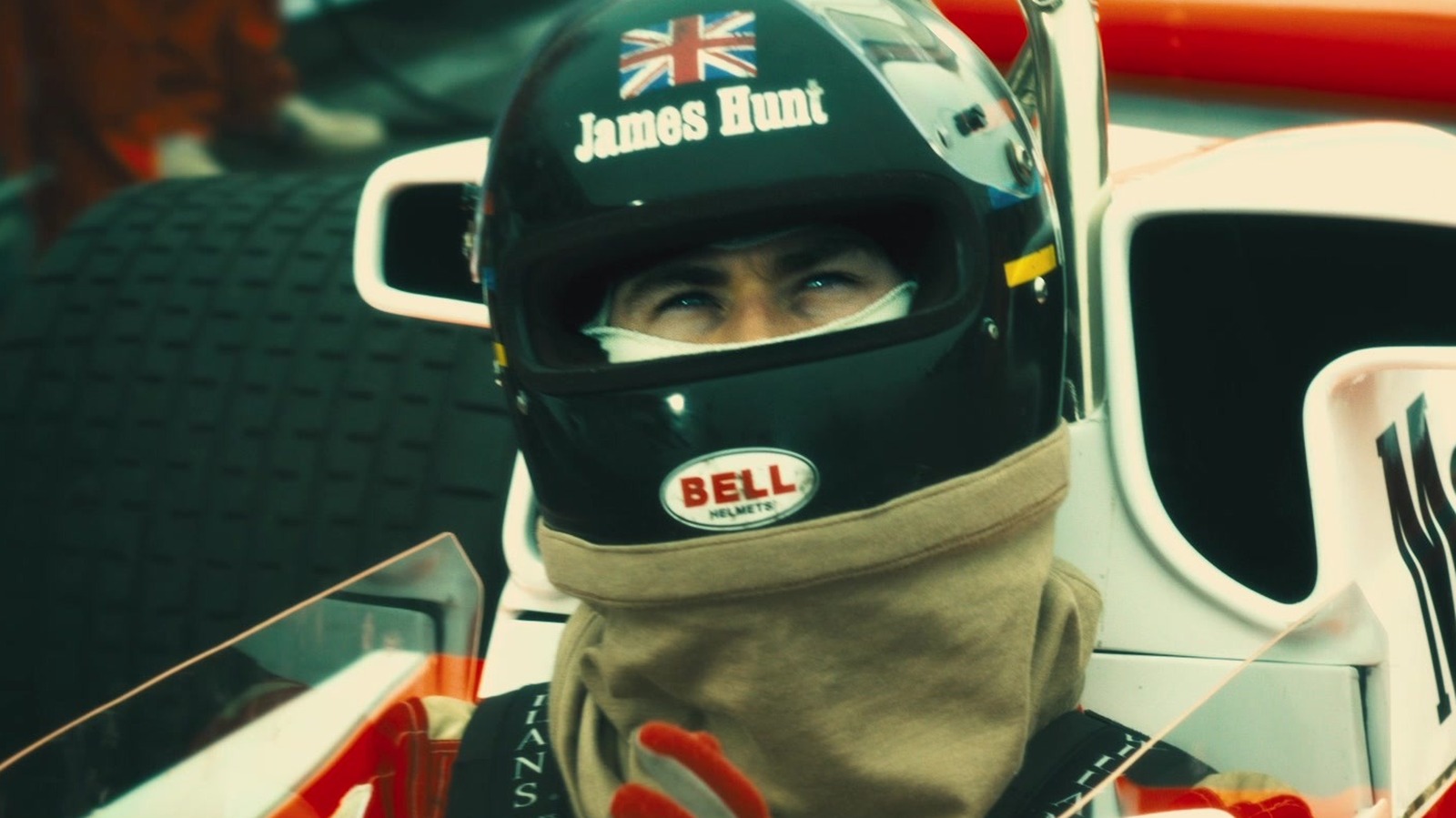
- Early Season Dominance: The film establishes Lauda as the reigning champion, a man who views racing as a series of calculated risks. His early-season lead in the championship standings creates a sense of inevitability that is shattered by Hunt’s relentless, aggressive pursuit.
- The Nürburgring Tragedy: A pivotal moment in the narrative—and the film’s most harrowing sequence—is the German Grand Prix at the Nürburgring. Despite Lauda’s vocal protests regarding the track’s lethal safety conditions, the race proceeds. Lauda’s subsequent, horrific crash, which left him with life-altering burns and damaged lungs, serves as the emotional and physical turning point of the film.
- The Miraculous Return: In one of the most remarkable acts of sheer willpower in sports history, Lauda returned to the cockpit just weeks after his near-fatal accident. This segment of the film explores the psychological toll of the sport, as Lauda battles both his physical agony and the lingering trauma of his brush with death.
- The Final Showdown at Fuji: The season culminated in the Japanese Grand Prix at Fuji, held under torrential rain. The final race serves as the ultimate resolution to the Hunt-Lauda dynamic, where their mutual animosity finally gives way to a profound, unspoken professional respect.
Supporting Data: Why ‘Rush’ Stands Apart
What elevates Rush above standard racing fare is Ron Howard’s uncompromising commitment to realism. Unlike films that rely heavily on CGI to manufacture speed, Howard opted for a gritty, tactile approach.
Technical Cinematography
Working with cinematographer Anthony Dod Mantle, Howard utilized unconventional camera rigs, including small, high-definition cameras mounted inches from the asphalt and directly inside the claustrophobic cockpits. This provides the audience with a "first-person" perspective of the danger. The sound design is equally immersive; the visceral roar of the V8 engines and the crunch of metal on gravel are not merely background noise—they are essential characters in the film.
The Performance Benchmark
The acting in Rush serves as the bridge between the technical thrills and the human stakes.
- Chris Hemsworth: While primarily recognized for his portrayal of Thor in the Marvel Cinematic Universe, Hemsworth’s performance as Hunt is a masterclass in nuance. He captures the fragility hidden behind the playboy persona, showcasing a man who understands his own mortality but refuses to live any other way.
- Daniel Brühl: Brühl’s performance is nothing short of transformative. He captures the precise cadence, the guarded posture, and the cold, analytical intelligence of Niki Lauda. It is a performance that avoids the tropes of the "villain" or the "hero," presenting instead a man defined by his own internal logic.
Official Responses and Critical Reception
Upon its release, Rush received widespread critical acclaim, though its box office performance was viewed as a "modest success" rather than a blockbuster event. Critics praised the film for its taut screenplay, written by Peter Morgan (of The Crown fame), and Howard’s deft hand at balancing the spectacle of the track with the intimacy of the character studies.
Industry insiders have long held Rush up as a textbook example of how to adapt true events without succumbing to historical revisionism for the sake of "Hollywood endings." Even the real-life figures involved, including those within the Formula 1 community, praised the film for its technical accuracy regarding the period’s car specifications and the specific dynamics of the 1976 season.
Implications: The Legacy of a Genre-Defining Film
The implications of Rush for the future of sports cinema are significant. It proved that a film could be simultaneously a "car movie" and a high-brow character drama.
A Companion Piece to Modern Racing Cinema
With the recent influx of interest in F1—bolstered by Netflix’s Drive to Survive and high-budget features—Rush is being re-evaluated as the foundational text for the modern racing genre. It provides a blueprint for how to handle the "science" of the sport while maintaining a pulse-pounding narrative. For viewers who were introduced to the sport through recent blockbusters, Rush offers the necessary historical context, showing the raw, unpolished, and terrifying origins of the sport they see today.
The Evolution of the Director and the Stars
For Ron Howard, Rush represented a pivot point in his later career, proving that he could manage massive, complex technical sequences while maintaining the intimate, character-driven storytelling that defined his early work. For Hemsworth and Brühl, the film remains a career highlight—a project that forced audiences to reconsider their range.
Conclusion: A Must-Watch Streaming Essential
In an era where streaming platforms are flooded with content, it is rare to find a film that is as visually stunning as it is narratively satisfying. Rush is a rare breed of film: a high-octane thriller that respects the intelligence of its audience. Whether you are a devotee of Formula 1 or someone who has never watched a single race in their life, the story of Hunt and Lauda is universal. It is a story about the pursuit of excellence at any cost, the complexity of human rivalry, and the resilience of the human spirit.
If you have yet to witness this cinematic achievement, or if it has been years since you last experienced the final, rain-soaked race at Fuji, Rush is currently streaming on Paramount+. It stands as a testament to Ron Howard’s directorial prowess and serves as a vital reminder that the most exciting races are not just won on the track, but in the minds of the men who risk everything to reach the finish line.


 Layla Zulfa
 Lina Hope