

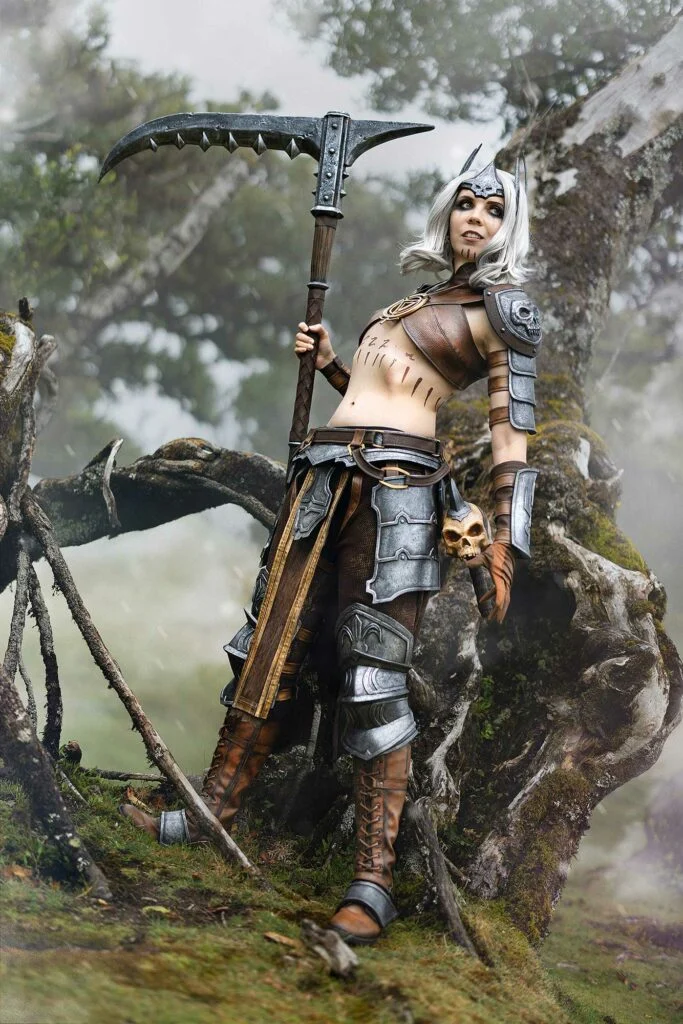
In the world of high-end cosplay, the line between amateur passion and professional artistry is often defined by the ability to execute under extreme pressure. For renowned cosplayer Kamui, the release of Blizzard Entertainment’s Diablo IV presented an irresistible challenge: bring one of the game’s most iconic classes, the Necromancer, to life before the game had even hit the shelves. What followed was a high-stakes, two-week sprint that balanced creative ingenuity with the logistics of an international move.
The Genesis of a Dark Icon
The Diablo franchise has long been a cornerstone of the gaming industry, and for those who have followed Blizzard’s trajectory since the early 2000s, the Necromancer represents the pinnacle of gothic aesthetic design. When the developers at Blizzard approached Kamui to collaborate on promotional material for the launch of Diablo IV, the request was clear: capture the essence of the game’s dark, visceral atmosphere through a full-scale, high-fidelity costume.

For a creator who has spent two decades mastering the craft—having produced over 20 intricate character and armor designs for the franchise—this was a career milestone. However, the timing could not have been more chaotic. Amidst the professional pressure of the collaboration, Kamui was in the process of relocating to a new country. With the clock ticking and construction noise filling the workspace, the decision was made: instead of opting for a single prop or a partial build, the team would commit to a full, head-to-toe ensemble.
Chronology of a Two-Week Masterclass
Phase 1: Planning and Reference (Days 1–3)
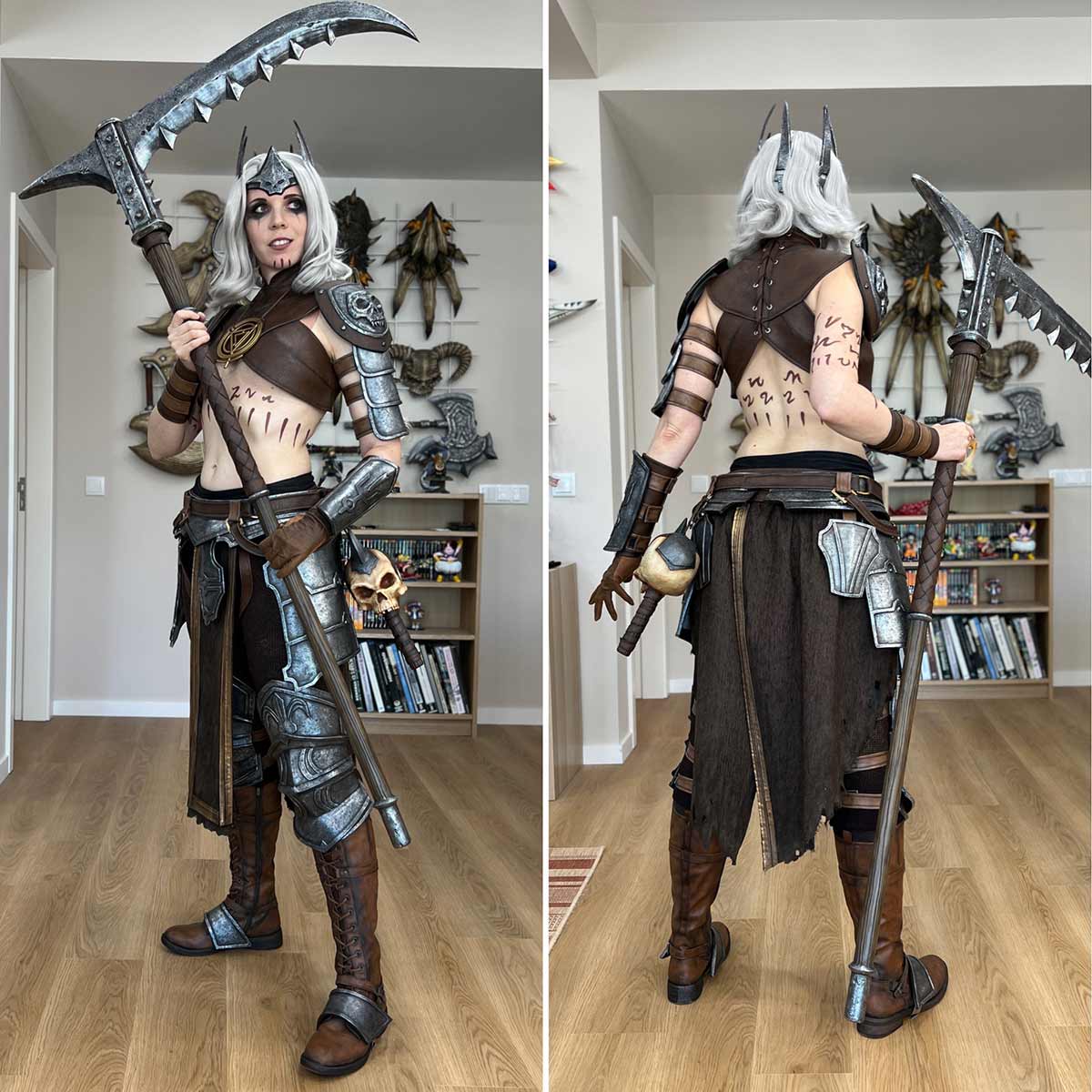
The project began with an unprecedented advantage: access to official Blizzard reference materials. Because the game was still in development, the studio provided high-resolution renders of the Necromancer, allowing for an exact replication of tattoos, hair, and armor geometry.
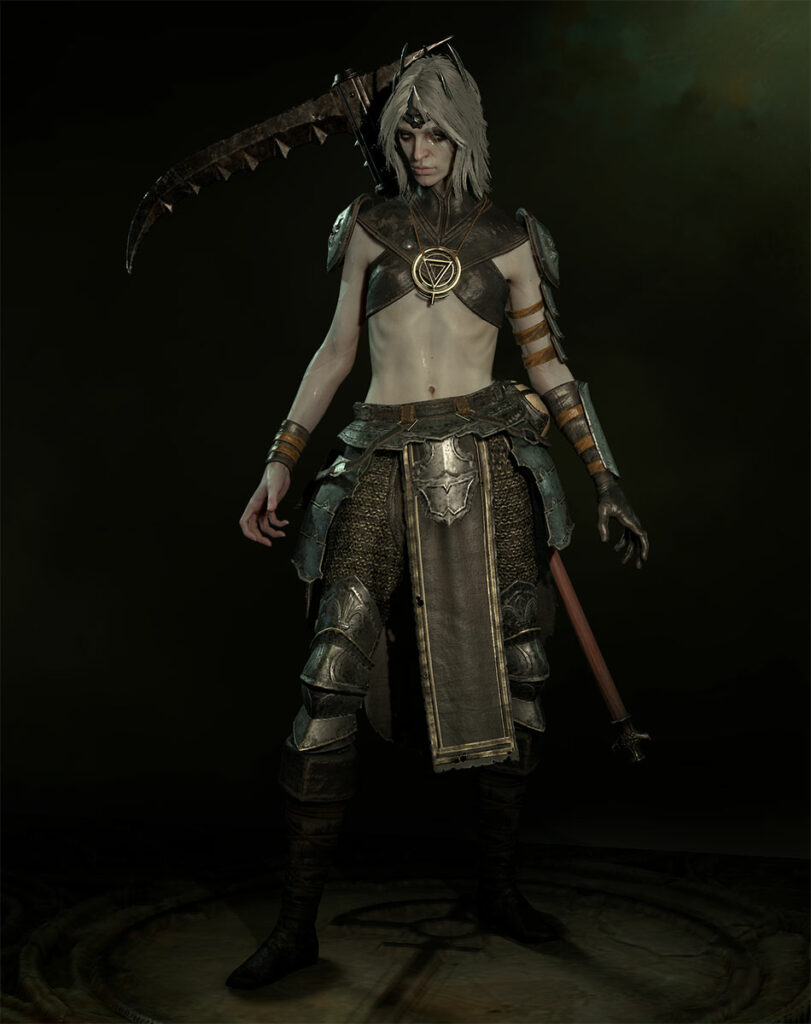
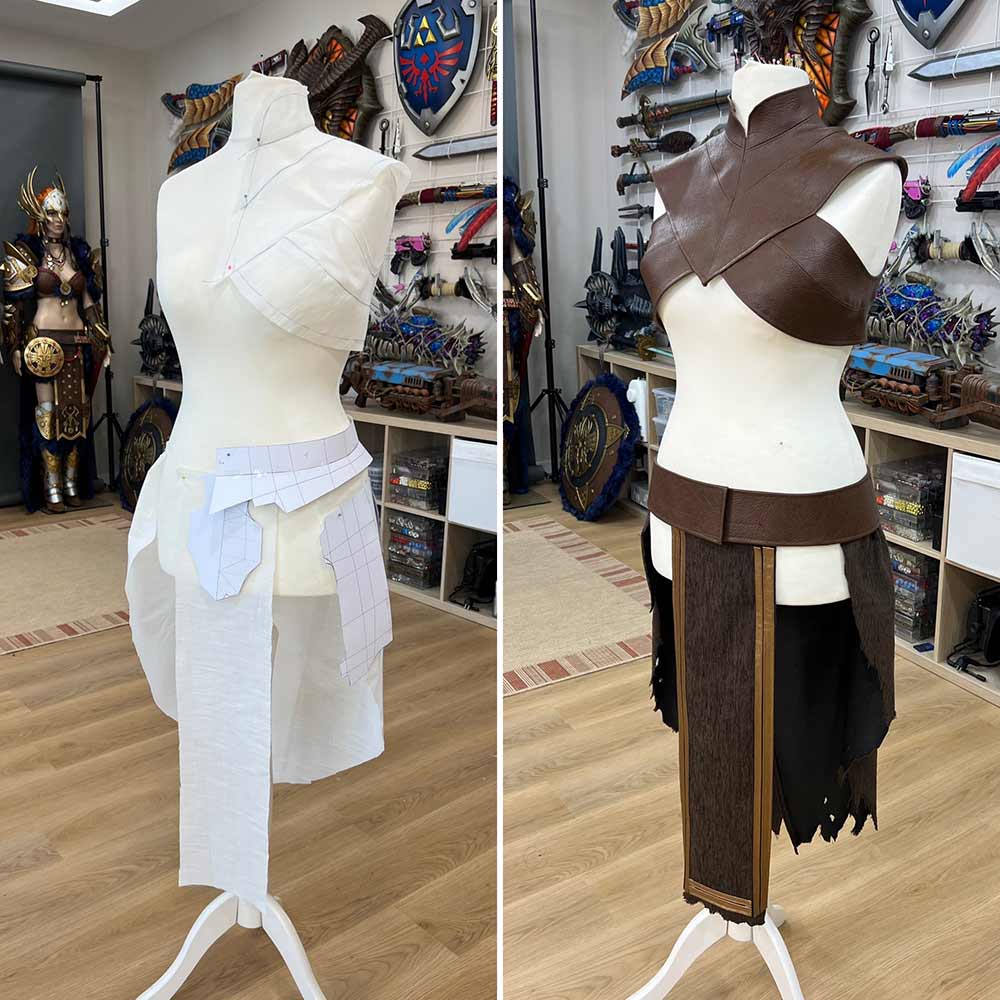
The initial phase involved "rapid prototyping." Kamui utilized a traditional technique—wrapping the torso in duct tape to create a custom mannequin—followed by draping linen for the skirt and utilizing paper dummies to test the proportions of the armor plates. This iterative process allowed the team to adjust scale and silhouette in real-time, ensuring that the final EVA foam structure would fit perfectly before any permanent materials were cut.
Phase 2: Material Acquisition and Patterning (Days 4–7)
Sourcing materials under a deadline is often the greatest hurdle for any cosplayer. Fortunately, the team found success at local fabric shops, selecting thick brown furniture pleather to emulate the heavy, weathered look of the Necromancer’s leather armor, and heavy-duty curtain fabric for the flowing skirt.
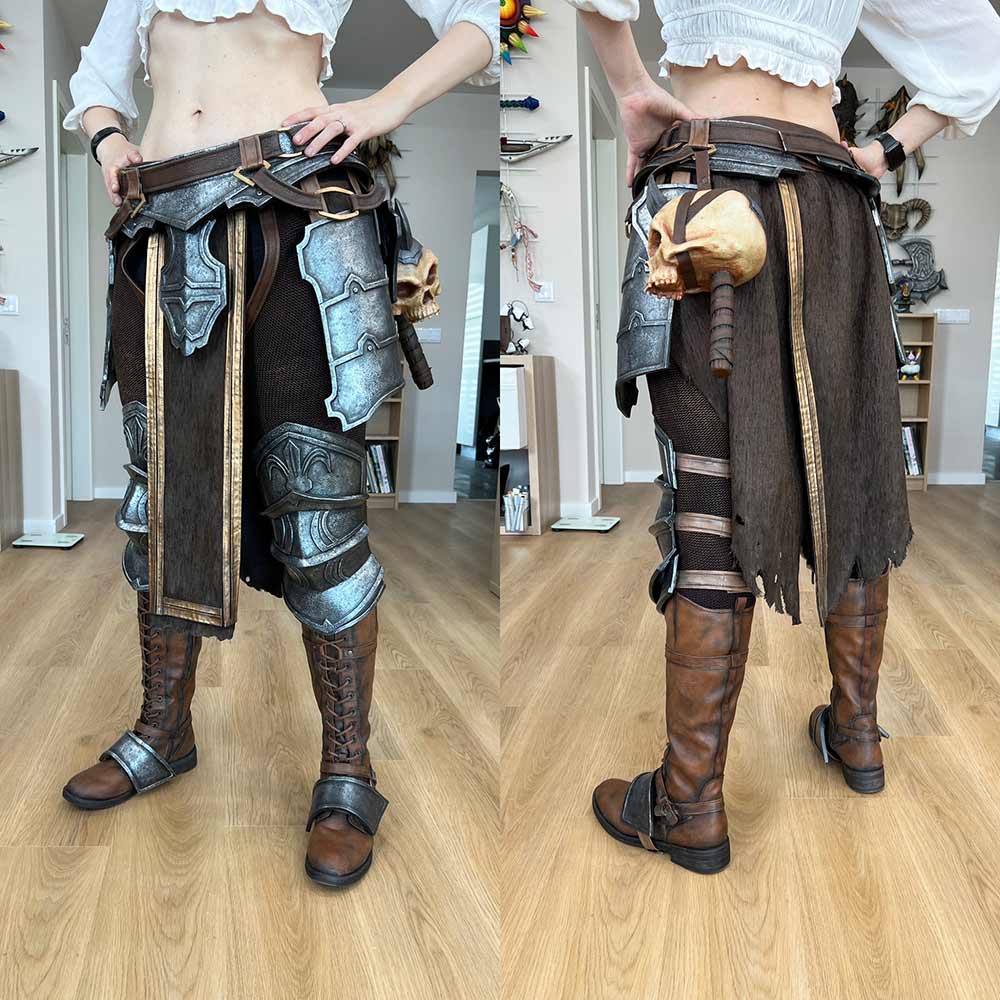
While Kamui handled the textile work, her partner, Benni, turned to digital tools. By using Blender to create 3D-modeled patterns for the leg armor, the team ensured the geometry was as sharp and symmetrical as it appears in-game. These patterns, now available to the public, serve as a testament to the blend of traditional craftsmanship and digital precision that defines modern cosplay.
Phase 3: Assembly, Texture, and the Scythe (Days 8–14)
The final week was a blur of high-speed assembly. Using 5mm EVA foam for the base and 2mm foam for fine detailing, the armor took shape. To avoid a "plastic" look, the surface was treated with a mixture of Flexbond and black acrylic paint, dabbed on to create a porous, organic texture. This was finished with a "Rub ’n Buff" silver application to provide the metallic luster of aged, combat-worn steel.
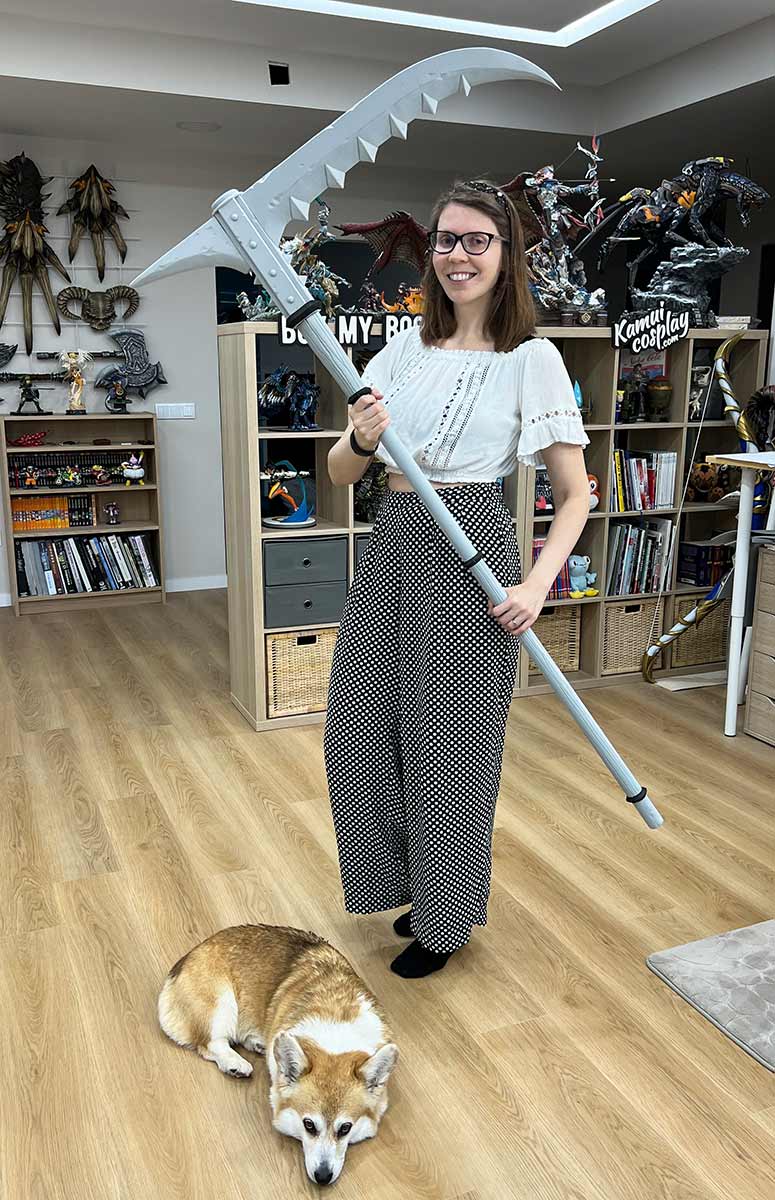
The final piece of the puzzle—the Necromancer’s signature scythe—was completed in a staggering 24-hour window. To ensure portability, the team designed the prop as a modular, three-segment piece connected by magnets and supported by PVC piping, proving that even massive props can be engineered for international travel.
Technical Specifications and Material Breakdown
The success of the build relied on a calculated selection of materials and tools. For those looking to replicate the process, the following data provides insight into the components used:
- Primary Armor Base: 5mm and 2mm EVA foam.
- Fabrication Materials: Furniture-grade pleather (brown), heavy-weight curtain linen, and high-tenacity velcro for attachment points.
- Surface Treatment: Flexbond primer mixed with black acrylic pigment; Rub ’n Buff (Silver Leaf) for weathering.
- Structural Components: PVC pipe (for internal scythe support), industrial-strength magnets (for modular assembly).
- Tools: Standard heat gun, sharp utility knives for foam beveling, and 3D printing equipment for the iconic "Wilson" skull accessory.
Official Perspectives: Bridging the Gap Between Developer and Fan
The collaboration between Blizzard and independent creators marks a shift in how game studios interact with their communities. By providing reference renders, Blizzard effectively treated the cosplayer as a professional production partner. This "service" is rarely afforded to the public, yet it highlights the studio’s commitment to the Diablo aesthetic.
For the developers, the benefit is twofold: it provides high-quality, authentic content to market the game while simultaneously validating the efforts of the fanbase. The resulting photoshoot, conducted in the mystical, fog-drenched Fanal Forest in Madeira, served as the perfect environmental backdrop. The location—known for its 500-year-old laurel trees—mirrored the dark, ancient aesthetic of the Diablo universe so accurately that minimal digital intervention was required, save for the manual addition of supplemental fog in post-production.
Implications for the Cosplay Industry
This project serves as a case study for the "professionalization" of cosplay. As the gaming industry continues to grow, the expectation for high-quality, accurate representation at launch events has increased.
- The Digital-Physical Hybrid: The use of 3D modeling (Blender) alongside traditional sewing and foam-smithing is no longer an optional skill; it is a necessity for those looking to create screen-accurate replicas.
- Modular Design: The 24-hour construction of the scythe highlights a growing need for "travel-ready" props. As cosplay becomes a global phenomenon, the ability to disassemble large items for airline transport has become a critical engineering skill.
- Community Monetization: Through the use of tutorial books and affiliate links, the project demonstrates how individual creators can sustain their craft. By documenting the process and providing links to materials (such as those found at Cosplayshop.be or via Amazon), the artist creates a circular ecosystem where the audience can participate in the same hobby at varying skill levels.
Conclusion
The Diablo IV Necromancer project stands as a testament to what is possible when technical skill, proper planning, and an obsession with detail converge. Despite the logistical nightmare of a cross-border move and the crushing weight of a two-week deadline, the resulting costume stands as a tribute to the game’s dark art style. It remains a poignant reminder that while the Diablo universe is built on shadows and spirits, the magic that brings it to our world is made of foam, paint, and an unrelenting drive to create.










No comments yet. Be the first to join the conversation!