

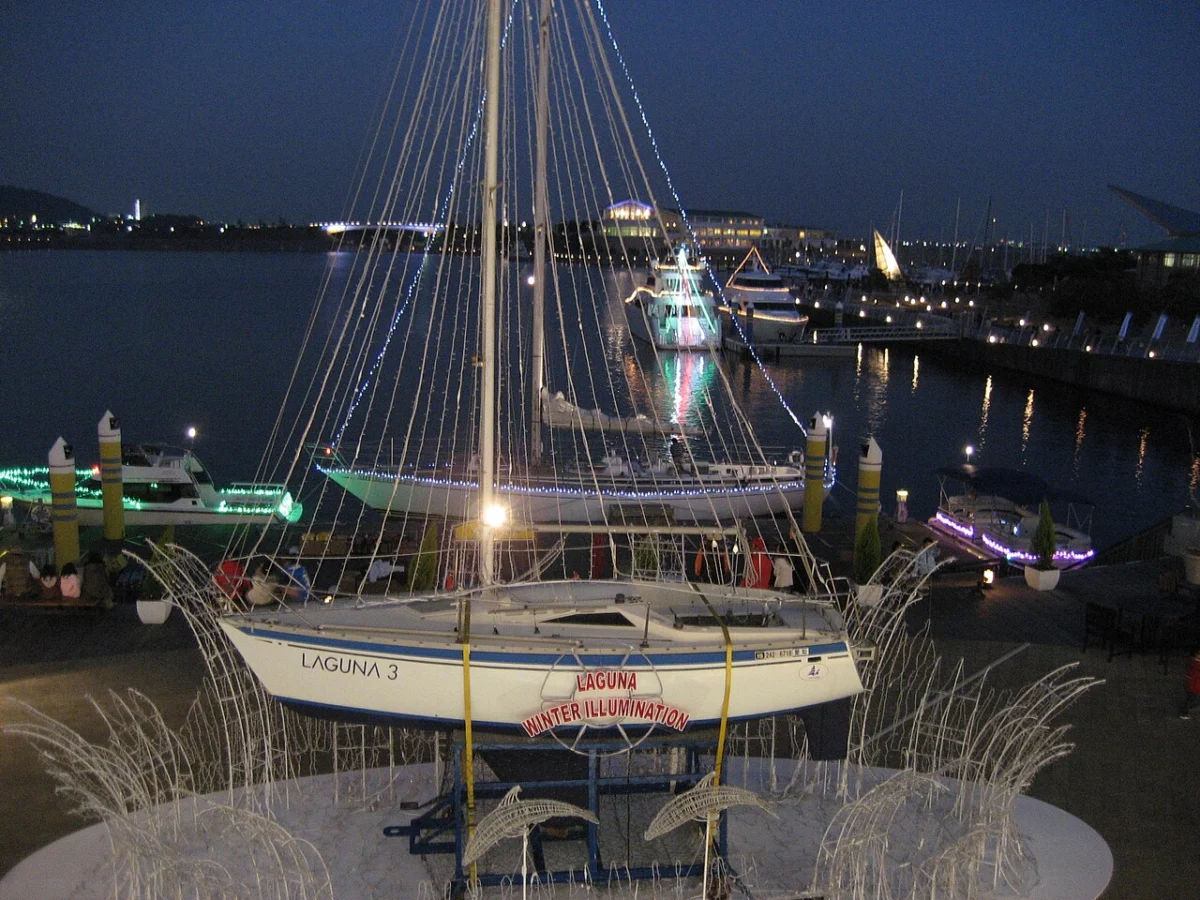
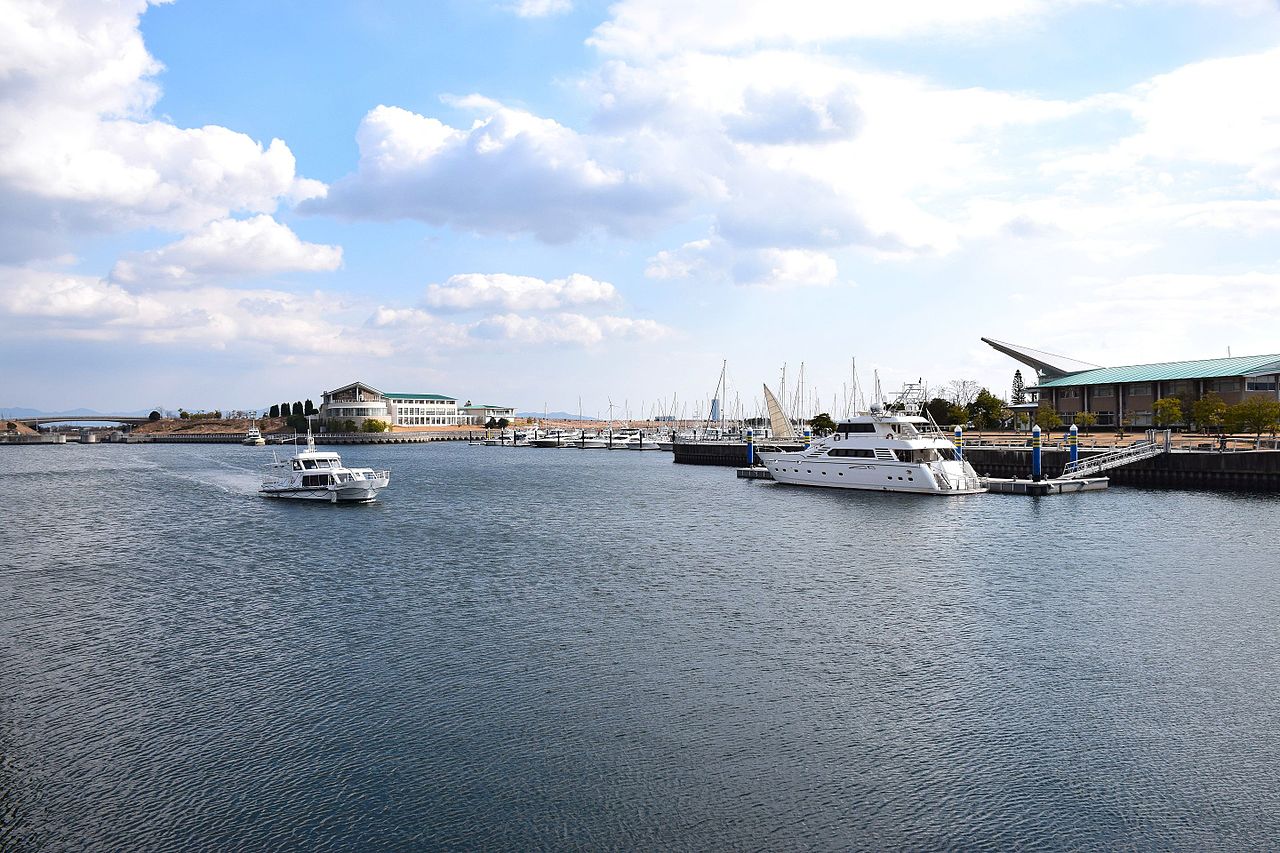
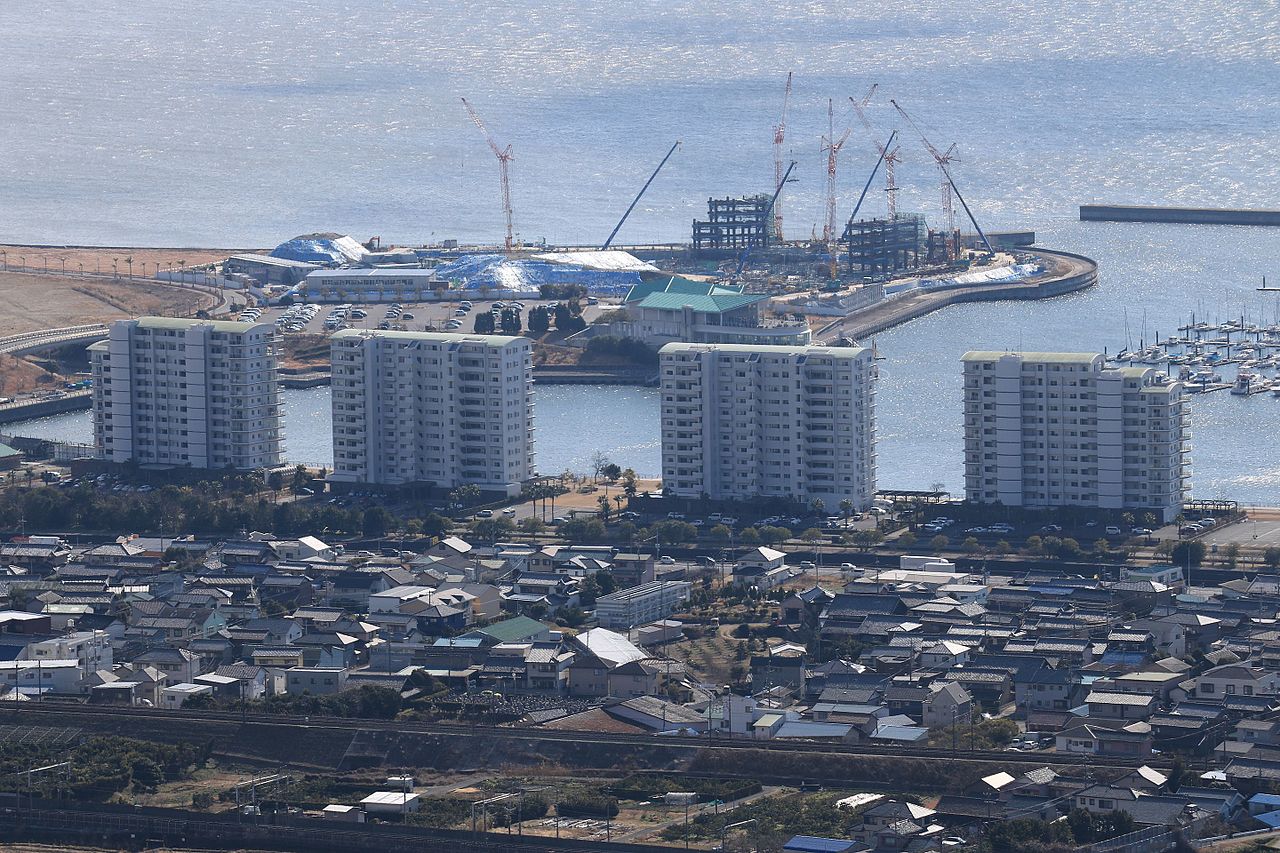
Nestled along the serene coastline of Mikawa Bay in Aichi Prefecture, roughly 30 kilometers southeast of the industrial powerhouse of Nagoya, lies a destination that defies the typical categorization of a Japanese theme park. Laguna Ten Bosch—formerly known as Laguna Gamagori—is a multifaceted marine resort complex that blends the thrill of an amusement park with the relaxed atmosphere of a Mediterranean harbor. Far removed from the high-octane intensity of Tokyo’s Disney resorts or the sheer scale of Osaka’s Universal Studios, Laguna Ten Bosch offers a unique, mid-scale leisure experience that serves as a vital escape for local families and a compelling case study for those interested in the evolution of Japanese destination tourism.
Main Facts: The Resort at a Glance
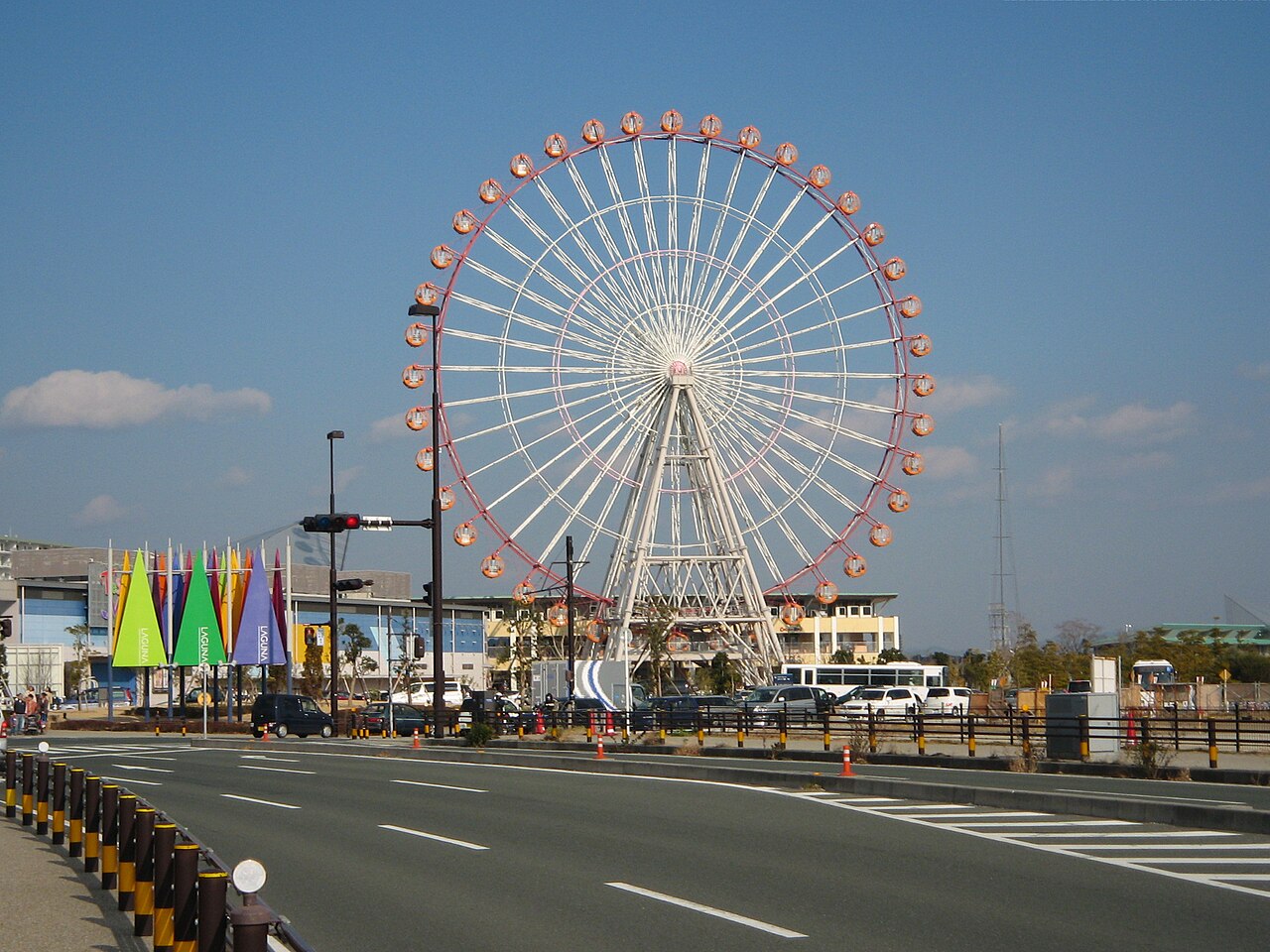
Laguna Ten Bosch is not merely a collection of roller coasters; it is an integrated lifestyle and leisure hub. The property is anchored by Lagunasia, an ocean-themed amusement park, which features 23 diverse attractions, including four distinct roller coasters and an iconic 65-meter Ferris wheel that provides sweeping views of the Mikawa Bay horizon.
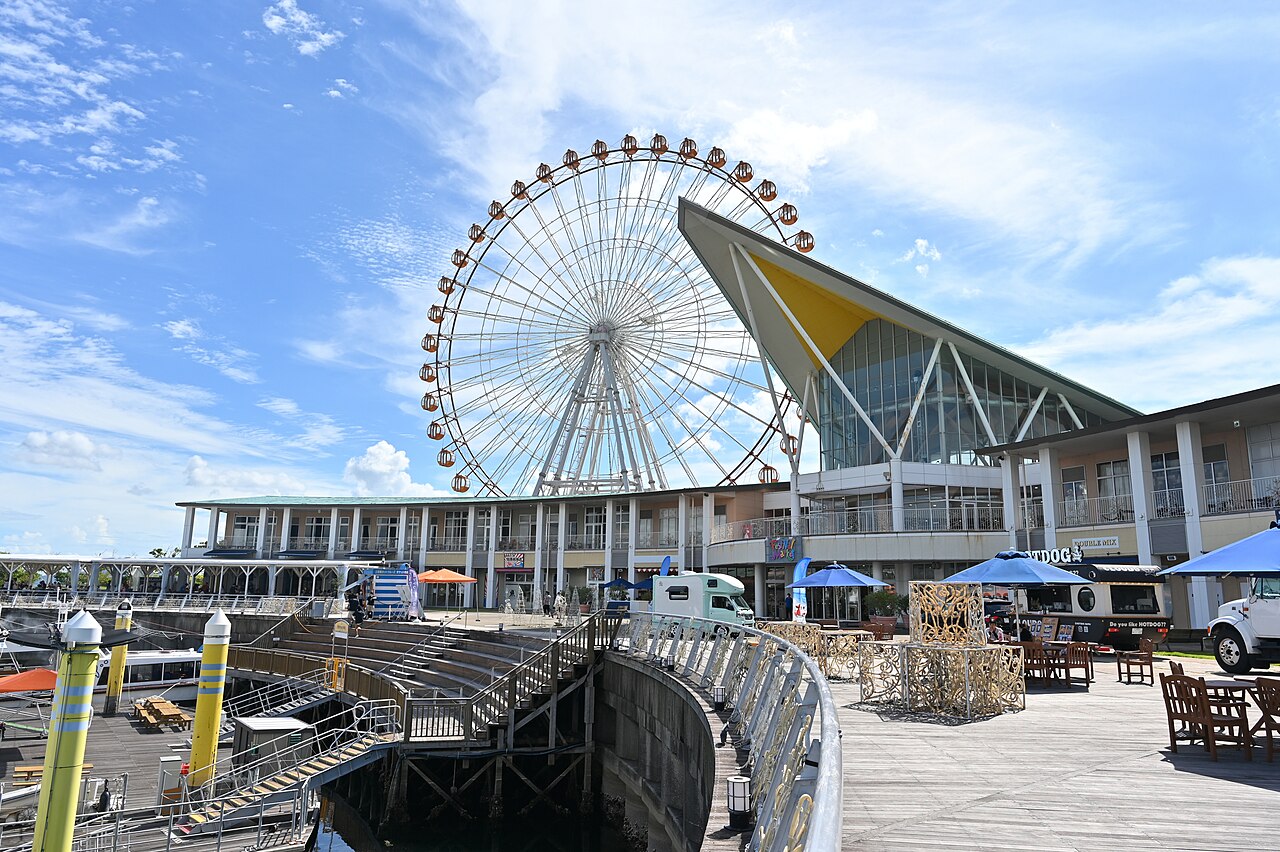
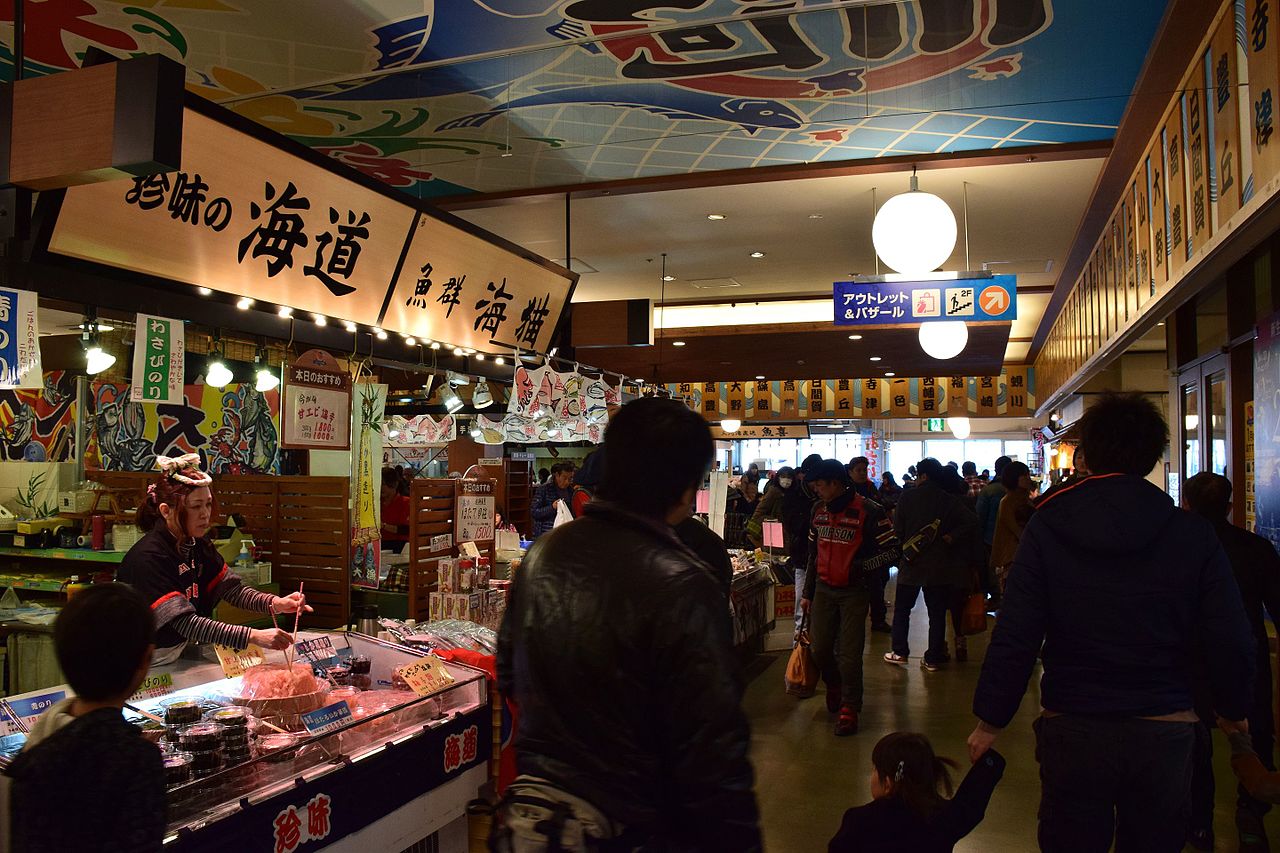
During the peak summer months, the resort transforms into a water-focused destination. The Lagunasia Pool section boasts a 230-meter lazy river and a variety of aquatic attractions that turn the coastal facility into one of the region’s most popular summer retreats. Beyond the rides and slides, the resort features the Festival Market, an architectural homage to a Mediterranean port town, housing a vibrant mix of retail outlets and a bustling fresh-fish market where the local Gamagori fishing fleet unloads its daily catch.
For those seeking rejuvenation, the Laguna Resort Spa Thalassa offers a sophisticated balneotherapy experience, utilizing heated seawater and traditional Mediterranean-influenced treatments. With an all-inclusive passport priced at approximately ¥3,990, the resort represents a cost-effective alternative for travelers, positioning itself as a quintessential "low-intensity" day trip that can be seamlessly integrated with a broader Nagoya sightseeing itinerary.
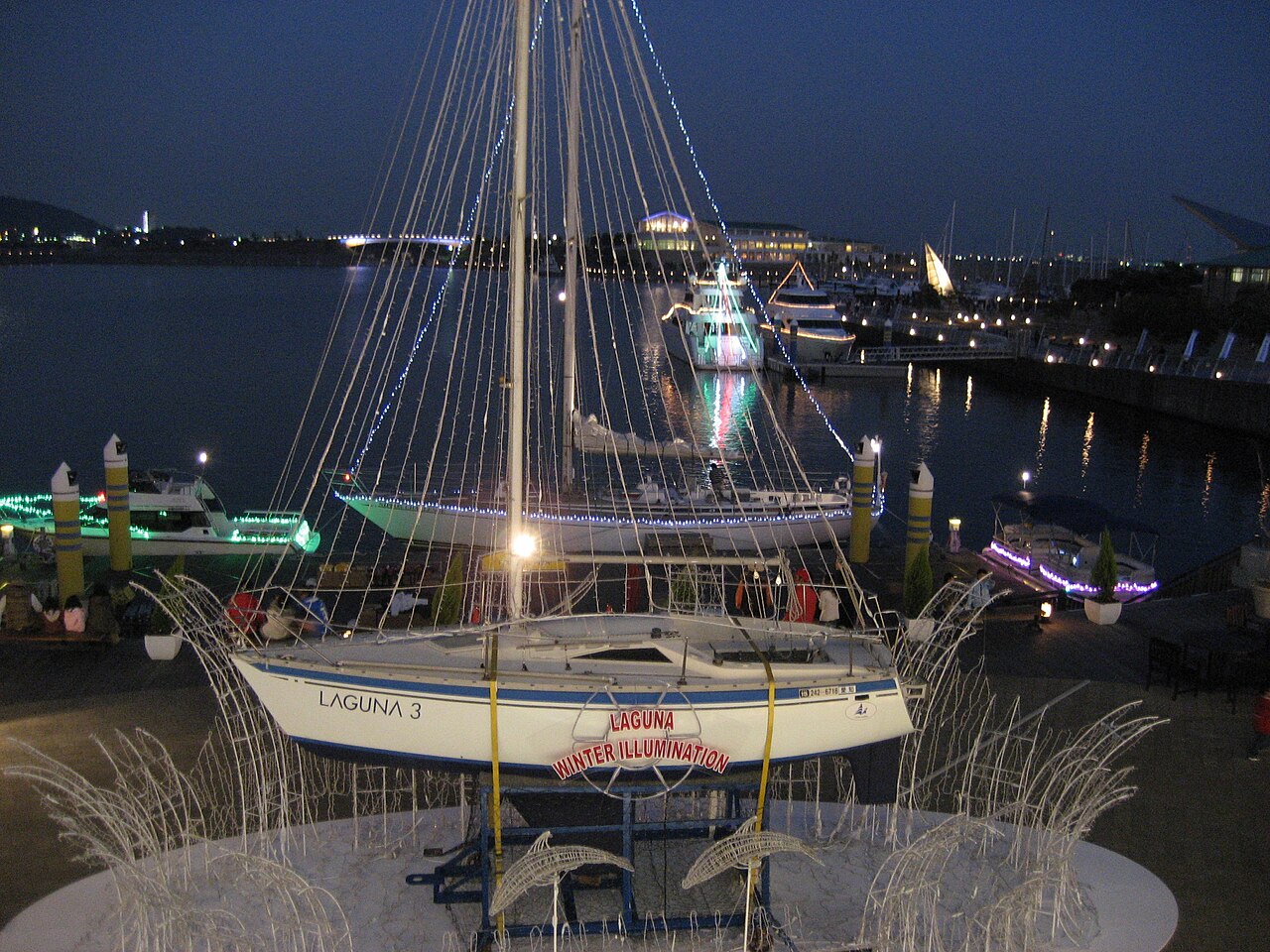
Chronology: From Industrial Reclamation to Leisure Hub
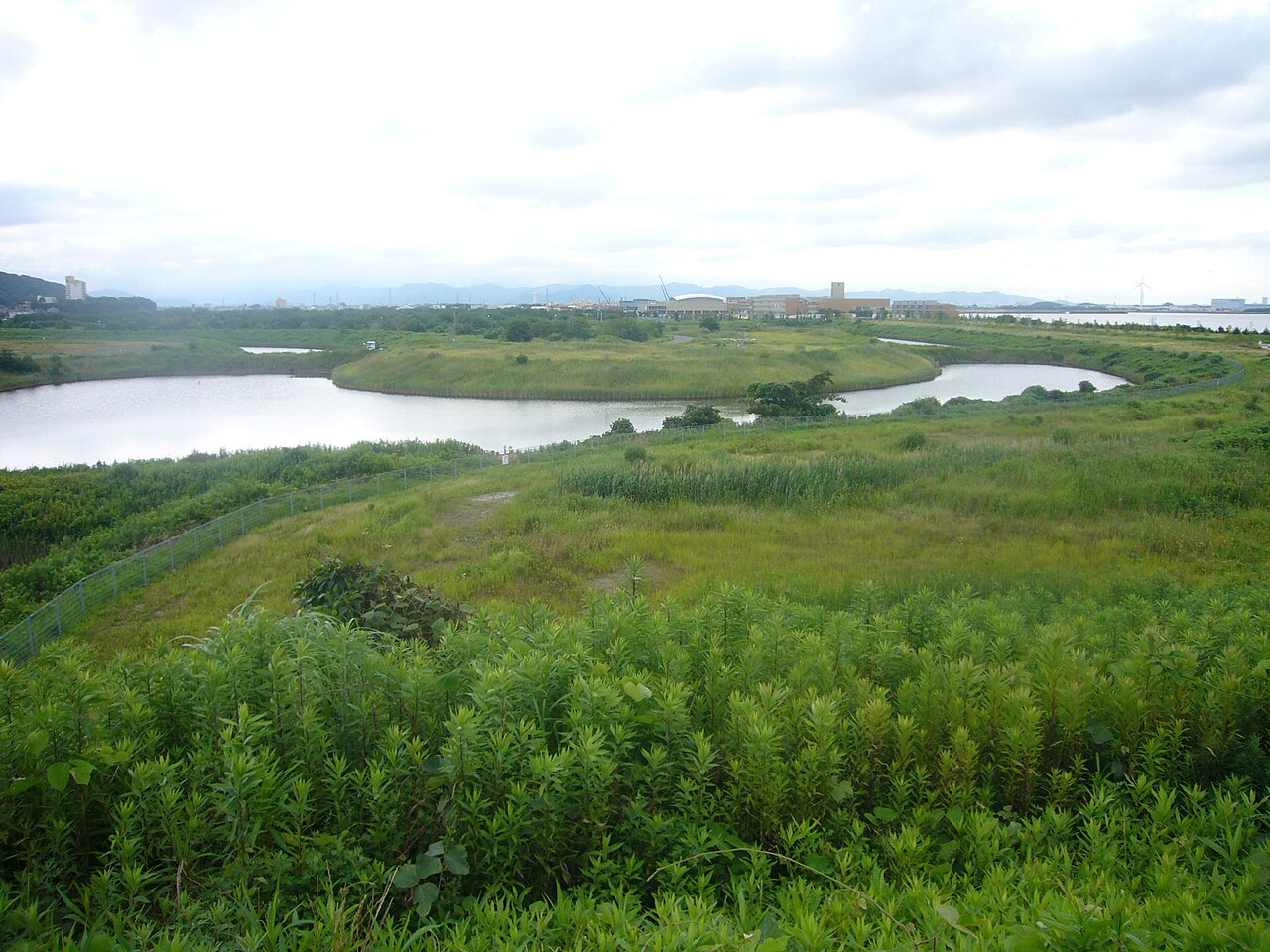
The history of the site is intrinsically linked to the industrial and economic landscape of the early 2000s. Laguna Gamagori first opened its gates in 2002. It was a project spearheaded by the Toyota-affiliated Mitsubishi real estate arm, built on reclaimed land in the Mikawa Bay. The initial vision was ambitious: to create a comprehensive, all-inclusive leisure model that combined an amusement park, a working marina, a premium outlet mall, and a wellness-oriented onsen hotel.
However, the path to profitability was fraught with challenges. Through the 2000s and into the early 2010s, the resort experienced fluctuating business performance. The market for mid-sized, regional amusement parks in Japan was—and remains—highly competitive, with established giants like Nagashima Spa Land in neighboring Mie Prefecture drawing the majority of the region’s thrill-seeking crowd.
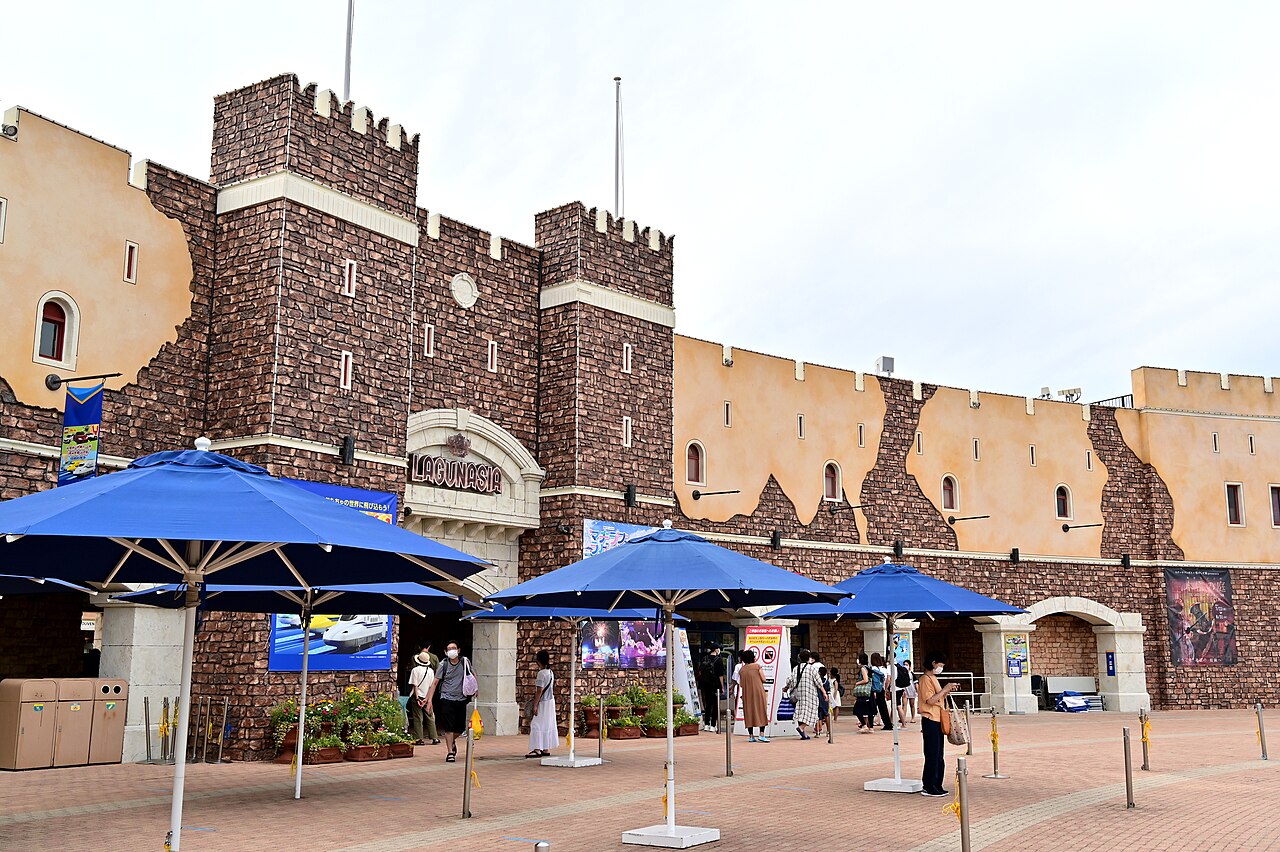
The turning point for the property occurred in 2014, when the original operators divested from the site. It was subsequently acquired by H.I.S. Holdings, the massive travel-agency-and-leisure conglomerate. Recognizing the potential of the coastal location, H.I.S. initiated a rebranding effort in 2015, relaunching the site as Laguna Ten Bosch.
This rebranding was not merely cosmetic. H.I.S. leveraged its ownership of the famous Huis Ten Bosch theme park in Nagasaki—a sprawling, immersive recreation of a Dutch town—to imbue Laguna with a more cohesive aesthetic. While smaller in scale than its Nagasaki counterpart, the new Laguna Ten Bosch adopted the "Dutch harbor town" motif, incorporating windmills, canal-style architecture, and the charming mascot character "Hapira-chan." This strategic pivot helped the park establish a distinct identity: a place where European charm meets the local flavor of Aichi’s fishing industry.
Supporting Data: Attractions and Logistics
For the casual observer, the park’s layout is a study in efficiency. The core attraction, Lagunasia, follows a "Silk Road of the Sea" theme. While it lacks the hyper-immersion of a Disney park, it maintains a level of visual consistency rarely seen in regional Japanese parks.
Key Attractions
- Aqua Wind: A 1999 Maurer Söhne compact steel coaster that serves as the park’s flagship thrill ride. With a 590-meter layout and speeds reaching 54 km/h, it offers a perfect balance for families who find larger coasters intimidating.
- Legend of Labyrinth: An interactive, shooting-based dark ride opened in 2017. It represents the park’s commitment to updating its offerings to cater to modern, gaming-focused youth demographics.
- The Ferris Wheel: A 65-meter landmark. Beyond its utility as a ride, it serves as a critical vantage point for photographers, particularly at sunset when the light catches the distant peaks of Mt. Hongu and the lights of the Toyohashi coastline.
Access and Infrastructure
The resort is remarkably accessible. From Nagoya, visitors can take the JR Tokaido Line to Gamagori Station in just 50 minutes, followed by a free 15-minute shuttle bus. For travelers arriving from Tokyo or Osaka via the Tokaido Shinkansen, the resort is reachable within two hours, making it a viable—if tight—day-trip destination. The facility also accommodates 5,000 cars, catering to the significant domestic driving market.
Official Responses and Strategic Positioning
Management at H.I.S. Holdings has been clear regarding the resort’s target demographic. In various public statements, the company has characterized Laguna Ten Bosch not as a "mega-park," but as a "community-integrated resort." By maintaining relatively low barrier-to-entry pricing and prioritizing local partnerships—such as the integration of the Gamagori fishing fleet into the Festival Market—the park has successfully insulated itself from the volatile market of "blockbuster" theme parks.
The company has also focused on "hybrid" visitors. By offering the Thalassa spa and high-end seafood dining, they have managed to attract an older, more affluent demographic that typically avoids amusement parks, effectively diversifying their revenue stream beyond just ride-ticket sales.
Implications: Is the Model Sustainable?
The success of Laguna Ten Bosch holds several implications for the future of regional tourism in Japan.
First, it validates the "boutique" resort strategy. As the population in Japan ages and the tourism industry moves away from mass-consumption models, smaller, highly localized parks that offer a mix of culture, food, and light entertainment are likely to see more consistent growth than large-scale, high-maintenance theme parks.
Second, the "H.I.S. Effect"—the ability to standardize branding across different properties (linking Nagasaki and Aichi)—demonstrates the power of corporate consolidation in regional tourism. By sharing assets, mascots, and marketing strategies, H.I.S. has reduced the operational overhead that previously plagued the original Laguna Gamagori.
However, there are challenges. The reliance on seasonal weather for the water park and the inherent limitation of a small, aging ride inventory mean the park must continue to invest in "soft" attractions, such as seasonal festivals and food-based events, to keep repeat visitors returning.
For the international traveler, the verdict remains nuanced. If one’s primary goal is the pursuit of global-class thrill rides, Laguna is not the destination; Nagashima Spa Land is only 40 minutes away and offers a far more aggressive coaster lineup. Yet, for those who wish to step off the beaten path of the "Golden Route" (Tokyo-Kyoto-Osaka), Laguna Ten Bosch offers a rare glimpse into how Japanese regional cities are successfully repurposing industrial infrastructure into meaningful, family-oriented leisure spaces. It is a testament to the idea that sometimes, the most interesting destinations are not the ones with the biggest roller coasters, but the ones that understand exactly who they are for—and who they are not.












No comments yet. Be the first to join the conversation!