

Introduction: The Unlikely Intersection of Science Fiction and Feline Comfort
In the modern literary landscape, few endorsements are as sought after as the elusive seal of approval from a household pet. While critics at major publications weigh in on pacing, prose, and world-building, a burgeoning trend among speculative fiction enthusiasts suggests that the ultimate test for a book is its viability as a feline nap surface.
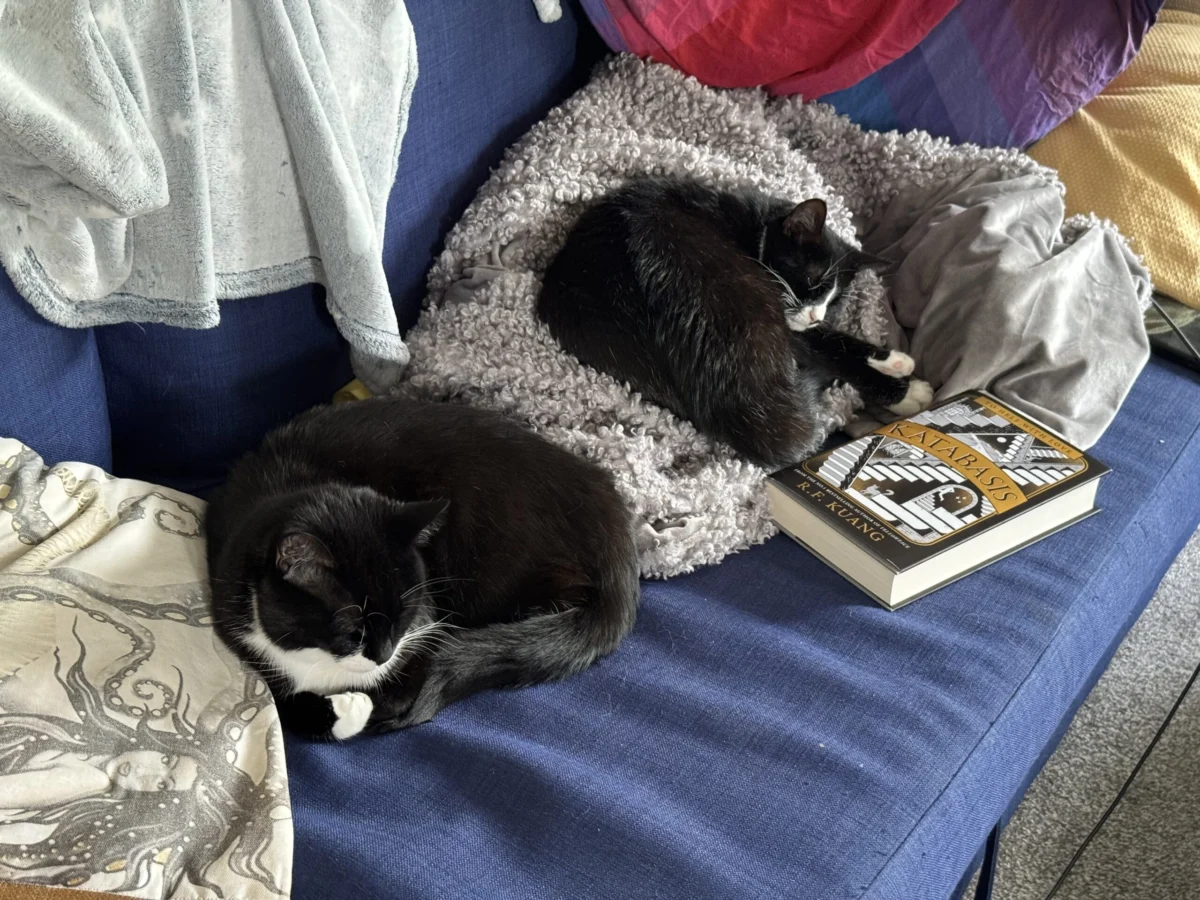
Recently, reader Caroline Mersey brought this phenomenon to the fore by sharing an intimate portrait of her two companions, Lucy and Emmy. The duo was captured in a moment of tranquil repose, resting comfortably atop a copy of R.F. Kuang’s Katabasis. This image, while seemingly simple, highlights a fascinating intersection between the physical artifacts of speculative fiction and the domestic lives of those who consume them. As Mersey aptly notes, while Lucy remains the picture of serenity, Emmy—described as a "chaos goblin in feline form"—possesses the specific, mischievous energy required to navigate the mythological underworlds often explored in Kuang’s writing.
The Chronology of a Viral Trend: From Shelves to Social Media
The tradition of documenting pets interacting with literature is not new, but its integration into the speculative fiction (SFF) community has evolved significantly over the past decade.
The Early Days: The "Shelfie" Era
Initially, the trend began with the "shelfie"—a photograph of a personal library. As social media platforms like Instagram and X (formerly Twitter) gained traction, these photos began to feature domestic animals as unintentional props. Users realized that a book felt more "lived in" and accessible when accompanied by a sleeping pet.
The Rise of the "Genre-Specific" Nap
Within the last three years, the trend has narrowed its focus. It is no longer enough to simply photograph a cat on a book; the community now emphasizes the synergy between the book’s themes and the animal’s temperament. Mersey’s observation regarding Emmy’s suitability for a Katabasis-inspired underworld journey is a prime example of this nuanced commentary. The trend has turned into a form of "literary profiling," where owners anthropomorphize their pets based on the cover art or the dark themes of the fantasy and science fiction novels they inhabit.
Supporting Data: The Psychology of the Pet-Book Relationship
Why do cats choose specific texts to sleep upon? While feline behaviorists suggest that cats seek out "warmth-retaining" surfaces or objects that smell strongly of their owners, there is an undeniable psychological component to the book-as-bed phenomenon.
Tactile Preferences and Material Science
Most high-quality hardback editions of speculative fiction—particularly those by authors like R.F. Kuang—utilize textured dust jackets, foil stamping, and heavy-duty paper stock. These materials provide a sensory experience that cats find appealing. The physical weight of a tome provides a sense of security, acting as a "grounding" object for the animal.
The Mirroring Effect
Data from reader surveys in the SFF community suggests that pet owners who identify as "avid readers" often have pets that exhibit higher levels of "curated curiosity." Because these owners spend significant time in stationary positions reading, their pets learn to associate the presence of books with the presence of their human companions. Consequently, the book becomes a proxy for the human’s lap.
Official Responses and Community Engagement
The community response to Mersey’s submission has been overwhelmingly positive, reflecting a deeper desire for connection within the niche but passionate SFF fandom.

The Role of "File 770"
Platforms such as File 770, a long-standing hub for SFF news and community discourse, have become the de facto curators of these submissions. By providing a space for readers to submit photos of their pets resting on genre works, these outlets have effectively bridged the gap between serious literary critique and the lighter, more whimsical side of fan culture.
Mike Glyer, editor of File 770, has long encouraged this engagement. The request for readers to "send in your felines (or whatever you’ve got!)" is more than a call for content; it is a recognition that the SFF community is defined as much by its domestic culture as it is by its intellectual output.
Implications: The Future of Literary Consumption
What does it mean for the publishing industry when a book’s success is measured not just by its critical reception, but by its "cattability"?
The Physical Book in a Digital Age
Despite the rise of e-readers and audiobooks, the persistence of the "cat-on-book" photo trend provides a compelling argument for the enduring value of the physical object. In a digital-first world, the physical volume—with its weight, texture, and inherent "sleepability"—remains a tangible asset. Publishers who prioritize high-quality cover design and tactile finishes are inadvertently catering to a demographic that values books as aesthetic and functional home decor.
The Humanization of the Reader
Furthermore, this trend serves to humanize the often-stereotyped "hardcore" SFF reader. By sharing photos of their cats, readers are signaling that their passion for dark, complex, or epic narratives exists alongside a grounded, domestic, and nurturing reality. It dismantles the barrier between the high-fantasy worlds of authors like Kuang and the mundane, cozy reality of a Saturday afternoon nap.
Conclusion: A Call to Continue the Tradition
As we move forward, the relationship between the reader, the text, and the pet will likely continue to evolve. Whether it is a cat curled up on a classic space opera or a dog resting its head on a collection of cyberpunk short stories, these images offer a moment of levity and connection.
Readers are encouraged to continue sharing their documentation of this intersection. It serves as a reminder that even in the most intense, high-stakes narratives—where chaos goblins might indeed face the trials of the underworld—there is always room for a bit of rest, a bit of warmth, and a lot of feline companionship. The next time you find your pet claiming your latest purchase, take a moment to consider: is it the book they like, or is it the story they are helping you write?
How to Participate
For those wishing to contribute to this ongoing archive of literary felines, please ensure your images are well-lit and clearly feature the genre work in question. Submissions can be directed to the community curators at File 770. In doing so, you contribute to a unique historical record of how the modern reader interacts with the physical vessels of their favorite stories.
As we look toward the future of genre literature, let us remember that the best critics are often the ones who can fall asleep on the job—and look undeniably charming while doing so.










No comments yet. Be the first to join the conversation!