

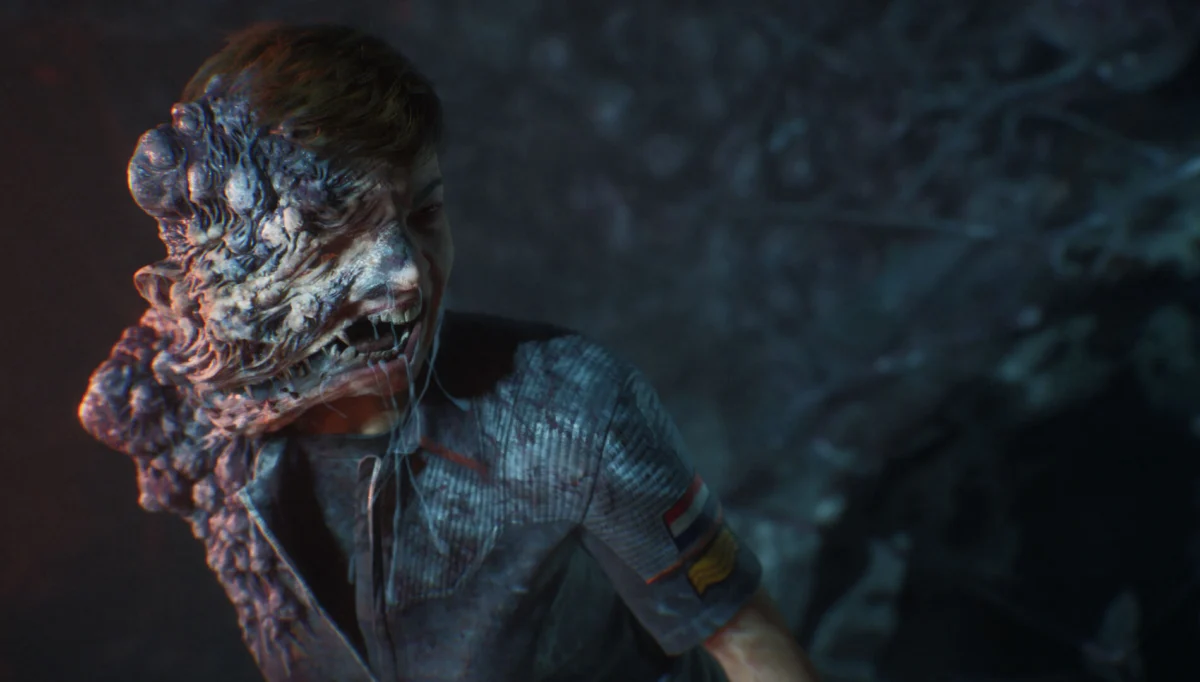
London, UK – [Date of Publication] – After a protracted hiatus of nearly four years, Supermassive Games, the acclaimed English developer renowned for its branching narrative horror experiences, has finally unleashed the latest installment in its popular The Dark Pictures Anthology series: Directive 8020. This ambitious new chapter boldly pivots from the franchise’s established terrestrial terrors to embrace the chilling vacuum of space, drawing significant inspiration from sci-fi horror classics like Ridley Scott’s Alien and John Carpenter’s The Thing. While Directive 8020 promises a fresh wave of existential dread and claustrophobic scares, it also marks a substantial departure from many of the series’ beloved conventions, most notably the complete removal of traditional co-operative play.
A Shift in Gameplay Dynamics: Prioritizing Stealth Over Exploration
The most striking alteration to the familiar Dark Pictures formula in Directive 8020 is the deliberate de-emphasis on exploration and player agency in environmental interaction. Gone are the days of meticulously scouring dimly lit corridors for scattered documents that offer cryptic lore or unlock crucial clues. Instead, players will find significantly fewer collectibles, and the reliance on Quick Time Events (QTEs) during cutscenes has been noticeably reduced. In a move that streamlines progression but potentially sacrifices some player immersion, the game now explicitly guides players, indicating precisely where they need to go to advance the narrative with a simple button press.
This shift necessitates a greater engagement with more direct gameplay mechanics, particularly stealth. Directive 8020 introduces extensive stealth sequences where players must actively navigate treacherous environments, actively evading the relentless pursuit of dangerous adversaries. This is a significant departure from past installments, where hiding was often a reactive choice within a broader exploration framework. Here, stalking entities are a constant threat, actively searching for the characters under the player’s control with unnerving regularity.
These stealth sections, while offering moments of genuine tension during a player’s initial playthrough, ultimately lack the depth to become a standout feature. The core mechanic of creating distractions from a distance provides a fleeting sense of tactical engagement, but the overall stealth gameplay loop feels underdeveloped. The reviewer noted a distinct lack of desire to replay these segments, and they were perceived as a considerable drag on the game’s overall pacing when contrasted with the more dynamic flow of previous Dark Pictures titles.
Echoes of the Past, A Solitary Future
The structural and gameplay changes in Directive 8020 have led to a more solitary experience, drawing closer parallels to Supermassive Games’ earlier, critically acclaimed standalone titles like Until Dawn and The Quarry. The iconic Curator, the spectral host who traditionally frames the narrative with intermissions and commentary, is absent from Directive 8020‘s storytelling. Furthermore, the beloved couch co-op mode, a cornerstone of the Dark Pictures Anthology for many players, has been entirely excised. While a "Movie Night" mode allows for a pass-the-controller experience, it does not replicate the true cooperative gameplay that allowed friends to navigate the horrors together.
This deliberate move towards a solo-focused experience is not inherently detrimental, but it necessitates a recalibration of player expectations. Those anticipating the communal thrill of shared decision-making and synchronized scares might find themselves adjusting to a more introspective and isolated horror journey. This design choice, while potentially alienating some long-time fans, allows for a more focused narrative delivery and character development within the confines of a single player’s journey.
A Compelling Sci-Fi Narrative Anchored by a Stellar Performance
Despite the significant gameplay shifts, Directive 8020‘s most potent asset lies in the compelling science fiction narrative it weaves. The game is elevated by the commanding presence of lead actress Lashana Lynch, whose performance anchors the ensemble cast. While the game does feature familiar character models, a recurring critique in recent Supermassive titles, each character is brought to life by distinct and talented voice actors.
The narrative truly shines when it leans into its The Thing-esque premise, fostering an atmosphere of paranoia and suspicion. The core of the horror emerges from the player’s struggle to discern whether the individuals they interact with are truly human or insidious imposters. However, this crucial element of the story is regrettably confined to the latter third of the game, meaning the more psychologically engaging and suspenseful sections take a considerable amount of time to materialize.
While the story itself is well-crafted and competently acted, its presentation is somewhat unconventional. The narrative structure adopts a non-linear approach, frequently jumping back and forth in time. Without a truly groundbreaking revelation to justify the convoluted timeline, a more straightforward chronological approach might have enhanced the story’s accessibility and impact. Nevertheless, the core mystery and the existential questions it poses about identity and survival in the face of an unknowable threat remain potent.
The Scariest Anthology Entry Yet?
Paradoxically, despite the aforementioned critiques and the departure from cherished series staples, Directive 8020 emerges as the most terrifying installment in The Dark Pictures Anthology to date, and for the reviewer, this translates into a personal favorite. The game consistently maintained a genuine sense of unease, a feat that previous entries like The Devil in Me and House of Ashes struggled to achieve with the same efficacy.
Visually, Directive 8020 also represents a noticeable improvement over much of the studio’s recent output. The graphical fidelity is impressive, and the reviewer encountered no significant technical glitches or performance issues while playing on a PlayStation 5 Pro in its 120Hz balanced mode. This technical polish, combined with the heightened sense of dread, suggests a genuine evolution for the series, even if some of the elements that previously defined its appeal have been re-evaluated or discarded.
Directive 8020 Review: Final Verdict
Directive 8020 offers a compelling and refreshing departure for Supermassive Games and The Dark Pictures Anthology. The shift to sci-fi horror, coupled with smoother, more focused gameplay and moments of genuine terror, demonstrates that the extended development time has yielded positive results. The game successfully delivers scares and an engaging narrative that will likely resonate with players seeking a more direct and intense horror experience.
However, the decision to sideline exploration and eliminate traditional co-operative play will undoubtedly be a point of contention for a segment of the Dark Pictures fanbase. The emphasis on stealth, while competently executed for a first playthrough, may diminish replayability for some, particularly when combined with the game’s predominantly solo focus. While Directive 8020 offers a superior first-time experience, the long-term appeal for returning players may hinge on their willingness to embrace the series’ new direction. Despite these reservations, Directive 8020 stands as a significant and commendable step forward for the anthology, proving that Supermassive Games can still deliver potent horror, even when venturing into uncharted territory.
Rating: 8/10
Disclosure: The publisher provided a digital copy of Directive 8020 for our PS5 review. Reviewed on version 1.000.004.












No comments yet. Be the first to join the conversation!