

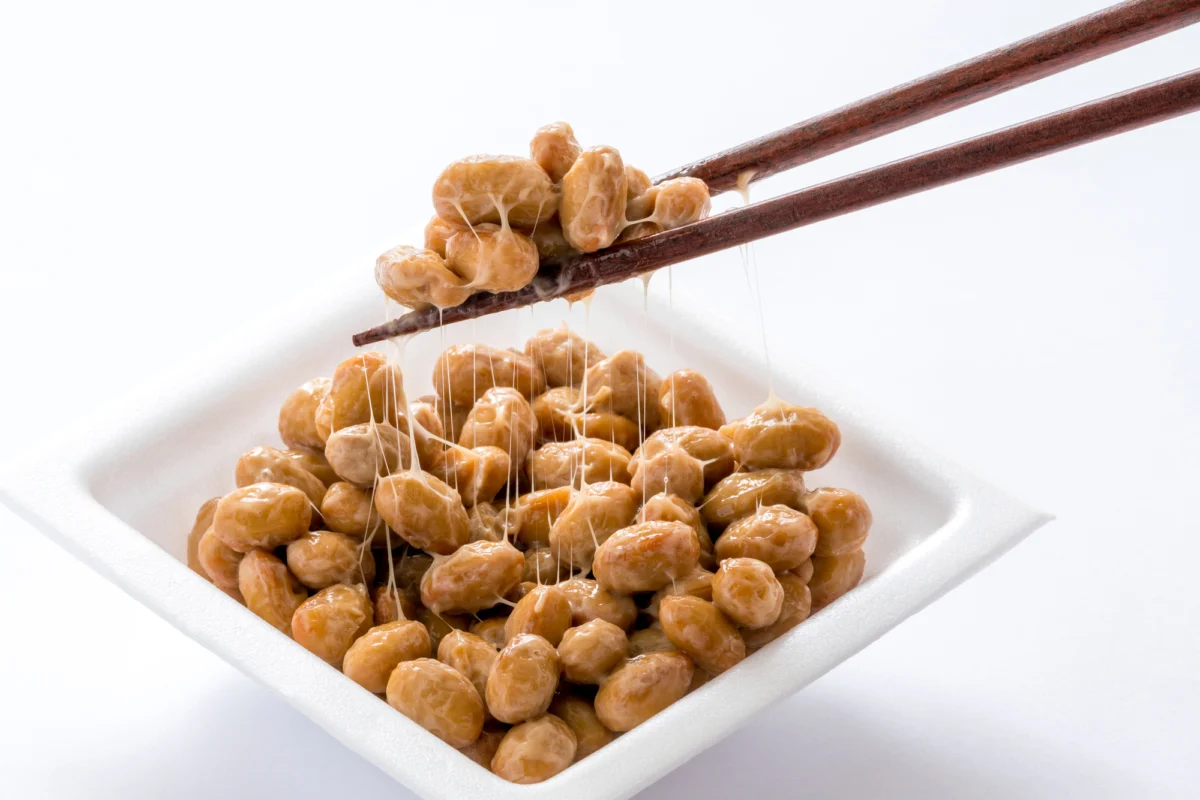
For millions in Japan, the morning ritual is sacred: a steaming bowl of white rice, a side of miso soup, and a small, plastic container of natto—fermented soybeans characterized by their distinctive, pungent aroma and viscous, thread-like texture. It is a staple that has defined the Japanese breakfast table for generations. However, this culinary icon is currently at the center of a national outcry as manufacturers announce significant price hikes, signaling a deeper, more troubling shift in Japan’s economic landscape.
As of May 2026, two of the nation’s largest producers, Takanofood and Mizkan, have confirmed that the era of the “cheap, reliable staple” is under threat. With costs rising across the board, consumers are left wondering if the country’s long-standing reputation for affordable, high-quality food is finally buckling under the weight of global instability.
The Anatomy of the Crisis: Why Natto?
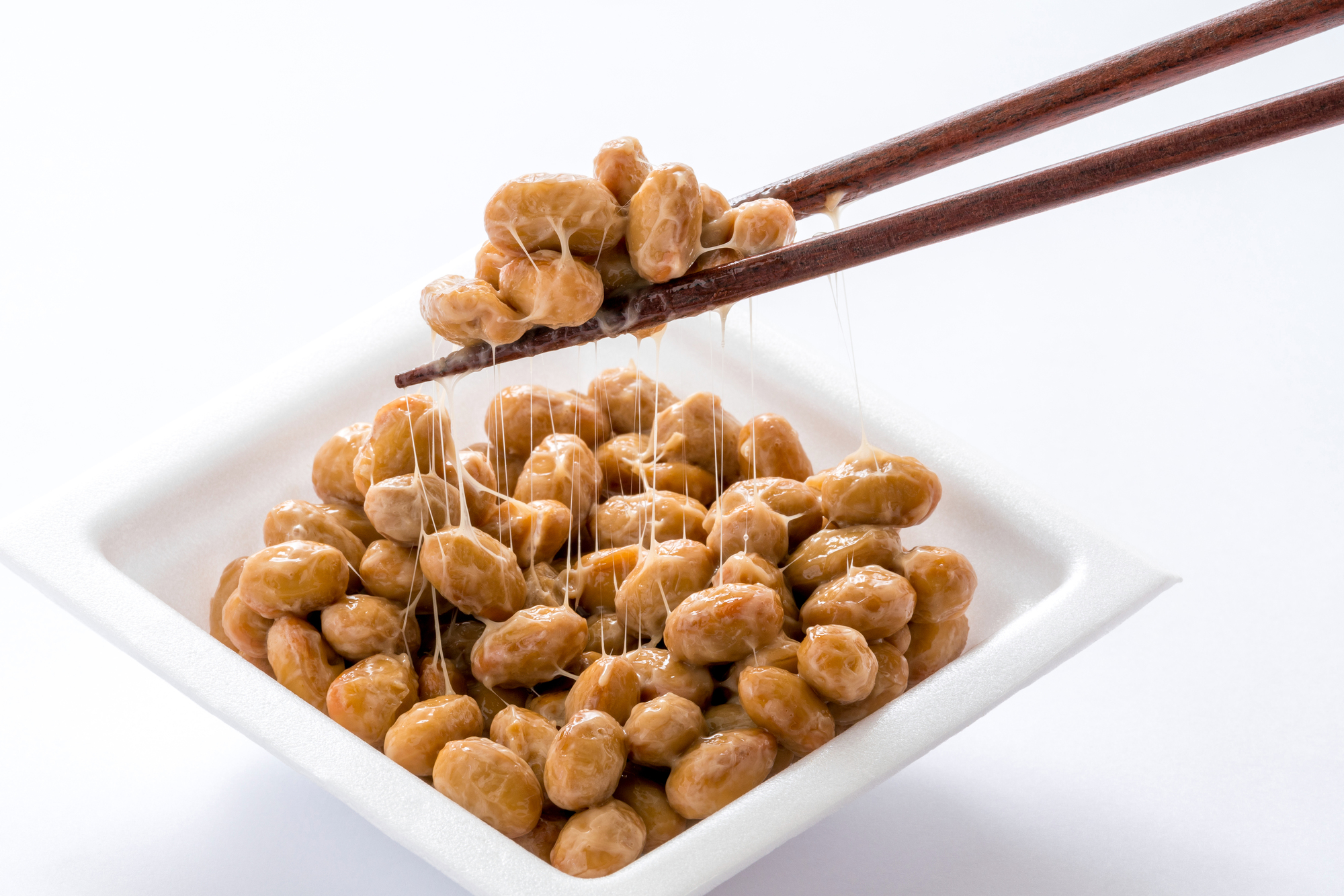
To the uninitiated, natto—soybeans fermented with Bacillus subtilis var. natto—is often categorized as an "acquired taste." With a slimy consistency and a smell that has been unflatteringly compared on global forums to a "putrid dumpster," it is a polarizing foodstuff. Yet, domestically, it is a powerhouse. Surveys consistently show that roughly 80% of the Japanese population enjoys the dish. Beyond taste, it is lauded for its high Vitamin K2 content and probiotic profile, making it a cornerstone of the Japanese health-conscious diet.
The market for natto has been on a decade-long climb, reaching a valuation of approximately 269.5 billion yen ($1.72 billion USD) in 2023. In eastern Japan, particularly in cities like Morioka, consumption remains exceptionally high, with households spending upwards of 6,800 yen annually on the product.
However, this thriving industry is now suffering from an unexpected bottleneck: the fallout of the War in Iran. The conflict has severely disrupted global trade routes, specifically the supply of naphtha, a crucial petroleum derivative. Naphtha is the primary ingredient in the production of the disposable, lightweight food trays and thin plastic films that keep natto shelf-stable and fresh. Since March, the cost of this synthetic resin has skyrocketed by 30%, forcing manufacturers into a corner where they can no longer absorb the costs of production and packaging.
A Chronology of Economic Pressure
The current price hikes did not occur in a vacuum. They are the latest chapter in a long-running saga of inflationary pressure that has gripped Japan for nearly three years.
- Early 2024: Persistent inflation begins to hit the grocery sector. Rice, eggs, and basic produce see price jumps as energy costs and labor shortages begin to bite.
- Late 2024 – Early 2025: Manufacturers adopt "shrinkflation" as a survival strategy. Consumers notice that while the sticker price of their favorite snacks, like Kinoko no Yama or Takenoko no Sato, remains the same, the actual volume of the product within the package decreases.
- March 2026: Naphtha prices spike by 30% due to the escalation of the conflict in the Middle East, leading to a critical shortage of petrochemical-based packaging materials.
- May 2026: Takanofood, makers of the ubiquitous "Okame Natto," officially announces a 15% price hike. Simultaneously, Mizkan declares price increases ranging from 6% to 20% across its entire natto line.
- Current Status: Mizkan has been forced to suspend the production of four specific natto product lines entirely, citing an inability to source the necessary packaging materials. This move has shocked the market, signaling that the supply chain is no longer just expensive—it is physically strained.
Supporting Data: The Scale of the Disruption
The Teikoku Databank, a leading Japanese research firm, provides a sobering look at the state of the nation’s food industry. According to their latest reports, the prices of 6,290 distinct food and beverage items have risen throughout the current year, with an average increase of 15%.
The data suggests that this is not an isolated event but a systemic failure. Should the naphtha shortage persist, 72.5% of surveyed food companies have indicated that they will be forced to implement further price hikes to avoid insolvency.
The economic pressure is further exacerbated by the stagnation of Japanese wages. While the cost of living has trended upward for nearly 36 months, real wages in Japan have remained largely stagnant for three decades. This mismatch creates a "cost-of-living squeeze" that is particularly devastating for lower-income households and retirees on fixed pensions, for whom natto was once the reliable, inexpensive protein source that kept food budgets in check.
Official Responses and Political Fallout
The response from the Japanese government has been tepid, drawing the ire of the public. Prime Minister Takaichi Sanae campaigned on a populist platform, explicitly promising to lower the consumption tax to zero for essential food items. Her rhetoric during the campaign—describing the tax cut as her "dearest wish"—gave many consumers hope that the government would act as a buffer against global inflationary trends.
However, once in office, these promises stalled in the National Diet. Critics argue that the administration is paralyzed by internal factionalism and a reluctance to disrupt the current tax revenue stream, despite the obvious hardship faced by the working class.
Public sentiment on platforms like X (formerly Twitter) has turned vitriolic. Users are not only venting about the price of soybeans; they are questioning the fundamental efficacy of the ruling Liberal Democratic Party (LDP). A common refrain among online commentators is the frustration that the electorate continues to vote for the same party despite witnessing the steady erosion of their purchasing power. "Why do people complain about price hikes and then vote LDP?" one user wrote, echoing a sentiment that is becoming increasingly common in the digital town square.
The Broader Implications: Is the "Cheap Food" Era Over?
For decades, Japan has been an outlier in the developed world, maintaining an environment where a high-quality, nutritious meal could be purchased for a pittance. Even in the heart of Tokyo, one could reliably find a bowl of ramen for under 1,000 yen—a benchmark that many feared would never be broken.
The crisis in the natto market suggests that the era of "cheap food" is, for all intents and purposes, dead. The problem is no longer just about the cost of the raw ingredients; it is about the "invisible costs" of modern commerce: logistics, energy, synthetic packaging, and global supply chain reliability.
When a low-cost, daily item like natto—which has long been protected by high-volume manufacturing efficiencies—is hit by a double-digit price hike, it is a bellwether for the rest of the grocery aisle. If the cost of packaging continues to rise, smaller items that rely on thin margins will have "nowhere to hide," as one analyst noted.
Looking Toward the Future
The implications are clear: Japanese consumers must prepare for a future where food affordability is no longer a given. The transition from a deflationary mindset to an inflationary one is proving to be a traumatic process for a society accustomed to decades of price stability.
As the government continues to debate, the private sector is scrambling. Some companies are looking toward alternative, biodegradable packaging solutions to escape the volatility of the naphtha market. Others are betting on automation to offset labor costs. However, these are long-term fixes for a short-term crisis.
For now, the Japanese consumer remains in a state of uncertainty. The morning bowl of natto will remain on the table, but it will be a constant, daily reminder that the world has changed. As the cost of the nation’s most "putrid" yet beloved staple climbs, so too does the public’s demand for a government that finally delivers on its promises to stabilize the economy. The political cost of failing to address this food crisis may ultimately prove to be much higher than the price of a three-pack of soybeans.












No comments yet. Be the first to join the conversation!