

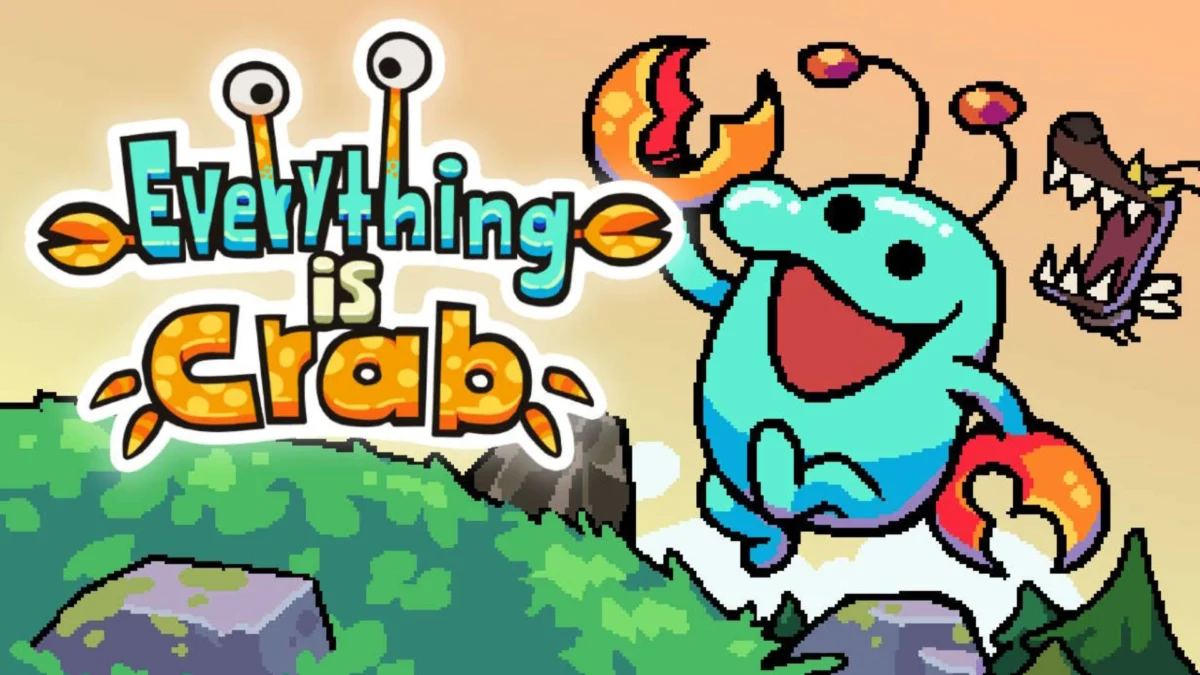
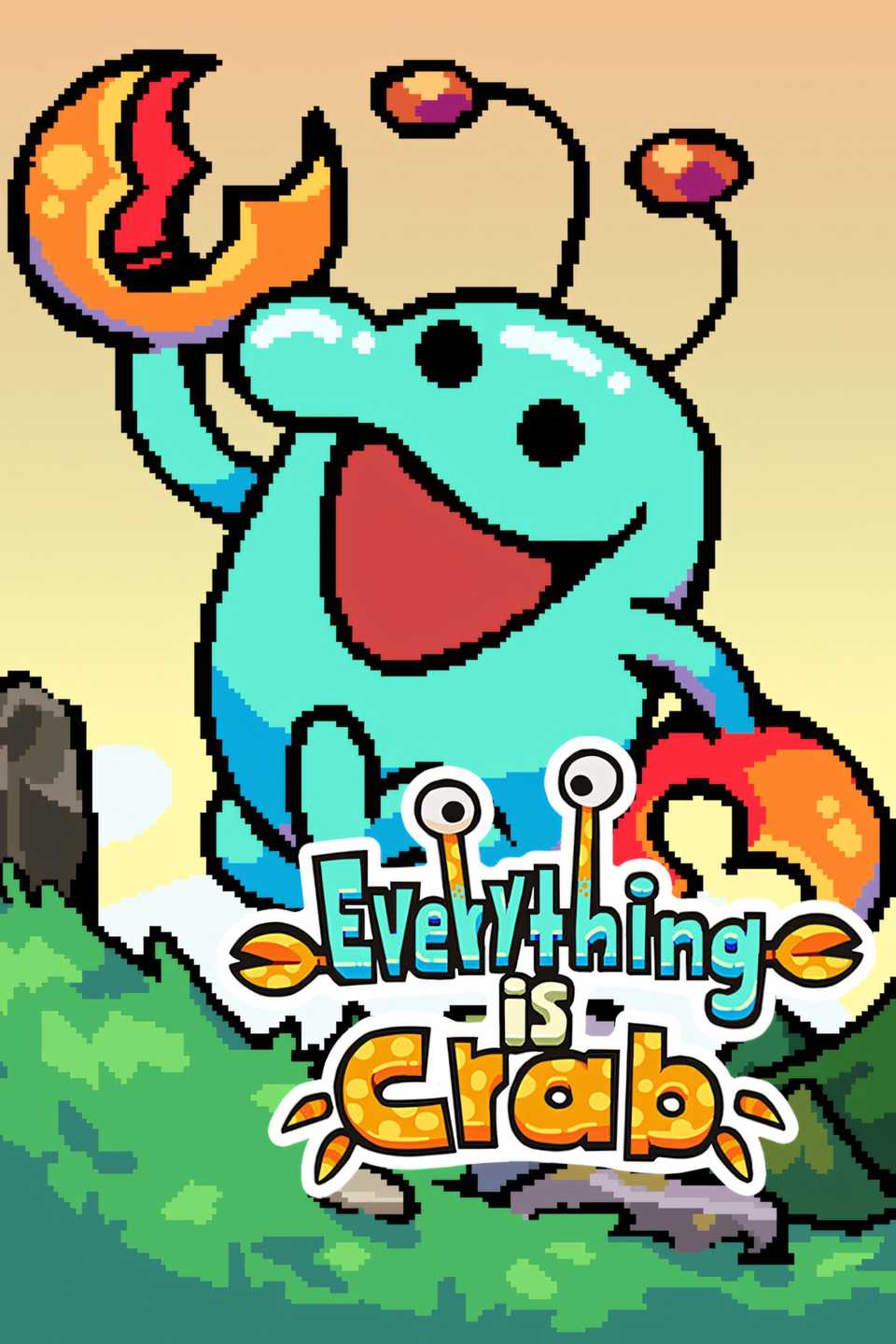
In the crowded landscape of modern roguelite gaming, where titles often struggle to find a unique identity amidst the giants of the genre, Everything is Crab arrives with a premise as peculiar as its title. Developed by Odd Dreams Digital and published by Secret Mode, the game invites players to take control of Darwin, a crustacean on a relentless path of biological mutation. While the game boasts an undeniably charming aesthetic and a clever "Spore-like" evolution system, our extensive 10-hour playtest reveals a title caught between a fascinating, high-concept core and a frustrating lack of mechanical depth.
The Premise: Survival of the Oddest
At its heart, Everything is Crab is a 20-minute-per-run roguelite that emphasizes rapid adaptation. Players must navigate a chaotic ecosystem, consuming food sources to trigger evolutionary leaps. As Darwin, you are not merely playing a crab; you are crafting a chimera. By gobbling up resources, you can graft wings, extra eyes, or tentacles onto your form. The goal is simple: survive the onslaught of increasingly hostile creatures until the inevitable boss confrontation.
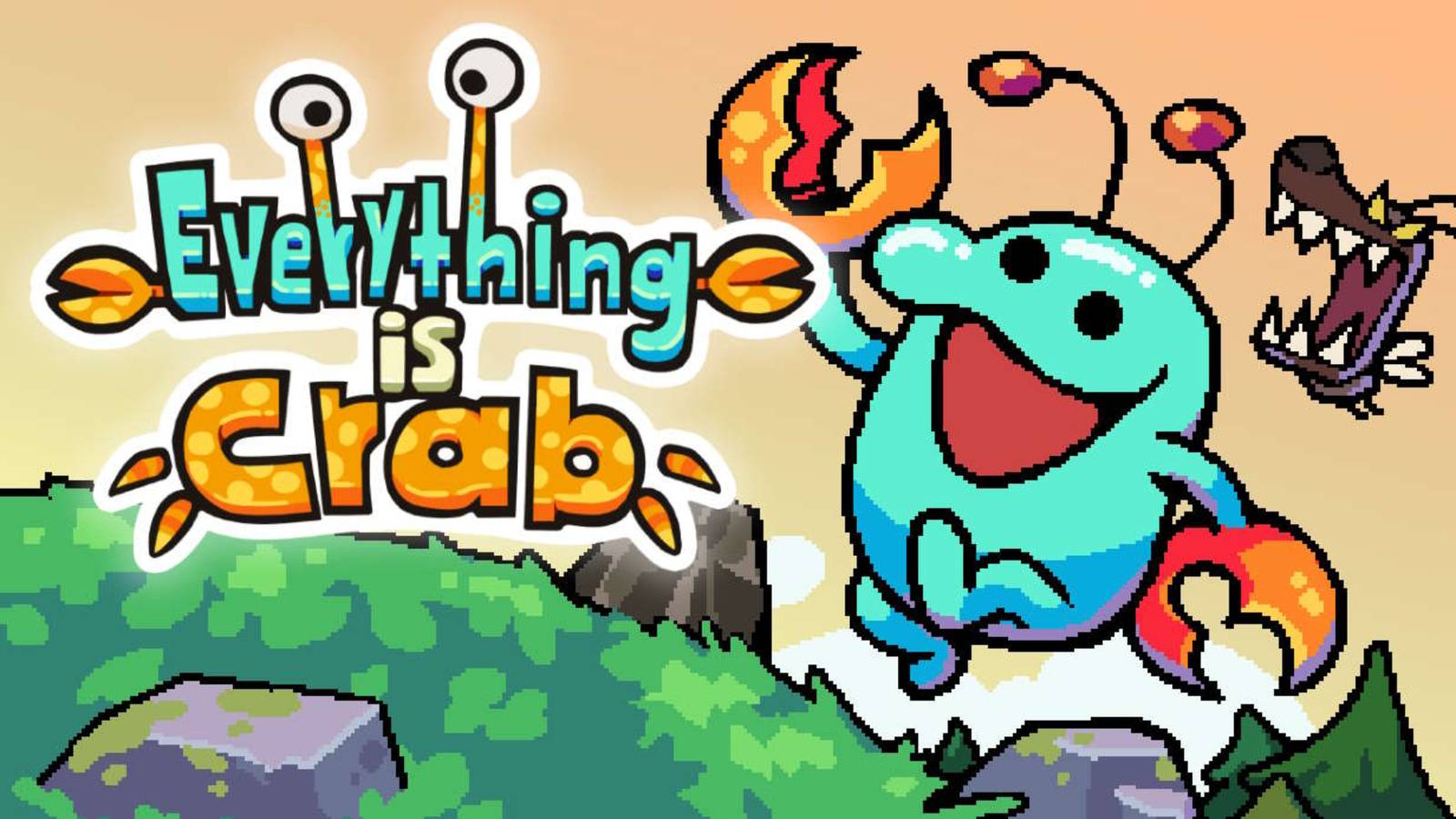
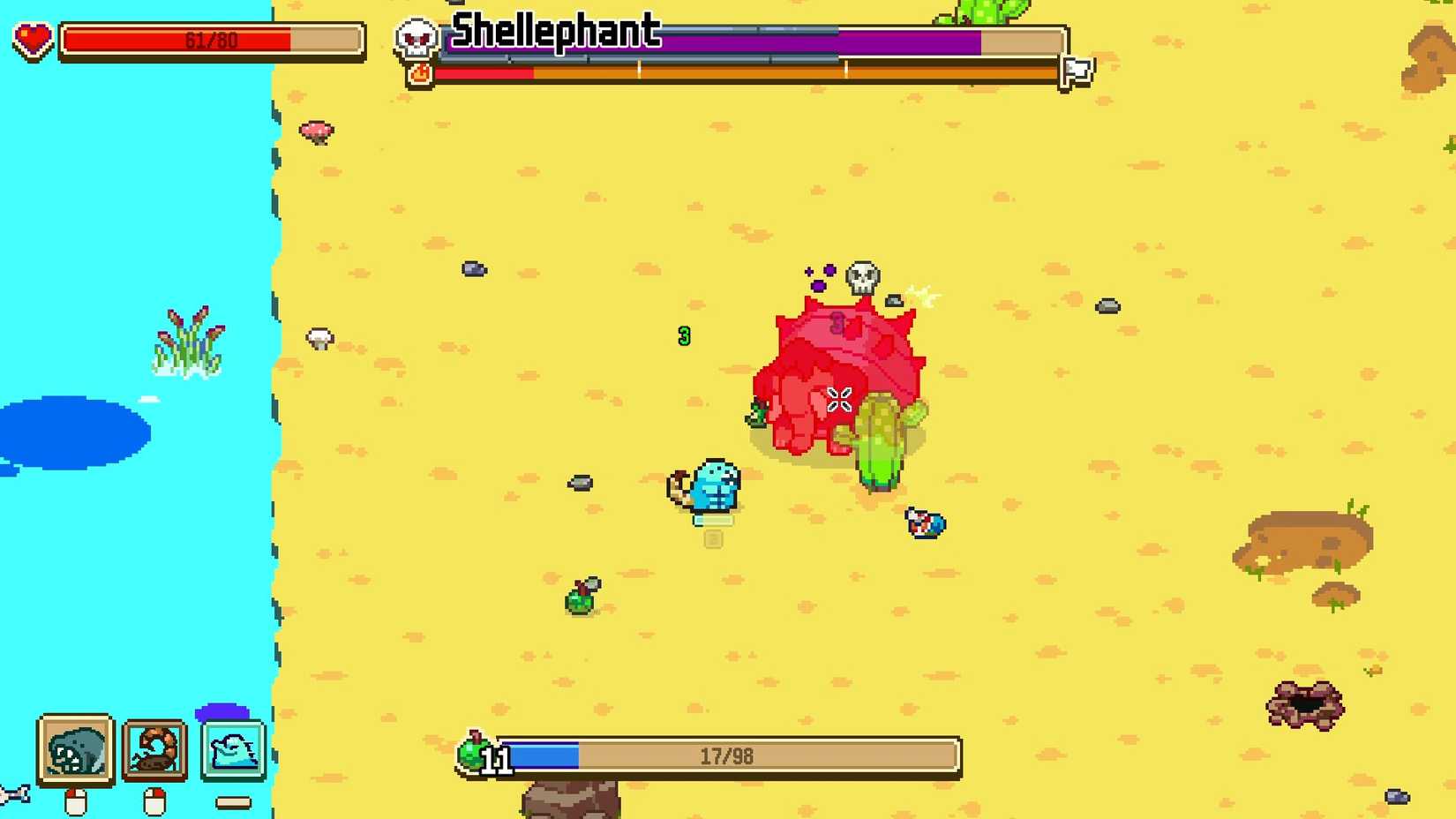
The core loop—eat, mutate, survive, repeat—is initially addictive. The game’s visual language is its strongest asset. Whether Darwin sprouts a cluster of spider legs or a singular, menacing beak, the animations remain fluid and characterful. The enemies, ranging from spindly fish-people to bulbous, stretching predators, add a layer of comedic charm to the otherwise high-stakes survival gameplay. However, once the novelty of watching your crab grow into a eldritch horror wears off, the structural cracks begin to show.
Chronology of the Experience
During our 10-hour deep dive, the progression trajectory of Everything is Crab became clear.
Phase 1: The Honeymoon Period (Hours 1–3)
The early game is characterized by discovery. Unlocking initial genetics and experimenting with the first few "Pressure" levels provides a sense of accomplishment. The visual delight of the evolving character keeps the player engaged as they learn the basic patterns of the map and the fundamental mechanics of the food-chain-based evolution system.
Phase 2: The Plateau (Hours 4–7)
By the fourth hour, the illusion of infinite variety begins to falter. Players quickly identify "meta" builds. Because the game relies heavily on size and health scaling, many of the more creative, experimental evolutions fall by the wayside. The realization sets in that, despite the vast potential for weird, randomized bodies, the gameplay effectively narrows down to a handful of optimal paths.
Phase 3: The RNG Grind (Hours 8–10)
The final phase of our testing involved pushing through higher "Pressure" levels. Here, the lack of agency becomes the primary antagonist. Because players cannot choose their starting genetics with total freedom, and because the map-based Points of Interest (POIs) are randomly generated, runs often feel decided by the "luck of the draw" rather than player skill.
Mechanical Underpinnings and Supporting Data
The game employs a meta-progression system centered on "Pressure" levels. Completing these challenges increases enemy difficulty and health pools while introducing diminishing returns on player buffs. Completing these milestones rewards the player with "Genetics"—passive perks that can be equipped at the start of a run.
The Genetics System
While the system intends to provide replayability, it suffers from severe balancing issues.
- The "Must-Pick" Problem: Some Genetics, such as health-buffing traits, are mathematically superior, making them nearly mandatory for high-level play.
- The "Dead Weight" Problem: Other traits, such as "Patient" (which forces players to skip upgrades for a chance at higher rarity), feel fundamentally broken. In a game where every second counts and survival is precarious, the risk-to-reward ratio of these traits is heavily skewed toward the player’s detriment.
The RNG Factor: Alphas and POIs
The game’s reliance on two specific mechanics—Alphas and POIs—is a point of contention. Alphas provide the Mutagen required to reroll evolutions, while POIs offer crucial stat boosts. When these elements spawn in abundance, the player is empowered. When they are scarce, the player is essentially crippled. This randomness prevents the game from reaching the tactical heights of contemporaries like Vampire Survivors, where the player has more consistent tools to mitigate bad luck.
The "Branching" Dilemma: A Lack of Depth
The most disappointing aspect of Everything is Crab is its "Branching" evolution system. Theoretically, this allows players to customize their combat style. Practically, there are only eight such branches in the entire game.
Because these branches are locked behind specific milestones and are rare to encounter, most players will see only a fraction of these options in a single run. Furthermore, the power disparity between them is stark. Tentacle evolutions often outclass movement-based branches like Wings, which provide little utility beyond speed. The lack of synergy between these branches means that the "insane combinations" players expect from a roguelite simply do not exist. You cannot, for example, build a creature that combines a high-speed dash with a projectile-based beak attack in any meaningful or synergistic way.
Official Stance and Future Outlook
Odd Dreams Digital has acknowledged the community’s feedback regarding the game’s depth. In recent communications, the development team confirmed that a roadmap for free content updates is in place. These updates are intended to address the current imbalance in evolutions and introduce new content to prevent the "repetitive loop" syndrome that currently plagues the mid-to-late game.
For a developer, the challenge is clear: they must decide if they want Everything is Crab to be a casual, pick-up-and-play experience or a deep, tactical roguelite. If they choose the latter, they must significantly overhaul the RNG mitigation systems and drastically expand the library of branching mutations.
Implications for the Roguelite Genre
The case of Everything is Crab serves as a cautionary tale for the genre. It is not enough to have a "cute" aesthetic or a "kooky" hook. The roguelite market is defined by the depth of its systems and the player’s ability to express agency through those systems.
When a game becomes "a mile wide but an inch deep," it risks alienating the very audience that sustains the genre. Players of this demographic value long-term discovery—the ability to find a build that works, to master it, and then to break it with wild, creative synergies. Everything is Crab currently offers the discovery, but it lacks the necessary mechanical breadth to sustain that interest over dozens or hundreds of hours.
Conclusion
Everything is Crab is a game of contradictions. It is visually delightful, featuring some of the most imaginative character designs in the recent indie scene, yet it feels mechanically hollow. It offers the promise of evolution, but restricts the player to a narrow evolutionary path.
For players looking for a light, 10-hour experience, the game offers plenty of charm and a few moments of genuine, comedic brilliance. However, for those seeking the next Vampire Survivors—a game with endless replayability and deep, strategic nuances—this title currently falls short. With the promised free content updates on the horizon, there is hope that Everything is Crab will evolve into the robust, complex, and delightful title it clearly wants to be. Until then, it remains a promising crustacean that is still, quite literally, finding its legs.











No comments yet. Be the first to join the conversation!