Ammar Sabilarrohman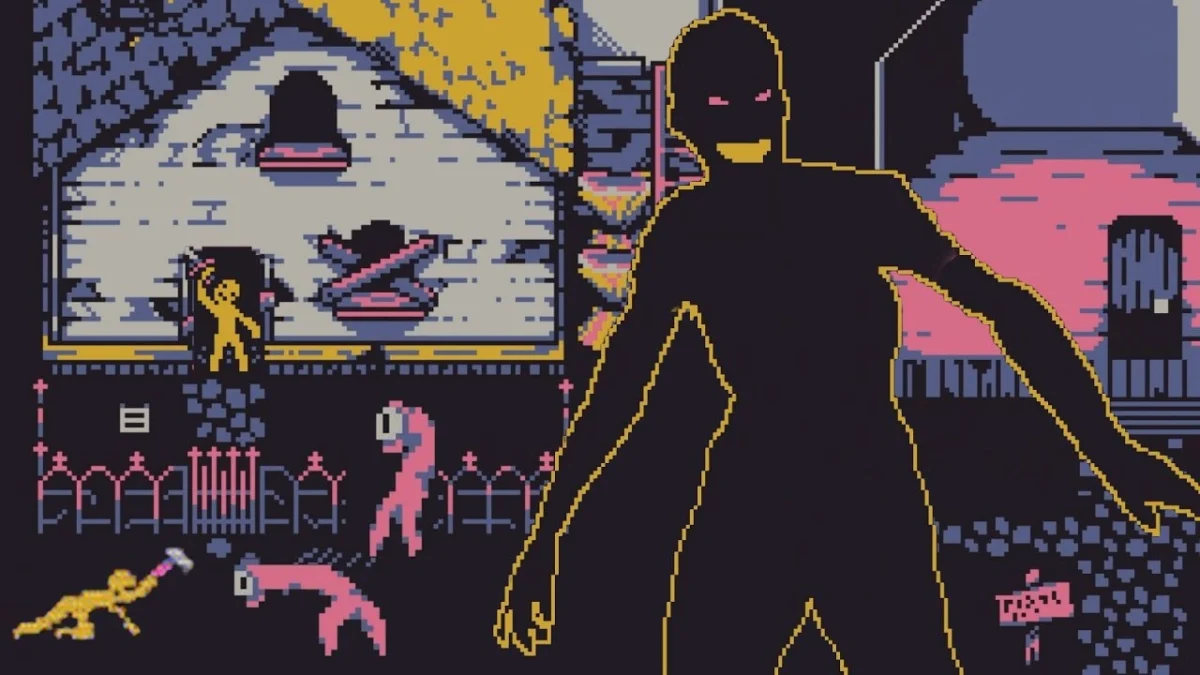
The landscape of indie gaming has undergone a tectonic shift over the last half-decade. What was once a genre defined by the pastoral serenity of Stardew Valley and Harvest Moon—titles that promised an escape into the rhythmic, meditative cycles of planting, harvesting, and community building—has been systematically dismantled and reconstructed into something far more sinister. Today, we are witnessing the rise of the "Grim-Sim": games that utilize the familiar mechanics of farm management to lure players into psychological horror experiences. The latest entry in this macabre evolution is Besmirch, a title developed by Gangru Games, which launched into Early Access today.
The Core Concept: Agriculture Meets Abomination
At its surface, Besmirch adheres to the traditional pillars of the farming simulator: you are tasked with cultivating land, managing your resources, and navigating the social intricacies of a small, isolated town. However, the similarities end the moment you look beneath the soil. In Besmirch, the crops are cursed, the town is a den of paranoia, and your employer—a mysterious, malevolent figure known as the Baron—seems to have interests far more nefarious than simple agrarian productivity.
Visually, the game opts for an 8-bit aesthetic that leans heavily into a palette of "vomit yellows," "lochia pinks," and "mouldy purples." It is a visual language that echoes the unsettling, lo-fi religious horror of FAITH: The Unholy Trinity. This stylistic choice is not merely decorative; it serves to create a pervasive sense of rot, suggesting that even the pixelated world you inhabit is decaying in real-time.
Chronology of a Cursed Development
The trajectory of the farming-horror hybrid can be traced back to a palpable shift in the indie scene around 2020. As the "cozy game" bubble expanded, developers began experimenting with subverting those expectations.
- 2020–2021: Early prototypes of "dark farming" concepts began surfacing on platforms like Itch.io and Twitter. Developers started questioning why the most comforting genre in gaming couldn’t be used to facilitate the deepest sense of dread.
- 2022–2023: Titles like Grave Seasons and Neverway began to gain traction. These games proved that the gameplay loop of "sow, wait, harvest" could be effectively overlaid with narratives of murder mysteries, eldritch deities, and survival horror.
- 2024: The announcement and subsequent launch of Besmirch represents the maturation of this sub-genre. It no longer feels like a "mod" or a "twist" on a formula, but a fully realized genre in its own right, complete with its own set of tropes, pacing, and design philosophies.
Gameplay Mechanics: The Duality of Survival
Besmirch operates on a bifurcated cycle that forces the player to manage two entirely different sets of anxieties.
The Daylight Cycle: Servitude to the Soil
During the day, the game functions as a standard, albeit bleak, farming simulator. Players must till the earth and sow seeds. However, the environment is hostile. The act of farming here feels less like a vocation and more like a desperate attempt to appease forces beyond your comprehension. The exploration element—venturing into the ruins surrounding the town or infiltrating the Baron’s mansion—serves as the primary driver for the game’s lore.
The Nocturnal Cycle: The Darkwood Influence
Once the sun sets, the game undergoes a dramatic genre shift. Borrowing heavily from the survival horror mechanics of Darkwood, the gameplay moves from cultivation to fortification. Players must retreat to their hovel, board up the windows, and wait out the night. It is a "cabin fever" simulator that tests the player’s nerves as they listen to the scratching, whispering, and thudding against their defenses, waiting for the dawn to reset the cycle.
The Anatomy of Horror: Design and Atmosphere
One of the most striking aspects of Besmirch is its monster design. The creature roster consists of "freaky little guys" and what can best be described as exploded anatomical diagrams. There is a recurring motif of the "smiling" enemy—a deliberate design choice that targets the player’s subconscious. By attaching a human expression to inhuman anatomy, the developers exploit the uncanny valley effect, ensuring that the player is never truly at ease.
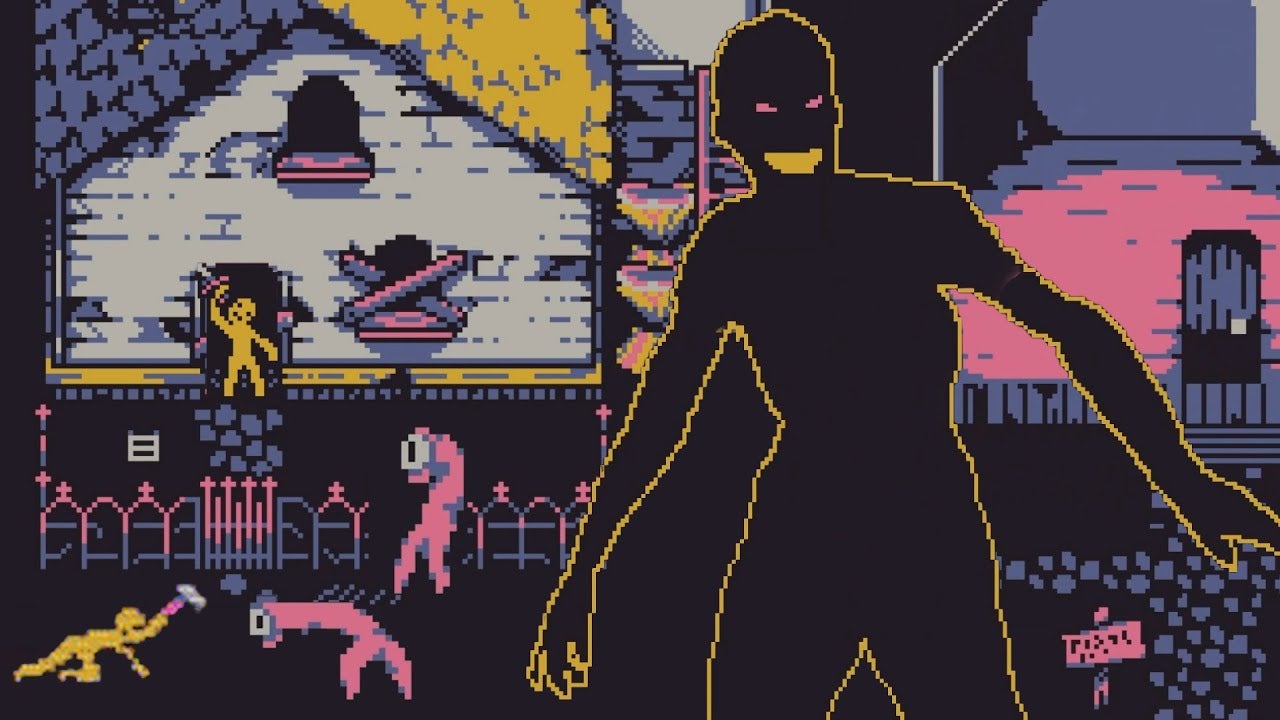
Even the User Interface (UI) participates in this psychological warfare. The HUD elements often mirror the unsettling expressions of the monsters, constantly reminding the player that they are being watched, evaluated, and potentially hunted by the very interface they use to monitor their health and inventory.
Social Engineering: Villagers and The Baron
The townspeople in Besmirch are not the quaint, heart-of-gold neighbors one might expect. They are "gibbering graduates of Please Don’t Go To Castle Dracula University," as described by early testers. Interacting with them is a high-stakes social negotiation.
According to the official Steam documentation provided by Gangru Games, the player must walk a razor-thin line between "superstition, devotion, and the secrets they refuse to share." Because the villagers are desperate, their perception of the player is poisoned. The central tension here is not just surviving the monsters, but proving to the local community that your utility as a farmer outweighs the risk of you being a potential threat. You must maintain your standing to survive, yet every interaction risks drawing you further into their web of insanity.
Implications for the Farming Genre
The emergence of Besmirch—and its contemporaries like Crop and Neverway—suggests a significant pivot in the industry. We are seeing a "darkening" of the genre that reflects a broader cultural fatigue with traditional, overly optimistic game design.
- Genre Fatigue: Players are increasingly seeking complex, high-stakes experiences even within familiar mechanics. The "cozy" label is no longer a safety net; it is a lure.
- The Subversion of Comfort: By utilizing the specific tropes of farming (the routine, the growth, the community), these games create a "false sense of security." When that security is shattered—when the crop turns out to be a sacrifice or the neighbor turns out to be a cultist—the impact is significantly higher than in a game that presents itself as horror from the start.
- The "Stardew-Like" Ecosystem: The proliferation of these games indicates that the "Stardew-like" tag has become a structural framework, similar to "Metroidvania" or "Souls-like." It defines a set of expectations regarding inventory management, time-based progression, and social nodes, which developers are now free to subvert.
Official Responses and Future Outlook
Gangru Games has been relatively tight-lipped regarding the specific narrative endgame for Besmirch, opting instead to let the atmosphere and the Early Access community drive the discourse. However, the roadmap provided for the 1.0 release indicates a commitment to deepening the "supernatural" elements of the farming loop.
While the game is currently in Early Access, the presence of a playable demo has allowed for a steady stream of feedback. Players have lauded the game’s ability to transition seamlessly between the mundanity of agricultural chores and the frantic, claustrophobic terror of nighttime survival. The developers are currently focusing on:
- Expanding the variety of supernatural crops.
- Increasing the complexity of the "Baron’s influence" system.
- Refining the AI behavior of the nocturnal creatures to ensure that no two nights feel identical.
Conclusion: A New Standard for Digital Dread
Besmirch is a sobering, terrifying, and deeply compelling addition to the farming-sim canon. It manages to capture the addictive, repetitive nature of soil cultivation while infusing it with the existential dread of a cosmic horror story. For those who find the sunny, cheerful fields of Stardew Valley too bright, or for those who simply want their harvest to come with a side of psychological trauma, Besmirch offers an experience that is as rewarding as it is disturbing.
As the industry continues to iterate on these themes, one thing is clear: the era of the "safe" farming simulator is over. In its place, we have something more complex, more sinister, and perhaps, more reflective of the modern player’s appetite for the dark and the unknown. Whether this trend will eventually consume the genre entirely remains to be seen, but for now, Besmirch stands as a testament to the fact that sometimes, the most terrifying things are the ones we grow ourselves.


 Asro
Asro
 Muslim