

By João Carrasqueira
Published May 29, 2026
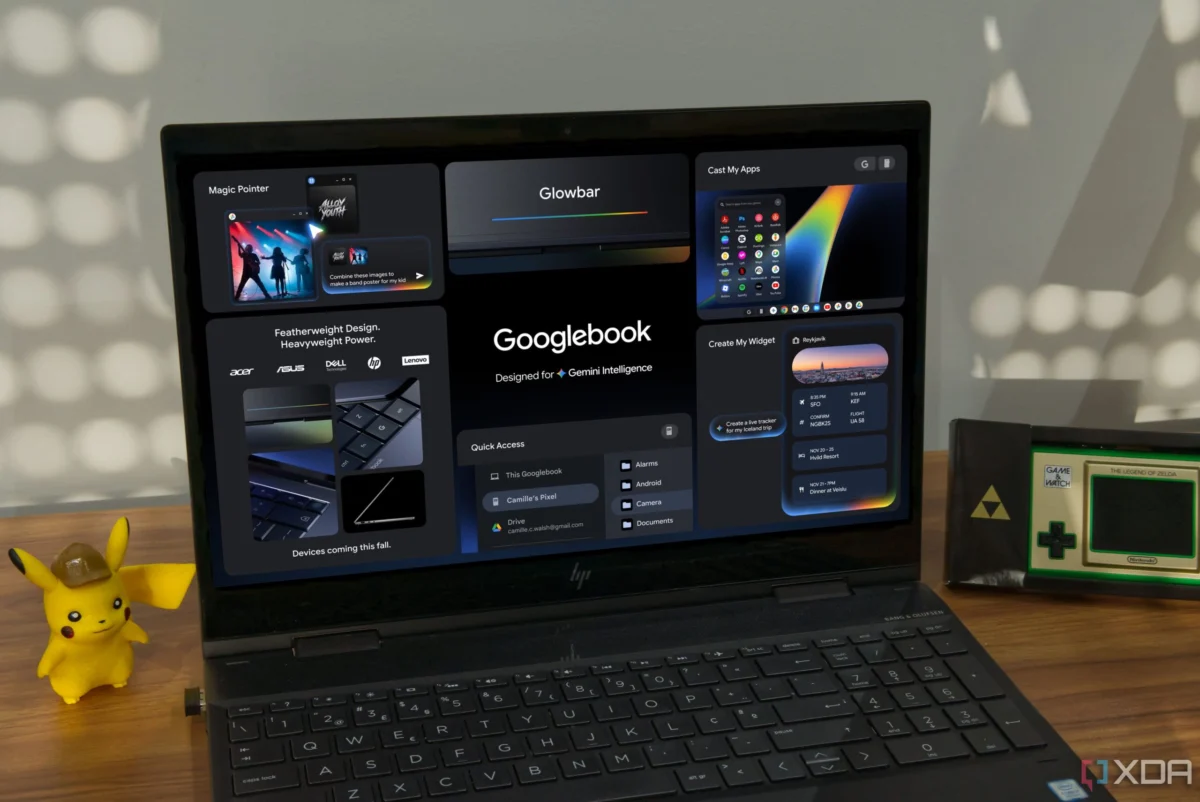
Google’s recent unveiling of the "Googlebook" platform—a bold, ambitious hybrid designed to bridge the gap between Chrome OS and Android—marks the company’s latest attempt to redefine the personal computing landscape. While Google has successfully dominated the entry-level education sector with affordable Chromebooks, it has long struggled to break into the premium, professional, and enthusiast laptop markets. With the Googlebook, the company is attempting a pivot: moving away from the "browser-in-a-box" reputation toward a modern, AI-integrated powerhouse.
However, as the dust settles on the initial announcement, a glaring disconnect emerges. Google is banking heavily on generative AI—specifically features like the "Magic Pointer"—to entice users. Yet, industry trends and consumer sentiment suggest that this strategy may be fundamentally misaligned with what modern power users actually need to get their work done.
The Core Concept: A New Era for Chrome OS
The Googlebook platform is designed to consolidate Google’s disparate operating systems into a single, cohesive ecosystem. By blending the fluidity of Android with the desktop-centric nature of Chrome OS, Google aims to provide a unified experience across hardware. The platform relies heavily on Gemini, Google’s generative AI engine, to automate tasks, assist in navigation, and provide real-time suggestions for productivity.
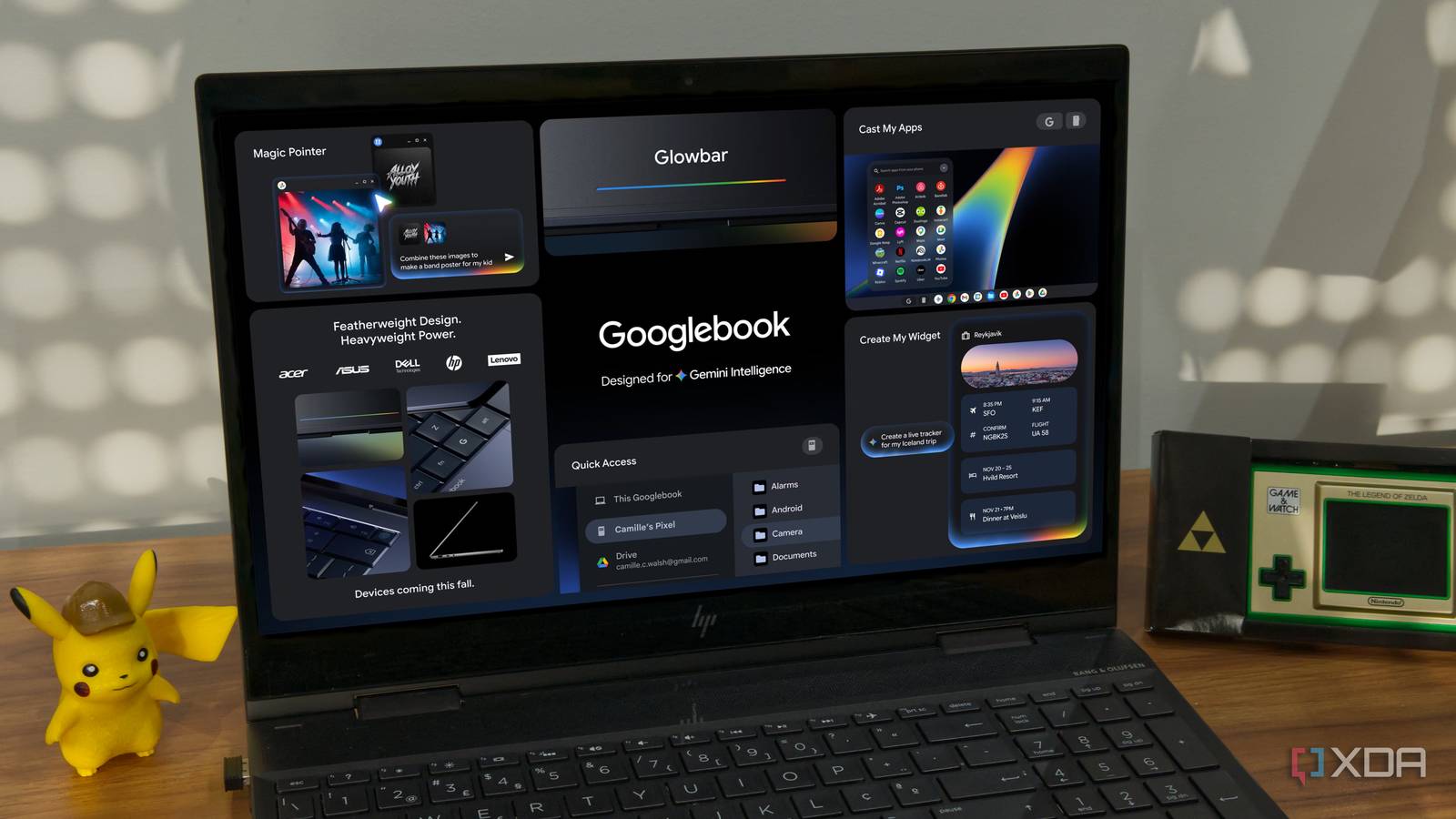
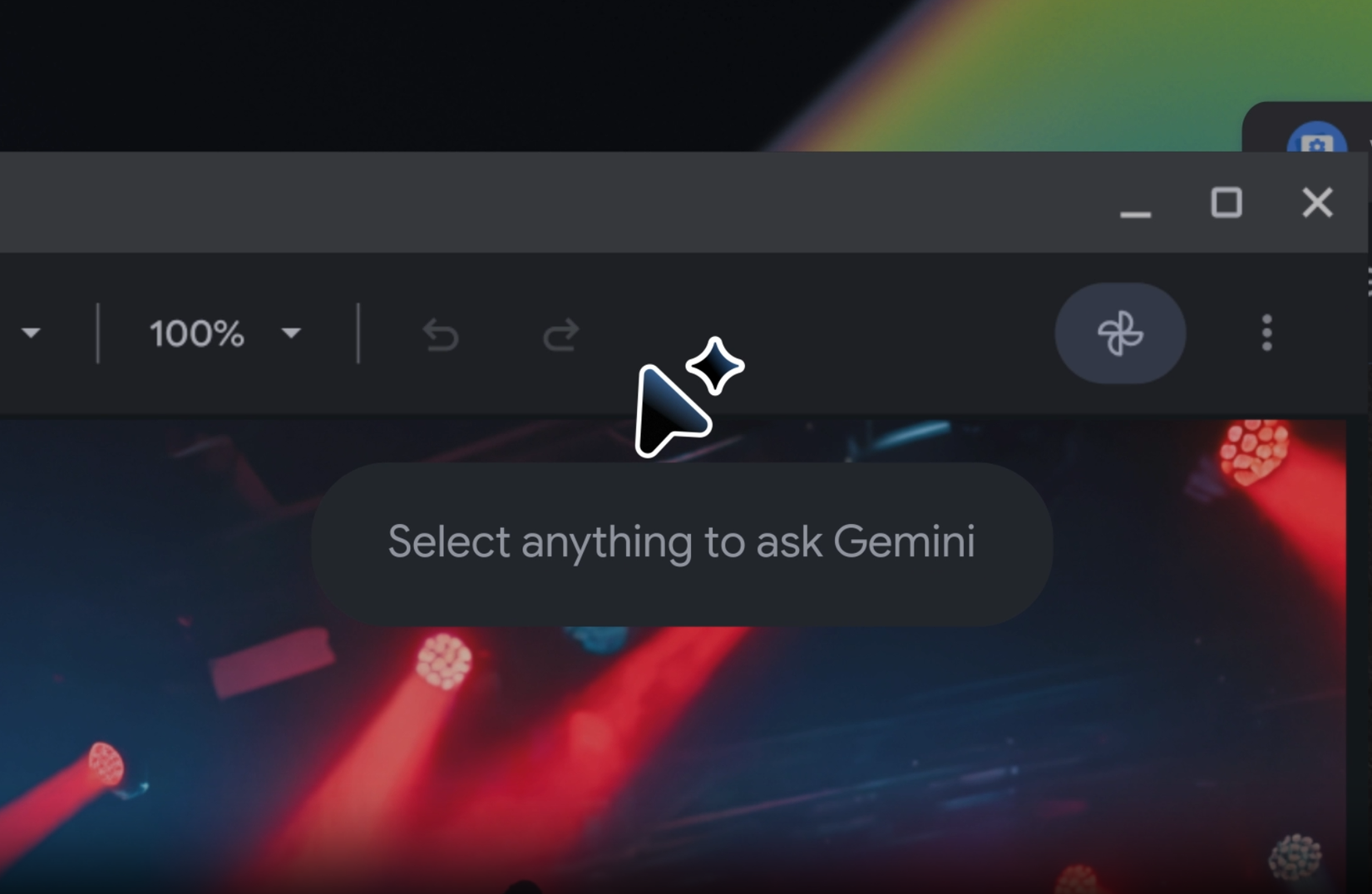
At the center of this interface is the "Magic Pointer," a tool designed to allow users to interact with their screens in a more "intelligent" way. By shaking the cursor, users trigger an AI analysis of the current screen, which then offers context-aware actions. On paper, it sounds like the next leap in computing; in practice, it is a feature looking for a problem to solve.
Chronology of a Misguided Pivot
The trajectory of Google’s hardware ambitions reveals a company attempting to force a solution onto a market that is already moving in a different direction:
- 2011–2015 (The Chromebook Era): Google gains massive traction in K-12 education by offering low-cost, web-based devices.
- 2017–2020 (The Expansion): Google introduces Android app support and Linux container support, attempting to make Chromebooks "real" computers.
- 2024 (The Copilot Wave): Microsoft launches Copilot+ PCs. Google observes the lukewarm market reaction to AI-integrated Windows laptops but doubles down on the trend.
- 2026 (The Googlebook Reveal): Google officially pivots away from the "Chromebook" branding, introducing the Googlebook platform with a central focus on generative AI and the Magic Pointer.
The AI Fatigue Factor: Why Users Aren’t Buying It
The central thesis of Google’s marketing is that users want an AI-first operating system. But look at the data. Since the 2024 launch of Copilot+ on Windows 11, consumer adoption of these AI-specific features has been sluggish. Microsoft’s "Click To Do" feature—which operates on the exact same logic as Google’s new Magic Pointer—has failed to move the needle on hardware sales.
In early 2026, major OEMs, including Dell, were forced to admit that consumers aren’t buying new laptops because of AI integration. The "AI PC" label has become a buzzword rather than a selling point. Users are not asking for their operating systems to "analyze their screen" to guess their next move; they are asking for stability, performance, and application compatibility.

When we look at the most useful AI tools today—Claude for coding, specialized note-taking AI for students, or generative image tools for designers—they all operate as third-party applications. They are tools users choose to download because they solve specific, high-friction problems. Operating system-level AI, by contrast, feels intrusive and redundant.
The Persistent Software Gap
If Google wants the Googlebook to be a viable alternative to a MacBook or a Windows laptop, it must face a cold, hard truth: users do not want "alternatives" to their professional tools; they want the tools themselves.
For years, Chrome OS has been limited by its reliance on web apps and, occasionally, clunky Android ports. If you are a professional video editor, a creative designer, or a software engineer, you need access to the industry-standard software ecosystem. You need the full version of Adobe Creative Cloud, DaVinci Resolve, or a robust IDE that doesn’t require jumping through hoops to set up in a Linux container.
The Linux Opportunity
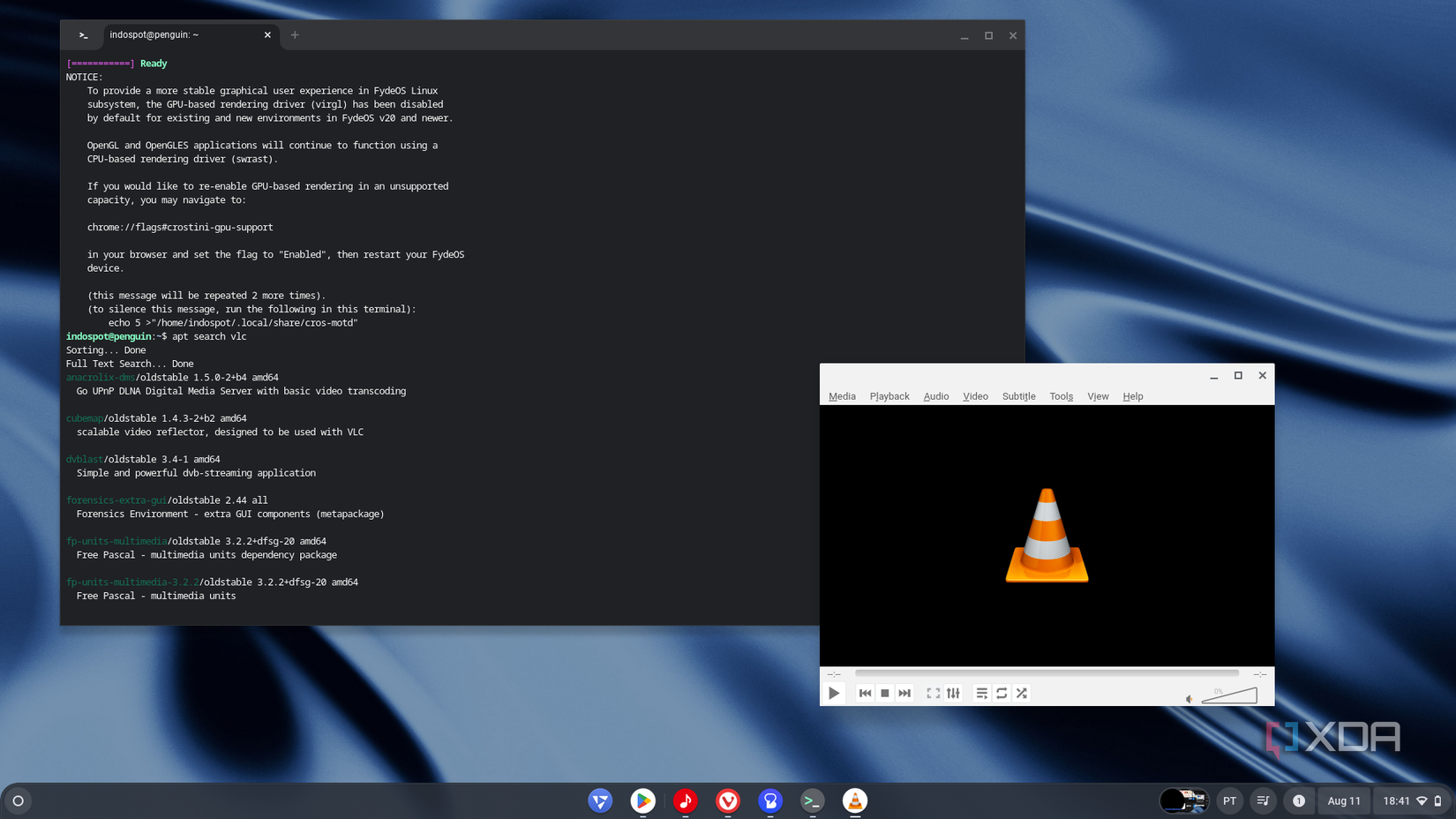
Google has long had the ability to bridge this gap through the Linux subsystem. However, by keeping it hidden behind "developer settings" and making it cumbersome to manage, Google has effectively gatekept its own platform from power users.
If Google truly wanted to revolutionize the laptop, it would stop pushing "Magic Pointers" and start pouring its billions of dollars into making the Linux subsystem seamless. It could contribute to the Wine project to improve Windows app compatibility or incentivize software developers to build native Linux versions of their flagship applications. Instead, the company remains focused on the shallow aesthetics of AI, ignoring the deep structural gaps in its software library.
Lessons from Valve: The "Proton" Blueprint
The most damning evidence against Google’s current strategy is the success of Valve’s Steam Deck. When Valve first attempted a Linux-based hardware push with the "Steam Machines" in 2015, the project failed because there were no games to play on Linux. It was an ecosystem failure.
Instead of quitting, Valve played the long game. They spent years developing "Proton," a compatibility layer that allows Windows games to run on Linux. They didn’t ask users to change their behavior or buy new, "AI-ready" software; they made the existing library of Windows games work on their hardware.
The result? The Steam Deck is one of the most successful pieces of hardware in recent history. Valve understood that the platform is only as good as the apps it supports. Google, by contrast, is asking users to switch to the Googlebook and leave their professional workflows behind in favor of a "magical" cursor.
Official Responses and Industry Outlook
In recent press statements, Google executives have doubled down, claiming that "AI is the new UI." However, industry analysts remain skeptical. While Google is currently riding the wave of massive, short-term investment in generative AI, the long-term outlook for the Googlebook depends on its ability to transcend the "budget device" stigma.
Without a significant change in strategy—one that prioritizes professional-grade software compatibility over gimmicky AI features—the Googlebook risks becoming the next in a long line of "good ideas" that failed because they ignored the actual needs of the professional user.
Implications: The Death of the "AI-First" PC
The implications for the industry are clear. We are entering a cycle where hardware manufacturers are increasingly out of touch with the actual requirements of their user base. By forcing AI into the OS, they are cluttering the user experience and driving up hardware costs without providing commensurate value.
If Google truly wants the Googlebook to succeed, it must pivot from the "AI-as-a-feature" mentality to an "AI-as-a-utility" approach. This means:
- De-emphasizing OS-level AI: Make it a background task, not a central selling point.
- Unlocking the Desktop: Stop treating Linux as a "developer" niche and turn it into a first-class citizen for high-end applications.
- App Compatibility: Partner with major industry software developers to ensure native performance, rather than forcing users to rely on web-based workarounds.
Ultimately, users don’t care about the AI inside their laptop; they care about what they can create with it. If the Googlebook continues to prioritize the former over the latter, it will likely follow the path of its predecessors: relegated to the classroom, while the rest of the world sticks to the platforms that actually do the work.












No comments yet. Be the first to join the conversation!