

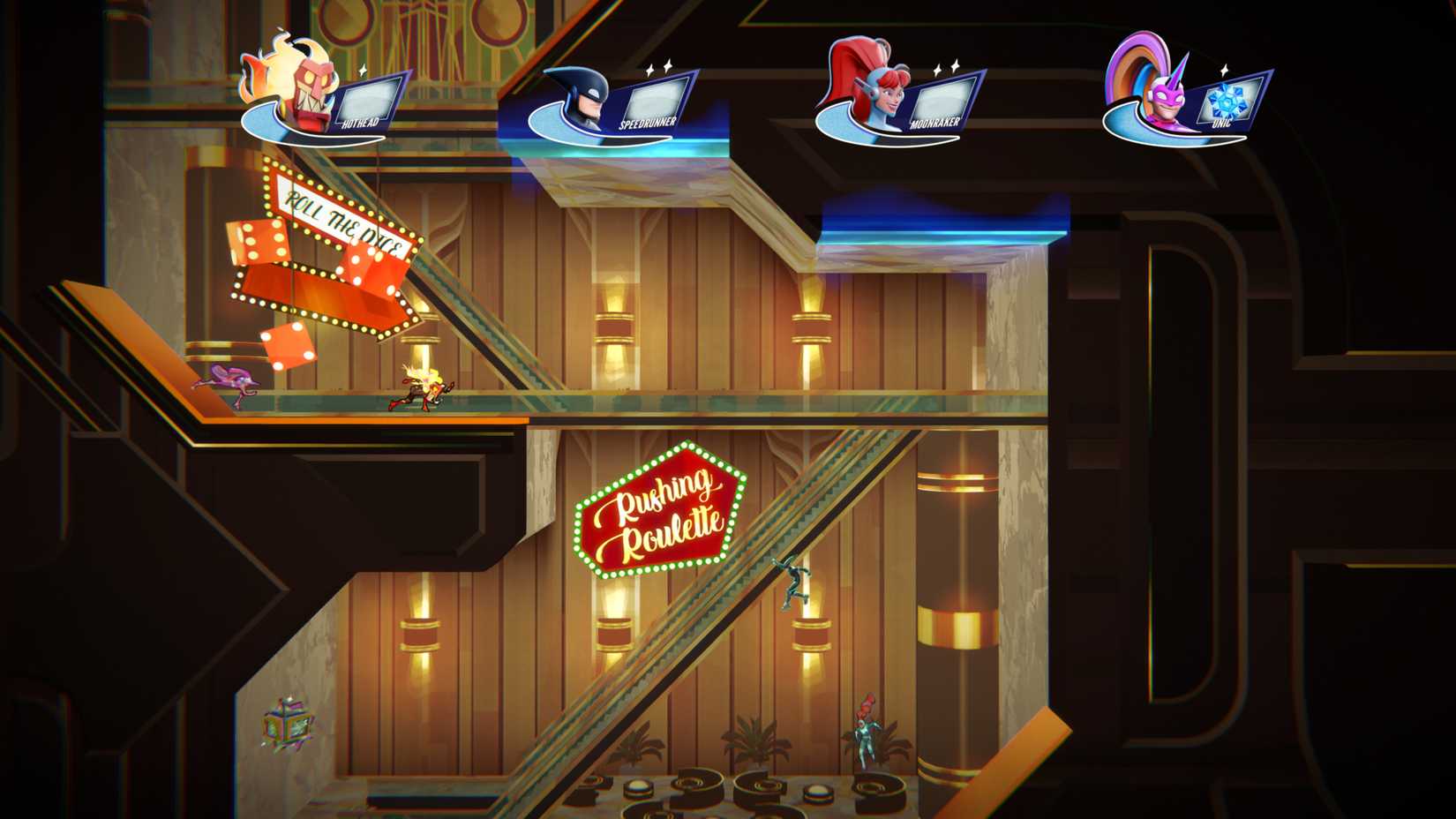
In the ever-shifting landscape of the video game industry, few companies have managed to maintain the consistent, disruptive presence of tinyBuild. Celebrating its 15th anniversary this year, the publisher has evolved from a small, developer-led outfit into a powerhouse known for hit franchises like Hello Neighbor, Graveyard Keeper, and SpeedRunners.
As the market faces unprecedented levels of saturation—with thousands of titles vying for attention every year—the role of a publisher has become more critical than ever. We recently sat down with tinyBuild CEO Alex Nichiporchik to discuss the philosophy of "non-transactional" publishing, the science of viral marketing, and how the studio navigates the complex, data-driven waters of the modern indie scene.
The Foundation: From Developer to Publisher
To understand tinyBuild, one must look at its origins. The company didn’t start in a boardroom; it started in the trenches of development. Nichiporchik’s background as a creator informs every decision he makes today.
"I think [our perspective] definitely stems from being developers first," Nichiporchik explains. "There’s a lot of baggage that comes with working on your game for three years with limited funding, the stress of balancing a job, and the uncertainty of the market. When we launched No Time to Explain on Steam, it gave us the capital to scale, but it was a terrifying moment. I didn’t want to spend another two to three years in development hell hoping to hit the market correctly again."

This experience led to the company’s signature "hands-on" approach. Unlike traditional publishers that act as mere financiers, tinyBuild positions itself as a partner that is deeply involved in play-testing, marketing, and creative refinement.
Chronology of a Publishing Powerhouse
The journey of tinyBuild is marked by a series of pivots that challenged industry norms. The company’s rise was cemented by the runaway success of Hello Neighbor. What began as a project with a significant budget and high risk for the company eventually transformed into a multimedia empire, spanning nine games, books, and merchandise.

"It was a difficult project," Nichiporchik recalls. "We essentially bet the company on that game. After a year of production, we folded most of it and rebuilt it in three and a half months. It wasn’t a hit on Steam initially—it found its audience as younger players migrated to the platform over the years. We had to decide: do we do a sequel, a spin-off, or a book? I decided to do all of them at once. It was a nightmare to manage, but it paid off."
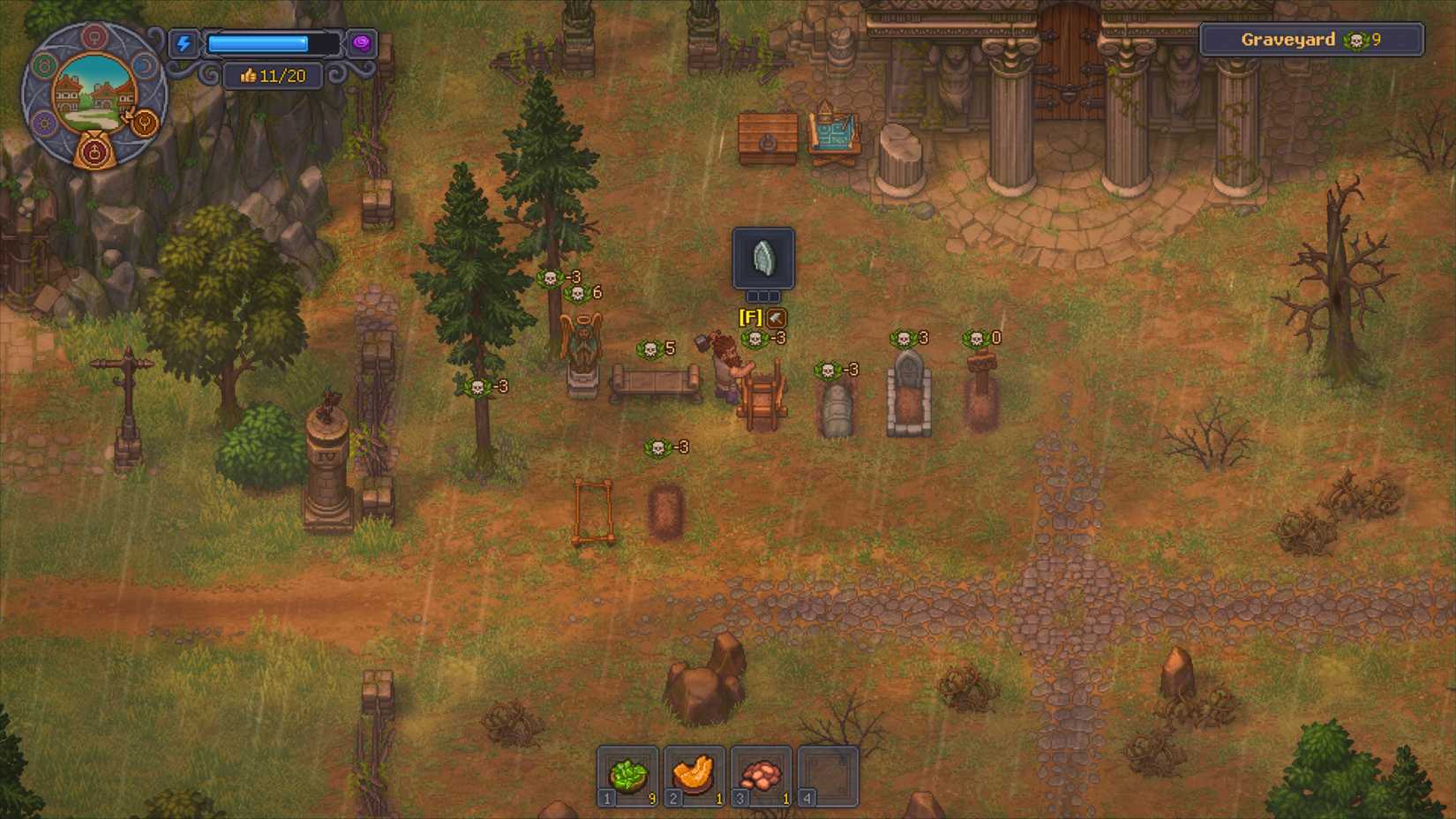
The company’s recent focus on Graveyard Keeper 2 represents a new chapter. By leveraging the original game’s massive wishlist, the team executed a daring marketing move: giving away the original Graveyard Keeper for free. This gambit, which many on the team initially doubted, resulted in a massive surge of interest and over half a million dollars in DLC revenue during the announcement phase, proving that data-backed risks can yield significant rewards.

Data as a Creative Tool
In an era where "creative control" is often treated as a sacred cow, tinyBuild advocates for a more collaborative, data-informed process. Nichiporchik is refreshingly transparent about this, noting that the company isn’t afraid to tell developers when a feature simply isn’t working.
"We do get creatively involved," he says. "We’ll tell you when something doesn’t work, we’ll tell you what people do like, and we’ll do a lot of play-testing. It’s a collaborative process. We’re in this together. I know it’s popular to say you give total creative control to teams, but we believe in a data-based approach that helps the product reach its potential."

This philosophy extends to their market analysis. Citing Valve’s recent GDC data—which suggests that only a fraction of the tens of thousands of games released annually make a meaningful impact—the team uses this to manage expectations. For new intellectual property, the focus is on "market validation": testing visuals and concepts early to see what hooks an audience before committing to a full-scale launch.
The Shift Toward "Early Access" and Player Agency
Perhaps the most significant change in the industry over the last 15 years, according to Nichiporchik, is the rise of early play-testing.
"The biggest shift has been the ability to play games early," he notes. "In the past, you had the ‘pre-rendered trailer’ era, where you hoped the final product matched the hype. Today, players are much more critical. You have to show your product early. We’ve had games where, a year into production, we realized features didn’t work. Because we were play-testing, we could pivot and adapt on the fly. It’s a very interesting time to be in the industry because you don’t have to wait three years between evolutions."
For indie developers struggling to find their footing, Nichiporchik offers a clear piece of advice: Shipped builds matter. "If you have shipped games before, put that at the forefront, even if they weren’t successful. Having shipped a game—even a small prototype or a game jam entry—proves you know what it’s like to get a product into people’s hands."

Implications for the Future of Indie Gaming
As the "TikTok generation" of gamers demands more immediate gratification and accessibility, tinyBuild is adjusting its pipeline accordingly. The company is already looking months, even years, ahead, mapping out marketing initiatives that differ from the current strategies.
"There is no harm in sharing what we did yesterday," Nichiporchik says regarding his openness about the company’s "secret sauce." "If your job is really interesting, you might as well share your findings. Some stunts we’ve pulled, like the Graveyard Keeper giveaway, you can only do once. But talking about them inspires the next wave of creativity."
The success of tinyBuild suggests that the future of indie publishing lies not in passive investment, but in active, collaborative, and data-driven partnership. By treating developers as partners rather than assets and by embracing the volatile nature of the modern market, tinyBuild has created a roadmap for sustainability.
As they look toward the next 15 years, the company remains committed to its core ethos: if you build the track while the train is moving, you must be prepared to adjust your speed and direction whenever the terrain changes. For aspiring developers, the message is clear: validate your ideas early, be ready to iterate, and never underestimate the value of a shipped product.
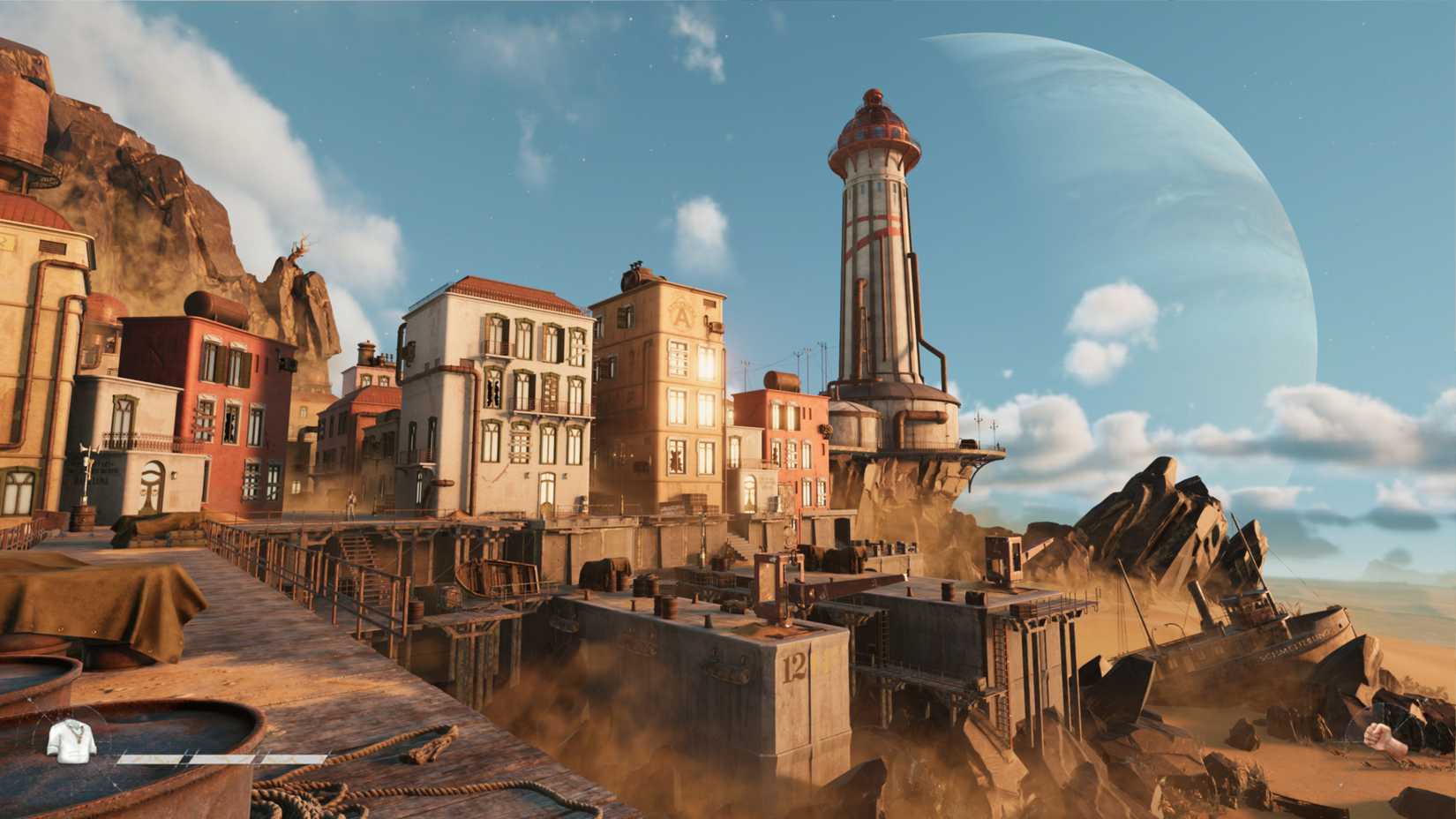
In a world where thousands of games are fighting for survival, tinyBuild continues to prove that success isn’t just about making a game—it’s about making sure that game finds the people who were waiting for it all along.









No comments yet. Be the first to join the conversation!