

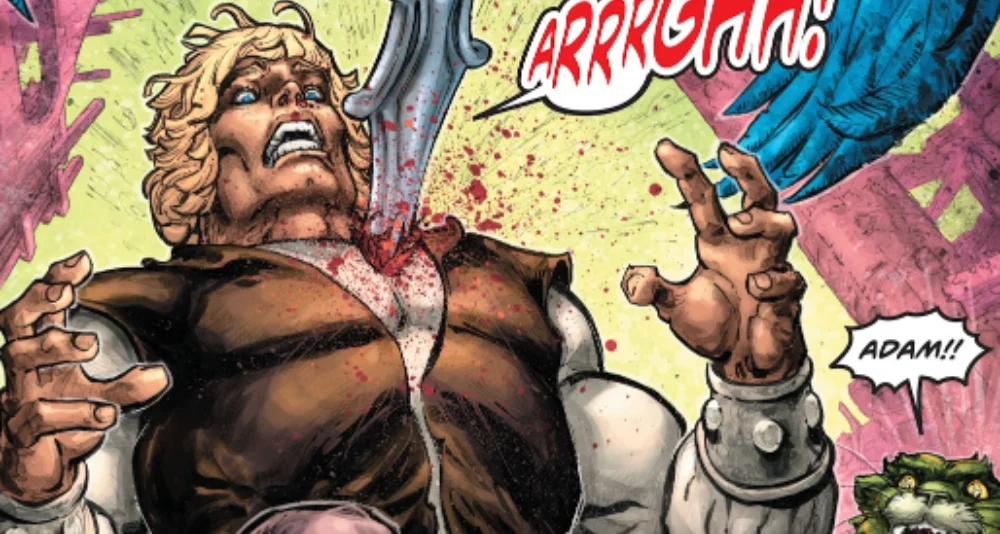
The world of pop culture is mourning the loss of a true titan of industry. Roger Sweet, the prolific Mattel designer whose imagination laid the foundation for one of the most successful toy franchises in human history, has passed away at the age of 91. His death marks the end of an era for the Masters of the Universe (MOTU) fandom, a community that spans generations and continues to shape the landscape of modern entertainment.
Sweet’s passing follows a long, courageous battle with dementia, a condition that severely impacted his final years. His health complications were compounded by a series of brain bleeds resulting from a fall, leading to a period of financial and physical hardship. In a testament to the lasting impact of his work, the global community of He-Man collectors and fans rallied behind him, raising approximately $94,000 through a GoFundMe campaign initiated by his wife, Marlene, to ensure he received the care he deserved.
A Legacy Built in Industrial Design
Before he became a household name in the toy industry, Roger Sweet was a master of form and function. A graduate of Miami University in Ohio and the prestigious Institute of Design in Chicago, Sweet did not begin his career by sculpting barbarian warriors. Instead, he spent his formative professional years in the rigorous world of industrial design.
His early portfolio included contributions to major corporate projects that defined the aesthetic of the 20th century. He worked on the interior designs of the Boeing 747, bringing comfort and efficiency to the dawn of mass air travel. Furthermore, his keen eye for consumer-facing branding helped shape the iconic packaging for household staples like Scope mouthwash and Downy fabric softener. This background in industrial design—understanding how objects interact with human users—would eventually become the secret ingredient to his success at Mattel.
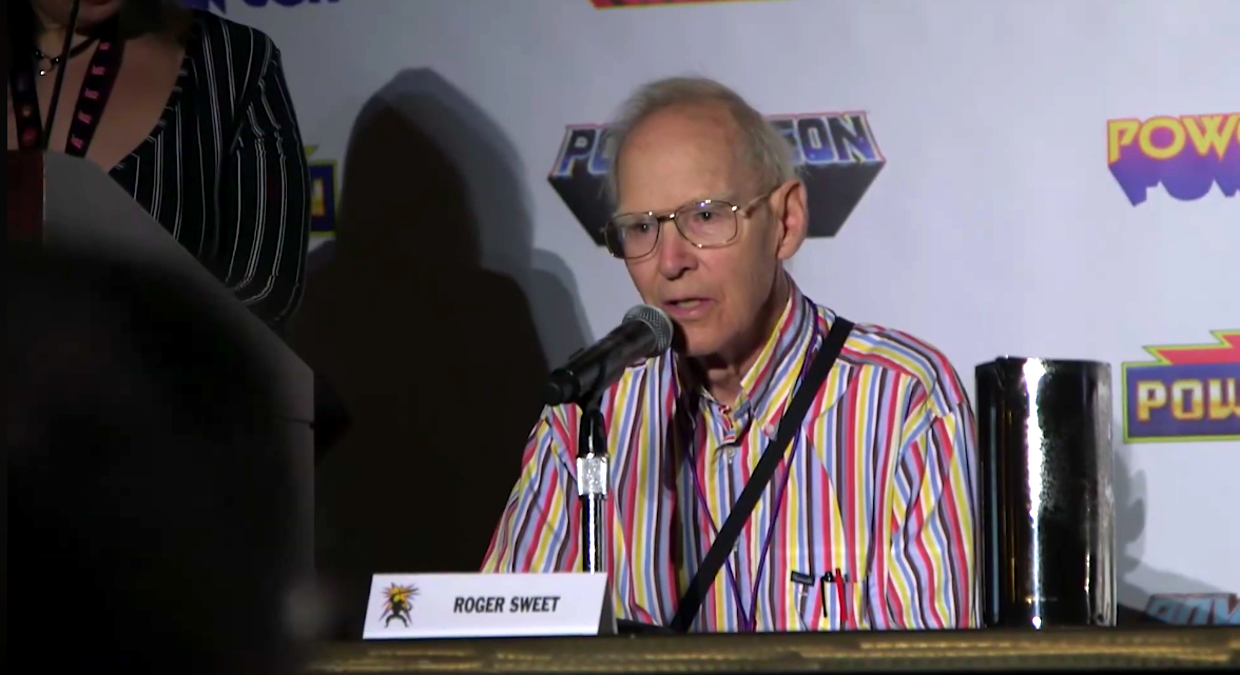
The Mattel Years: A Shift in Strategy
Sweet joined the ranks of Mattel in 1972, a time when the toy giant was aggressively expanding its product lines. Initially tasked with designing accessories for the ubiquitous Barbie line and working on various small-scale motorized toys, Sweet’s trajectory changed permanently when he was promoted to lead designer in the company’s Preliminary Design Department.
In this role, Sweet was tasked with generating "seed ideas"—the rough, unpolished prototypes that served as the spark for entire toy lines. These prototypes were the lifeblood of the engineering department, providing the necessary creative blueprints for mass production. It was here that Sweet found his calling, blending the artistic flair of a sculptor with the practical sensibilities of an industrial designer.
The Birth of the Masters of the Universe
The origin story of He-Man is one of the most famous anecdotes in toy history. In the late 1970s, Mattel famously declined the opportunity to produce merchandise for George Lucas’s Star Wars, a move that quickly solidified its reputation as one of the most catastrophic business decisions in history. With the toy aisle dominated by space-faring heroes, Mattel scrambled to regain its footing and capture the imaginations of young boys.
By 1980, the pressure to deliver a hit was immense. Roger Sweet was tasked with spearheading the development of a brand-new line. He returned to his desk and crafted three distinct prototypes: a rugged soldier, a futuristic spaceman, and a powerful, sword-wielding barbarian. It was the barbarian that resonated with the design team and executives alike. Sweet understood that the market needed something raw, powerful, and escapist.
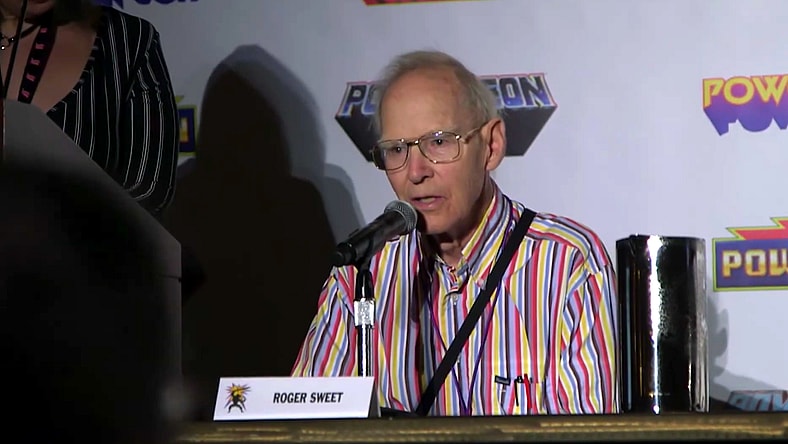
That barbarian prototype was the genesis of He-Man.
Contested Origins and Collective Creativity
While Sweet is widely credited with the core concept of He-Man, the history of Masters of the Universe is a complex tapestry of collaboration. As the franchise grew into an "expanded media empire," the credit for its creation became a point of professional discourse.
The world of Eternia—with its bizarre mix of high-tech machinery and low-fantasy magic—was not the work of one man alone. The late Mark Taylor, another legendary designer, was instrumental in bringing characters like Skeletor, Beast Man, and Teela to life. While Sweet established the foundational archetype of the hero, Taylor provided the visual lexicon for the villains and supporting cast that made the world feel lived-in and dangerous.
The subsequent evolution of the franchise—from the iconic Filmation animated series to the live-action Cannon film adaptation—involved a massive array of writers, filmmakers, and artists. Each contributor added layers of lore, mythology, and character depth, transforming a simple piece of plastic into a cultural institution that has survived for over four decades.
Chronology of an Icon
- 1933: Roger Sweet is born.
- Early 1970s: Graduates from Miami University and the Institute of Design; begins career in industrial design.
- 1972: Joins Mattel, initially working on Barbie accessories and motorized toys.
- 1980: Pitches the "barbarian" prototype that would become He-Man, following the company’s missed opportunity with Star Wars.
- 1982: Masters of the Universe toy line officially launches, becoming an instant, unprecedented success.
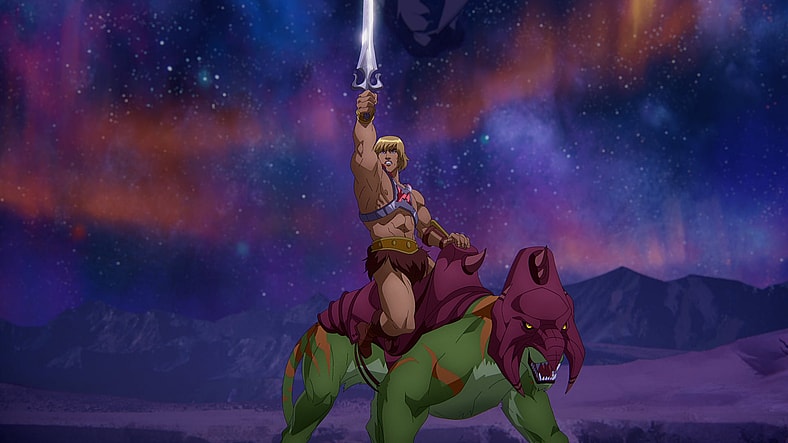
- 2019: Sweet appears at Power-Con, engaging with the fanbase and discussing his design philosophy.
- 2024: Roger Sweet passes away at 91 after a battle with dementia.
Implications for the Future of Fandom
The death of Roger Sweet serves as a poignant reminder of the fragility of the pioneers who built the entertainment landscape we enjoy today. The outpouring of financial support from the fan community during his illness underscores the deep emotional connection between the creator and the consumer. For many, He-Man was not just a toy; it was a symbol of strength and agency during their formative years.
As the industry looks forward, with new films and television projects in development, the legacy of Roger Sweet remains the bedrock upon which everything else is built. The "core concept" he presented in 1980 has proven to be incredibly resilient, capable of being reimagined for every new generation without losing its fundamental appeal.
A Final Reflection
Roger Sweet’s journey from designing airline interiors to shaping the childhood dreams of millions is a testament to the power of design. He understood that toys were more than just plastic; they were conduits for storytelling.
While the upcoming film projects and modern iterations of the franchise will inevitably evolve, they will do so standing on the shoulders of the man who first envisioned a barbarian standing tall on a distant planet. Roger Sweet may no longer be with us, but every time a child picks up a sword and imagines themselves as the most powerful person in the universe, his legacy continues. He-Man may be a fictional hero, but the impact Roger Sweet had on the world of play is, and will remain, very real.
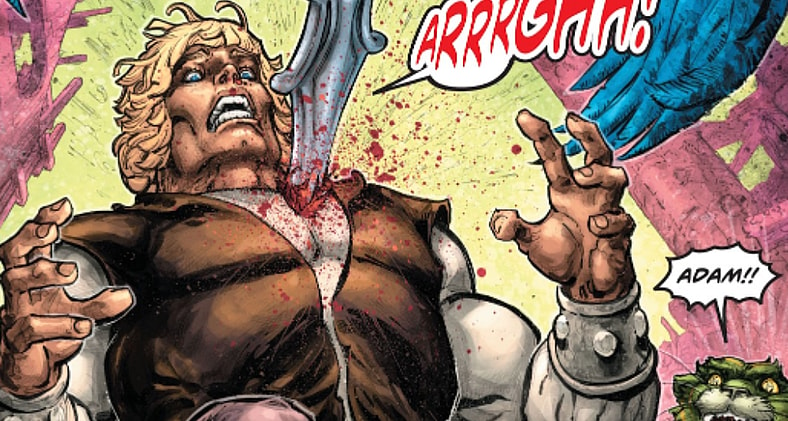
The industry, and the millions of fans who grew up in the shadow of Castle Grayskull, owe a debt of gratitude to the man who dared to imagine a hero for the ages. Rest in peace, Roger Sweet. You have left your mark on the universe.









No comments yet. Be the first to join the conversation!