

SEO Keywords: Shift Up, Stellar Blade 2, self-publishing, game development, South Korea, Shinji Mikami, Unbound, console gaming, IP strategy, marketing, gaming industry.
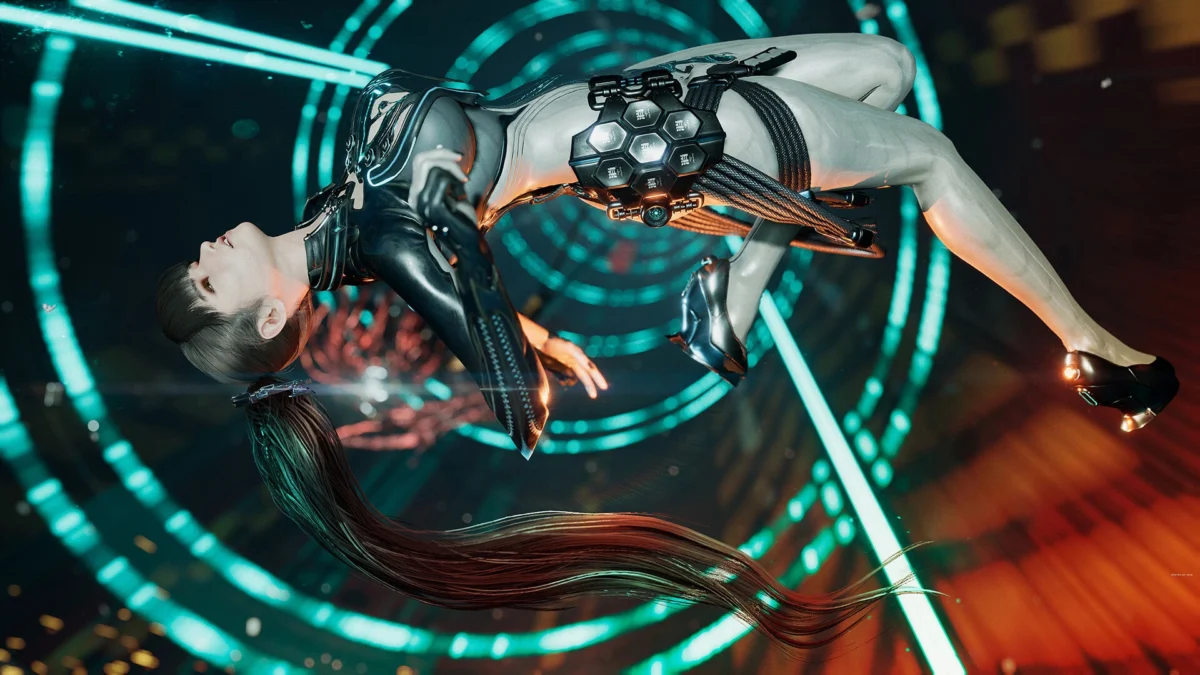
Seoul, South Korea – In a significant strategic pivot, South Korean developer Shift Up has announced its intention to self-publish the highly anticipated sequel, Stellar Blade 2. This bold move, revealed during a recent investor briefing, marks a decisive step for the burgeoning studio, signalling a desire for greater autonomy and direct engagement with its global player base following the successful launch of its PlayStation 5 exclusive, Stellar Blade. The decision underscores Shift Up’s growing confidence in its development prowess and its vision for leveraging its intellectual property (IP) to its fullest potential.
"This will allow us to lead marketing strategies that reflect the distinctive identity of the IP," stated a Shift Up representative, highlighting the core motivation behind the transition. The company plans to adopt a "first-party service model" for Stellar Blade 2 and future projects, a strategy typically reserved for established industry giants. This shift is set to redefine Shift Up’s position in the competitive global gaming landscape, moving it from a developer reliant on publishing partners to a fully integrated content creator and distributor.
The Strategic Shift: Self-Publishing and IP Control
Shift Up’s announcement of self-publishing Stellar Blade 2 is more than just a procedural change; it represents a profound strategic reorientation designed to maximize the impact and profitability of its intellectual properties. By embracing a "first-party service model," Shift Up aims to exert complete control over every facet of the game’s journey, from development to marketing, distribution, and post-launch support. This level of autonomy is increasingly sought after by successful developers eager to shape their brand narratives directly and foster closer relationships with their communities.
Details of the "First-Party Service Model"
The "first-party service model" implies a comprehensive approach where Shift Up will handle all aspects traditionally managed by a publisher. For Stellar Blade 2, this means:
- Marketing Strategy: Shift Up will be solely responsible for crafting and executing global marketing campaigns. This allows for bespoke messaging that truly resonates with the game’s unique identity and target audience, rather than being filtered through a publisher’s broader portfolio or marketing priorities. The initial quote, "This will allow us to lead marketing strategies that reflect the distinctive identity of the IP," directly speaks to this aspiration for unadulterated brand communication.
- Distribution Channels: While Stellar Blade was a PlayStation 5 exclusive published by Sony Interactive Entertainment, self-publishing for Stellar Blade 2 opens doors for Shift Up to explore diverse distribution avenues in the future, potentially including PC or even other console platforms, although specifics remain to be seen. This provides flexibility and the potential to reach a wider global audience without publisher constraints.
- Player Engagement and Feedback: Direct communication channels will be established, allowing Shift Up to gather feedback, conduct community events, and build a more loyal and engaged player base. This iterative process, free from intermediary influence, can lead to a more responsive development cycle and a game that truly evolves with its community.
- Revenue Maximization: Perhaps the most compelling financial incentive, self-publishing allows Shift Up to retain a significantly larger share of the revenue generated from game sales and any subsequent monetization (e.g., DLC, microtransactions). This increased financial leverage can then be reinvested directly into future game development, talent acquisition, and technological advancements, fostering sustainable growth.
Lessons from Stellar Blade’s Launch
The decision to self-publish Stellar Blade 2 is a direct consequence of the first game’s performance and the valuable insights gained from its launch. Shift Up reported "steady sales" for Stellar Blade since its April 2024 release, indicating a strong commercial success that likely exceeded initial expectations for a new IP from a studio primarily known for mobile titles. This success, coupled with the establishment of a "strong fandom and evergreen IP status," has provided the necessary confidence and financial stability for Shift Up to take this momentous leap.
Stellar Blade‘s launch, while benefiting from Sony’s marketing muscle and PlayStation’s established console ecosystem, also demonstrated the inherent value and appeal of Shift Up’s creative vision. The game garnered significant attention for its distinctive art style, engaging combat, and compelling narrative, cultivating a passionate community that proved the IP’s viability. By observing how players reacted, what aspects resonated most, and where potential improvements could be made, Shift Up has a clearer roadmap for future iterations. The experience of working with a major publisher like Sony also likely provided an invaluable learning curve in navigating the complexities of console game launches, preparing them for the challenges of self-publishing.
Chronology of Shift Up’s Ascent
Shift Up’s journey to becoming a prominent player in the global gaming industry has been marked by strategic innovation and a keen understanding of evolving market trends. From its origins as a mobile game developer, the company has steadily expanded its ambitions, culminating in its bold foray into high-fidelity console gaming.
Founding and Early Successes
Founded in 2013 by renowned artist and game designer Kim Hyung-tae, Shift Up quickly established itself as a creative force in the South Korean mobile gaming market. Kim Hyung-tae, known for his distinctive character designs and artistic vision in titles like Magna Carta and Blade & Soul, brought a unique aesthetic sensibility to the mobile space.
Shift Up’s initial breakout success came with Destiny Child, a collectible card role-playing game (CCG RPG) launched in 2016. The game, praised for its captivating artwork and engaging gacha mechanics, quickly garnered a dedicated player base in Asia. Building on this foundation, Shift Up launched Goddess of Victory: Nikke in 2022. This sci-fi themed third-person shooter RPG, featuring a roster of distinct "Nikkes" and robust live-service elements, became a global phenomenon. Nikke demonstrated Shift Up’s capability to craft visually stunning games with deep gameplay loops that resonated with a worldwide audience, solidifying their reputation as a studio capable of delivering high-quality, commercially successful titles on a global scale. The immense financial success and operational experience gained from Nikke‘s live-service model provided critical resources and expertise that would prove invaluable for their console ambitions.
Entry into Console Gaming with Stellar Blade
While Destiny Child and Nikke cemented Shift Up’s mobile dominance, the studio harbored ambitions beyond the mobile screen. The announcement of "Project Eve" in 2019 marked their audacious leap into console development. This project, which would eventually become Stellar Blade, promised a visually striking action-adventure game built on Unreal Engine 4 (later transitioning to Unreal Engine 5). The game’s reveal immediately captured attention for its stunning graphics, fluid combat, and distinct character design, characteristic of Kim Hyung-tae’s artistic style.
The partnership with Sony Interactive Entertainment (SIE) for Stellar Blade as a PlayStation 5 exclusive was a pivotal moment. This collaboration provided Shift Up with significant resources, technical support, and invaluable marketing exposure on a global platform. Developing for a dedicated console like the PS5 presented a new set of challenges and opportunities for a studio accustomed to mobile development. Shift Up successfully navigated these complexities, delivering a polished and critically acclaimed experience that showcased their technical prowess and creative vision. The game’s release in April 2024 was met with generally positive reviews, praising its combat system, art direction, and world-building, firmly establishing Shift Up as a credible force in the console gaming arena. This success story has now emboldened them to take the next logical step: full creative and business independence.
Recent Strategic Moves
Shift Up’s trajectory has been one of continuous growth and strategic expansion. Beyond its impressive game releases, the company has also been making significant corporate moves. Plans for an Initial Public Offering (IPO) have been in motion, signaling a desire to raise capital and further solidify its market position. An IPO would provide the financial backing necessary to fund ambitious projects, expand operations, and attract top-tier talent.
Most notably, Shift Up recently acquired Unbound, the new studio founded by industry veteran Shinji Mikami. Mikami, a legendary figure in game development known for his work on iconic titles like Resident Evil, Devil May Cry, and The Evil Within, brings unparalleled experience and creative vision to Shift Up’s portfolio. The acquisition of Unbound is a clear indication of Shift Up’s commitment to diversifying its development capabilities and attracting world-class talent. This move not only expands their intellectual property pipeline but also integrates invaluable expertise in crafting high-quality, narrative-driven experiences, which aligns perfectly with their self-publishing ambitions for Stellar Blade 2 and beyond. The synergy between Shift Up’s proven ability to create visually stunning action games and Mikami’s expertise in atmospheric and engaging narratives could lead to truly groundbreaking titles in the future.
Supporting Data and Market Context
While specific financial figures for Stellar Blade‘s performance were not explicitly detailed in the initial statement, Shift Up’s confidence in "steady sales" and the establishment of an "evergreen IP status" speaks volumes. In the highly competitive video game market, "steady sales" for a new, console-exclusive IP from a studio new to the platform is a significant achievement. It suggests that the game not only met but likely surpassed internal sales targets, generating substantial revenue and building a loyal player base crucial for long-term franchise viability.
Stellar Blade’s Performance Metrics
Upon its release, Stellar Blade achieved a respectable critical reception, with its Metacritic score hovering around the high 70s. Reviewers often lauded its fluid combat mechanics, challenging boss battles, stunning visual fidelity, and distinctive character and environmental designs. Player reviews, often more indicative of community sentiment, were generally enthusiastic, with many praising the game for its unique aesthetic and engaging gameplay loop. This positive reception translated into strong word-of-mouth marketing, contributing to sustained sales post-launch.
Furthermore, Stellar Blade‘s impact on the PlayStation ecosystem was notable. As a timed console exclusive, it became a significant title for the platform in Q2 2024, attracting new players and offering a compelling reason to own a PS5. The game’s aesthetic also generated considerable social media buzz and fan art, demonstrating robust community engagement and the organic growth of its "fandom." This organic enthusiasm is a critical asset for any IP aiming for "evergreen" status, as it ensures continued interest and potential for future monetization through merchandise, spin-offs, and sequels. The fact that Shift Up felt empowered to self-publish the sequel is a testament to the strong market validation Stellar Blade received.
The Broader Self-Publishing Trend
Shift Up’s decision to self-publish is not an isolated incident but rather indicative of a broader trend within the global gaming industry. Over the past decade, an increasing number of successful developers have chosen to transition away from traditional publisher-developer models, opting instead for greater independence. Companies like CD Projekt Red (The Witcher, Cyberpunk 2077), Larian Studios (Baldur’s Gate 3), and Digital Extremes (Warframe) have all demonstrated the immense benefits of self-publishing, including creative freedom, direct control over marketing and community relations, and significantly higher revenue retention.
This trend is driven by several factors:
- Technological Advancement: Modern development tools, digital distribution platforms (like Steam, PlayStation Store, Xbox Store), and robust online marketing channels have significantly lowered the barriers to entry for self-publishing.
- Developer Empowerment: Developers, especially those with a proven track record, recognize the value of their IP and are less willing to cede a large portion of their creative control and revenue to external publishers.
- Direct-to-Consumer Model: The ability to directly communicate with players through social media, forums, and official channels allows developers to build stronger communities and gather real-time feedback, fostering a more agile and responsive development process.
Shift Up, with its established success in mobile and its newfound triumph in console gaming, is well-positioned to capitalize on this trend. Their experience with the live-service model for Goddess of Victory: Nikke has provided them with invaluable insights into direct player engagement and iterative content delivery, skills that are directly transferable to a self-publishing console title.
Korean Gaming Industry Landscape
Shift Up’s rise and its ambitious self-publishing strategy also reflect a significant evolution within the South Korean gaming industry. Historically dominated by massively multiplayer online role-playing games (MMORPGs) and, more recently, mobile titles, the Korean industry is now diversifying its output. Companies like Krafton (PUBG) and Nexon have achieved global success, but Shift Up’s console-first approach with Stellar Blade represents a bold new frontier.
The success of Stellar Blade has demonstrated that Korean developers are capable of producing world-class, high-fidelity console experiences that can compete on the global stage. This success challenges the perception that Korean studios are solely focused on specific genres or platforms. Shift Up is rapidly positioning itself as a leader in this new wave, potentially inspiring other Korean developers to explore console and PC gaming with greater ambition. This diversification not only strengthens the overall Korean gaming ecosystem but also enhances its global reputation for innovation and quality across a broader spectrum of gaming experiences.
Official Responses and Executive Commentary
Shift Up’s investor briefing provided clear insights into the rationale behind their strategic shift, underpinned by strong executive confidence in their future trajectory. The company explicitly outlined "three key tailwinds" that are expected to propel Stellar Blade 2 to "meaningfully improved results compared to its predecessor."
Shift Up’s Rationale: The Three Key Tailwinds
- High-quality self-publishing capabilities: This tailwind is a testament to Shift Up’s significant investment in its internal infrastructure and expertise. It suggests that the company has built robust teams capable of handling all aspects of game publishing, from marketing and public relations to quality assurance, localization, legal, and digital storefront management. This includes developing a global marketing network, establishing relationships with platform holders, and implementing sophisticated data analytics to inform decision-making. For a studio that started primarily in mobile, building these capabilities for a global console release is a massive undertaking, but their confidence indicates a successful internal transformation.
- A sales maximization strategy: This isn’t just about selling more units; it’s about optimizing every aspect of the sales funnel. It likely involves a multi-pronged approach:
- Targeted Marketing: Leveraging data from Stellar Blade‘s performance to identify core demographics and expand reach to adjacent player segments.
- Strategic Pricing and Promotions: Developing flexible pricing models, pre-order bonuses, and post-launch sales strategies to maintain engagement and drive conversions.
- Global Reach: Ensuring the game is accessible and culturally relevant to a broad international audience, including comprehensive localization and regional marketing efforts.
- Digital Distribution Optimization: Maximizing visibility on digital storefronts through effective SEO, curated features, and direct platform partnerships.
- A proven IP fanbase: This is arguably the most valuable asset Shift Up now possesses. The "strong fandom" and "evergreen IP status" established by the first Stellar Blade provide a built-in audience eager for the sequel. This fanbase reduces initial marketing spend, generates organic buzz, and provides a loyal community for ongoing engagement. Leveraging this fanbase involves:
- Community Engagement: Maintaining active communication channels, hosting events, and incorporating fan feedback into development.
- Brand Extension: Exploring opportunities for merchandise, comics, or other media to deepen the IP’s presence.
- Word-of-Mouth Marketing: Empowering the community to become advocates, spreading enthusiasm for the game organically.
Confidence in "Meaningfully Improved Results"
Shift Up’s declaration that Stellar Blade 2 will deliver "meaningfully improved results" is a bold statement of ambition. This likely refers to a combination of factors beyond just unit sales:
- Higher Revenue per Unit: Due to retaining a larger share of sales through self-publishing.
- Increased Player Engagement: Longer playtime, higher retention rates, and greater participation in post-launch content.
- Broader Global Reach: Expanding into new markets or demographic segments not fully captured by the first game.
- Enhanced Brand Equity: Further solidifying Stellar Blade as a premier action-adventure franchise and Shift Up as a leading console developer.
- Critical Acclaim: Aiming for even higher critical scores by refining gameplay, addressing feedback from the first game, and leveraging enhanced creative control.
This confidence stems not only from the success of the first game but also from the studio’s holistic approach to IP management and its robust internal capabilities. By having direct control over the entire lifecycle of Stellar Blade 2, Shift Up believes it can execute a more cohesive and impactful strategy, translating into superior outcomes across the board.
Implications for Shift Up, Stellar Blade, and the Industry
Shift Up’s decision to self-publish Stellar Blade 2 is a watershed moment with far-reaching implications for the studio, the franchise, and potentially the broader gaming industry. It signals a new era of independence and ambition for the South Korean developer.
Future of the Stellar Blade Franchise
For the Stellar Blade franchise, self-publishing means an unprecedented level of creative freedom and strategic agility.
- Creative Direction: Shift Up will have complete autonomy over the narrative, gameplay mechanics, and artistic vision of Stellar Blade 2 and subsequent titles. This allows them to fully realize Kim Hyung-tae’s original vision without the potential influence or compromises sometimes associated with publishing partnerships. This could lead to more daring design choices and a deeper exploration of the IP’s unique universe.
- Platform Strategy: While Stellar Blade was a PS5 exclusive, self-publishing opens the door for Stellar Blade 2 to potentially explore multi-platform releases in the future. While an initial exclusivity period with Sony might still be part of their strategy to leverage an established platform, the long-term goal for a self-published title is often to reach the widest possible audience across PC, Xbox, and potentially even future Nintendo platforms, maximizing sales and brand exposure.
- IP Expansion: With full control, Shift Up can more aggressively pursue transmedia opportunities. This could include developing Stellar Blade into animated series, comic books, novels, or a robust line of merchandise, further embedding the IP into popular culture and creating new revenue streams beyond the games themselves. This holistic approach is characteristic of "evergreen IP" strategies.
Shift Up’s Position in the Global Gaming Market
This strategic move will undoubtedly solidify Shift Up’s reputation as a serious and capable console developer on the global stage. It positions them alongside other independent powerhouses and elevates their standing within the highly competitive industry.
- Talent Attraction: The allure of working for an independent studio with full creative control and a proven track record of success will likely make Shift Up an even more attractive employer for top-tier game development talent worldwide, including those with experience in various genres and platforms. The acquisition of Shinji Mikami’s Unbound studio already underscores this ambition.
- Investor Confidence: The successful execution of a self-publishing model for Stellar Blade 2 could significantly boost investor confidence, particularly as Shift Up proceeds with its IPO plans. It demonstrates financial acumen and strategic foresight, painting a picture of a company with strong growth potential.
- New IP Development: The infrastructure and expertise built for self-publishing Stellar Blade 2 can then be leveraged for future original IPs. This creates a sustainable model for Shift Up to continuously innovate and expand its portfolio without relying on external publishers for each new venture.
Impact on Publisher-Developer Relationships
Shift Up’s decision could serve as a powerful case study for other developers considering a similar path.
- Developer Empowerment: It reinforces the narrative that successful developers, especially those with strong IPs and loyal fanbases, no longer need to be beholden to traditional publishing models. This could inspire more studios to pursue independence, leading to a more diverse and developer-driven industry landscape.
- Evolving Publisher Roles: Publishers may need to adapt their strategies, potentially offering more attractive deals, greater creative freedom, or specialized services to retain top-tier developers. The focus might shift from traditional publishing to more flexible partnership models, co-development, or platform-exclusive content acquisition.
- Industry Dynamics: As more developers self-publish, the balance of power within the industry could subtly shift. This could foster greater innovation, as developers are less constrained by commercial pressures from external partners, and more willing to take creative risks.
In conclusion, Shift Up’s announcement regarding Stellar Blade 2 is a bold declaration of independence and ambition. By taking the reins of its flagship console IP, the studio is not only aiming to maximize its commercial success but also to cement its legacy as a leading force in global game development, charting a course that could influence the industry for years to come. The gaming world will be watching closely as Shift Up embarks on this exciting new chapter.











No comments yet. Be the first to join the conversation!