Suro Senen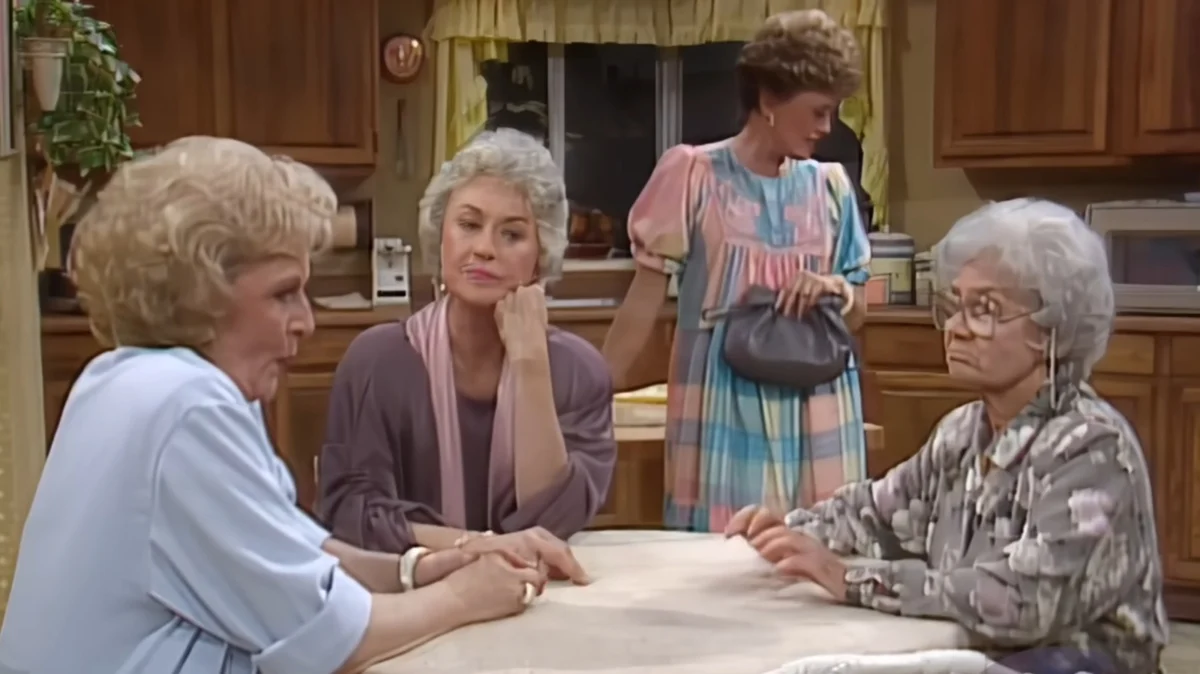
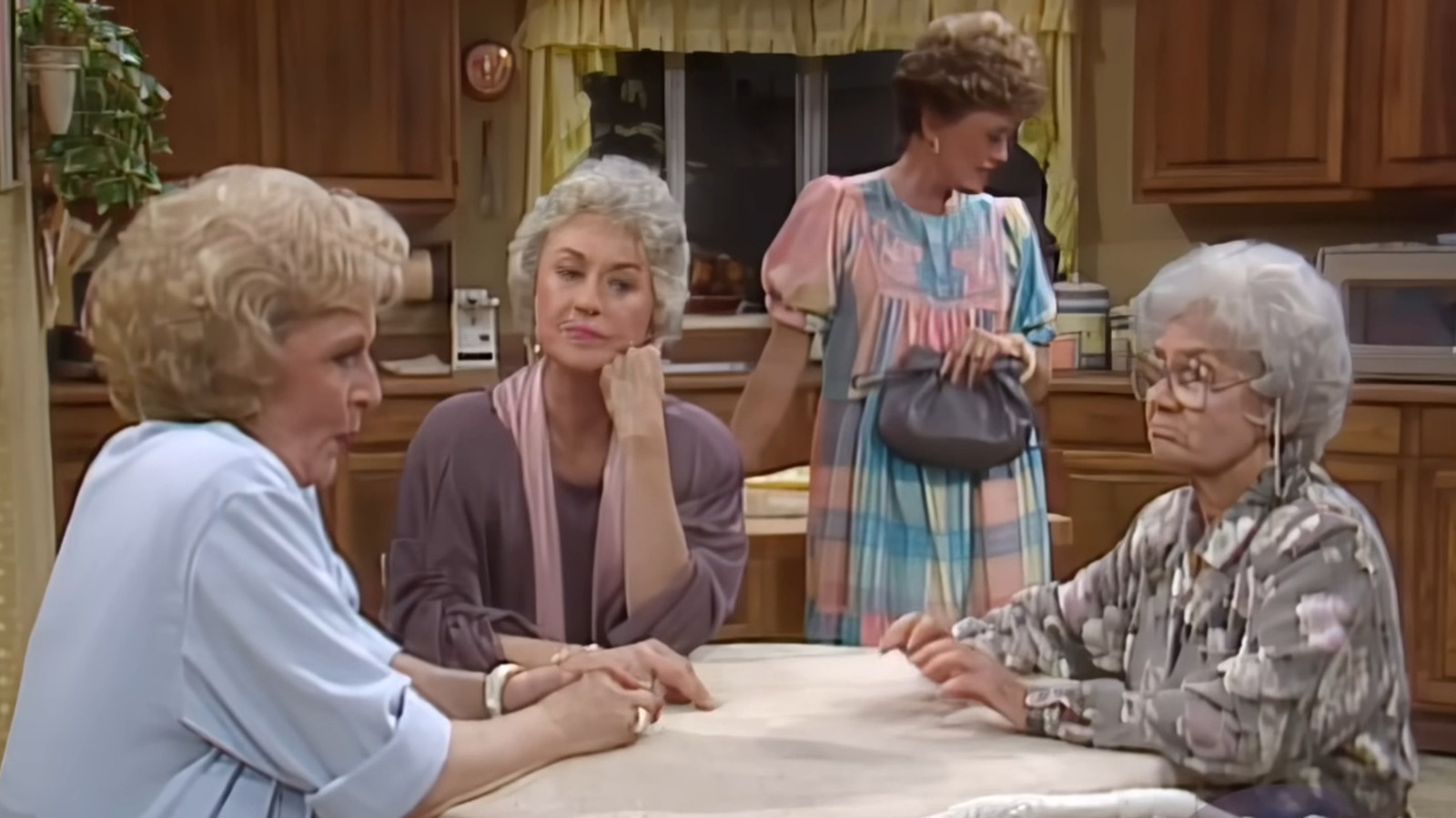
When Susan Harris’ iconic sitcom The Golden Girls premiered on NBC on September 14, 1985, it did more than just anchor a Sunday night comedy block; it shattered the glass ceiling of television demographics. By centering its narrative on four mature women navigating life, romance, and friendship in a shared Miami home, the series redefined the "golden years." However, behind the iconic chemistry of Dorothy, Rose, Blanche, and Sophia lies a fascinating, often contradictory timeline regarding the ages of both the characters and the legendary actresses who portrayed them.
To truly understand the legacy of The Golden Girls, one must peel back the layers of casting choices and character development. The show was a pioneer in many respects—tackling complex social issues like Alzheimer’s, chronic fatigue syndrome, and LGBTQ+ representation—but it was also a master of television artifice, particularly when it came to the aging process.
The Main Facts: Character Ages vs. Reality
In the universe of the show, the premise was straightforward: four women of a certain age living together to share expenses and companionship. Yet, the show’s internal logic regarding age was surprisingly fluid.
The matriarch, Sophia Petrillo, played by the transformative Estelle Getty, established the baseline for the series’ age dynamic. In the pilot, she famously declares herself to be 80 years old. As the series progressed, the writers occasionally dropped breadcrumbs to clarify the timeline. In the episode "Nothing to Fear But Fear Itself," Sophia recounts a fling with Dorothy’s father in 1931, leading to a 1932 birth, which anchored Dorothy Zbornak at 56 years old when the series began.
Rose Nylund, the perpetually naive and gentle soul from St. Olaf, declared in the first-season episode "Job Hunting" that she was 55. Blanche Devereaux, the self-proclaimed Southern belle, was famously cagey about her birth year. However, in "Mother’s Day," she revealed she turned 17 in 1949, placing her at 53 years old at the start of the series.
The "real" ages of the cast, however, tell a vastly different story. The casting process was less about matching the character’s chronological age and more about finding the perfect comedic chemistry. This resulted in a delightful irony: the woman playing the mother was younger than the woman playing her daughter.
Chronology of the Cast at the 1985 Premiere
When the curtains rose on the pilot in 1985, the age gap between the actresses and their fictional counterparts was significant.
- Betty White (Rose): Born January 17, 1922. At the time of the premiere, White was 63 years and eight months old, making her the oldest member of the cast—eight years older than the character she played.
- Bea Arthur (Dorothy): Born May 13, 1922. Arthur was 63 years and four months old when the show debuted, placing her seven years ahead of Dorothy’s 56 years.
- Estelle Getty (Sophia): Born July 25, 1923. At 62 years and two months, Getty was the "youngest" of the core trio, yet she was tasked with playing a woman nearly two decades her senior.
- Rue McClanahan (Blanche): Born February 21, 1934. At 51 years and seven months, McClanahan was the youngest cast member by a wide margin, sitting only two years older than the character of Blanche.
Supporting Data: The Art of Aging on Television
The decision to cast Estelle Getty as the octogenarian Sophia is perhaps the greatest triumph of makeup and acting in sitcom history. Getty, who was only 14 months younger than Bea Arthur, had to undergo a rigorous daily transformation. This involved heavy prosthetic work, distinctive wigs, and a physical shift in posture that allowed her to embody an 80-year-old with such conviction that audiences never questioned the logic.
This creative decision highlights the primary motivation behind the production: The Golden Girls was never meant to be a documentary on aging. It was a character-driven comedy. The writers knew that if they strictly adhered to the chronological age of the performers, they would have lost the specific archetypes they needed to drive the plot. Blanche needed to be the "younger," sexualized foil to the others; Dorothy needed to be the weary, cynical intellectual; and Rose needed to be the wide-eyed optimist. The actresses’ ability to play against their real ages allowed these tropes to flourish.
Official Responses and Production Perspectives
Over the years, various interviews and retrospective documentaries have shed light on how the cast viewed their ages. Rue McClanahan often noted in interviews that Blanche’s vanity regarding her age was a mirror of how society views aging women. She found humor in the contradictions, often embracing the absurdity of her character’s refusal to admit to the passage of time.
Bea Arthur, conversely, brought a level of gravitas to the role of Dorothy that transcended the age labels. She viewed Dorothy as a woman who had lived through specific historical shifts—the Depression, the post-war era—and her age was merely a tool to demonstrate her world-weariness.
The producers have noted that the "Golden" in the title was intended to be aspirational rather than literal. They wanted to show that life did not stop at 50, 60, or 80. By blurring the lines of age, the show allowed its characters to be defined by their personalities—their flaws, their ambitions, and their capacity for love—rather than by the number on their birth certificates.
Implications: The Legacy of the "Golden" Age
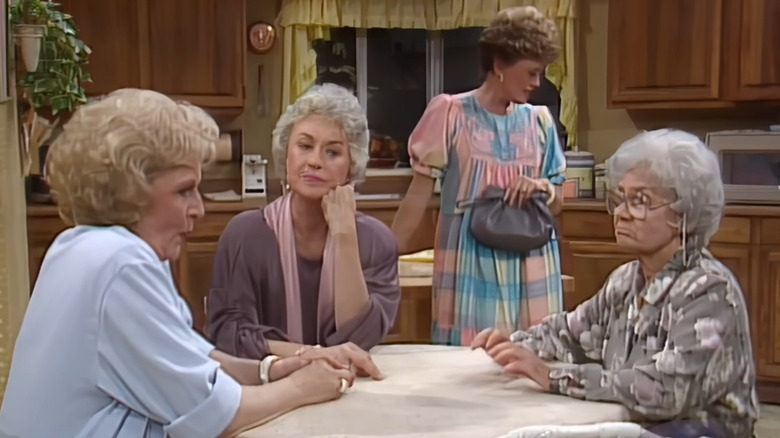
The discrepancies in age between the cast and their characters hold significant implications for how we view television history. The Golden Girls proved that demographics are not a barrier to success. In an era where television was heavily focused on youth, the success of these four women changed the industry’s perception of "senior" viewers and characters.
Furthermore, the show’s willingness to engage in "age-blind" casting set a precedent for future ensembles. It demonstrated that talent and chemistry are the primary drivers of longevity. While some episodes, such as the one containing a controversial blackface incident, have come under modern scrutiny, the core strength of the show remains its portrayal of female friendship as a primary, essential relationship.
Why the Math Still Matters
Understanding the math behind the cast doesn’t ruin the magic; it enhances it. When we watch the show today, knowing that Betty White was 63 and playing a character significantly younger, we gain a new appreciation for her craft. We see the way she utilized her physicality to appear more buoyant, more "innocent," and more youthful than her actual age.
We also recognize that Estelle Getty’s portrayal of Sophia was a masterclass in performance. She wasn’t just acting old; she was projecting the wisdom, the sharp wit, and the history of an 80-year-old woman while being a woman in her early 60s.
Conclusion: A Timeless Ensemble
The fact that all four actresses have since passed away—Rue McClanahan in 2010, Estelle Getty in 2008, Bea Arthur in 2009, and finally, the beloved Betty White in 2021—adds a layer of poignancy to these statistics. They are no longer just characters in a sitcom; they are icons of a bygone era of television.
The Golden Girls remains a landmark achievement because it dared to make the mundane aspects of life—sharing a bathroom, splitting the grocery bill, dating in one’s 50s—the subject of high-quality, high-stakes comedy. The age discrepancies were a minor detail in the grand scheme of the production, yet they serve as a reminder of the artifice required to create something truly "golden." Regardless of the numbers, the impact of their performances remains ageless.


 Laily UPN
 Nana
Nana