

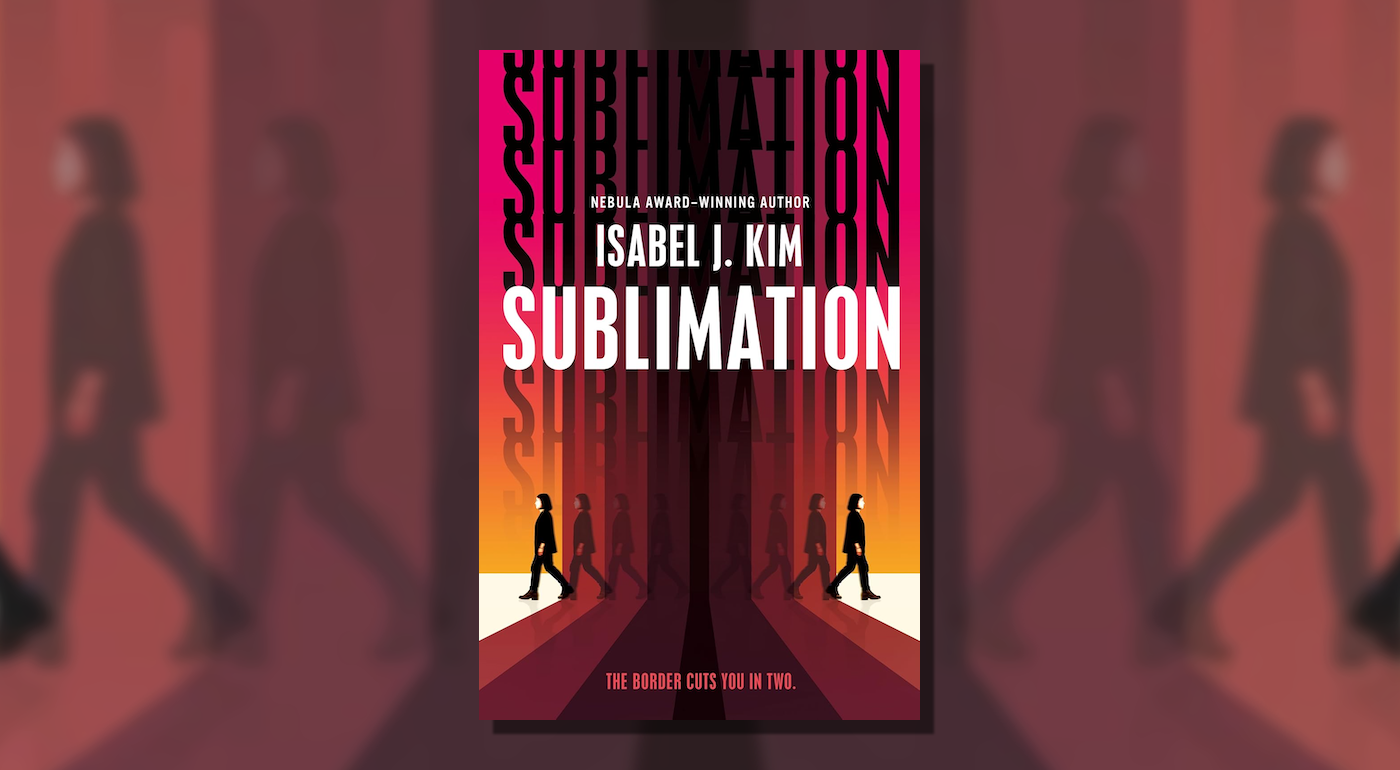
On June 2nd, Tor Books will publish Sublimation, the latest work by acclaimed speculative fiction author Isabel J. Kim. The novel serves as a haunting examination of a world where the act of immigration triggers a biological and metaphysical anomaly: the creation of an "instance," a secondary version of the self that remains behind when the original crosses a border. While the book is a work of fiction, it taps into the profound, universal anxieties surrounding identity, displacement, and the "what-ifs" that haunt the human experience.
The Core Premise: A Life Divided
The narrative centers on Soyoung Rose Kang, a young woman who emigrated from Korea to the United States at age ten. For two decades, she and her instance—the version of herself that stayed in Seoul—have lived entirely separate lives. They are two distinct, autonomous entities who share a singular origin point but have evolved through twenty years of divergent experiences, cultures, and personal choices.
The catalyst for their reunion is the death of their grandfather. This event forces a confrontation that neither woman has sought, bringing to the surface the simmering, unspoken tensions of two lives that were never meant to overlap again. As Soyoung prepares to return to Seoul for the funeral, the stakes shift from simple familial obligation to something far more dangerous: the potential for "reintegration."
Chronology of the "Instance" Phenomenon
According to the lore established in Sublimation, the phenomenon of instancing is not merely a modern occurrence but one with deep, historical roots.
- Ancient Origins: The earliest recorded reference to the phenomenon is found in the Code of Hammurabi, which explicitly states that the "foreign brother-self will receive no inheritance," suggesting that ancient societies were forced to legislate the legal standing of instances thousands of years ago.
- The Age of Discovery: Throughout history, instancing has been most commonly associated with seafaring cultures. Folklore from Japan, Korea, and coastal China describes instances as beings cleaved from the original through the act of travel—a physical manifestation of the emotional distance created by leaving one’s homeland.
- The Modern Era: In the contemporary setting of the novel, instancing has been codified by international law. American citizens who instance are treated as complete individuals by the state, though the legal complexities of inheritance, citizenship, and identity remain a persistent, often violent, point of contention between "original" and "instance."
Supporting Data: The Mechanics of Reintegration
The central tension in Kim’s work is the concept of reintegration—the process by which two instances, through physical contact, collapse back into a single consciousness. While the administrative state views this as a simple bureaucratic matter, the emotional and physical reality is far more volatile.
"Intention does not matter in homecoming," Kim writes, drawing on the folklore of the fisherman and the water spirit. "What matters is the physical action, the touch of skin against skin."
The process is often described as a "collapsing waveform," where two separate lives are forcibly merged. The data provided in the text suggests that this is rarely a harmonious event. Instead, it is an act of erasure. One version of the self must essentially cease to exist to accommodate the other. For characters like Soyoung and Rose, the prospect of reintegration is not a reunion; it is an existential threat.
Official Perspectives and Cultural Stigma
The novel explores how different cultures have adopted varying nomenclature for the phenomenon, highlighting the deep-seated unease that "instances" provoke. Terms like "the sibling-self," "the changeling," and "the one-who-does-not-return" reflect a global society that has learned to live with the reality of duplicates while remaining deeply suspicious of them.
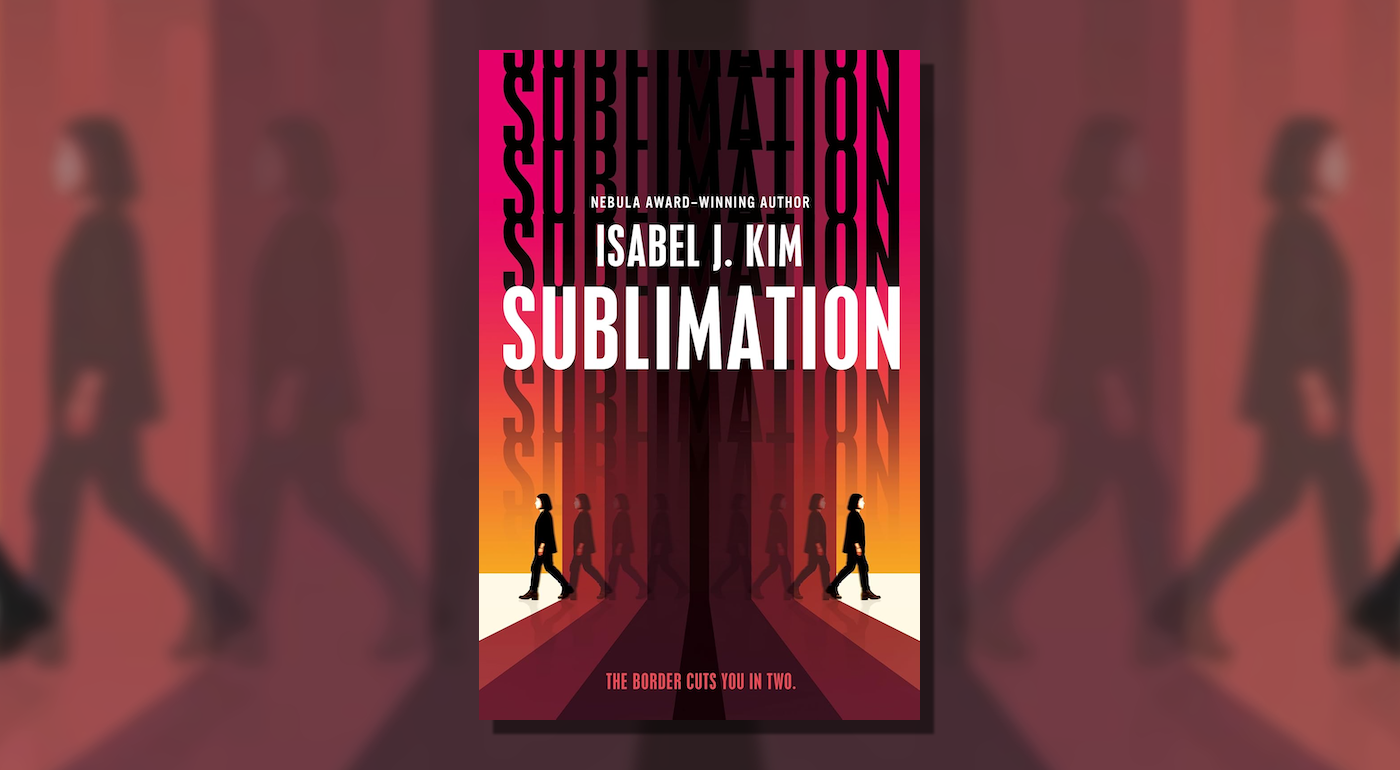
In the United States, instances are afforded full rights, a policy rooted in the nation’s founding documents, which treat each instance as a "whole and complete person." However, this creates a friction with countries that view the instance as a "vestigial limb"—a secondary, less "real" version of the person who stayed behind. This clash of ideologies is the engine driving the plot of Sublimation.
Ethical and Philosophical Implications
Sublimation asks a harrowing question: How far would you go to live the life you didn’t choose?
The novel moves beyond the science fiction tropes of cloning to explore the "emotional murder" inherent in the choice to reintegrate. If a person chooses to reclaim their life in a different country by absorbing their instance, they are effectively deleting decades of that instance’s memories, relationships, and identity.
The Burden of Memory
For Soyoung, the emotional weight of her grandfather’s death is compounded by the fact that her instance has had the life she left behind. While Soyoung pursued a life in America, her instance remained in Korea, maintaining the family ties, the cultural connection, and the physical presence that Soyoung forfeited. The jealousy is not just for the life, but for the "perfected" memory of a home that no longer exists in the way she remembers it.
The Myth of the "Better Life"
A recurring theme in the book is the idea that the "other" life is always idealized. By returning to Korea, Soyoung hopes to find the version of her grandfather’s house that she remembers—a place of warmth and wonder. Instead, she finds a reality that is "smaller, shabbier, too loud and not as wondrous." This realization serves as a brutal reminder that the grass is not always greener on the other side of the border; it is simply different, and perhaps, irreversibly altered by the passage of time.
Conclusion: A Mirror to the Immigrant Experience
While Sublimation is a high-concept science fiction novel, its power lies in its allegorical treatment of the immigrant experience. The "instance" serves as a perfect metaphor for the person left behind, the version of the self that the immigrant often mourns. The feeling of being "torn" between two worlds, the guilt of leaving, and the disorientation of returning to a place that no longer recognizes you are experiences shared by millions.
As the release date for Sublimation approaches, it is clear that Isabel J. Kim has crafted more than just a thriller. She has provided a lens through which readers can examine the fragments of their own identities. In a world where we are constantly making choices that define who we are, the novel suggests that we are all, in a sense, living with the ghost of the people we decided not to become.
Sublimation will be available for purchase on June 2nd, published by Tor Books. It is a mandatory read for those interested in the intersections of speculative fiction, diaspora studies, and the fragile, often violent, nature of the self.











No comments yet. Be the first to join the conversation!