Nila Kartika Wati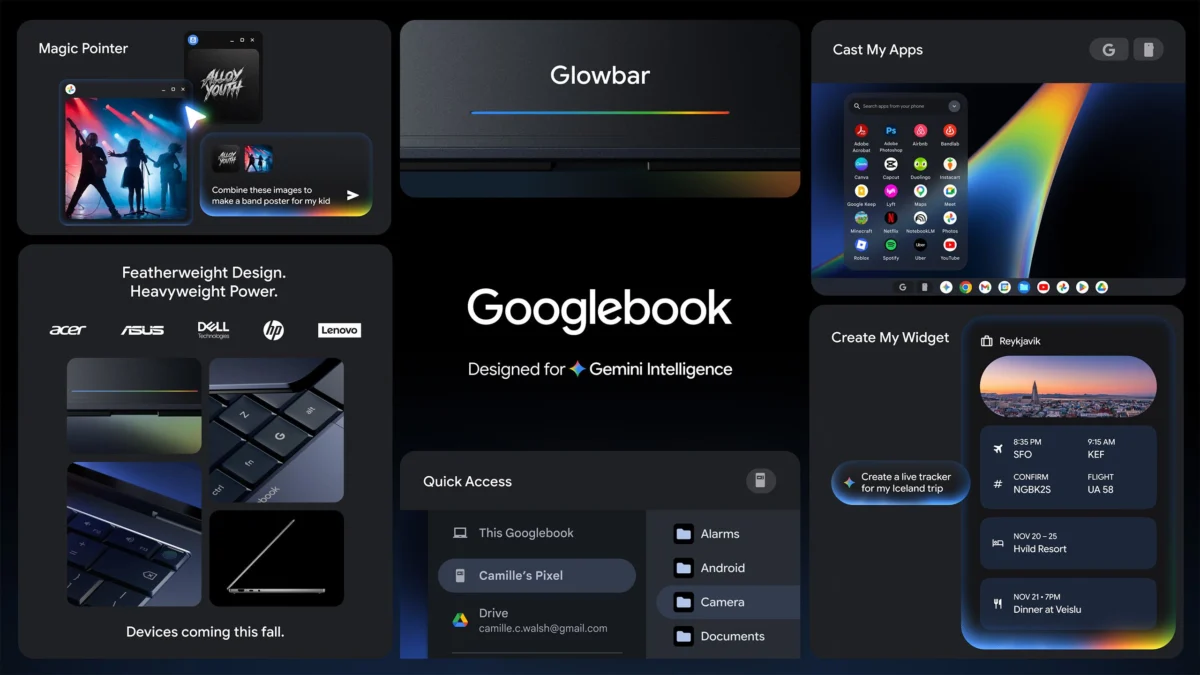
By Editorial Staff
May 12, 2026
In a move that promises to redefine the landscape of personal computing, Google has officially pulled back the curtain on its highly anticipated “Googlebook” line. Following months of intense speculation and industry leaks—most notably the sightings of an enigmatic project codenamed “Aluminum OS”—the tech giant is signaling a fundamental shift in its hardware and software strategy. As the countdown to Google I/O 2026 begins, the industry is buzzing with questions: Is this the definitive end of the Chromebook era, or is it a radical evolution of it?
Main Facts: A New Chapter in Computing
Google’s recent announcement has confirmed that the company is aiming to “rethink laptops again.” The Googlebook line appears to be a premium hardware initiative designed to bridge the gap between mobile flexibility and desktop productivity.
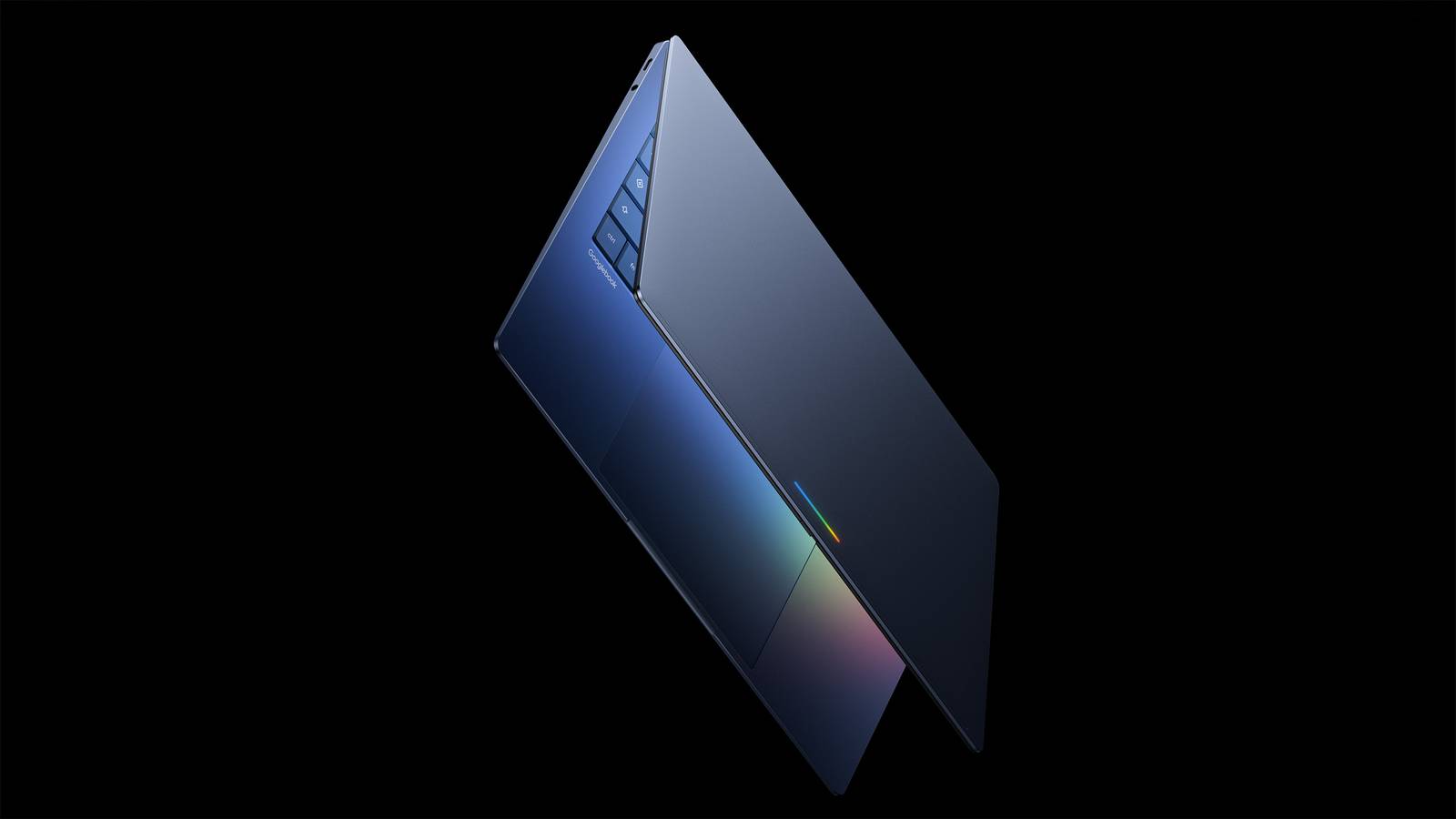
While Google has remained coy about the specific underpinnings of the operating system—stopping short of confirming it as the rumored "Aluminum OS" or explicitly labeling it "Android for Desktop"—the evidence is compelling. The interface, as teased in early promotional materials, suggests a sophisticated, desktop-optimized iteration of the Android environment. This shift represents a departure from the browser-centric philosophy of ChromeOS, moving toward a more robust, application-native architecture that leverages the massive ecosystem of mobile apps while offering the power and precision of a traditional laptop.
Chronology: The Road to the Googlebook
The path to this announcement has been paved with breadcrumbs for the better part of a year.
- Late 2025: Rumors began circulating regarding Google’s dissatisfaction with the market limitations of ChromeOS. Sources inside the company suggested a "Project Aluminum" was in the works, aimed at building a unified platform.
- January 2026: Leaked screenshots surfaced online, showcasing a sleek, minimalist UI that looked suspiciously like a desktop-adapted Android, sparking immediate comparisons to Windows 11 and macOS.
- April 2026: Regulatory filings in various jurisdictions hinted at a new class of "high-performance mobile computing devices" under the Google brand.
- May 12, 2026: Google issues a formal teaser ahead of its annual developer conference, officially naming the project “Googlebook” and confirming its existence to the public.
Supporting Data: Intelligence at Your Fingertips
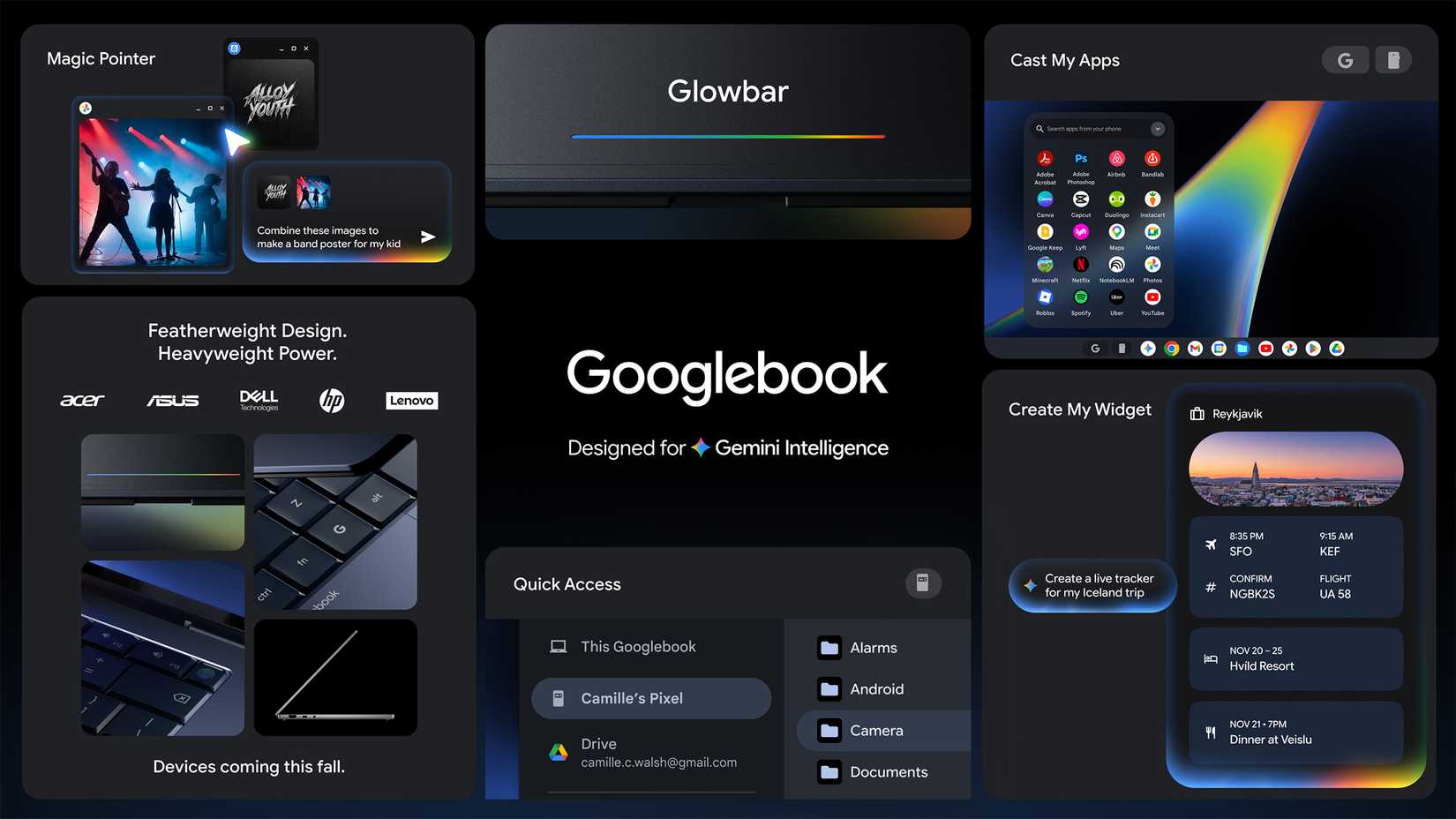
The most striking feature of the new Googlebook is its deep integration with Gemini AI. Unlike traditional AI assistants that exist as a sidebar or a chatbot, Gemini in the Googlebook ecosystem is woven into the very fabric of the user interface.

The “cursor-centric” intelligence is perhaps the most innovative aspect of the reveal. Google demonstrated a feature where users can “wiggle” their cursor to initiate contextual awareness. By highlighting a snippet of text or an image, the OS provides actionable suggestions. For example, selecting a calendar date automatically prompts a meeting scheduler, while dragging two product images onto each other initiates a generative visual comparison. This suggests that Google is moving away from passive search toward an active, assistive computing paradigm.
Furthermore, the integration with Android mobile devices is seamless. Through a feature called "Quick Access," the Googlebook acts as a natural extension of your smartphone. Users can browse, search, and drag-and-drop files directly from their phone onto their desktop workspace without the need for cumbersome cloud syncing or third-party cable transfers.
Official Responses: Crafting the Future
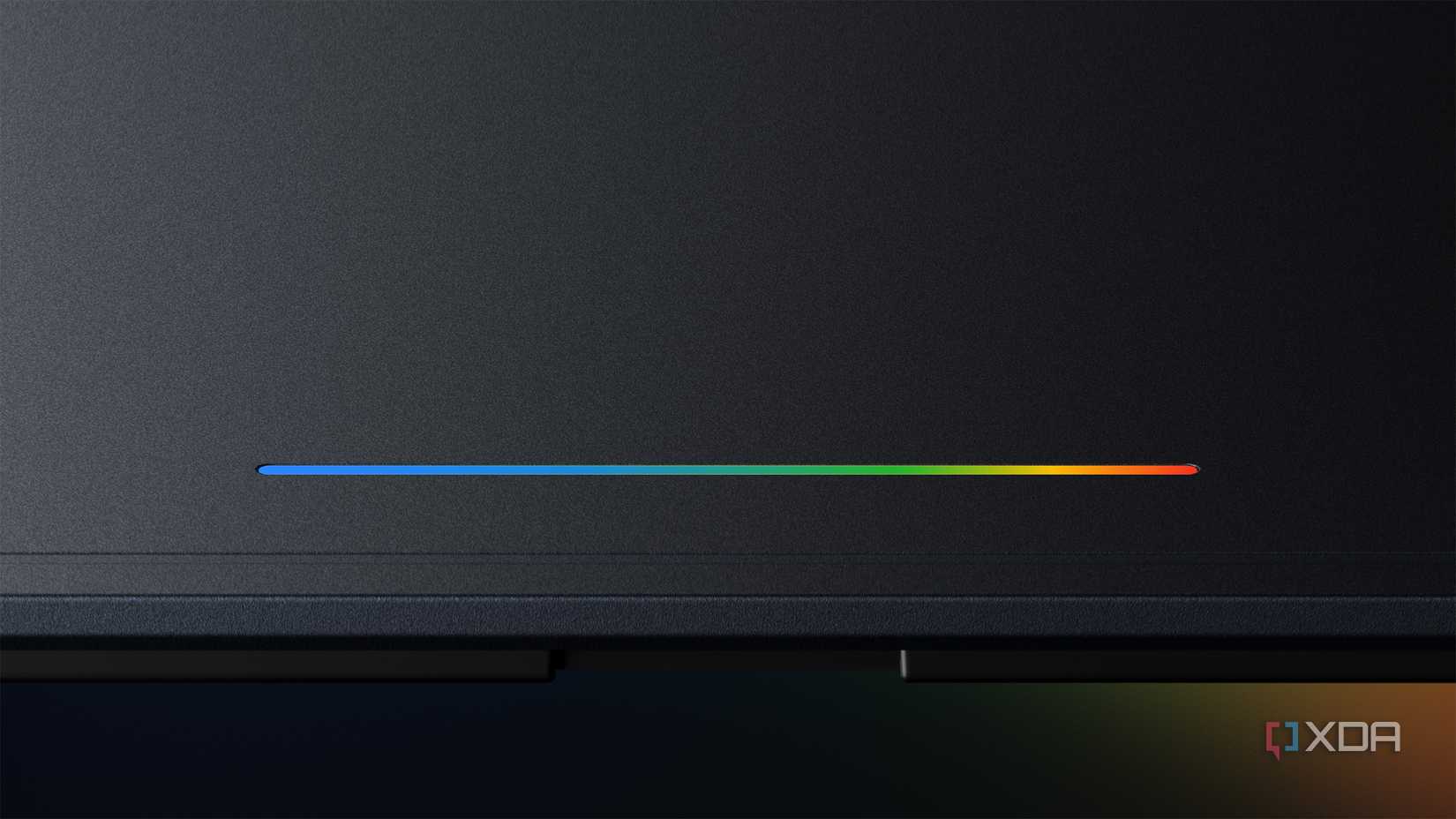
In a brief, carefully curated statement released on the official Google blog, the company emphasized its commitment to “premium craftsmanship and materials.” The hardware design appears to be a modern homage to the beloved Pixelbook, featuring a minimalist aesthetic and a distinct, signature “Glowbar.”
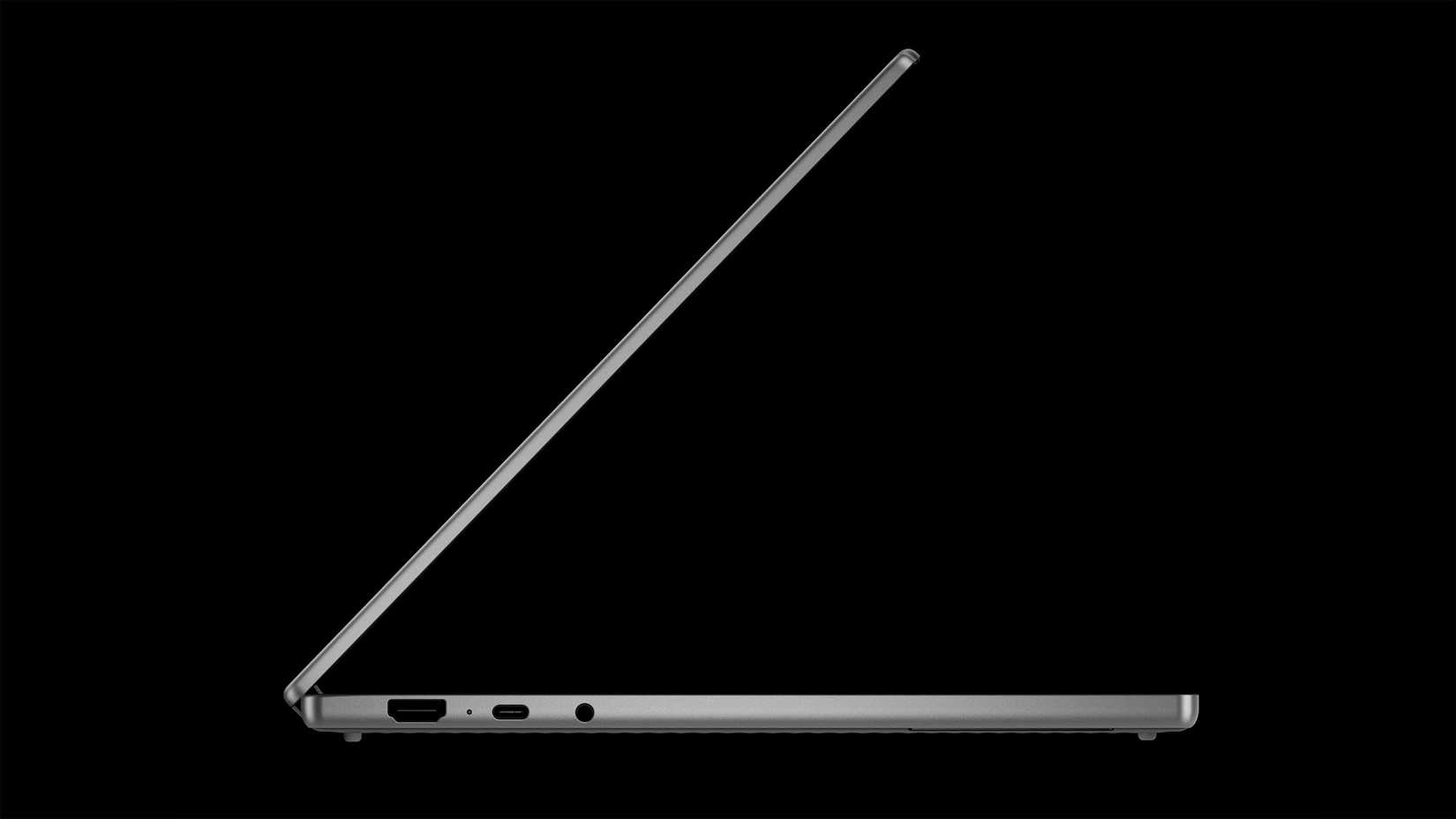
While official spokespeople have been tight-lipped regarding the technical specifications—such as processor architecture (presumably custom silicon) or the full scope of third-party support—they have confirmed that the devices will launch in a variety of “shapes and sizes.” This language suggests that Google may be looking to challenge both the ultrabook market and the tablet-hybrid space simultaneously.
“We aren’t just building a new laptop,” a senior Google engineer noted in an off-the-record briefing. “We are building a new way for software to behave on a larger canvas. We want to take everything people love about the speed of mobile and bring it to the power of a desktop.”
Implications: A Challenge to the Status Quo
The announcement of the Googlebook carries significant implications for the broader tech ecosystem.
The Death of ChromeOS?
For over a decade, ChromeOS has been the backbone of the budget laptop market and the educational sector. However, the rise of the Googlebook suggests that Google may be ready to move upmarket. If the new OS can successfully run professional-grade software while maintaining the security and simplicity of Android, it could pose an existential threat to low-end Windows laptops and even entry-level MacBooks.
The Rise of Unified Ecosystems
Google’s strategy mirrors Apple’s approach to the M-series chips and iPadOS/macOS convergence. By creating a unified "Google" experience that binds the phone and the laptop, Google is effectively creating a walled garden that is increasingly difficult for consumers to leave. The “Quick Access” feature is just the beginning; we can expect deep, hardware-level handoffs between phones, tablets, and Googlebooks.
The Role of AI in the OS
By making AI a core UI element rather than an add-on, Google is setting a new standard for operating systems. If the cursor-based contextual AI proves to be as intuitive as advertised, it could force Microsoft and Apple to rapidly accelerate their own AI integration efforts within Windows and macOS. The desktop, long considered a stagnant medium, is suddenly the primary battleground for the next generation of AI development.
Looking Ahead: The Google I/O Catalyst
As the tech world converges on Mountain View for Google I/O 2026, all eyes will be on the Googlebook. Will it be an open platform for manufacturers to build upon, or will it remain a curated, Google-only hardware experience? Will it support legacy ChromeOS apps, or will it necessitate a complete migration for users?
The answers to these questions will define the next decade of personal computing. For now, the Googlebook stands as a bold, if mysterious, declaration: Google is done being a guest on the desktop; they intend to own the room.
Whether this transition proves to be as seamless as the company hopes remains to be seen. However, one thing is certain—the laptop market has just become significantly more interesting. We will be reporting live from Google I/O with full coverage of the hardware specifications, software capabilities, and the potential roadmap for the Googlebook line as it unfolds. Stay tuned for our deep-dive analysis of the new OS, coming shortly after the keynote.


 Muslim
 Siti Muinah