Raul Delapena Setiawan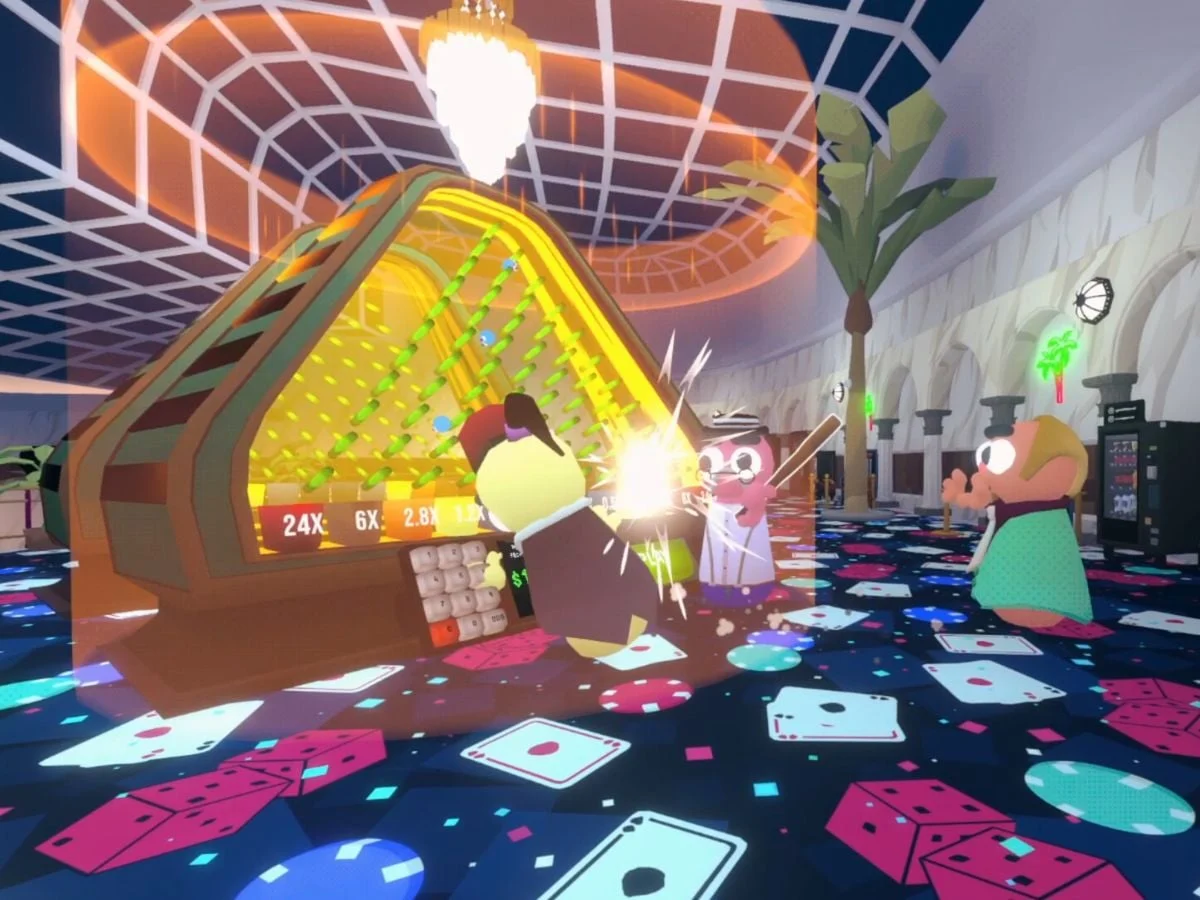
In the rapidly evolving landscape of independent gaming, a new sub-genre has emerged that prioritizes chaotic social dynamics over mechanical mastery. Often referred to by the gaming community as "friendslop"—a portmanteau of "friends" and the "slop" of chaotic, goofy, low-stakes entertainment—this category has found its latest champion in Gamble With Your Friends. Developed by Skybrave, this surreal "casino crawler" has taken Steam by storm, proving that the most compelling gaming experiences are often those that force players into hilariously disastrous cooperation.
Within just one week of its release, Gamble With Your Friends surpassed the one-million-sales milestone, cementing its status as a must-play title for groups of friends looking to test the limits of their patience and trust.
The Core Concept: A High-Stakes Social Experiment
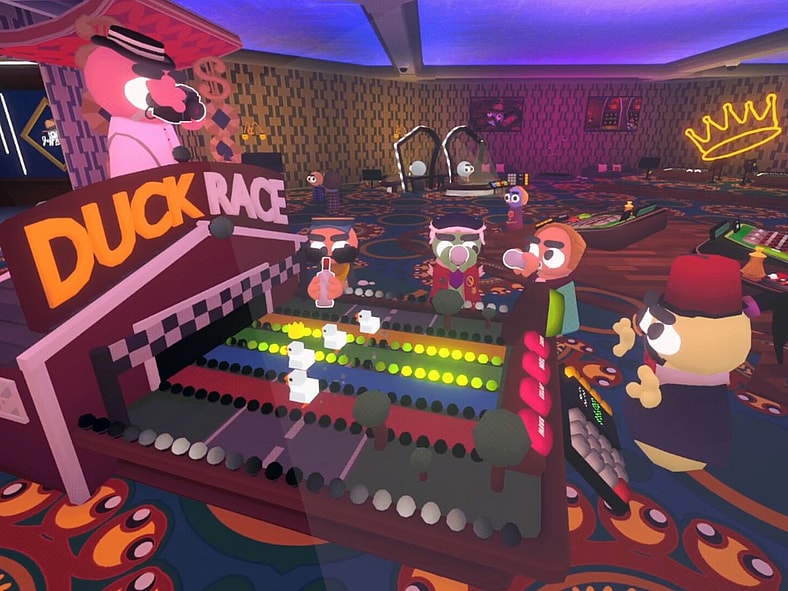
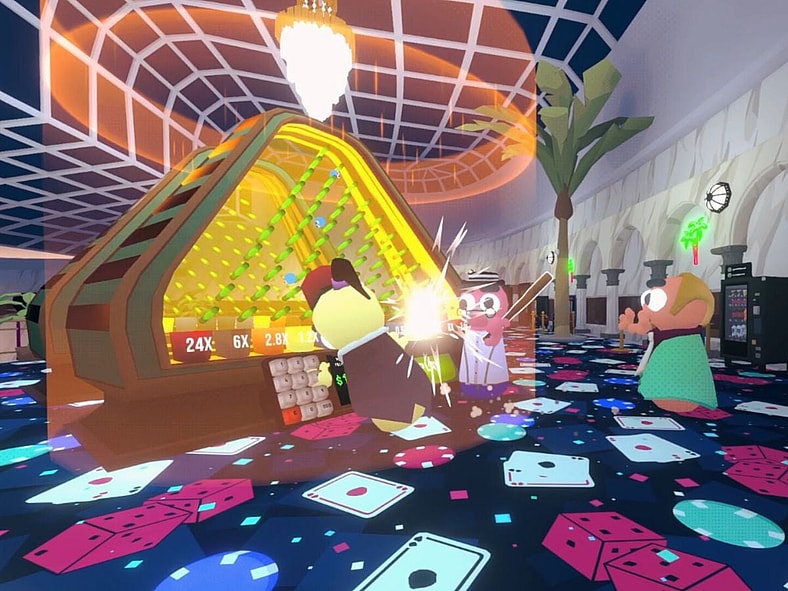
At its heart, Gamble With Your Friends is a masterclass in psychological manipulation disguised as a casual party game. Players are thrust into "Jeff Booth’s Paradise," a bizarre, nightmarish gambling establishment that feels like a fever dream of neon lights and high-interest debt. The central mechanic that distinguishes the title from standard casino simulators is the shared bank account.
In most multiplayer games, individual performance is tracked and rewarded separately. In Gamble With Your Friends, the group’s financial health is a collective burden. Every bet placed by one player impacts the total pool available to the entire squad. This design choice immediately shifts the gameplay loop from strategic gambling to a frantic social negotiation—or, more accurately, a blame-shifting simulator. When a player loses a significant portion of the shared bankroll on a risky spin, the proximity chat feature inevitably devolves into shouting matches, frantic defenses, and the humorous finger-pointing that has come to define the "friendslop" genre.
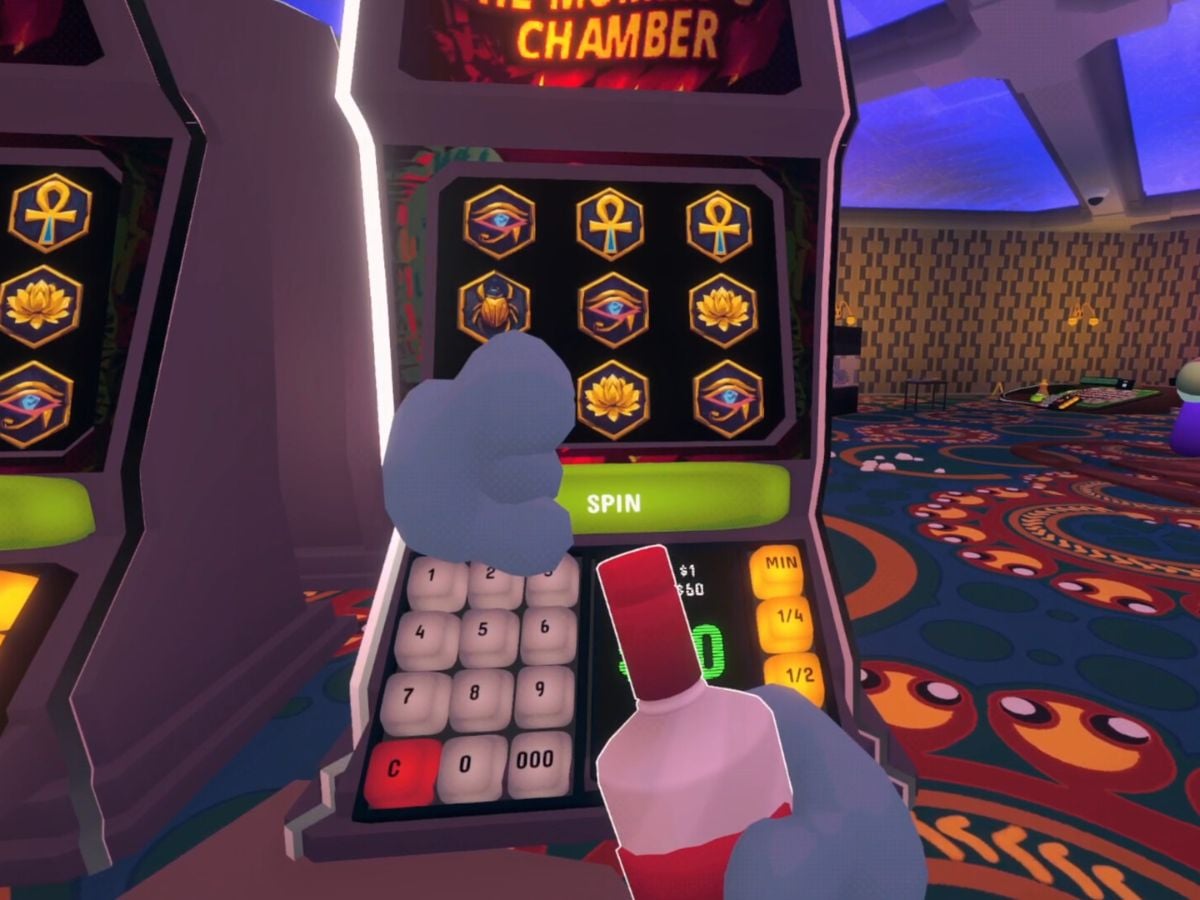
Beyond the immediate mechanics of betting, the game incorporates an eerie, underlying narrative. While the atmosphere is intentionally silly and the character designs are exaggeratedly goofy, the looming threat of "consequences" for failing to escape debt adds a layer of tension that keeps players coming back. It is this unique blend of absurdity and existential dread that has made the game a standout success.
Chronology of a Viral Success
The ascent of Gamble With Your Friends was not a slow burn; it was an explosive arrival that mirrored the chaotic energy of the game itself.
- Pre-Launch Hype: While the game flew under the radar for mainstream outlets, word-of-mouth spread rapidly through social media platforms like TikTok and X (formerly Twitter), where clips of disastrous, high-stakes bets and the resulting arguments between friends went viral.
- The Launch (May 2026): Upon its release on Steam, the game saw an immediate influx of players. The low barrier to entry—priced at an accessible $7.99—encouraged groups of friends to pick up the game simultaneously.
- The First 24 Hours: Within the first day, the game peaked at 32,227 concurrent users, a remarkable figure for an indie title without a massive marketing budget.
- The One-Million Milestone (May 9, 2026): Just one week after launch, developer Skybrave officially confirmed that the game had crossed the one-million-sales threshold, a feat that usually takes months for similar indie titles to achieve.
Data-Driven Growth: By the Numbers
The success of Gamble With Your Friends is supported by robust metrics that highlight both player retention and community sentiment.
According to SteamDB, the game has maintained a strong player base long after the initial launch weekend, consistently hovering around the 14,000-player mark. This indicates that the game is not merely a "one-and-done" experience but one that players are returning to repeatedly to refine their "strategies" or simply to engage in more chaotic sessions.
Perhaps most impressive is the "Very Positive" rating on Steam. In an era where user reviews can be volatile, maintaining a high aggregate score suggests that the game’s core loop is effectively satisfying the target demographic. The affordability of the title is clearly a factor in this reception; at $7.99, it occupies the "impulse buy" price point, making it easy for players to convince their social circles to join in.
Official Responses and Developer Transparency
The team at Skybrave has been notably active in engaging with their newfound community. Following the announcement of the one-million-sales milestone, the developers issued a heartfelt statement via the game’s Steam news hub:
"We’re soooo happy and speechless by the positive reception our game has gotten so far, and we would like to celebrate the fact that more than 1 million gamblers have entered Jeff Booth’s Paradise since last Friday with you all! We’re aware of the bugs you’ve been reporting, and the team is hard at work addressing them as soon as possible!"
This transparency has resonated well with players. By acknowledging the technical hiccups—common in games that rely on complex proximity chat and shared server states—the developers have successfully managed community expectations. Their willingness to communicate directly with the user base has helped maintain the goodwill necessary for long-term growth.
The "Friendslop" Phenomenon and Its Implications
The term "friendslop" is quickly becoming a recognized sub-genre, and Gamble With Your Friends is its current crown jewel. This genre follows in the footsteps of breakout hits like Lethal Company, REPO, PEAK, and RV There Yet?.
Why Players Are Gravitating Toward Friendslop
- Low-Stress Complexity: Unlike competitive shooters or high-intensity strategy games, these titles don’t require hundreds of hours of practice. The barrier to entry is low, making them ideal for casual gaming sessions.
- Social Connectivity: These games are designed to be "streamable." The inherent comedy found in the gameplay acts as a catalyst for player interaction, making the experience just as fun to watch as it is to play.
- The "Shared Blame" Mechanic: By forcing players to share a goal (or a bank account), these games bypass the traditional "us vs. the computer" dynamic and create a "us vs. us" dynamic. It turns gameplay into an interpersonal experience.
The Future of the Genre
The rise of this genre signals a shift in player preferences. In a gaming market often saturated with hyper-competitive live-service games, there is a clear appetite for titles that facilitate human connection through shared, often ridiculous, struggle.
As we look toward the future, the success of Gamble With Your Friends suggests that we will see an influx of similar "co-op-centric" titles. Developers are beginning to realize that if you provide a sandbox that is inherently flawed or chaotic, the players will provide the entertainment themselves.
Conclusion: A New Standard for Indie Co-op
Gamble With Your Friends is more than just a casino game; it is a testament to the power of social design in modern gaming. By stripping away the pressure of professional play and replacing it with the high-stakes comedy of a shared bank account, Skybrave has tapped into a vein of fun that resonates with a broad audience.
Whether you are a seasoned gamer or someone who only picks up a controller when friends are over, the "friendslop" genre offers a unique invitation: step into the casino, ignore the warnings, and prepare to blame your best friend for your financial ruin. As the genre continues to evolve, one thing is certain: the most profitable bet in the industry right now is, quite literally, gambling with your friends.

 Sagoh
Sagoh
 Ammar Sabilarrohman