Asro
Asro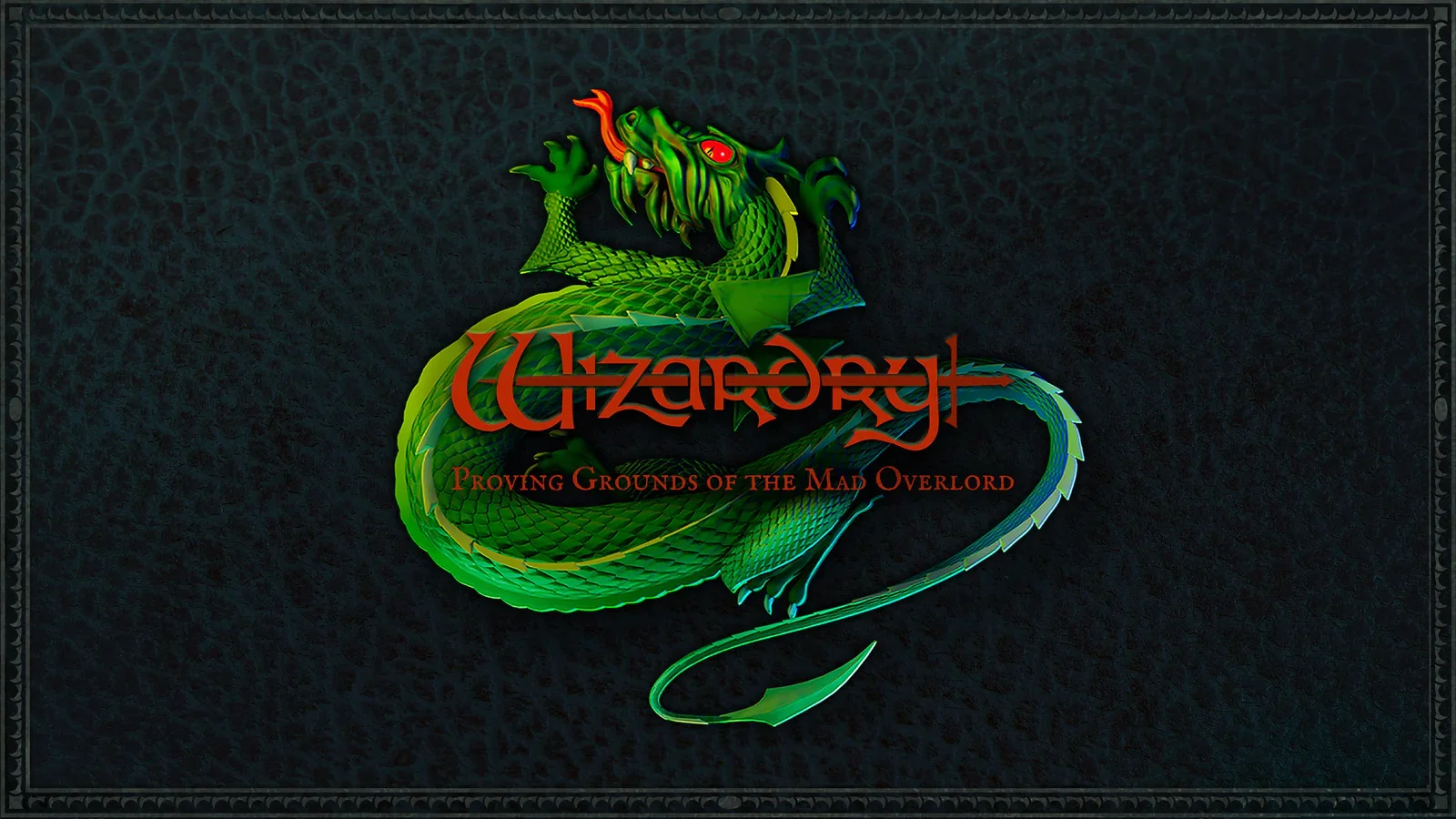
In an unusual turn of events for the video game industry, the storied Wizardry intellectual property has found itself subject to a complex, bifurcated ownership structure. As Atari announces a major push to revitalize the early entries of the series, Japanese publisher Drecom has stepped forward to clarify that it retains the global trademark and ownership of the franchise’s later installments. This split custody creates a unique landscape for one of the most influential RPG series in history, as two major players now hold the keys to different chapters of the Wizardry legacy.
The Atari Acquisition: Reclaiming the Roots
The recent announcement from Atari marks a significant strategic pivot for the company. Atari has officially confirmed the acquisition of the "complete and exclusive rights" to the first five titles of the Wizardry series, along with a suite of associated intellectual property from the original rights holder.
This move is not merely a legal formality; it is a signal of Atari’s intent to revitalize its brand through the lens of retro-gaming. The deal includes not only the source code and distribution rights for the initial quintet of games but also the rights to various contract-based materials and the creative IP surrounding that specific fictional universe.
Atari’s broader strategy, spearheaded by CEO Wade Rosen, involves a multi-pronged approach to franchise management. The company plans to bring the early Wizardry titles to modern audiences through extensive digital and physical distribution efforts, including remasters and console ports. Beyond the screen, Atari has indicated a desire to expand the franchise into a broader entertainment ecosystem, exploring potential ventures in tabletop games, graphic novels, and even film and television adaptations.
The acquisition follows Atari’s 2023 purchase of Digital Eclipse—a studio renowned for its meticulous approach to game preservation—in a deal valued at up to $20 million. Digital Eclipse already demonstrated its capabilities by releasing a critically acclaimed remake of Wizardry: Proving Grounds of the Mad Overlord in 2024, proving that there is a viable market for these "old-school" challenges among contemporary gamers.
The Drecom Stance: Guarding the Brand
While Atari focuses on the series’ inception, Japanese publisher Drecom remains a formidable presence in the Wizardry ecosystem. Upon the announcement of Atari’s acquisition, Drecom issued a public clarification to prevent any confusion regarding the global status of the franchise.
Drecom maintains full ownership of Wizardry 6, 7, and 8, and—perhaps more importantly—the company retains the worldwide trademark rights to the Wizardry name itself. In a statement released to stakeholders and the public, Drecom was unequivocal: the company has "no intention of selling the trademark rights or other rights to Wizardry titles it holds in the future."
This creates a fascinating, albeit potentially confusing, duality. Atari owns the rights to the original five games, while Drecom holds the rights to the later titles and the global brand trademark. Drecom has stated that while they were notified of Atari’s acquisition of the early series rights, they continue to manage the Wizardry brand as a whole, specifically overseeing the intellectual property for the later, more modern iterations of the series.
A Chronology of a Genre-Defining Series
To understand why this split ownership matters, one must look at the history of Wizardry.
- 1981: The release of Wizardry: Proving Grounds of the Mad Overlord, created by Andrew Greenberg and Robert Woodhead. It became one of the first RPGs to feature a party-based system and 3D dungeon exploration, effectively laying the groundwork for the entire computer RPG (CRPG) genre.
- 1982–1990: The release of the subsequent four titles (Knight of Diamonds, Legacy of Llylgamyn, The Return of Werdna, and Heart of the Maelstrom). These games established the "original universe" that Atari has now secured.
- 1990s: The franchise moved into a different era with Wizardry 6: Bane of the Cosmic Forge, Wizardry 7: Crusaders of the Dark Savant, and Wizardry 8. These titles moved away from the initial dungeon-crawling focus, introducing complex sci-fi and high-fantasy hybridization and sophisticated character skill systems.
- The Modern Era: As the series rights became fragmented through various corporate acquisitions and bankruptcies over the decades, the series found a second home in Japan, where it became a cultural phenomenon. Drecom eventually acquired the rights to these later games and the overarching trademark, cementing its role as the custodian of the series’ evolution.
Why the Split Matters: Implications for the Future
The implications of this split ownership are significant for both developers and consumers.
For Atari
For Atari, the mission is one of preservation and nostalgic commercialization. By owning the first five games, they control the "purest" form of the Wizardry experience. CEO Wade Rosen’s comments reflect a desire to bridge the gap between 1980s design sensibilities and modern hardware. "Wizardry is such an influential RPG franchise, yet many of the games have been unavailable for more than two decades," Rosen stated. By focusing on remasters and new ports, Atari hopes to build a brand identity centered on the "hardcore" roots of the genre.
For Drecom
Drecom’s position is more protective. By holding the global trademark, they effectively act as the "gatekeeper" of the Wizardry name. This suggests that any future Wizardry projects—whether by Atari or other developers—must navigate a complex legal landscape where the name itself is protected by a separate entity. It prevents any single company from unilaterally "rebooting" the entire series without acknowledging the established brand hierarchy.
For the Gaming Community
For the players, the most immediate result is the potential for a renewed interest in classic CRPGs. The "real old-school challenge" mentioned by co-creator Robert Woodhead is no longer a relic of the past; it is becoming a product category. However, the risk remains that the franchise could become fractured in the minds of the public. If Atari markets the "original" games while Drecom manages the "modern" sequels, consumers may find themselves confused about which entity is responsible for which experience.
Supporting Data and Industry Context
The RPG genre is currently experiencing a massive resurgence. Following the success of titles like Baldur’s Gate 3 and the continued popularity of retro-inspired dungeon crawlers, the appetite for the Wizardry formula is arguably at an all-time high.
Data from the indie development scene shows that "blobber" style RPGs (first-person, party-based dungeon crawlers) have seen a steady increase in sales on platforms like Steam. Atari’s investment in Digital Eclipse is a calculated bet that this trend will continue. By securing the rights to the Wizardry originals, Atari is essentially "buying" a piece of the genre’s foundation, which carries significant brand equity among older gamers and academic interest among younger ones.
However, the legal complexity cannot be overstated. Intellectual property in the gaming world is often messy, but this case is rare. Usually, a company acquires an entire studio or a complete franchise. By splitting the Wizardry rights between a North American legacy company (Atari) and a Japanese publisher (Drecom), the series becomes a case study in global IP management.
Conclusion: A Tale of Two Keepers
As Atari prepares to bring the Wizardry legacy to a new generation, they do so with the support of the original creators. Robert Woodhead, who co-created the series with Andrew Greenberg, has expressed optimism about Atari’s plans. "I’ll definitely be paying attention to the reactions of gamers who decide to take on a real old-school challenge," Woodhead noted, acknowledging that the series’ difficulty is a core part of its appeal.
Ultimately, the Wizardry saga continues. While the ownership is split, the underlying value of the franchise remains undeniable. Whether the future brings a unified vision or a continued parallel existence between Atari’s early-series remasters and Drecom’s managed brand, one thing is certain: the dungeon doors of Wizardry are open once again, inviting a new generation of adventurers to face the challenge that started it all. The industry will be watching closely to see how these two corporate entities navigate their respective corners of this legendary RPG titan.

 Evan Lee Salim
 Reynand Wu