Layla Zulfa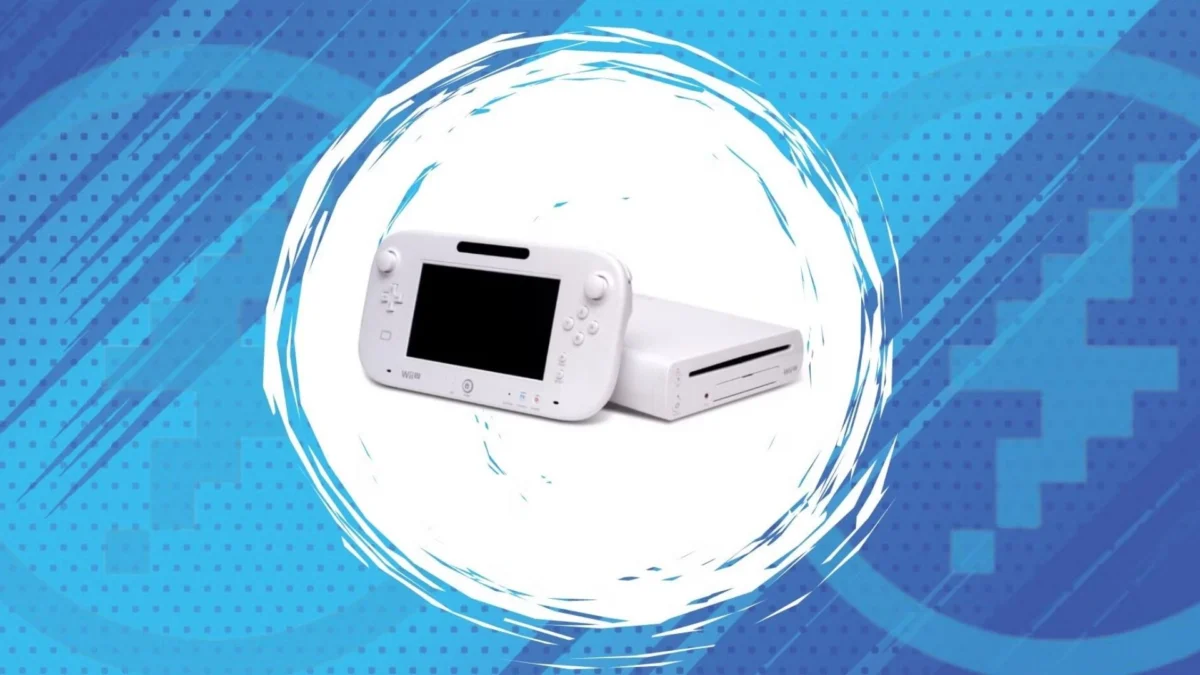
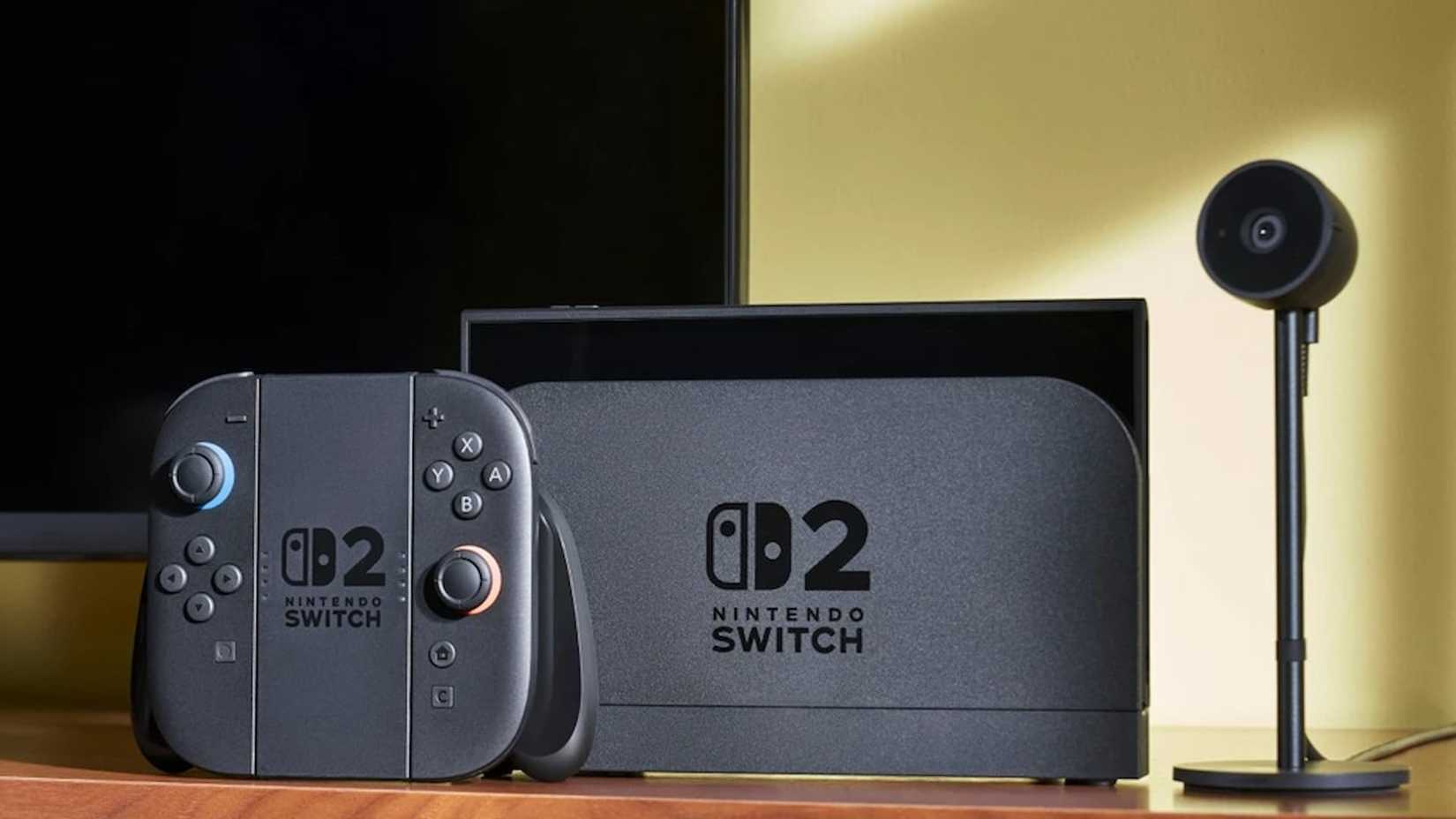
In the high-stakes world of console gaming, perception is often as valuable as profit. On May 11, 2026, Nintendo found itself grappling with a harsh reality check as its share price plummeted by 7%—a sharp decline that analysts are drawing unfavorable parallels to the dark days of the Wii U era. The catalyst for this market volatility? The long-awaited confirmation of a price increase for the Nintendo Switch 2, a decision that has sent shockwaves through the investor community and left the gaming public questioning the company’s near-term strategy.
The Financial Fallout: A Market in Disarray
The announcement, buried within the company’s latest financial disclosure, cited the rising cost of hardware components and global economic headwinds as the primary drivers for the price hike. While inflationary pressures are an objective reality in the current manufacturing landscape, the stock market’s reaction suggests that investors are not merely concerned with the cost of silicon and logistics. Rather, they are reacting to a fundamental shift in the "Nintendo Value Proposition"—the idea that Nintendo hardware is accessible, family-friendly, and distinct from the high-cost, high-fidelity competition of Sony and Microsoft.
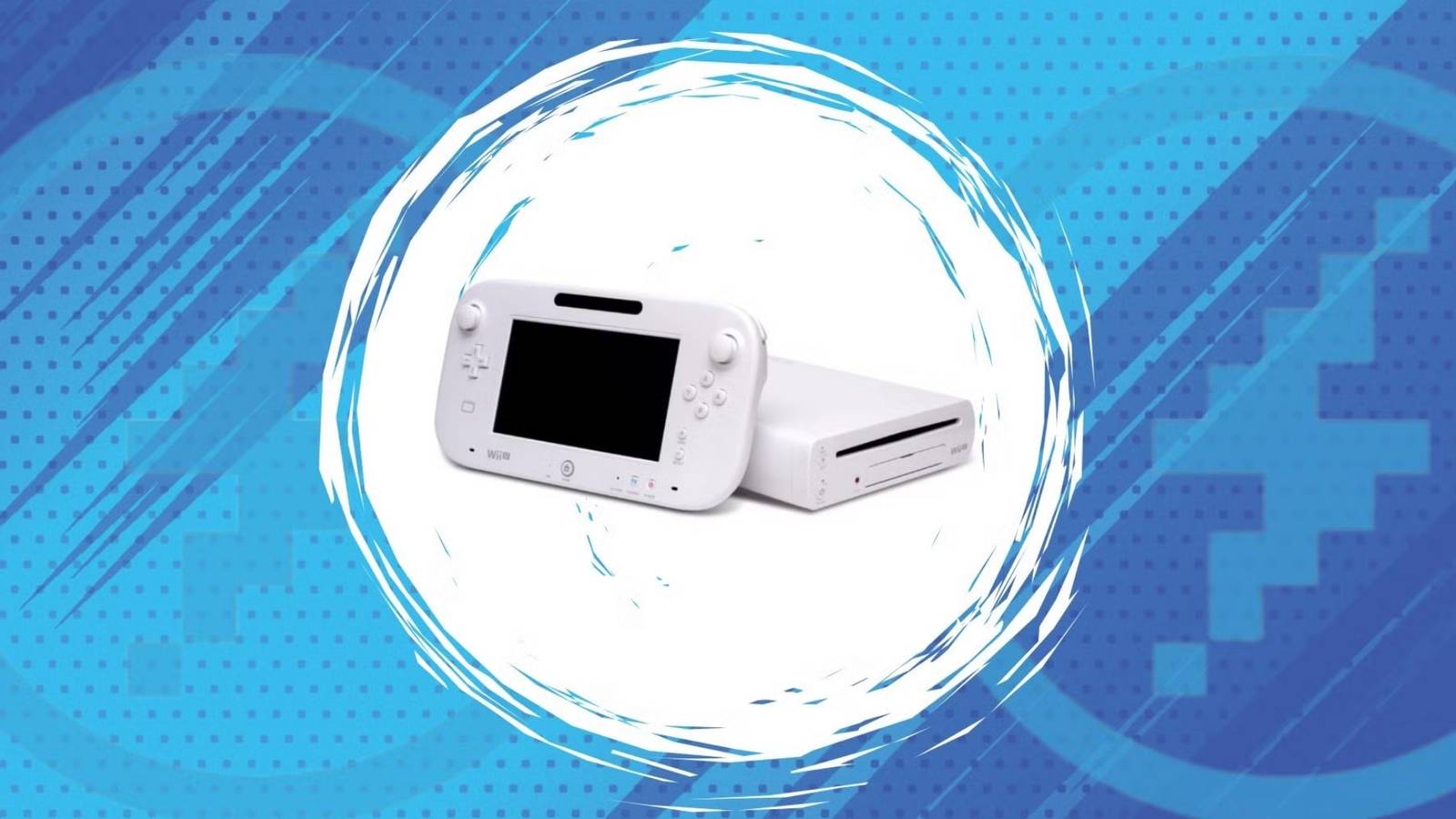
The 7% dip in share price is significant because of the historical context it evokes. During the Wii U era—a period defined by poor marketing, lackluster third-party support, and a confusing product identity—Nintendo’s stock became a bellwether for institutional uncertainty. Seeing that level of investor skepticism return, even as the company sits on the successful foundation of the original Switch, indicates that the market views the current management’s path with extreme caution.
Chronology of a Crisis: From Anticipation to Apprehension
To understand the current volatility, one must look at the trajectory of the Switch 2’s rollout.
- 2024-2025: High hopes were pinned on the successor console. Investors anticipated a seamless transition from the Switch to the "Switch 2," banking on the brand loyalty built over nearly a decade of dominance.
- Early 2026: As the console neared its formal launch window, rumors of component shortages began to swirl. While the industry understood that prices might be higher, the formal announcement of a premium price point caught many by surprise.
- May 2026 (The Breaking Point): The official financial report confirmed the price hike. Simultaneously, the 2026 software roadmap was revealed, showing a distinct lack of "heavy hitters."
- The Reaction: Within hours of the news hitting the wires, the Tokyo Stock Exchange saw a rapid sell-off, with institutional investors expressing concern that a higher price tag combined with a thin software library could stifle adoption rates among the casual demographic that made the original Switch a global phenomenon.
Supporting Data: Why Investors Are Spooked
The concern is not just about the price tag; it is about the "software-hardware loop." Nintendo has historically relied on its "killer apps"—flagship titles like Mario, Zelda, and Animal Crossing—to move units.
The 2026 lineup, by contrast, is being characterized by analysts as "filler-heavy." Projects such as a Star Fox 64 remake and a mid-tier Yoshi title, while charming, do not possess the system-selling gravitas required to justify a premium-priced console. Furthermore, the absence of a new 3D Mario title or a mainline Legend of Zelda entry in the immediate launch window is a notable departure from Nintendo’s typical strategy of aggressive software-led console adoption.

According to market analysts, the "budget-first" consumer—a core pillar of Nintendo’s audience—is particularly sensitive to price hikes in the current economic climate. When households are tightening their belts, a gaming console is often one of the first luxury items to be cut. If the hardware is perceived as expensive, it must offer a "must-have" experience immediately. As it stands, the software catalog currently lacks the anchor titles needed to convince fence-sitters that the investment is worth the cost.
The "Software Void" and the Pokémon Factor
While the release of Pokémon Pokopia has provided a temporary boost in engagement, it is a single bright spot in an otherwise dim forecast. With the next mainline Pokémon titles delayed until 2027, Nintendo finds itself in a precarious "dead zone" for its most valuable intellectual properties.
This strategic gap is exacerbated by the fact that the company’s biggest franchises are essentially sitting out the sophomore year of the Switch 2. For investors, this creates a "revenue valley." If the hardware doesn’t sell due to price, and the software doesn’t entice, the company’s ability to generate the high-margin software sales that sustain its bottom line is severely compromised.

Official Responses and Corporate Strategy
Nintendo’s leadership, including long-tenured executives who remember the struggles of the Wii U years, has remained relatively tight-lipped regarding the market’s reaction. However, in previous statements, Nintendo management has emphasized that the pricing reflects "the premium nature of the technology" and that the long-term vision for the console remains unchanged.
The challenge for Nintendo, however, is that "long-term vision" rarely satisfies short-term shareholder anxiety. The company is currently walking a tightrope: they must justify the hardware cost while simultaneously signaling to the market that a massive, high-quality software pipeline is waiting in the wings to be announced.
Implications: The Road Ahead
The implications of this market dip are profound. If Nintendo continues on its current path, it risks repeating the mistakes of 2012. The Wii U failed not because it was inherently "bad" hardware, but because it lacked a compelling reason for the average consumer to upgrade.
To "right the ship," as many market experts suggest, Nintendo must likely do one of three things:
- Accelerate the Roadmap: Announce a major, system-defining project—such as a new 3D Mario—to shift the narrative away from hardware price and toward software value.
- Adjust the Ecosystem: Introduce a tiered subscription or value-added service that makes the upfront cost of the hardware feel more palatable to the average family.
- Third-Party Outreach: Aggressively secure high-profile third-party partnerships to fill the void left by their own first-party titles, proving that the Switch 2 is the definitive place to play all games, not just Nintendo games.
The 7% drop is a warning shot. Nintendo has historically been a company that thrives on surprise and delight. However, when the "surprise" is a price hike and the "delight" is missing from the launch calendar, the market is quick to react. The coming months will be a critical test for Nintendo’s leadership. They must demonstrate that the Switch 2 is not another Wii U, but a evolution of the gaming experience that consumers are willing to pay for—even in a difficult economic environment.
As investors look toward the next quarterly report, the pressure is mounting. Nintendo must pivot from a defensive stance to an offensive one, proving that while the price of the box has gone up, the value of the experience remains unmatched. Failure to do so could transform a temporary market correction into a long-term decline that would take years, and potentially a new console generation, to recover from. The industry is watching, and for now, the mood in Kyoto is one of intense pressure to deliver.

 Nana
Nana
 Ammar Sabilarrohman