

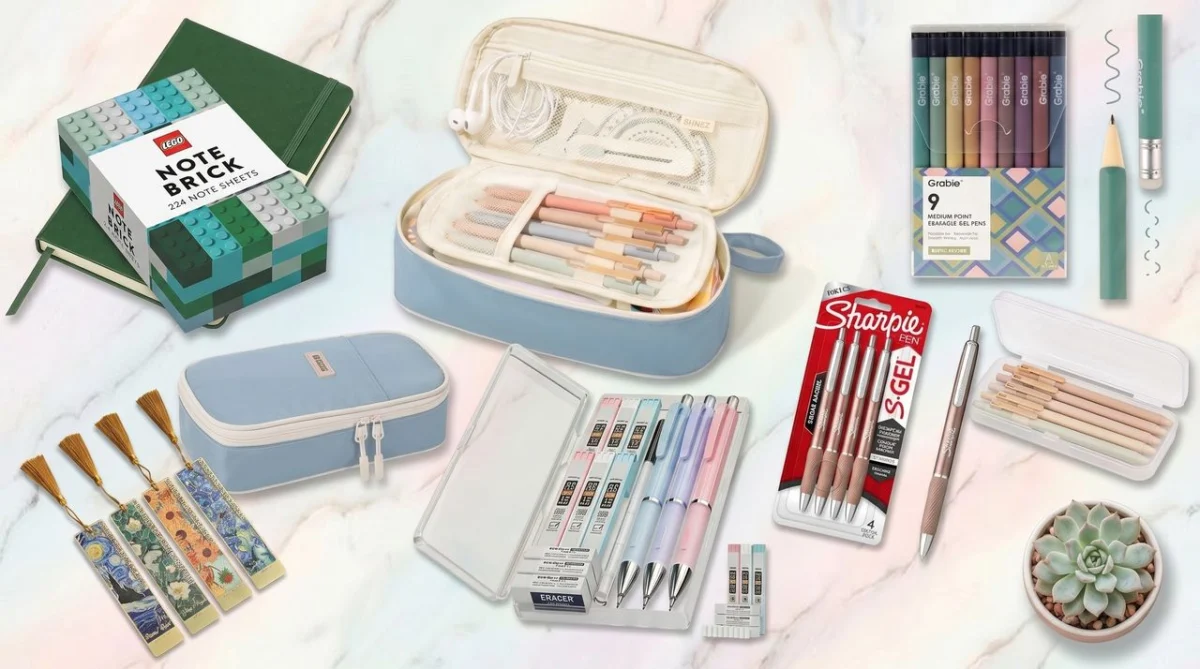
It is a curious paradox of the 21st century: the more we digitize our lives, the more we seem to crave the tactile satisfaction of ink on paper. This week marks National Stationery Week, a global celebration that serves as a poignant reminder of the enduring power of the physical medium. Amidst a landscape dominated by relentless notifications, ephemeral cloud storage, and the sterile glow of high-definition displays, the act of putting pen to paper remains an essential human practice—one that anchors our thoughts, enhances our creativity, and provides a necessary respite from the digital grind.
The Main Facts: Why Stationery Still Matters
National Stationery Week, celebrated annually, is not merely a marketing gimmick for pen manufacturers; it is a cultural movement aimed at championing the "written word" in all its forms. Whether it is the deliberate scratch of a fountain pen nib against textured cardstock or the hasty scrawl of a grocery list on a notepad, stationery represents a bridge between the abstract thought and the physical reality.
The core premise of the week is to encourage people to rediscover the joys of writing. In an era where "note-taking" is often synonymous with typing into a smartphone app, the benefits of handwriting are frequently overlooked. Studies have repeatedly shown that handwriting engages the brain differently than typing. It fosters better cognitive retention, improves focus, and encourages a slower, more deliberate processing of information. By carving out time this week to engage with physical stationery, participants are participating in a meditative practice that prioritizes quality of thought over speed of transmission.
Chronology: From Ancient Scripts to Modern Celebration
The history of stationery is, in many ways, the history of human progress. The evolution from clay tablets and papyrus scrolls to the vellum manuscripts of the Middle Ages laid the groundwork for the intellectual revolutions that followed.
- The Antiquity of Writing: For millennia, writing was a labor-intensive craft. The invention of paper in China around 105 AD revolutionized the dissemination of knowledge, making the recording of history more accessible than ever before.
- The Golden Age of the Pen: The 19th and 20th centuries saw an explosion in stationery innovation. The mass production of the steel nib pen, the fountain pen, and eventually the ballpoint, transformed writing from a niche skill into a universal utility.
- The Digital Disruption: The late 1990s and 2000s marked the "paperless office" movement, a goal predicated on the belief that digital efficiency would render physical stationery obsolete.
- The Modern Resurgence: By the mid-2010s, a counter-movement emerged. As digital fatigue set in, stationery sales began to climb. National Stationery Week was established to formalize this appreciation, growing from a UK-centric campaign into an international event that now captures the attention of design enthusiasts, students, and professionals alike.
Supporting Data: The Digital vs. Analog Debate
While tech giants argue that digital tools are superior due to their searchability and cloud synchronization, data suggests that the physical stationery market is remarkably resilient. According to recent market analysis, the global stationery market is projected to continue its steady growth, driven by a surge in demand for high-end notebooks, artisanal pens, and specialized planners.
One of the most compelling arguments for the persistence of stationery is the "sensory experience." Psychologists have identified that the physical sensations—the texture of the paper, the weight of the pen, and the smell of the ink—create a multi-sensory memory anchor. When we write by hand, we are more likely to remember the content of our notes compared to when we type them.
Furthermore, the rise of "Bullet Journaling" and the "Planner Community" on platforms like Instagram and Pinterest has gamified the use of stationery. These movements treat the page as a creative canvas, transforming mundane administrative tasks into an artistic expression. This trend is not limited to amateurs; high-level executives and creative directors increasingly cite the use of physical notebooks as a critical component of their "analog workflow," designed to insulate them from the constant distractions of email and social media.
The Hybrid Approach: E-Ink and the Modern Stylus
As we navigate the intersection of tradition and innovation, we must acknowledge that "stationery" is no longer restricted to wood pulp and graphite. The advent of e-ink tablets—devices like the Remarkable, the Kindle Scribe, or the iPad Pro with an Apple Pencil—represents a fascinating synthesis.
These devices aim to replicate the "friction" of paper. They offer the organizational benefits of the cloud (infinite storage, searchability) while maintaining the cognitive benefits of the hand-written gesture. For many, this hybrid approach is the ultimate solution. One might use a physical, high-quality notebook for deep-work brainstorming and creative ideation, while relying on a tablet for professional meetings and archive-heavy documentation.
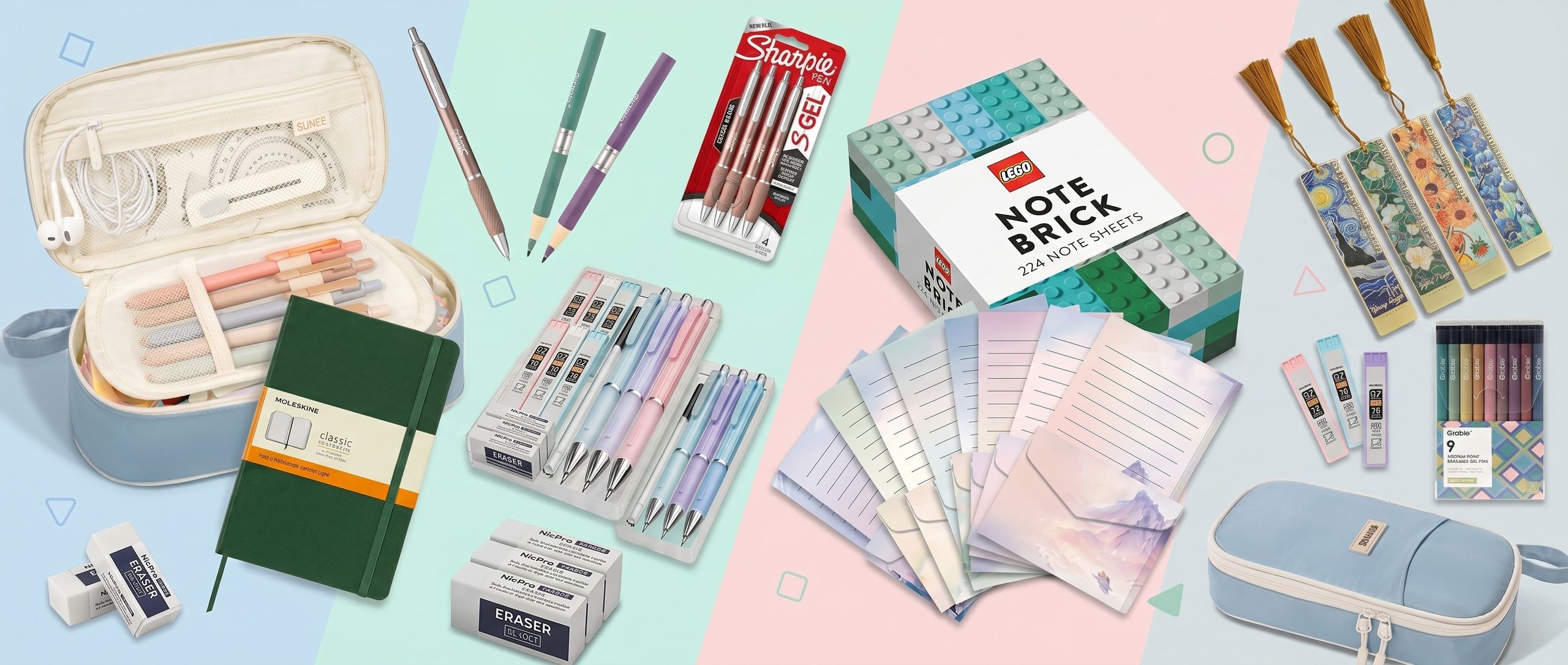
At Creative Bloq, we are staunch advocates for this balance. While we hold a deep reverence for the aesthetic beauty of a traditional Moleskine or a Rhodia pad, we also recognize that the best tablets with a stylus pen can enhance a workflow in ways that physical paper cannot. The key is intentionality: choosing the right tool for the specific task at hand.
Official Responses and Industry Sentiment
Industry leaders have noted a distinct shift in consumer behavior during National Stationery Week. Manufacturers are reporting that the "premiumization" of stationery is a major trend. Consumers are moving away from generic, disposable office supplies and toward products that offer a "luxury" experience—pens that provide a specific flow, notebooks that utilize archival-quality paper, and accessories that reflect personal branding.
"Stationery is an extension of the self," says one prominent industry designer. "In a world where everything is automated, a handwritten letter or a carefully kept journal is a radical act of self-expression. It signals that the sender or the author has taken the time to be thoughtful."
Educational institutions are also showing renewed interest in the pedagogy of handwriting. Despite the digitalization of the classroom, many educators are pushing back against the total removal of pen and paper, citing that motor skill development and cognitive engagement are inextricably linked to the physical act of writing.
Implications: A Future for the Printed Page
What does this mean for the future of our productivity? The implication is that we are entering an era of "mindful analog," where the choice to use stationery is a conscious rejection of the "always-on" culture.
As we celebrate National Stationery Week, the message is clear: stationery is not a relic of the past, but a vital tool for the future. It is a safeguard against the erosion of deep thought. In a world that demands instant responses, the paper page provides a space where we are allowed to pause, reflect, and refine our ideas.
Whether you are looking to invest in your first professional fountain pen, searching for the perfect planner to organize your life, or exploring the latest in e-ink technology, the takeaway remains the same: the tools we choose to document our lives matter. They shape how we think, how we create, and how we remember.
So, this week, take a moment to step away from the keyboard. Put your phone on silent. Pick up a pen, find a blank page, and allow yourself the luxury of writing something down by hand. You might be surprised at how much clearer your thoughts become when they have the space to breathe on paper.
For those looking to engage further with National Stationery Week, we have curated a comprehensive guide to the best deals on both physical stationery and digital writing tablets. Whether you are in the US or the UK, there are significant opportunities to upgrade your desk setup and rediscover the joy of the written word.










No comments yet. Be the first to join the conversation!