

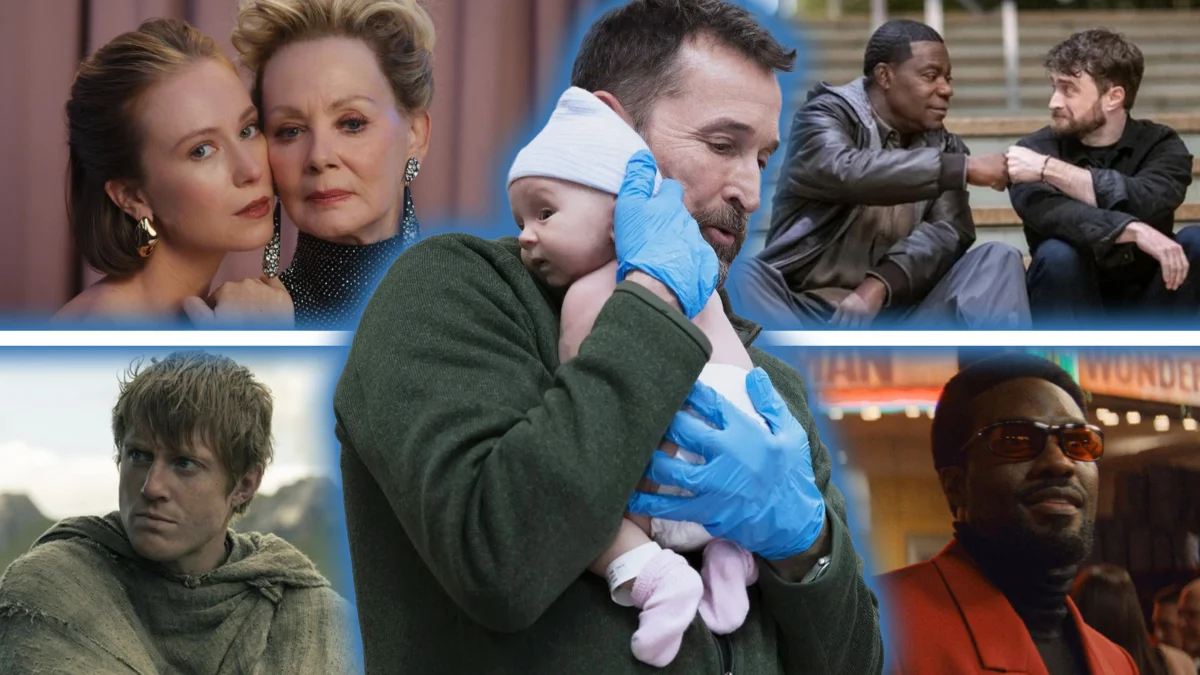
Television has long been a medium defined by its sheer density. In an era where the "too much TV" phenomenon has become a permanent fixture of our cultural landscape, even the most dedicated critics find themselves struggling to keep pace with the relentless output of prestige dramas, boundary-pushing comedies, and high-concept genre experiments. To help navigate this deluge of content, our team of editors and writers has spent the first half of 2026 diving deep into the schedules of every major streamer and network to curate an essential guide to the best television of the year.
From the dark, absurdist corridors of Beef Season 2 to the meticulously crafted fantasy landscapes of A Knight of the Seven Kingdoms, 2026 has proven to be a watershed year for storytelling. Whether you are looking for a political satire that cuts to the bone or a heartwarming documentary series that restores your faith in humanity, this list serves as your roadmap to the best the "tube" has to offer.
The Landscape of 2026: A Chronological Overview
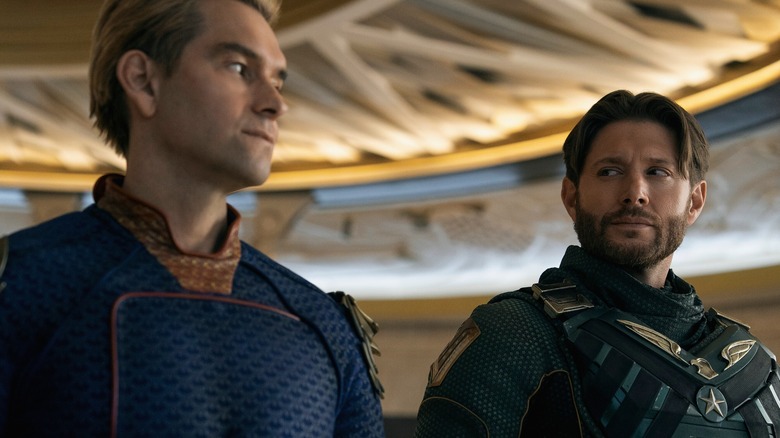
The first six months of 2026 have been defined by a mix of long-awaited swan songs and bold, unexpected genre subversions. We began the year with the visceral intensity of The Pitt and the sharp, industry-focused satire of Industry Season 4, which continued to push the boundaries of the workplace drama. By late spring, the focus shifted toward the return of fan-favorite franchises, including the final season of The Boys and the high-stakes revolution of For All Mankind Season 5.
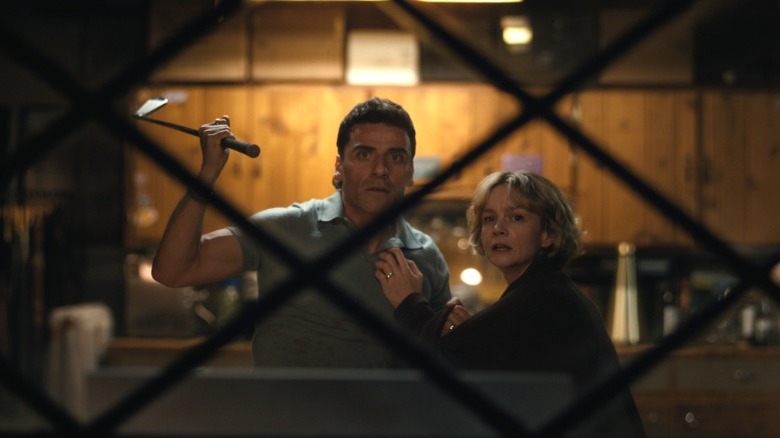
As we transitioned into summer, the tone lightened—only to be subverted by the likes of Widow’s Bay and the deeply probing DTF St. Louis. Each of these series has contributed to a viewing landscape that values narrative risk-taking over formulaic safety, proving that despite the financial pressures facing the industry, the creative spirit remains robust.
Genre-Defining Standouts: The Heavy Hitters
The Evolution of the "Prestige" Comedy
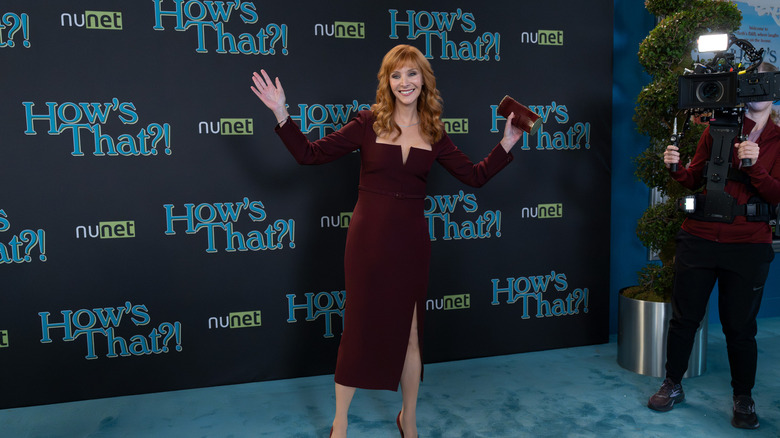
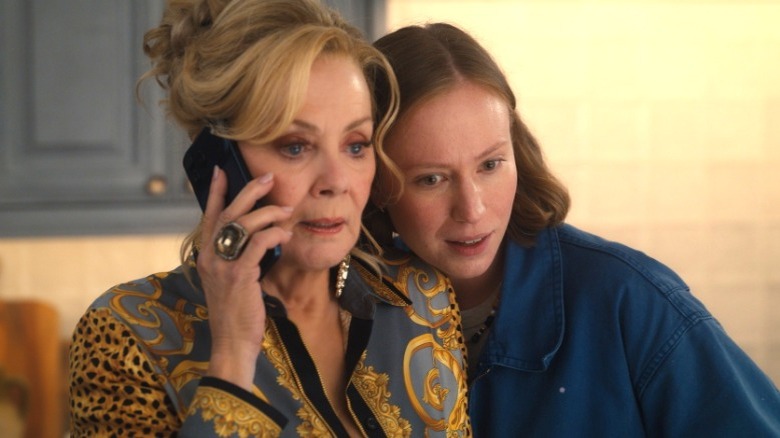
This year has seen a fascinating shift in how comedies are structured. Hacks Season 5, in its final outing, has masterfully navigated the complexities of AI in the writers’ room and the changing nature of stand-up. Similarly, The Comeback Season 3 has solidified itself as the definitive Hollywood satire of the decade, using Valerie Cherish’s career struggles to critique the encroachment of artificial intelligence in creative industries.
The Rise of Subversive Genre Fiction
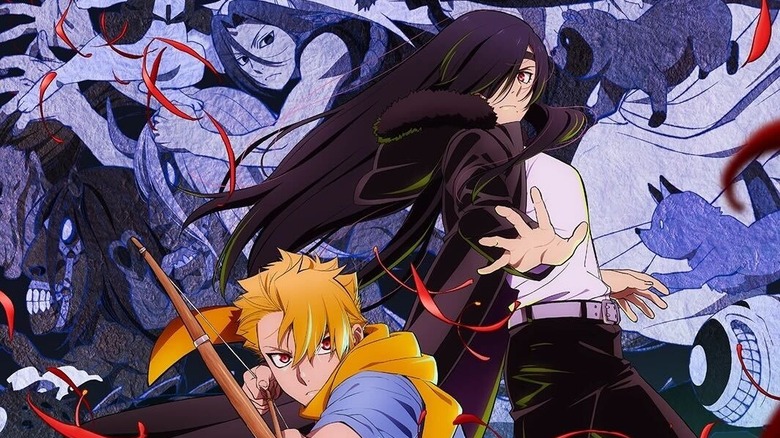
Genre television in 2026 has moved away from the "gritty, dark, and hopeless" aesthetic that dominated the early 2020s. A Knight of the Seven Kingdoms acts as a refreshing palate cleanser, offering a ground-level view of Westeros that favors character-driven warmth over nihilistic violence. Likewise, One Piece Season 2 has defied the "curse" of live-action anime adaptations by leaning into the inherent silliness and heart of its source material rather than trying to "ground" it in reality.
The Return of the Procedural
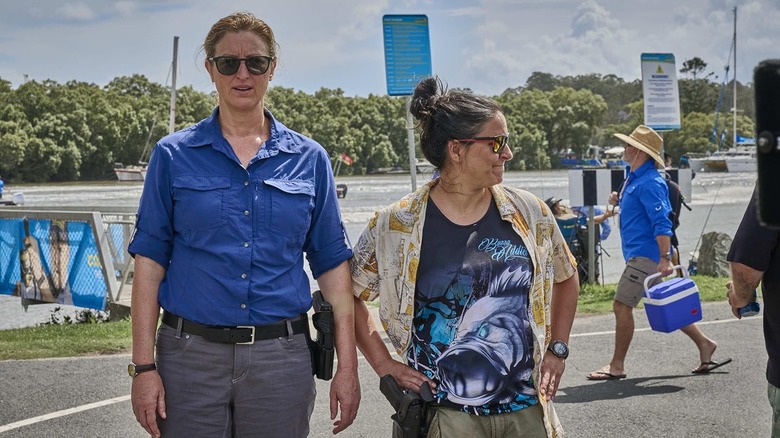
Perhaps most surprising is the resurgence of the procedural format, albeit through a distorted lens. The Pitt has revitalized the medical drama by focusing on the "competence porn" of emergency medicine, while Marshals—despite its rocky start—has successfully integrated the Yellowstone universe into a CBS-style procedural structure. These shows prove that when the characters are strong, the "case of the week" structure remains one of television’s most potent tools.
Critical Analysis: Why These Shows Resonate
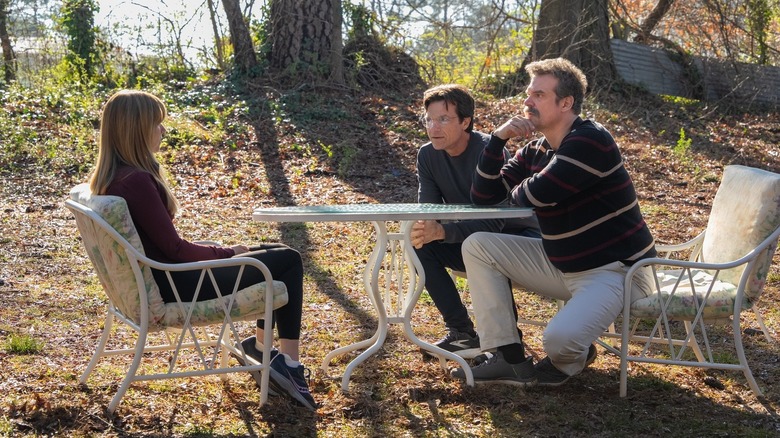
What unites this eclectic collection of shows is a shared focus on the "found family" trope and the struggle for personal autonomy within broken systems. In Shrinking Season 3, the focus remains on the messy, non-linear path to emotional health. Harrison Ford’s performance has been widely praised, not just for his comedic timing, but for his willingness to portray the vulnerability of a man facing the sunset of his life.
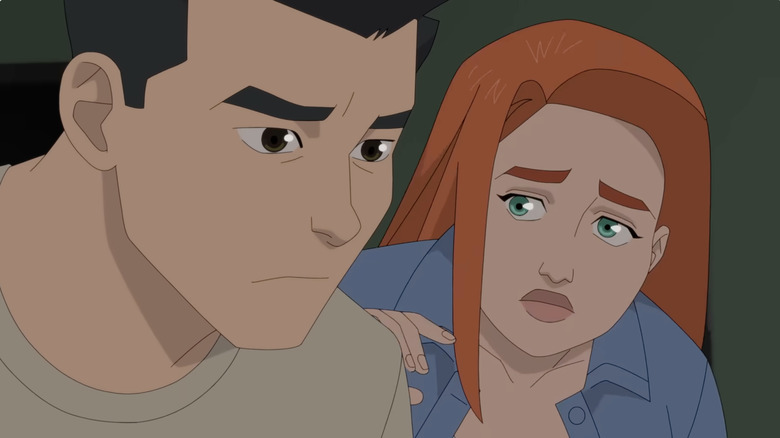
In contrast, For All Mankind Season 5 and Invincible Season 4 highlight the physical and mental toll of power. Whether it is Mark Grayson grappling with the legacy of his Viltrumite father or the inhabitants of Mars fighting for independence from Earth, these shows are not just about spectacle; they are about the cost of maintaining one’s moral compass in a hostile environment.
Official Responses and Industry Implications
The success of these series has sparked significant discussion among industry executives regarding the future of streaming. The performance of Margo’s Got Money Troubles on Apple TV+, for instance, has been cited as a model for how to adapt popular literature without losing the "voice" of the author. David E. Kelley’s production has been lauded for its empathetic treatment of its lead character, contrasting sharply with the often-criticized portrayal of young women in similar shows like Euphoria.

Furthermore, the critical acclaim for Very Important People on Dropout highlights a shift toward decentralized, platform-specific comedy. By allowing performers like Vic Michaelis to improvise within a structured but absurd format, the show has tapped into a younger, highly engaged demographic that traditional network television continues to struggle to reach.
Looking Ahead: What the Data Says
As we look toward the second half of 2026, the data from our editorial team suggests a few key trends to watch:
- The "Anthology" Pivot: Shows like Beef Season 2 have successfully transitioned to anthology formats, allowing for fresh stakes and new characters while retaining the thematic DNA of the first season.
- Animation as Prestige: With Primal Season 3 and Star Wars: Maul — Shadow Lord garnering as much praise as their live-action counterparts, the industry is finally acknowledging that animation is a medium, not a genre.
- The End of the "Long-Haul" Series: The imminent conclusions of The Boys, Hacks, and Industry signify a move toward shorter, more deliberate storytelling arcs rather than the indefinite "evergreen" series models of the past.
Implications for the Viewer
For the average viewer, 2026 represents a year of curation. Because the volume of content is so vast, the "best" shows of the year are those that demand attention through high-quality writing and distinct visual identities. The inclusion of niche, highly specific shows like Neighbors—a docuseries that dissects the psychology of neighborly feuds—shows that the audience is craving stories that feel grounded in human reality, even when they are presented in a documentary format.
Conclusion: A Year to Remember
The 29 shows listed in our report are more than just entertainment; they are a mirror of our current moment. They reflect our anxieties about AI (The Comeback), our desires for connection (Love on the Spectrum Season 4), and our need to laugh in the face of absolute absurdity (Very Important People). As the year progresses, we expect these series to continue shaping the cultural conversation, setting a high bar for the creators and platforms that follow.

If you are feeling overwhelmed by the endless scroll of your streaming apps, consider this list your anchor. Whether you choose to dive into the high-octane drama of Industry or the quiet, meditative growth of Shrinking, you are guaranteed to find something that resonates. Television may be in a state of flux, but in 2026, it remains, as ever, our most vital and vibrant form of shared storytelling.










No comments yet. Be the first to join the conversation!