

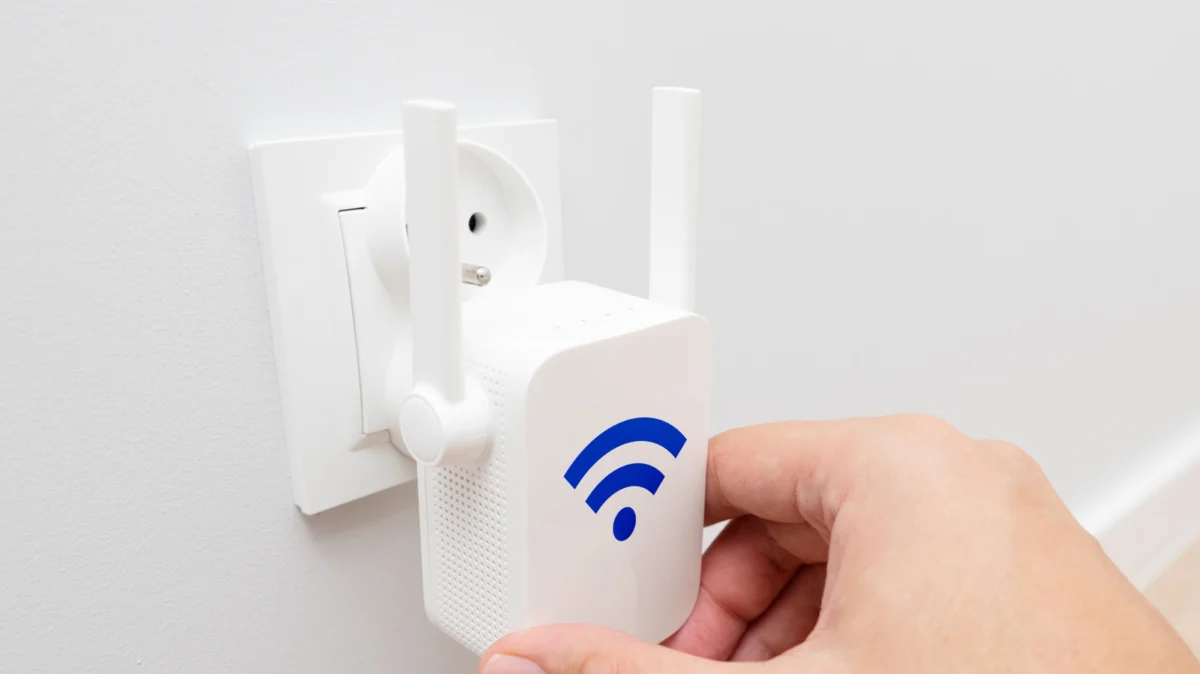
In the modern digital household, a reliable internet connection is no longer a luxury—it is a fundamental utility. From 4K streaming and high-fidelity gaming to the proliferation of smart home devices and remote work requirements, the demand for robust, high-speed Wi-Fi has never been higher. Yet, for many, the "dead zone"—that frustrating corner of the bedroom or the far end of the patio where the signal simply dies—remains a persistent adversary.
For years, the go-to solution for these connectivity gaps was the Wi-Fi extender. However, as networking technology has evolved, the utility of these devices has come under intense scrutiny. Are they still the practical, budget-friendly fix they once were, or have they been rendered obsolete by the rise of sophisticated, whole-home mesh systems?
The Fundamentals: Why Signal Coverage Fails
To understand whether an extender is necessary, one must first identify why home networks fail. Wi-Fi signals operate on radio frequencies that are easily obstructed. Physical barriers—such as concrete walls, metal appliances, and even heavy furniture—can significantly attenuate a signal.
Before rushing to purchase additional hardware, network engineers suggest a "first-principles" approach to optimization. The placement of a router is the single most significant factor in network performance. Routers broadcast in a spherical pattern, meaning a device tucked away in a corner of a basement is essentially wasting half of its potential coverage area. Relocating the router to a central, elevated, and obstruction-free position can often resolve perceived signal weakness without the need for additional equipment.
The Role and Limitations of Wi-Fi Extenders
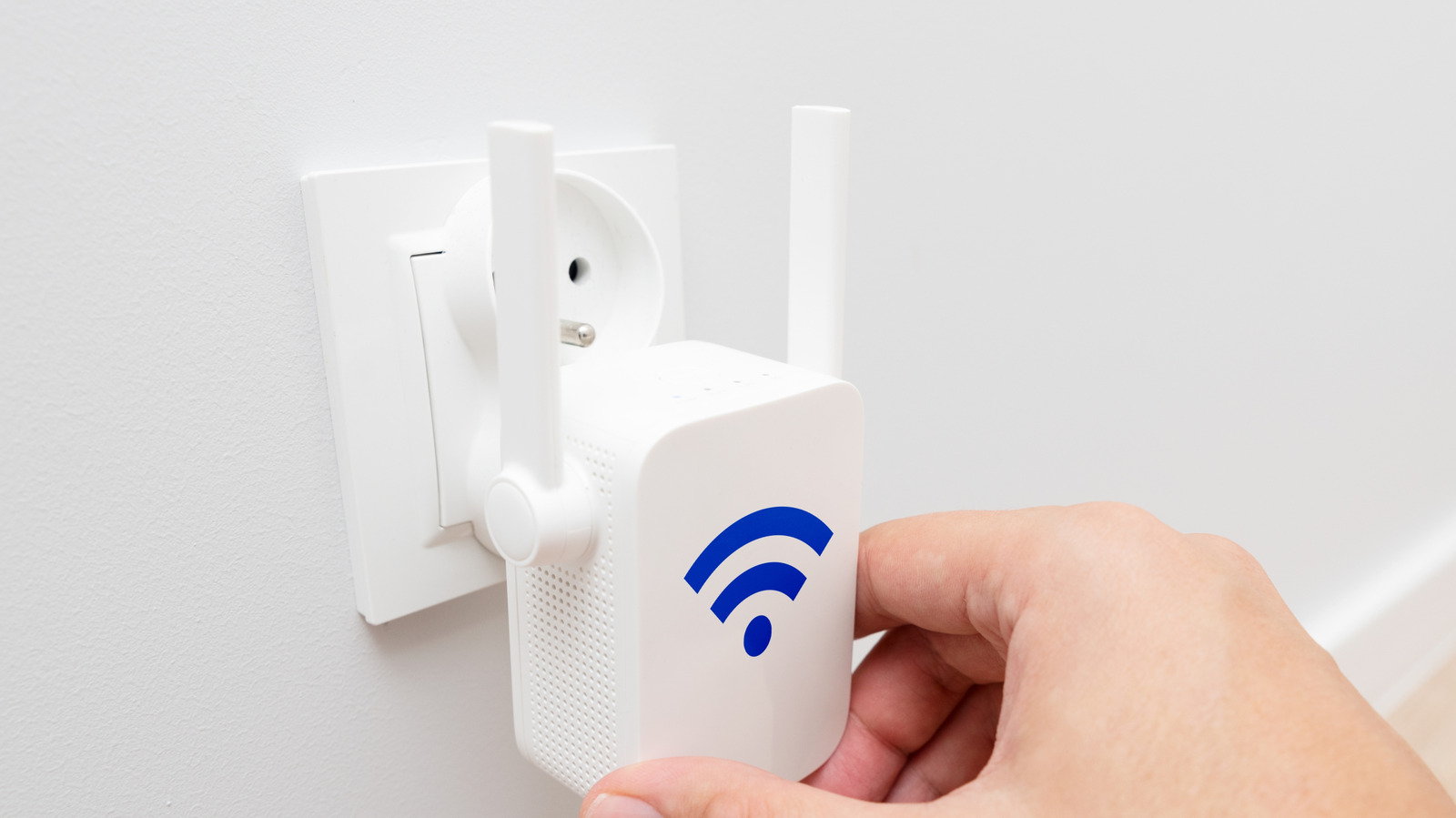
A Wi-Fi extender, frequently referred to as a wireless repeater, functions by capturing the existing signal from a primary router and rebroadcasting it to a different area. It serves as a bridge, extending the effective reach of the local area network (LAN).
The "Slam-Dunk" Fallacy
While marketing materials often paint these devices as a "cure-all" for connectivity woes, the technical reality is more nuanced. Extenders come with inherent architectural limitations:
- Throughput Degradation: Because most standard extenders receive and retransmit data using the same radio frequency, they effectively halve the available bandwidth. This leads to increased latency and slower speeds for connected devices.
- Network Fragmentation: Many entry-level extenders create a separate Service Set Identifier (SSID). This forces users to manually toggle their devices between the primary network and the "extender" network as they move through the home, creating a fragmented user experience.
- Inefficiency in Large Spaces: In larger homes or outdoor environments, a single repeater is rarely sufficient, and "daisy-chaining" multiple extenders often results in a network so unstable that it becomes virtually unusable.
For users running legacy hardware—routers that lack modern features like multi-channel support or MU-MIMO (Multi-User, Multiple Input, Multiple Output)—the problem may not be the coverage area, but the router itself. Replacing an aging, outdated router with a modern, high-performance unit often yields better results than attempting to "bandage" a weak signal with an extender.
The Emergence of Mesh Networking: A Paradigm Shift
If an extender is a band-aid, a mesh Wi-Fi system is a full architectural redesign. Over the past decade, mesh technology has moved from the realm of expensive enterprise gear into the consumer living room, fundamentally altering the landscape of home connectivity.
How Mesh Differs from Extenders
A mesh system operates through a series of "nodes" or satellites. Unlike the hub-and-spoke model of a router and extender, a mesh system creates a unified, intelligent grid.
- Unified SSID: A mesh network utilizes a single network name and password across all nodes. Devices intelligently "hand off" their connection to the nearest node as the user moves throughout the property, ensuring a seamless experience.
- Dynamic Pathing: Advanced mesh systems use backhaul technology—often a dedicated wireless or wired band—to communicate between nodes, preventing the speed degradation seen in traditional repeaters.
- Self-Healing Properties: If one node encounters interference or fails, the network automatically reroutes traffic through the remaining nodes, ensuring consistent uptime.
Cost-Benefit Analysis: The Financial Barrier
Despite their superior performance, mesh systems represent a significant investment. Entry-level mesh kits typically start at approximately $100, while high-performance, Wi-Fi 6E or Wi-Fi 7 capable systems can reach upwards of $1,300.
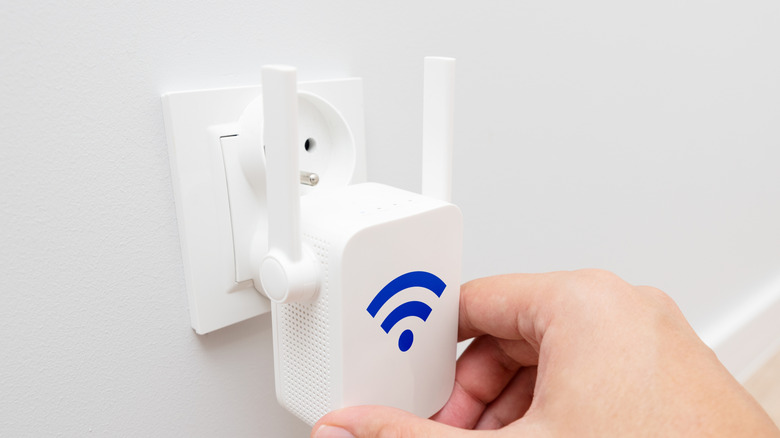
For the average consumer, this price disparity is the primary barrier to adoption. However, industry analysts argue that the "cost per gigabit" of a mesh system is often lower when considering the total utility of the home network. A cheap extender might be inexpensive to buy, but it provides a "cheap" internet experience that may require frequent manual troubleshooting, firmware resets, and eventual replacement.
Chronology of Home Networking Solutions
- The Early 2000s: Networking was largely wired. The introduction of 802.11b and 802.11g routers brought wireless convenience, but at the cost of range and speed.
- 2010–2015: The rise of the "Range Extender." Consumers began installing repeaters to cover larger homes, but suffered from the "dual-SSID" frustration and speed bottlenecks.
- 2016–2020: The democratization of Mesh. Companies like Eero, Google, and Netgear introduced consumer-friendly mesh systems, prioritizing ease of use and consistent coverage.
- 2021–Present: The era of Wi-Fi 6/6E and 7. Modern mesh systems are now integrated with AI-driven traffic management, optimizing bandwidth allocation in real-time based on the needs of the connected devices.
Implications for the Future
The move toward mesh is not merely a trend; it is a response to the way we consume data. As homes become increasingly "smart," the demand for low-latency, high-bandwidth connections will only grow. The traditional router, which has served as the center of the home network for three decades, is slowly becoming a secondary component to the broader mesh ecosystem.
Expert Recommendations for Optimization
Before committing to an expensive hardware overhaul, experts recommend exhausting all other troubleshooting avenues to ensure your current network is performing at its peak potential:
- Firmware Updates: Manufacturers frequently release patches that improve signal stability and security. Ensure your router is set to auto-update.
- Frequency Management: If you live in an apartment complex with high interference, use a Wi-Fi analyzer app to identify less congested channels and force your router to utilize them.
- Antenna Alignment: For routers with external antennas, ensure they are positioned to cover both the horizontal and vertical planes of the home.
- Wired Backhaul: If your home is pre-wired with Ethernet (Cat6), use it. A wired connection to a mesh node will always outperform a wireless signal, regardless of the technology used.
Conclusion: Is the Extender Dead?
The Wi-Fi extender is not technically "dead," but it is certainly approaching obsolescence for the modern user. For individuals in very small spaces with a single, minor dead zone, a cheap extender may still serve as a functional, albeit suboptimal, solution. However, for those seeking a reliable, high-speed, and frustration-free internet experience, the mesh system is the new gold standard.
When evaluating your home network, consider the long-term value. While the upfront cost of a mesh system is higher, the reduction in technical issues and the increase in overall network efficiency make it a superior choice for the modern connected home. As we look toward the future of high-speed connectivity, the goal is no longer just to "extend" a signal, but to build a robust, intelligent, and omnipresent digital foundation.












No comments yet. Be the first to join the conversation!